Blog

  • Podcast Numbers, and Podcast Movement with Brian Dunning

    PPPiTunesAlbumArt300MacKenzie had the pleasure of speaking with Brian Dunning on the podcast this episode. He’s been a podcaster for over ten years now and they discuss just what makes his podcast, Skeptoid, stand out from the rest. Have you heard the latest podcast listener numbers? Before this podcast was recorded we got some great news that monthly podcast listening has increased from 17% to 21%. We’ve included a link for more detailed information about this below, but for a preview — weekly listening has increased from 10% to 13% and 36% of Americans people have listened to a podcast.

    Thinking about attending Podcast Movement? Use our affiliate code Blubrry to get $40 off your ticket! Thanks for listening!

    Show notes:
    Infinite Dial Podcast Research
    Brian Dunning, Skeptoid
    Podcast Movement Ticket
    Fan of PowerPress? Leave us a review!

  • Keep It Simple: Why Multiple RSS Feeds Are A Bad Prospect For Most Podcasters

    RSS feeds – what they are, how they work, why they are so crucial – can confuse even experienced podcasters. At Blubrry, we’re passionate about encouraging podcasters to keep ownership of their RSS feeds, rather than turn that control over to service providers.

    But why is it so important that a podcaster control his or her own feed and specifically, that most podcasts only need ONE feed? Today, Blubrry/RawVoice CEO Todd Cochrane explains the reasoning behind our dedication to podcaster-owned feeds, and why serving multiple feeds to different services can be a dangerous proposition:
    feed image

    PPP: Blubrry has made RSS feed ownership a priority since day 1. Why? 

    TC: We built PowerPress on the philosophy that we could go out of business tomorrow podcasters would not be left without a feed, as has happened so many times when companies have gone out of business or had a priority change.

    Tweet: We built #PowerPress so that if we go out of business, #podcasters will not be left without a feed. – Todd @Blubrry http://bit.ly/1RQuz5y

    There is always some risk on the financial viability of the companies podcasters host with, and specifically, have their feeds with. We have been proactive in providing podcasters a security blanket that, so long as they use PowerPress, their feeds are protected.

    This pro-podcaster philosophy is not the business model of much of our competition, whose sales models are often filled with fear tactics and misinformation that scare podcasters out of using their own IPs by talking them out of using their own feed.

    Not only are you at risk of losing control of your feed – or losing it entirely! – if it’s hosted with someone else, but your SEO can take a big hit if you host your feed on a service that is not using your website as the original source.

    PPP: But why are so many podcasters so willing to give up control of their feeds in the first place?

    TC: Sometimes they don’t even realize that’s what they’re doing. And in other cases, the service provider actually tries to sell podcasters on the idea that their show feed needs to be hosted somewhere else, using scare tactics – for example, they might try to convince you that WordPress is unstable and an update can “break” your feed. In our experience with nearly 60,000 podcasters using PowerPress, this is rarely an issue. All service providers have occasional problems, but WordPress is powering massive numbers of podcasts, and I would suggest the propaganda being spread is more about gaining and controlling podcaster’s feeds.

    PPP: Got it. On top of that I’ve heard of a service providers forcing podcasters to have separate feeds for each site their show is syndicated to. What’s up with that?

    TC: While PowerPress gives someone the flexibility to create separate feeds if they want, only a very small subset of shows – maybe 2-3% – would have a legitimate need to do this for advertising or business reasons. Meanwhile a large number of podcasters unnecessarily have a mess, with multiple feeds of the same show all over the place.

    Tweet: Only a very small # of shows EVER need multiple feeds. Find out why. http://bit.ly/1RQuz5y

    Sadly a service provider has employed a tactic by default that makes it more challenging for podcasters to seek out alternative hosting solutions. They create a unique feed for every podcast destination, so instead of having one feed that feeds all services, they deploy a unique feed for each destination. As a result, you now have some podcasters that have multiple originating feeds and do not even know it.

    First, lets keep things straight. None of the services we’re talking about – iTunes, Google play, Stitcher, etc. – even suggest you should create separate feeds. They all ask for your “podcast feed”, just like search engines want your “website address.” No one is asking you to create separate websites for Bing and Google- that’s just crazy.

    It’s basically the equivalent to telling webmasters they should have a separate website for each web browser or search engine. Ridiculous!

    Here’s an example of why this can be so problematic. In the case of the company doing these targeted feeds, in Google Play those separate feeds were adding the Google Play tags in place of iTunes tags. This is not what Google had in mind. In their documentation, Google explains how to add google play tags to your existing iTunes feed. They even go into depth to explain the hierarchy. Nowhere in the documentation for any of the services does it say “please create a separate feed.”

    A podcaster’s feed URL is used to determine your podcast listing uniqueness. If you have 6+ versions of the same podcast feed, it is possible for someone to subscribe to your Google Play podcast feed on iTunes or visa versa. Now you have multiple listings of your podcast getting indexed all over the web. We became aware of this when we were attempting to migrate a major client that had no idea they had separate feeds which were being sent to multiple services. Their reaction was not fit for publication.

    And that brings us to one of the biggest issues with not retaining control of your feed: if you want to change services and you’ve got multiple feeds all over the place, good luck cleaning that up. Often podcasters have so much difficulty moving or consolidating their feeds, they just don’t bother switching in the end. The tactic is an effective way to lock podcasters in to one service provider. 

    Tweet: If you want to change #podcasting services & you’ve got feeds all over the place, good luck cleaning that up. http://bit.ly/1RQuz5y

    PPP: So, what can a podcaster do to keep this from happening to them? 

    If you’re already using a service like Blubrry/PowerPress that allows you to retain control of your feed, you’re in good shape. If you’re using another service, the best thing to do is be aware that this is an issue and take it into consideration before you add on more services with that company or get further entrenched. 

  • 3 Copyright Myths That Will Sink Your Podcast

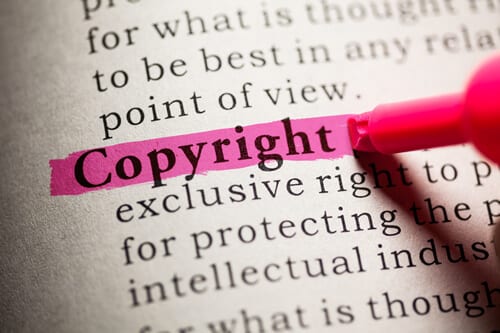
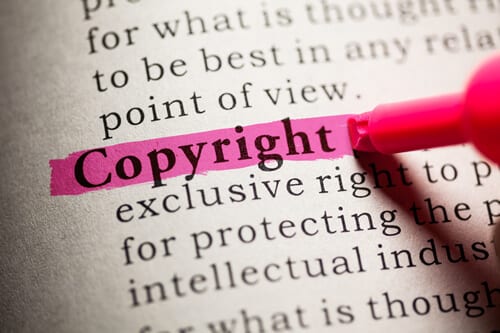
    3 Copyright Myths That Will Sink Your Podcast

    Have you ever wanted to use a segment of your favorite song as bumper music for your podcast? Maybe a clip or two from Meat Loaf’s “Bat Out Of Hell.” Perhaps you are on show number thirty-five and you have consistently used short clips from popular songs for your bumper music. After all, the music clips are all less than ten seconds long, and you were told that you can use any music in your show as long as the music doesn’t exceed the ten second limit. In addition, you know you are doing the right thing when you play the music because you are giving credit to the band right after the clip is played.

    copyright issues podcasters

    Your audience is increasing and you are beginning to think the work you are investing in your podcast is paying off. Your payoff is simply the satisfaction you receive because you are providing good information to your audience.  Your show is truly a non-profit endeavor because you are not looking to make money.  

    Then one day you receive an email that is truly a bat out of hell. The email is from an attorney representing a large music organization and she is demanding that you remove all the music clips from your podcasts because you are violating the artists’ copyrights. The next day you receive a registered letter making the same demand to remove the music – and insisting that you now owe a huge sum of money for each clip of music used in each of your shows.  

    How could this have happened? You were told by other podcasters that you can use copyrighted material under the Fair Use Doctrine if your podcast is a non-profit, or if you give credit to the artist, or if you use a clip that is less than ten seconds in length. You thought you had your bases covered on all three of the exceptions to the copyright laws.

    Unfortunately, you were wrong…and now you’re in legal and financial hot water. 

    Here are three persistent copyright myths that can sink your podcast: 

    • Myth number one – it’s okay to use copyrighted music if the portion of music used is less than ten seconds long. You cannot use another person’s music for your bumper music unless you have express permission, or you’ve purchased a license to use the music. That includes clips that are less than ten seconds, five seconds or even three seconds long.
    • Myth number two – you can use copyrighted material if your show is a non-profit endeavor. Sorry. It doesn’t matter whether you are making ten thousand dollars a month or your show is extolling the virtues of Mother Theresa in the most non-profit manner possible. There is no non-profit exception to the copyright laws.
    • Myth number three – You can use copyrighted material if you give attribution to the producer of the material. Nope. Sorry again. There are no attribution exceptions anywhere in the copyright laws. In fact, there are no attribution requirements anywhere in the copyright laws. Attribution is simply common courtesy and a handy way to avoid accusations of plagiarism.

    If you believe these three myths and put them into practice when producing your podcast, you can get into a lot of trouble. I’ve used simple explanations in debunking the three myths hoping this simplicity will quickly get you on the right track, or keep you on the right track, when producing your podcast.  Copyright laws in general and the Fair Use Doctrine in particular are complex, and there are a lot of grey areas within that complexity. I will dig a little deeper into the Fair Use Doctrine in future posts. Of course, you should consult an attorney if you have questions about the specific material you are using in your podcast.

    barry kantz-Attorney Barry Kantz is General Counsel and CFO of RawVoice and Blubrry. He can be found on Twitter @kantzb.


  • Meet Mike Dell, Blubrry’s Lead Support Tech

    Meet Mike Dell, Blubrry’s Lead Support Tech

    From the hardworking customer support techs who are the front lines when you’ve got a question or concern to the behind-the-scenes people making our services and products among the best in the business, Blubrry boasts a staff of dedicated men and women who, above all, are passionate about podcasting and want to help all podcasters create the best shows they possibly can.  This is the first post in a new series featuring our awesome team members here at Blubrry! We hope you’ll enjoy getting a sneak peek at the awesome people who power our company.

    mike podcasting

    Name and Position: Mike Dell, Lead Support Tech

    Worked at Blubrry Since: 2009

    Tell us about a typical day at Blubrry. 

    I spend most of my time answering support tickets for people who are having issues with our services or need help with podcasting in general. For example, maybe they can’t get a feature to work so I walk them through it, or they need help setting up PowerPress for podcasting. Sometimes I do one-on-one consulting, where I’ll do a screen share with the customer and help them get their website looking the way they want it, show them how to set up their RSS feeds, and that kind of thing.

    What’s the thing that causes newer podcasters the most confusion? 

    People don’t always understand that the RSS feed is the center of a podcast. They say “I want to put my podcast on iTunes,” but podcasts don’t work that way. You have to have an RSS feed, and everyone centers around that. That can be a hard concept for people to understand. I always describe it like this: your RSS feed is like the transmitter from a radio station. Whatever radio you’re listening to a show on, the show itself is coming from the same transmitter.

    You’ve been at Blubrry since 2009. How have things changed in the industry since then? 

    I started podcasting in 2005, so I’ve been at it for 11 years now. It’s completely changed. When I first started you had to be a geek to even listen to podcasts because the technology wasn’t user-friendly. With podcast apps in pretty much all smart phones and some newer cars, it’s a whole lot easier for the listeners.

    On the other hand, the technical side for producers hasn’t changed a whole lot – but our tools make it a lot easier. The basics are still there: you still have to have an RSS feed and host your files on a server, but once you get set up it’s easy.

    What makes working for Blubrry special? 

    All of the founders of Blubrry were podcasters first. We’re grassroots.

    I knew most of the people involved with RawVoice and Blubrry prior to coming to work there. We’re laid back when we need to be and we get right down to business when we need to. I also love that our whole business model is based on doing what’s best for the community and podcasters first. We don’t do anything as a company that’s not good for the entire industry. We aren’t the cheapest service in town, but I feel we are the best. It’s great to work for a company where you believe in the product, and everybody at Blubrry is passionate about the product.

    Speaking of…tell us about your podcasts!

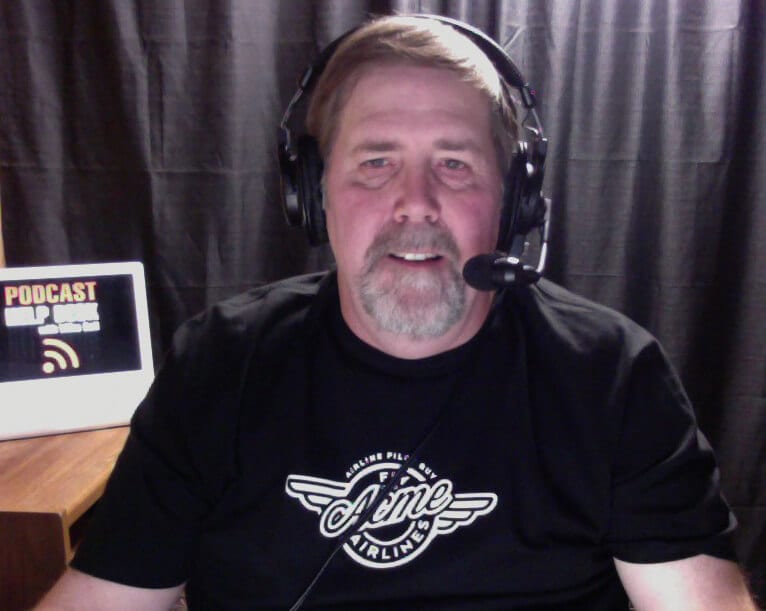
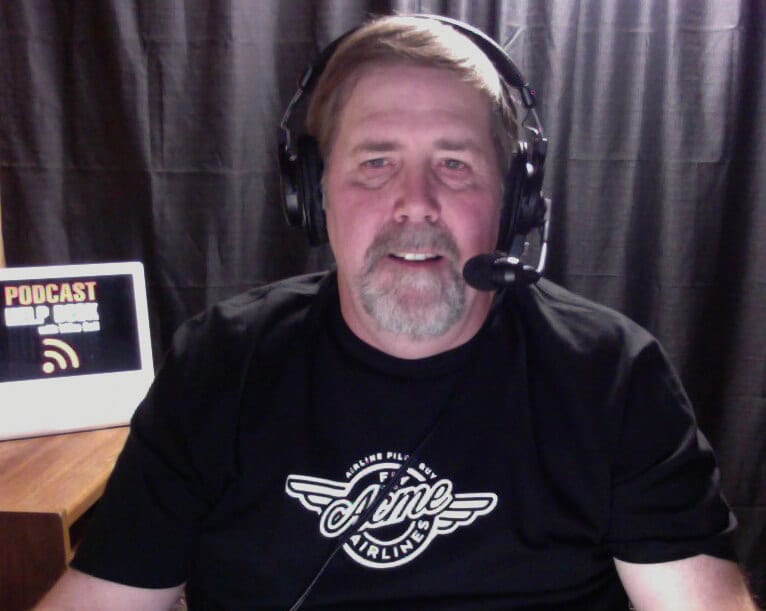
    I have a podcast called Podcast Help Desk to help people learn more about podcasting. I also do one called Geek of the North, where I take something that’s not normally thought of as technology and explain it as technology – for example, I recently did the technology of garbage trucks. I talk about snow removal, nascar tracks, all kinds of stuff. And sometimes I guest host the PowerPress podcast, and that’s a lot of fun.

    mikebanjoSI08

    Tell us about your hobbies and life.

    I live in Traverse City, MI with my wife, dog and cat, in a 1940s log cabin about 600 yards from Grand Traverse Bay. I call myself an attempted banjo player and like going to music festivals in northern Michigan.

    What’s the best part of your job? 

    Yesterday a customer emailed me and said, “When was the last time I told you your support was awesome?”

    That kind of thing happens a lot, and it always makes my day.


  • Proclaim16, Apple changes and the New PowerPress

    PPPiTunesAlbumArt-385

    In this episode Mike Dell, Lead Support Tech for Blubrry & RawVoice fills in for MacKenzie who is on assignment. Actually, she’s in Nashville at the Proclaim16 conference along with our CIO Angelo Mandato who reports LIVE from Nashville.


    Proclaim16

    News:
    Blubrry Community Newsletter is out on the street, so to speak.

    Political Podcasts – There is now a plethora of political podcasts for “political junkies” to enjoy. Jen Thorpe over at PodcasterNews has a list of some of the best political podcasts out there.

    Proclaim 2016 – Nashville, TN

    Angelo and MacKenzie reporting “live” from Nashville.

    PowerPress Update:

    The current version of PowerPress is 6.3.2.

    It includes some updates for required iTunes items such as Explicit tags and quite a few others. Here is the change log:

      • Added import podcast from Squarespace option (thanks Steve for bringing to our attention that importing from Squarespace requires added logic)
      • The itunes:summary tag values can now use CDATA encapsulation. Note updated that may not contain HTML, except for hyperlinks. (Thanks Apple iTunes team!)
      • Added checkbox to enable wrapping iTunes summary values with
      • Added new define option POWERPRESS_FEED_TEMPLATE. (Thanks Ron for the suggestion!)
      • Added new define option POWERPRESS_PREMIUM_GROUPS_PLUGIN, for premium podcasting with Groups plugin commonly paired with WooCommerce.
      • Removed iTunes explicit ‘no’ value from tag. (iTunes change – February, 2016)
      • Updated iTunes recommended image size to 3000 x 3000 saved in a compressed format such as JPG. (iTunes change – February, 2016)
    • Fixed notice message from appearing when using the playlist player (Thanks chefjoef for bringing to our attention).
    • Added width and height attributes to img tag for the HTML5 audio player image. (Thanks Eduard for the patch and information about the Accelerated Mobile Pages Project!)
    • Fixed tab control styling when other themes or plugins use newer versions of jquery-ui.
    • Added dismissable notification message to alert PowerPress users of the latest iTunes changes.
    Apple Podcasts Connect: Apple changed the way you submit a feed to them to a website based system. We have updated the Podcast Manual with the new information: http://create.blubrry.com/manual/podcast-promotion/submit-podcast-to-itunes/ Blubrry Tip of the Week: (A feature I do at Podcast Help Desk) Populate your RSS feed setting at we-moved-the-blog-to-this-site-when-we-made-a-new-website.blubrry.com/ if you are not using the we-moved-the-blog-to-this-site-when-we-made-a-new-website.blubrry.com/ feed for your podcast. This gives your listing in the Blubrry directory a way to stay up to date. It also makes it easier for us tech support types to help you troubleshoot any problems you might have. If you are using we-moved-the-blog-to-this-site-when-we-made-a-new-website.blubrry.com/ for your podcast website, this is not needed and can cause your listing to have duplicates. ———- Thanks for listening to the PowerPress podcast, Information and Ideas to Power your Podcast, from the Team at Blubrry. Don’t forget, if you love PowerPress, please rate and review PowerPress here!
  • 3 Things Every Podcaster Should Understand About Their Stats

    With all the attention podcast statistics are getting right now, we thought it seemed like a good time to sum up the most important things podcasters need to know when it comes to crunching those numbers…and making them count:

    podcast stats

    Podcasts that are listened to from a browser window (like on a website or show notes post) do “count” as downloads. 

    Contrary to what many believe, if a listener plays your podcast in their browser window, it is a download, and is recorded just like it would be if they were listening on iTunes or another podcast application. So while it’s great to get people to subscribe to your show in iTunes if possible, it’s not the end of the world if some of your listeners prefer to listen the old-fashioned way!

    Blubrry and other industry leaders use sophisticated methods to accurately measure each podcast’s listenership.

    Contrary to recent implications of a “Wild West” environment when it comes to reporting podcasting statistics, Blubrry and other industry leaders have long ensured that download data is accurate, measurable and honest. In particular, Blubrry has always taken great pride in the accuracy of our statistics, which means we work hard to cancel out erroneous downloads via constant monitoring and proprietary algorithms that we regularly tweak. Blubrry has built custom filters to prevent fraud, and in some cases, even white label IP’s that originate from enterprise networks.

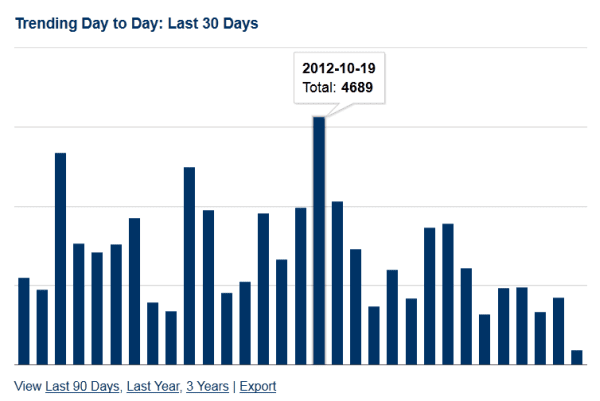
    So if you’re using Blubrry statistics, you can be confident that the number of downloads reported for your podcast is as accurate as is scientifically possible. Combined with the provided show trending data, podcasters can get a very good picture of their show’s overall audience size and whether the show is growing.

    Numbers aren’t everything. 

    As RawVoice/Blubrry CEO Todd Cochrane said emphatically in our recent Q&A about 2016 podcasting trends: to Blubrry, you’re more than just a set of numbers! Whether your show is large or small, or you have 50,000 listeners per episode or 10, you’re important to us – and as they continue to evolve along with this space, you’re increasingly important to advertisers, too.

    The upshot? Definitely keep an eye on your podcast stats – they can tell you a lot about trends and help you watch your audience grow, and they’re essential for landing deals with advertisers. But don’t obsess. Numbers are important, but they aren’t everything. Focus on creating the highest-quality content you possibly can and building a relationship with your audience, and watch your influence – and yes, over time, your stats – grow.

  • New iTunes Podcast Directory Recommendations: What Podcasters Need To Know Now

    The higher your podcast ranks in iTunes, the easier it is to grow your audience – so it’s crucial to keep up on and follow their recommendations.

    This month, iTunes made a number of changes to the iTunes Store podcast directory that could have a direct impact on the success of your podcast.

    Here’s what you need to know (and do) to comply with the new iTunes Podcast
    Directory Recommendations:

    iTunes Podcast Image Recommendation Change

    Apple now recommends using a 3000 x 3000 pixel JPG or PNG in the RGB color space in a compressed format. Saving your image as a JPG with your favorite image editing software should automatically compress your image to optimize for mobile devices.

    If you are saving your image as a PNG, please be aware that your image must be saved in the RGB color space. If the image is saved as a CMYK color space (used for printing), it will not be accepted by iTunes. (See our guide to logos, branding and theme for more information on color spaces and other crucial things to keep in mind while designing your cover art.)

    The minimum size of 1400 x 1400 may continue to be used and will look acceptable on a tablet or phone – but while it’s not an urgent change, the larger 3000 x 3000 size will look best when viewed in the Apple TV podcasts app.New iTunes Podcast Directory Recommendations February 2016

    iTunes Podcast Explicit Setting Change

    Apple has changed the iTunes explicit setting. You must now select “clean” or “explicit” – the ‘no’ option is no longer available.

    The “explicit” setting previously allowed for a 3rd option referred to as “no” (also referred to as “none” by some services). Nothing was displayed next to your podcast on iTunes if neither “clean” or “explicit” were set. With this change, there is no longer a neutral option.

    If you don’t set your podcast as either “clean” or “explicit,” it appears that Apple will now make that determination for you. To guarantee that your content is marked correctly, please update your explicit setting as soon as possible.

    The explicit setting is available both at the program/show level as well as the episode level. If all of your episodes are explicit or clean, you will only need to set this attribute at the program/show level.

    We are still waiting on a response from Apple staff how to handle the situation with mixed explicit and clean episodes. We assume the previous behavior still applies:

    • If your program is marked “explicit,” then all episodes within that show are also considered explicit. A “clean” episode for an explicit show/program is not applicable.
    • If your program is marked “clean,” then all episodes are considered clean unless otherwise marked explicit.

    The explicit setting is very important to maximize your distribution on iTunes. Some territories and countries such as India do not allow explicit content.

    iTunes does enforce its explicit settings. Do not assume you can mark content as clean even though it includes explicit content – many podcasters have learned the hard way that mis-labeling your show will lead to being removed from the iTunes podcast directory.

    Managing Podcast Submissions to iTunes has Changed

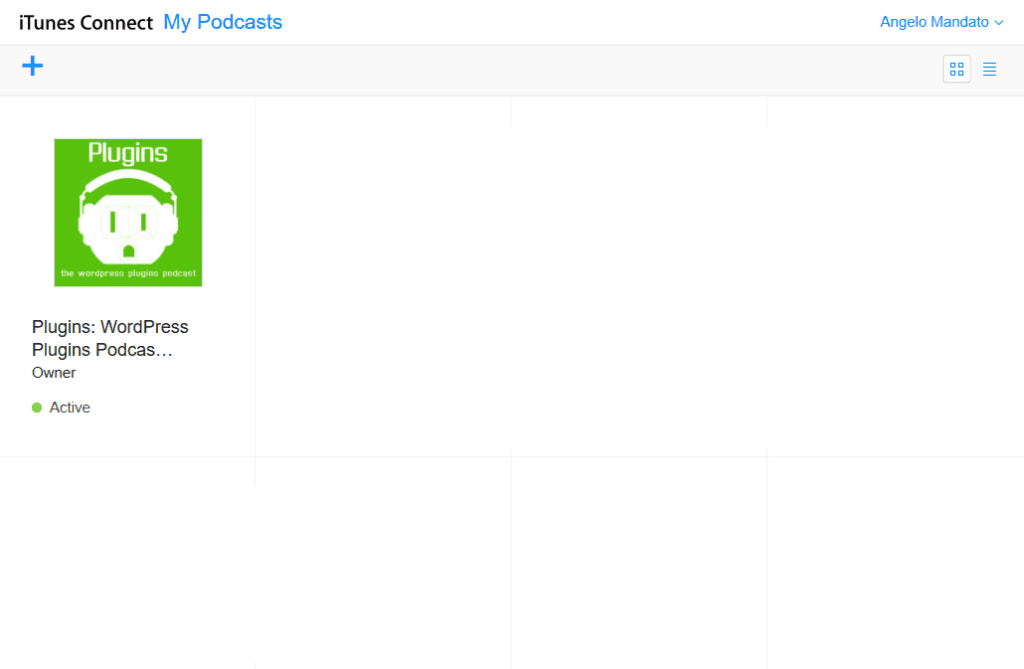
    Podcast submissions to the iTunes podcast directory are now managed by the new Podcast Connect website. The new website allows you to submit new podcasts, as well as refresh, hide and delete your current podcast listings.

    iTunes Podcast Connect

    In February, 2011 Apple dropped the update listing protocol, leaving podcasters with no way to refresh their podcast listings on iTunes. The new Podcast Connect website includes a Refresh Feed option, we applaud and appreciate the addition.

    Check back here at the PowerPress Podcast blog weekly for important updates and information that can help you improve your podcast’s chances for success!

  • Stats and All-in-One Solutions: A Q&A on 2016 Podcasting Trends with CEO Todd Cochrane

    What are the 2016 podcasting trends you should be paying attention to? We talked with Todd Cochrane, CEO of RawVoice and Blubrry, to get his take on what’s new, exciting and worth watching in the months to come. 

    2016 trends image

    PPP: What’s coming up for Blubrry and the podcasting community in 2016?

    TC: This is an exciting year for the podcasting space on many levels. We’ve been marching to get Blubrry WordPress Website launched, and we’re so close. It’ll be an all-in-one solution – an “easy button” for podcasting. There will be tiers where users can upgrade to different levels, but at any tier you will be afforded the opportunity to have a free WordPress site at yoursite.blubrry.com.

    So many podcasters fail because they can’t wrap their heads around doing all this tech stuff. With Blubrry WordPress Website, a new or existing podcaster will be able to come in, sign up, and within a matter of three mouse clicks we will launch the show for them. It’s a turnkey solution that eliminates the usual barriers: the only things the content creator will have to figure out are easy things like the color scheme and other customization’s, and then they can focus on creating great content. And if you want to scale to multiple shows, we can do that as well.

    We’ve are also coming out with a smoking web based audio player that I’m hoping to have available in the next 60 days or so. It’s all been designed, we just have to put it together and put all the bells and whistles on it.

    PPP: What can you share about your team’s approach to interacting with the podcast community? 

    We just wrapped up our yearly team meeting where we’ve been talking about what’s good for podcasters. That’s what RawVoice, the parent company to Blubrry, is really trying to achieve: to make great tools for podcasters to help them create better content and get more exposure. We don’t want solutions that are half-baked – one thing we do very well is create tools that work well and look nice. Some companies have rushed products to market, but they don’t necessarily have staying power. 

    Companies are battling over podcasters. Some of the newer services really need to sign big shows to stay in business and pay their staff. I’m proud of our company because we work with everyone, from the smallest podcaster to the largest. We don’t require you to have 50,000 listeners to have a relationship with us – we want you to be you! When we have advertising opportunities, we want to make those available to anyone.

    Tweet: “At @Blubrry, we work with everyone, from the smallest #podcast to the largest.” – Todd Cochrane, CEO http://bit.ly/1Ww0ARm

    We now see media buyers saying, “Wow, I can’t get any inventory on these big shows. What else is out there?” I’m excited about that aspect and what it means for content creators. 

    PPP: I know stats and measurement are a big topic of discussion in the podcasting community right now. What’s Blubrry’s take? 

    TC: One thing that the podcasting community is going to be looking at as a whole this year is the discussion around podcast measurement. It’s really getting a lot of attention with the new public radio podcast measurement guidelines.

    I think what you’ll find is that a lot of the standards detailed in the report are ones that we at Blubrry have supported for a long time, in fact their are flaws in their guidelines that we dealt with years ago. We’ve been involved with the IAB since 2014 and have been working with the podcast measurement committee over there — as well as industry leaders and major players in the space — to come up with ironclad standards and make sure we are all singing from the same sheet of music. 

    And really, this focus on standards is a good thing. The last thing we want is folks working with two or three different standards. We want all tides rising together and all of us reporting the same so that the podcast advertising space can continue to grow and media buyers will be excited to come in and spend money. 

    Tweet: “This focus on #podcast standards is good: we want all tides rising together.” – Todd Cochrane, CEO @BluBrry: http://bit.ly/1Ww0ARm

    Our model from the beginning has been: I don’t care what the number is, as long as I know what the number is — whether it’s 1, 1000 or 100,000 — I can say today that RawVoice or Blubrry can back up any data that we put out for reporting, and certify the data as true. And to do that, we have to have a lot of confidence in that number. We look at a huge swath of data regularly. We can see trends before anyone else can. It’s important to us that we get the data right everytime, and that’s why we’re so passionate about it.

    Another thing to expect in 2016: more content! Starting this week, we’ll be covering more podcasting trends, helpful tips, and interviews with personalities and leaders in the industry on a weekly basis. Check back Tuesdays for new posts, and make sure to subscribe (options in right-hand sidebar) so that you don’t miss breaking news and episodes of the PowerPress Podcast. 

  • Podcast Advertising Opportunities

    PPPiTunesAlbumArt-385This episode of the PowerPress Podcast was a little different. Todd Cochrane, CEO of RawVoice and Blubrry, joined MacKenzie to talk about advertising on your podcast. It’s been a topic that they’ve wanted to talk about for a while now and you get the inside scoop on how it works with Blubrry. News kind of took a hit this week on the podcast, but MacKenzie got in her podcast chronicle of the week as well. Leave us a review for PowerPress!

    The iTunes explicit / clean setting…

    As we mentioned before, the setting has changed. It applies to the entire program (also referred to as the RSS channel) as well as to the episodes (also referred to as RSS items). iTunes has rolled out an update to their podcast directory that now strictly displays, either a ‘clean’ or ‘explicit’ tag next to each podcast program listing, as well as next to each episode. The previous behavior allowed for a 3rd option, which was the ability to not specific clean or explicit. Most podcasters selected the ‘no’ option for the explicit which displayed nothing. The belief was that the ‘clean’ tag was intended for content that was safe for all ages and if you show wasn’t intended for children, it didn’t matter. Now it does. Please take a moment to review your PowerPress setting and make sure you have ‘clean’ or ‘explicit’ selected in your settings under iTunes.

    Intro and outro music provided by Phonophage

    Show notes:

    Email Todd Cochrane

    MacKenzie.Bennett@rawvoice.com

    Blubrry Advertising

  • RawVoice / Blubrry responds to the public radio podcast measurement guidelines

    While perhaps well intentioned, the Public Radio Podcast Measurement Guidelines document released Feb. 3 by the public radio coalition is fraught with measurement shortfalls and an inflammatory statement that threatens to undermine the credibility of podcasting and podcast measurement. RawVoice / Blubrry takes serious exception to the characterization of the podcasting industry in the first line:

    “Measurement of podcast usage is, at best, the Wild West. There has been no standard or even informal consensus around how to count downloads, listeners, or time spent listening.”

    For the past 11 years, RawVoice / Blubrry and other leading companies in the podcasting space have worked tirelessly to provide accurate reporting to podcasters and media buyers. The “Wild West” statement in the document is so egregiously false that RawVoice / Blubrry is asking the coalition to retract the language, and publicly recognize those who have successfully championed meticulous, rigorous and precise podcast reporting.

    RawVoice / Blubrry is a podcast service provider that offers a full line of services, including podcast hosting, statistics and podcast advertising opportunities. Today 35,000 active podcasters and many major podcast networks use RawVoice / Blubrry Podcast Statistics.

    “Since the introduction of our podcast statistics platform in 2005, we have strived to offer precise podcast metrics to our customers, and provide accurate media reporting metrics to the hundreds of media buyers with whom we have done business,” explains Todd Cochrane, RawVoice CEO. “Our customers and the podcast community know we have been tireless in championing accuracy in reporting and providing precise, reliable media statistics.”

    In 2008, RawVoice CIO Angelo Mandato led the former Association of Downloadable Media to develop the industry’s first podcast measurement standards. These standards are the foundation of the RawVoice / Blubrry podcast metrics system today. RawVoice / Blubrry is also a member of the Interactive Advertising Bureau (IAB) and actively participates in ongoing podcast measurement committee work: Mandato has been instrumental in shaping the language in the forthcoming IAB podcast measurement guidelines document.

    Upon reviewing the Public Radio Podcast Measurement Guidelines document, the RawVoice / Blubrry team determined that it follows many established protocols. Several protocols and standards mentioned in the document were established by RawVoice / Blubrry and other industry leaders. CIO Angelo Mandato stressed that RawVoice / Blubrry meets and exceeds these standards in areas where the coalition’s analysis falls short, and the RawVoice / Blubrry metrics system will hold true to the toughest scrutiny in the industry.

    “The measurement guidelines from public radio at face value look great, but are flawed,” said Mandato, who for more than 11 years has overseen the development of podcast measurement services at Blubrry. “The public radio guidelines do not address situations where the user agent could be spoofed, which is a major concern that we (Blubrry) addressed early on in 2006 in our podcast measurement system. The public radio guidelines are missing key ingredients to prevent fraud.”
    Cochrane said the RawVoice / Blubrry teams will continue to work closely with the IAB podcast measurement committee, which will later this year publish podcast measurement guidelines.

    “This should address any shortfalls in the public radio measurement guidelines and set the gold standard,” Cochrane said. “In the meantime, we encourage the public radio coalition to re-engage with the IAB, and collectively we can, as one, stand behind a set of standards that serves the entire podcasting space.”

    Those Media Buyers / Reporters / Podcaster looking to get a deep understanding podcast measurement are encouraged to review a recently deep dive into podcast measurement that the RawVoice / Blubrry team produced.