

Category: Tips

  • Don’t Drop the Mic! Embrace It and Your Podcast Vision

    Don’t Drop the Mic! Embrace It and Your Podcast Vision

    Man holding securely onto microphoneAt Blubrry, we constantly hear from folks about their desire to start a podcast, yet they remain hesitant to take that initial leap. The world of podcasting can seem like an intimidating frontier, fraught with technical challenges, fear of the unknown and, gosh, am I good enough, smart enough and will people like me?

    People wonder if they have the right equipment, if their ideas are worth sharing, or if they can gather a dedicated audience. However, at Blubrry, we want to emphasize that now is the perfect time to leap into the world of podcasting. We understand these concerns, and we’re here to reassure you that we’ll be with you every step of the way, providing the guidance, tools and support you need to turn your podcasting vision into a reality.

    So, why do we all want to podcast in the first place? Let’s explore why we are so enamored of this revolutionary medium — who knows, one of these reasons might inspire folks to take the leap.  

    Conveying Unique Ideas and Interests

    Podcasting offers a platform for individuals to express themselves freely, without the constraints of traditional media. Whether it’s discussing niche hobbies, exploring unconventional theories, or sharing personal stories, podcasts provide a space for unfiltered self-expression. By creating their own shows, podcasters can connect with like-minded individuals who share their vision and create a sense of community around their content.

    Sharing Expertise and Motivating Change

    For those who possess specialized knowledge or expertise in a particular field, podcasting serves as an effective tool for sharing valuable insights and motivating change. Many podcasters use their shows to educate and inspire their audience, offering guidance and advice on various topics. From business and finance to health and wellness, podcasters have the power to influence and shape the future.

    Promoting a Business or Product

    Podcasting has also become a popular avenue for businesses and entrepreneurs to promote their products or services. By hosting a podcast, companies can establish thought leadership, build brand awareness and connect with their target audience on a more personal level. But one hint: Make sure it’s not about you, but rather how what you offer can benefit others. 

    Entertainment for Yourself and Others

    Many podcast enthusiasts seek entertainment through captivating storytelling, engaging interviews and thought-provoking discussions. From true crime mysteries to comedic banter, podcasts offer a diverse range of entertainment options that cater to different tastes.

    Education Innovations and Tools

    Podcasts have become a valuable educational resource, allowing listeners to expand their knowledge on a wide range of subjects. Whether it’s learning about history, science, personal development, or language acquisition, educational podcasts provide an immersive and engaging learning experience.

    What is your why when it comes to wanting to start a podcast? Is there something holding you back? Let us know in the comments! And be sure and check out our Podcast Manual for a step-by-step guide as you get going! And you can always contact us at we-moved-the-blog-to-this-site-when-we-made-a-new-website.blubrry.com/support.


  • Prevent Podfading: Don’t Let Your Podcast ‘Fall’ Off Track

    Prevent Podfading: Don’t Let Your Podcast ‘Fall’ Off Track

    Autumn begins Saturday, and as the leaves change and begin to fall it’s a good time to talk about ensuring your podcast doesn’t fall off track. Podfading – the decline or ending of a podcast – can be a frustrating obstacle for podcasters, listeners and advertisers alike. But never fear! With some simple strategies, you can keep your podcast thriving through the season and well beyond. 

    Our Blubrry team boasts some of the longest-running podcasts in the industry. Here, a few team members weigh in on best practices for keeping your show active and your listeners and advertisers happy.

    Barry

    • Choose a topic you’re enthusiastic and passionate about.
    • Don’t fall into the “imposter trap.” The imposter trap is when you don’t think you know enough about the topic to talk about it. You don’t need to be an expert to produce and continue your podcast. Rely on research and other sources to help you develop your topics. Consider the whole process as a learning adventure for your listeners and for yourself. 
    • You don’t need a lot of expensive equipment to produce your podcast. All you need is good clean audio. Even if your audio falls somewhat short of clean there are AI tools out there that can clean your audio and make it sound like it was produced by a studio. 

    Dave

    • Ask for help. In the decade that I’ve been podcasting, I’ve podfaded many shows because I was doing everything solo, which ultimately led to burnout and disinterest.. Maybe you know someone – a friend, co-worker, or even an audience member you’ve been in contact with – who would be willing to jump in and edit for you or step in as a guest host while you take a break. 
    • Announce and plan breaks ahead of time. Your audience will get used to your release schedule and when you suddenly stop releasing episodes – especially missing multiple releases – they may get concerned. Planned breaks not only give your listeners a heads up, it also shows your respect for them and can solidify your relationship with them in the future. Combine this with my first recommendation and you’ll reduce creator fatigue and podfading.
    • Change your format. There are a lot of reasons why you might be tempted to stop your podcast, but a big one I’ve dealt with personally is disinterest in the topic. While you may love your topic, you might be bored with how you’re presenting it. Instead of an hour-long interview, what if you shortened it to a half-hour and extrapolated ideas from your guest? Doing a show with no guests? Get in touch with someone in your niche for a guest spot on a topic you both are passionate about. There are millions of podcasts out there; surely someone would be happy to join you.

    Shaun

    • If your show is evergreen, produce episodes ahead of time so you have some in the bank. This will lower the pressure/stress that can happen if you’re up against a deadline for publishing your next episode.

    Thanks, team! Excellent advice. Here are some more tips:

    Consistency is Key

    Prevent podfading by delivering quality content at a pre-determined schedule that works for you and stick to it. Whether it’s weekly, bi-weekly or monthly, your listeners will appreciate being able to know when to expect a new episode.

    Plan Ahead

    Planning the topics and guests ahead of time will give your listeners a clear idea of the content they can expect. It will also ensure that you don’t run out of material and have to scramble to find something new.

    Keep It Engaging

    Using sound effects, music and jingles can keep the production exciting and captivate your audience. Incorporating humor, storytelling and asking thought-provoking questions can also make your podcast stand out in a crowded market.

    Don’t Be Afraid to Rebrand

    Starting with a fresh new cover art, intro music, or placing a greater emphasis on the show’s mission can attract new listeners and reignite the interest of existing ones. Incorporating timely events, special guests, or changing up the format to keep it fresh can also add excitement.

    Interact with Your Audience

    Incorporating listener feedback, live Q&A sessions, or guest appearances, can add a personal touch to your podcast and create a loyal following. Establishing a presence on social media platforms like Twitter, Facebook, and Instagram can also help create a community and provide valuable feedback to improve your podcast.

    We’d like to hear from other successful podcasters on what tips they have for keeping content lively and consistent, and not falling into podfading. 

  • Synergy and Success in the Small Team

    Synergy and Success in the Small Team

    Call it fate, synchronicity, serendipity, harmonic convergence . . . whatever you like. But I simply can’t say enough about the massive capabilities of the small team. In this case, that would be the Blubrry Podcasting team.

    Blubrry is a good example of the success of small teamsIn the past year, Blubrry has released new features that run the gamut from a free podcast media kit for each paid hosting customer to closed captioning and transcription to a progressive web app (PWA) so you can easily access your statistics on your phone on the go. 

    And those are just a few of the many developments. Always evolving, always looking out for the podcasters’ best interests is what Blubrry is about. And I say with great gratitude that the people who are making it happen are truly the best in the business. 

    Our crew comprises five developers, three system support staff, three marketing-comms folks and the leadership team. Although Blubrry has been in business since 2006, in the past year these professionals have kicked some serious butt through initiating, creating and implementing new features and tools to benefit our podcast family.

    There’s a lot to be said about small businesses. Small teams succeed with agility, close collaboration and, importantly, a shared vision. In the case of the Blubrry team, this has lead to remarkable achievements. 

    I couldn’t be more proud of this team. Ranging in all ages and backgrounds, this group possesses a strong sense of ownership and accountability. Each member is crucial to our success, fulfilling their role with integrity, dedication and commitment. 

    The camaraderie and ingenuity among the Blubrry Podcasting team was never more evident than our retreat earlier this year. Already from that gathering we’ve initiated new projects that the team collectively decided was beast for our community. Each team member’s insights and perspectives went into our operational plan, laying out what we bring to market.

    There’s a lot more in the works, too. Stay tuned here to learn more about how we plan to implement AI to benefit podcasters throughout the recording and publishing process; and soon we’ll be launching a service that can build out your podcast website and get the backend up and running.

    Let’s be clear, this isn’t a reflection on me, the CEO, in the least. This team has built itself, creating trust and a shared vision, and encouraging the open exchange of ideas to boost innovation. Ultimately, the synergy derived from these factors allows this small team to harmonize its efforts, maximizing productivity and propelling them to achieve outsized success in a competitive landscape.

    Sincerely,

    Todd Cochrane
    CEO, Blubrry Podcasting

    Learn more about us here.

  • Is Having Your Own Website Important? You Bet It Is!

    Is Having Your Own Website Important? You Bet It Is!

    Website with clock We recently returned from Podcast Movement Denver (podcast episode to come!) where we talked a whole lot about the importance of owning your own website. We had a great time explaining how Blubrry offers you a free WordPress site when you host with us. Not only that, we make it easy to upload your audio with our PowerPress plugin.

    Many creators might not fully appreciate the importance of having their site and being the source of your content. So, if we didn’t get to chat with you about it at Podcast Movement (or any of the other conferences), we’ll lay it out for you here.

    A crucial element in building your podcast’s brand is having a dedicated website on your domain. Your podcast website is the go-to destination for your audience to discover the latest episodes and learn more about your show. A professional-looking website enhances your podcast’s brand image and credibility and is a great place for a lead funnel and merchandise, too!

    Over time, a website can improve your authority and boost organic search results (SEO). This is in large part because when you host with us you control your brand; not being listed in search engines as a subsidiary of another hosts’ operation. When visitors land on your site, they can better understand your show’s purpose and content. Your website is also an ideal location for your audiences and prospective audiences to discover individual episodes.

    A website doesn’t replace your social media presence, of course, rather it enhances it. Instead of directing your listeners to external directories, you can send them to your site, where they can explore additional relevant content, get to know you better and, heck, buy your merchandise!

    Creating a cohesive online presence for your podcast can strengthen your brand and engage your audience more effectively. Consider the importance of owning your website and unlock the full potential of your podcasting journey. And know for sure that we’re right there with you, quietly helping you on your way.

    Check out how to create your WordPress site on Blubrry here.

  • The Importance of RSS in Podcasting

    The Importance of RSS in Podcasting

    Without an RSS feed, your show is open to overzealous censorshipWhat is and what isn’t a podcast? Your listeners probably don’t care. You might not either unless-or-until you get shadow-banned, or you lose the rights to your show entirely. While some people consider a YouTube channel a podcast, technically that’s not the case. An RSS (really simple syndication) feed that distributes episodes to websites, podcast clients i.e. Apple Podcast app, Podcast Addict, Spotify, etc. and individuals upon publication is the true determination of a podcast.

    It is imperative for a podcaster to own their brand.

    We have often commiserated with podcasters whose shows have been delisted or acquired away from them because they’ve made  uninformed choices. Your RSS helps you secure your brand and make sure it stays yours. It is also highly important to educate your audience about where your show’s website is, how to join the mailing list, purchase merchandise and follow or subscribe. Yes, that’s all part of promoting and maintaining your brand.

    “An RSS feed easily allows content creators to efficiently distribute their show while bypassing potential unwarranted censorship,” explains Todd Cochrane, Blubrry CEO.  “This means podcasters can publish unrestricted shows on endless topics; sharing valuable,  insights, information and ideas.”

    Podcasting is an open medium with no gatekeepers to prevent content from being distributed and or subscribed to on any podcast app etc. From the beginning of podcasting, open RSS has allowed the medium to be free of censorship within the Constitutional guidelines of free speech. 

    With your RSS feed, even if you are de-platformed from a large social/podcast site – say because you’re advocating that all horses should all be dyed purple or some such thing – your podcast will live on because you control your brand and show. That is what has made podcasting the successful medium it is today.

    As a Blubrry customer, you can be assured that your RSS feed is optimal and open, and your show is secure from overzealous control. That’s why we’re here and make it easy for you submit your podcast on all directories – such as Apple Podcasts and Spotify in addition to the Blubrry Directory – as you grow your show and build your brand. Learn more about how we can help at we-moved-the-blog-to-this-site-when-we-made-a-new-website.blubrry.com/.

    Build your audience where you please and, when someone says “I have a podcast,” be sure to enlighten them on the importance of RSS if the creator only has a YouTube channel.

    We’ve covered RSS feeds and their importance more than once over the years, you can read here and listen here and learn more about RSS and podcasting here.

  • What to Consider When Choosing a Length for Your Podcast

    What to Consider When Choosing a Length for Your Podcast

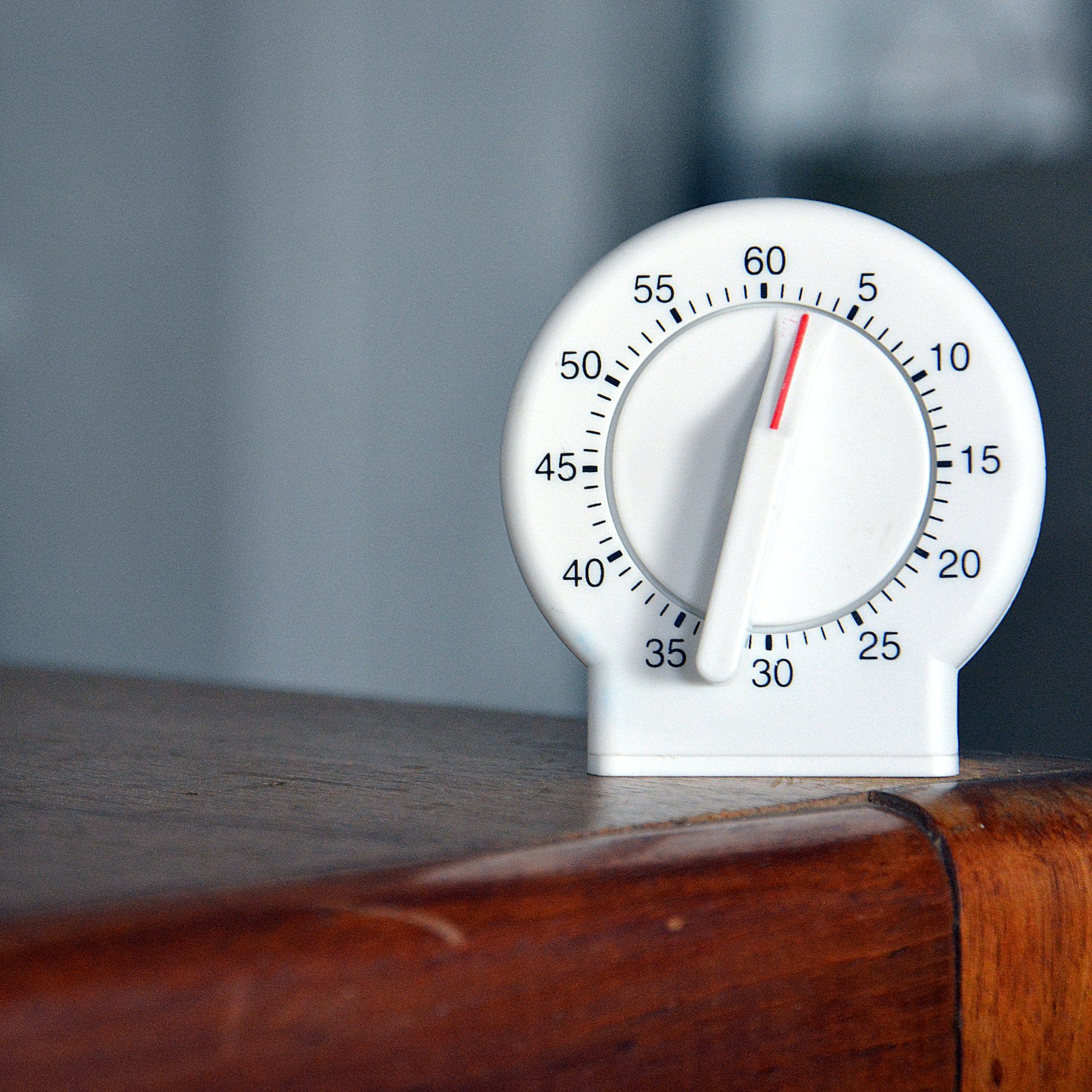
    Timer sitting on tableOne thing that podcasters need to consider is a question that will take some thought and planning. How long should a podcast be? There is no “one-size fits all” answer to that question, and this can cause your decision making about the length of your show to be complicated.

    A good way to sort out this problem is to consider some variables. Are the majority of your episodes approximately the same length of time? How often do you release your podcast? Is the cost of hosting manageable, or has the price gone higher than you would like? Do you take the time to consider the space the ads in your show will take up? 

    Consistency is key

    Fans of your podcast are expecting consistency. They trust that a new episode will regularly appear. This is true whether you release a new episode once a week, once every two weeks, or once a month. If your current schedule works for you, and your listeners keep downloading new episodes – keep doing what you do!

    What if you feel that your podcast isn’t going very well? Now might be a good time to make a change. Keep the topic and format you have been using. Let your listeners know ahead of time that you want to switch from a weekly podcast to one with longer episodes. Make it clear that the new episodes will be released every other week. Your audience will likely be willing to stick around to hear them.

    How long should your podcast episodes be?

    This question requires some context. Your podcast should be as long as it needs to be. 

    That might not sound very helpful, at first glance. Every podcast is different and unique, so there is no simple answer about exactly how long your episodes run.

    Here are some things to consider:

    What does your audience say? Your audience is your best indicator as to how long your show could or should be. By using the Audience Survey and the Advanced Statistics on the Blubrry Dashboard, you’ll definitely know when/if they start to lose interest in your show as the minutes roll past – and whether they are craving more!

    How much time do you have to record your podcast? Podcasters who make their living from their “day job” will have limited time to podcast. You might need to record your show on your days off. Podcasters who are parents of small children could potentially record their podcast while the kids are at daycare or school. Edit the audio after the kids go to bed.

    Do you have disabilities or chronic illnesses? As a person who has chronic illnesses that can hit at any moment and completely ruin my day, I sometimes lack the energy it takes to record a good episode. This is especially true for people who have illnesses that include “brain fog.” My solution to this problem is to keep the episodes to around 30 minutes.

    How much time is allotted to the ads in your podcast? There are a variety of ways to include advertisements in your episodes. Some are host-read, others are automatically placed within episodes, like with Blubrry’s Programmatic Advertising. Podcasters who include ads in their shows often are hoping to make money from those ads and will need to take heed of the length and placement of the add as they’re determining the perfect show length. And for podcasters who choose not to include ads, that’s easy! No time allotment needed.

    How high are your hosting fees? Every podcast episode needs to be on a platform that will distribute the show to the people who want to listen to it. This is going to cost the podcaster some money. If you are comfortably able to afford your hosting fees, you have nothing to worry about. However, if your income has changed or dropped, you might need to consider a smaller show and/or shopping around for a less expensive hosting plan. We offer a variety of plans, including annual options.

    Did you do NaPodPoMo? National Podcast Post Month takes place in November every year. Created by Jennifer Navarrete, the goal of NaPodPoMo is for podcasters to produce and publish one episode every day during the month of November. It is a perfect time to make shorter podcast episodes than you typically would, and can be a fun challenge!

    ____________

    Jen Thorpe wearing glasses, hat and face maskJen Thorpe has been podcasting since 2005. They are the host of the Shattered Soulstone podcast, which releases new episodes every week. When they aren’t podcasting, they are playing video games or Dungeons & Dragons.

  • Podcast Show Notes

    Podcast Show Notes

    Follow our tips on how to get your podcast show notes just right.

    Should your show notes be bullet points, or an article overview?

    You spend your precious time getting your podcast just right. The perfect audio mix, thoughtfully crafted topics and questions, snazzy intro music and a marketing plan to call in new listeners and engage current ones. All the elements are there, yet there is a question still lingering and a decision to be made before you’re fully off and running to the podcast races – how do you want to build your show notes? It’s a question every podcaster goes through at least one time during their journey, and it’s not uncommon for people to experiment and even change up their show notes as they go along and determine what feels right for them.

    First, We Must Get Clear on “show notes” in General

    There’s the general description or blurb that you write once to describe your show on platforms such as Apple and Spotify, but these are different – and they are referred to as the show description. Show notes are the description of each episode, a synopsis of what that particular episode is about. They often include a title, two to three sentences about the episode (“In this episode, we chat about …) and a brief section mentioning relevant links, resources mentioned in the episode, where to find the show, and a social media handle or website link for guests. They also could include tweetables / pull quotes, a thank you to sponsors or discount code to advertisers and other goodies you feel add value. Almost always they are either in first- or third-person, and the style of your show notes should be similar to the style of your podcast and the universe you’ve created around it. For example, is your tone playful, serious, detailed, fast paced or succinct? Is it more straightforward and fact based, or loose and conversational? This will help you determine the answer to the question, should your show notes be bullet points, or basically an article overview?

    Here are some reasons why you may choose one or the other. There is no right or wrong, it’s just more about the style of your show and what will be more sustainable for you to put out. It’s also important to think about your audience and the type of attention they are spending on notes. Is it a 1-minute quick read as they walk to work, or are they poring over the notes to reference as they listen along?

    Bullet Points

    • Great to encourage people to listen, and can pique curiosity.
    • Helpful for people just skimming the notes to see what they can expect as they’re diving into a listen or download.
    • Bullet points in your notes may be a little more mysterious and vague, not giving away the meat of your episode or spoiling everything you talked about.
    • Bullet points can drive home the important broad strokes of an episode for both you and the listeners.

    One example of a show that does bullet points in their notes is Ballard Design’s “How to Decorate” show. They create interest for teasing what you can get in the episode rather than giving it all away.

    Article Overview 

    If you find your bullet points are getting too lengthy, an article overview might be better for you. An overview is also great if you are repurposing it for a blog or newsletter, an article on Medium or another writing site. Long blocks of text that give people too much info could lead them to feel like they don’t need to listen to the podcast, so if you do opt for an article overview, you can still use the teasing structure to create mystery and interest.

    An example of a show that does a good job of show notes that are more article overview style without making them too long or overly complicated is Mike Poznansky’s “More Than a Job.”

    Whether you choose bullet points or an article overview style, you can still get in the key words and phrases that can ramp up your SEO. For more ideas on using your show notes for search engine rankings and discoverability, become a Blubrry Podcast Insider.

    ____________

    Meryl Klemow

    Meryl Klemow is a podcast writer, guest booker, and co-host of the Campfire Sht Show podcast. Meryl is a part of the Blubrry content team, and a Senior Copywriter at Podfly Productions. Say hi to Meryl on Instagram at @MerylKlemow.
  • When to Rebrand Your Podcast

    When to Rebrand Your Podcast

    Rebranding: journal with pencil of ideasNo matter where you are in your podcasting journey, there are plenty of reasons to consider rebranding your show. Perhaps the download numbers are stagnant, or you feel like you’ve said just about everything there is to say about your podcast’s topic, or your team is changing. Whatever your specific challenges are, it can be a lot easier to rebrand elements of what you’re already doing instead of starting over from scratch.


    ASSESS AND ADDRESS

    Every podcast should periodically take a close look at the overall state of their show and assess what is working and what areas could use improvement. On the statistics side, Blubrry’s dashboard can help you assess the raw numbers. The data can tell you everything from where people listen, how they listen, and what kept them most engaged.

    On the content creation side, what parts of the show do you love? Are there parts of your show that feel a bit stale? What do the other people that work on your show think? If it feels confrontational to directly ask these questions, consider sending out a confidential form so your team (or even your audience) can give you honest feedback.

    A SENSORY EXPERIMENT

    Being honest with yourself and your team about what’s working and what’s not is the first step when considering rebranding.

    A simple way to start is with a visual facelift. Hire a graphic designer to create new logos and show artwork. Use these images to create a whole new line of merchandise. Or, book a session with a photographer who can take great shots of you at the mic, with guests, or wherever makes the most sense for your show.

    Or, maybe a new sound is what your show needs. Contact your favorite musician, or post the listing on a job website, to have them create a new show jingle. Or purchase licensed music from SourceAudio and download something you love right now!

    NEW SHOW OR NEW SEASON?

    You should be able to identify a few core elements about your show that are worth holding onto. Do those elements warrant an entirely new take on the topic, i.e., a new show, or, can you treat it as the next season of the same show?

    Let’s say you host your podcast by yourself. While flying solo may have worked for a long time, you’ve always considered bringing in guests. If you have an audience that loves hearing your point of view, odds are they’re going to like the people you’d be interested in talking to as well. Your show is still essentially the same, but you’re taking a new approach by periodically adding new voices.

    Another way to rebrand is to call a change in format, tone, or topic, the “next season.” Let’s say you have a show about classic cars. You’ve interviewed people who own the coolest cars made before 1960 and you don’t really think you can talk about white-walled tires for another minute! But you would love to learn more about the rising popularity of electric vehicles. This subject shift on the same topic sounds like a great way to ‘plug in’ to a new season of the same show!

    REINTRODUCE YOURSELF

    If you’ve had a long-running podcast, you’ve grown and changed, and so has your audience. The audience you started with might be completely different today, or, your content might different and you don’t realize you actually appeal to a different audience entirely. 

    Consider re-posting old episodes with new introductions or previously unheard portions of old shows. It’s not only a great way to appeal to people who are new to your show, but it’s another way to monetize content you’ve already created.

    JOIN A NETWORK

    There are many benefits to combining forces with a network no matter how big or small. In every case, joining a network will expose your show to a wider audience. The transition to the new group is a great time to make adjustments to your show and brand. 

    LEARN FROM YOUR MISTAKES

    Your mistakes don’t define you—they help you grow! No matter what your show’s challenges are, you can build on what you’ve learned, and channel that energy into making each episode of your show better than the last. And you have the building blocks there to help you rebrand your way to the top.

    _________________________________

    Written by: Tara Jean O’Brien

    Tara Jean O'BrienTara Jean O’Brien has been a writer, actor, improviser, podcaster, and stand-up for nearly 800 years. When not producing, editing, and hosting her podcast, Single Vs. Married, or co-hosting, Cinema Craptaculus Presents: B-sides, she also writers on Medium and recently found a floor safe hidden in her coat closet.

  • Should You Start a Podcast in an Oversaturated Market?

    Should You Start a Podcast in an Oversaturated Market?

    BurstingWith a seemingly endless amount of podcasts available, should would-be podcasters, or even established podcasters, be concerned that the market for their particular show is oversaturated?

    The podcasting community has definitely grown by leaps and bounds in the past decade. Whether that’s because most of us were stuck indoors and low-key panicking for a couple of years, or because listening to podcasts makes us feel more connected to one another, it seems as if there’s a podcast that covers nearly every topic under the sun.

    No matter how many podcasts fill your favorite podcasting platform, there are plenty of reasons not to get discouraged by the prospect of an oversaturated market.

    ONCE UPON A TIME…

    For a deep dive into the history of storytelling, 19th-century writer Georges Polti theorizes that there are only 36 dramatic situations from which all stories are derived. While that initially seems brain-bendingly implausible, he’s right when stories are broken down to their essential elements. We’ve told versions of the same stories for centuries and somehow, we are still entertained or engaged.

    Take, for instance, movies set in high school. Think of your top three favorites. Are they telling the exact same story because they’re all set in a high school?

    Thinking in even broader terms. Consider your top three favorite comedy podcasts. Do those three shows make you laugh at the exact same things? In some cases – yes, they may both cover the topics of the day. But you laughed at both shows in different ways, even if they covered the same topic.

    Your take on a story or a topic is what makes it interesting.

    AUDIENCE WARM-UP

    Whether you’re considering a narrative podcast, a show about robots, or a show that already has 50 podcasts in the same category, you can set your show apart by considering your listening audience.

    Your grandma might not want to listen to your show about cryptocurrency, but your hip, retired uncle who drives a Tesla could be your No. 1 Patreon subscriber. They might be around the same age, but they sure have different interests. Is there a crypto podcast that’s not specifically geared to tech bros? Cool, older uncles with money to burn, and time to listen to podcasts, could be your untapped market.

    Getting hyper-specific about your show’s intended audience, especially in a saturated genre, is key to identifying what sets your show apart from all the others. 

    EVERYTHING OLD IS NEW AGAIN 

    Much like the stories we tell, we’ve recycled how we tell those stories for centuries. From theater to the traveling circus, to radio, to movies, to television, to YouTube, to TikTok, podcasting – and beyond – the content can vary, but the act of sharing stories continues.

    For instance, just because people have told stories of the women’s suffrage movement, doesn’t stop it from being a topic of interest. How can you tell one of these well-known stories in a new and unique way? Maybe you want to revive the feeling of an old-timey radio hour, or you want to interview women who were alive when that happened. The interest in this topic is there. What people are interested in is your unique take on the material.

    LOOKS CAN BE DECEIVING

    Another element to consider is that although the podcasting market does look oversaturated in just about every category, most podcasts flame out quickly. One study concludes that 56% of podcasts have less than 10 published episodes, and of the approximately 2.2 million podcasts available, 44% of those only have three published episodes. Just in raw numbers, if you want to be in it for the long run, the odds are in your favor.

    NEW YEAR’S RESOLUTION?

    If one of the goals on your upcoming resolutions list is to start a podcast, don’t let thoughts of an oversaturated market get you down. There’s no one out there like you and no one else who can share the content you want to share.

    When you’re ready, reach out to the rad folks at Blubrry to help get you started on firm footing for a successful, unique and long-running podcast.

    _________________________________

    Written by: Tara Jean O’Brien

    Tara Jean O'BrienTara Jean O’Brien has been a writer, actor, improviser, podcaster, and stand-up for nearly 800 years. When not producing, editing, and hosting her podcast, Single Vs. Married, or co-hosting, Cinema Craptaculus Presents: B-sides, she also writers on Medium and recently found a floor safe hidden in her coat closet.

  • Growing Your Podcast on Social Media

    Growing Your Podcast on Social Media

    From the 102k-follower content creator, Travis Brown

    Everyone has their own unique experiences that, I think, they could easily share if they just look at it through that lens of ‘I’m just sharing cool stuff with the world.’ – Travis Brown

    GrowthContent creation might seem intimidating, but all we are doing when we create content is sharing cool stuff. You’re just sharing something that you love with other people. It could be a tip. It could be a story. It could be a lesson. It could be the do’s and don’ts that keep people from being harmed. Everyone has their own unique experiences that I think they could easily share if they just look at it through that lens of, “I’m just sharing cool stuff with the world.” Then content creation doesn’t seem so intimidating!

    Why should podcasters leverage social media to grow their shows?

    1. Discoverability. I think that podcasters are at a big disadvantage from discoverability simply because people wake up in the morning and check their emails and social media, not necessarily a podcast app first. So podcasters need to be on social media because it’s where the eyeballs are. Any platforms that are high-traffic areas, whether it’s Instagram, TikTok, YouTube, any of which is another opportunity to get discovered and gain more listeners.
    2. Building your community. I would say that it’s probably the biggest opportunity for everybody is to start a ‘tribe’ or build a club, something that helps you attract the people that are gonna be your biggest supporters, future collaborators, future employees, etc.When I was at a recent podcast conference, I noticed how much the community is really such a big part of podcasting, and how much of a community we need to build around ourselves. I think that that’s where social media can tie into your podcast. Because, again, it’s a one way street! I talk through this mic, it goes to your ears. You can’t talk back to me. Right? Where can you do that? Well, you can do that on social media. So now we have this two-way conversation and we’re building community, we’re building relationships with our audience.

    Any tips on choosing a social media platform? Should people be active on one or multiple channels?

    What burns people out is that they try to be everywhere all the time. I have tried that and it didn’t work for me because you’d find yourself constantly trying to do this, that and the other thing. So my recommendation is just go to your favorite platform, whatever you like to use, and start there and just build out that platform.

    Do’s Don’ts
    • Start with your favorite platform
    • Define your targeted audience
    • Stay active on the platform 
    • Make sure link to your social media platform is visible and easy-to-find
    • Try to be everywhere at the beginning
    • Overwhelm them and paralyze them with too many options
    • Compare yourself with others
    • Expect overnight success

    You should also think about your audience too. If your audience is 70+-year-old men and you’re trying to teach them to lift weights for example, then you might want to leverage where they might be on Facebook. There are different platforms for different target audiences. So you need to ask your audience and do a bit of research. But if you don’t like using the platform, you’re not gonna go on it. Despite all of the above, the key to social media is being active, being a part of the community. It’s you using the platform. I’ve spent the last two years building my Instagram account up to over a hundred thousand followers. And I do believe that if I would’ve been trying to do all the platforms at once that I wouldn’t be as far as I am now that I have that right.

    Plus, make it easy on people so they can find you. When your audience asks where they could find you, and you say you can find me on Instagram, it’s super easy for them. But if you say you can find me on YouTube and TikTok and Instagram and whatever the next app is, they might be overwhelmed. Worse, they might not take action either. Don’t overwhelm them and paralyze them with too many options.

    We’re just trying to really get good at being a member of a community somewhere. And I think it’d be great for podcasters to keep that in mind, since they already have to keep themselves busy, get things done with content planning, preparing the show notes and inviting guests to their show.

    What kind of content do you recommend podcasters to create?

    The most successful accounts are typically the value-led ones and the really-entertaining ones. 

    If you can combine that, and sprinkle on some moments that are personal and relatable to your audience, you’ll start connecting with people on social media.

    I can tell you that video is king right now. Instagram’s pushing video. TikTok is all video. YouTube’s doing short form videos. Twitter is a little different since it’s more conversational. Twitter is the easiest kind of content that you could create in my opinion.

    It’s easy because we are just holding up your phone and talking to it on a video. We do that on FaceTime and we talk to people all the time, but for some reason when it comes to creating content, people don’t wanna do it. And that leads us to the next question.

    What if podcasters don’t like to be on video?

    If you don’t like being on video, I would consider doing something like carousel posts on Instagram, which are a series of posts that contain infographics and you can just write text on it. So let’s say your podcast is about cooking. You could create a recipe on a bunch of different slides taking them step by step on how to make risotto for example. And that becomes valuable! Maybe you talked about risotto on your last podcast episode, so you can make sure that people know that you reviewed the world’s No. 1 risotto restaurant, and they’ll be more likely to go over to actually listen to the podcast.

    However, a podcast is like sitting at the table with the host(s), except that you don’t see them and the room is pitch black. So at some point, your listeners would love to have a clue of who they’re hanging out with. And I think that’s where social media comes to where you can show people who you are. I mean, I’ve done this a million times. I’ll hear someone on a podcast and I go Google image them. I just wanna see what they look like.

    We are the guide. And our job is to give as much value as we can to our audience, you know, share some cool stuff with our audience and, you know, sprinkle in ourselves. I think that curiosity at some point peaks in every podcast fan. What does this guy look like? What does this lady look like? And it gives us a better internal representation of them. So by putting yourself out on social media, I think you give people some context clues to where they can get a little closer to you.

    More pro tips

    • Interact with other accounts and your fans on social media
    • Create value in your posts
    • Ask people questions to keep them engaged
    • Send audio messages to new followers
    • Introduce yourself and start a conversation
    • Create names for your “squad”

    A big thanks to Travis Brown for joining us this time to share his social media wisdom.