
 Starting a podcast is exciting, but one of the first questions new podcasters ask is: “Where do I actually put my podcast so people can find it?” If you’ve ever wondered whether you need Spotify, Apple, Amazon, YouTube—or all of them—you’re not alone.
Blubrry Support Analyst Dave Clements recently broke this down in a tutorial, and his advice makes podcast distribution simple and approachable.
What Is Podcast Distribution?
 Think of distribution as the bridge between your content and your audience. Without it, even the best podcast risks being invisible.
“Your podcast is a restaurant. Distribution is making sure it’s listed on all the food delivery apps — DoorDash, Uber Eats, Grubhub — so no matter where people look, they can find you,” Dave explains.
Instead of food apps, podcasts rely on platforms like Apple Podcasts, Spotify, Amazon Music, and YouTube. Without being listed, your show is like an incredible restaurant hidden down a back alley with no sign out front.
Why Distribution Matters
The short answer: audience habits.

“Some people live on Spotify. Others only open Apple Podcasts. And believe it or not, a growing number only listen on YouTube,” Dave notes.
If you’re not in those places, you’re essentially telling listeners, “Sorry, this restaurant doesn’t deliver to your neighborhood.”
 Dave adds an important reminder: “Most podcasts get discovered on listening apps — not on Google.” That means if you’re only posting episodes on your website or social media, you’re missing where most listeners actually spend their time.
The Must-Have Platforms
So where should podcasters focus their energy? Dave highlights a few essentials:
- Apple Podcasts: “The gold standard. A lot of apps pull directly from Apple’s directory, so if you’re not here, you’re missing out on potential listeners.”
- Spotify: Popular with younger audiences and international listeners.
- **Amazon Music & Audible**: “They’re quietly growing in the podcast space, and people discover shows here all the time while looking for audiobooks.”
- YouTube Podcasts: A rising force. “It’s becoming one of the biggest podcasting platforms because it’s where audiences already spend hours.”
- Other apps: Pocket Casts, Overcast, iHeart, Pandora—the list goes on. The more doors you open, the easier it is for listeners to walk in.
How Blubrry Makes Distribution Simple
Submitting to multiple platforms sounds overwhelming — different logins, forms, and processes. That’s where Blubrry comes in.
“With Blubrry, you get easy distribution to Apple, Spotify, Amazon, iHeart, and several more,” Dave says. Podcasters also benefit from:
- Analytics across platforms so you know where your audience listens
- A custom podcast website to establish a home base
- Unlimited hosting plans that let you publish freely
- And above all, “You own your content. Always. We just help you get it everywhere it needs to be.”
The Bottom Line
At the end of the day, distribution is about making your podcast easy to find. “Where should you submit your podcast? Honestly, everywhere your listeners might be. Don’t limit yourself,” Dave advises.
Your job is to create content that matters. Blubrry’s job is to make sure it gets in front of the world.
Ready to take the next step? Head over to we-moved-the-blog-to-this-site-when-we-made-a-new-website.blubrry.com/ and start distributing your podcast the smart way.
✦ Which platform do you listen to podcasts on the most? Drop it in the comments below — we’d love to know!

 Guessing who listens isn’t as useful as knowing. Blubrry’s audience surveys offer podcasters a direct window into listener demographics and preferences — no assumptions needed. Best of all, these surveys are integrated right into your Blubrry dashboard and often feature in your media kit — which is refreshed daily — all you need is around ten responses to get started. Whether it’s age ranges, listening habits, or feedback on favorite episodes, this data helps you fine-tune content and marketing strategies.

 Blubrry’s Advanced Stats let you compare episodes side by side, so you can see patterns in your audience’s behavior. Are your newer episodes holding attention better than older ones? Does releasing on a certain day lead to more complete listens? These insights let you refine your release schedule, format, and even promotional strategy.
 If you’re serious about growing your podcast — or proving its worth to potential sponsors —
 One of the biggest challenges in podcasting is knowing who’s listening and how they engage with your content. Blubrry offers analytics that are
 Analytics help you make intentional moves. Spot retention drop‑off points and tweak episode length or structure. See where new listeners are tuning in geographically, and develop content tailored to those regions. When you align your show to evidence, you’re not just guessing; you’re creating content that performs. For advertisers, this means confidence in your audience and message reach.
 Whether you’re just starting or already climbing the charts, accessible and precise analytics matter. New podcasters benefit from understanding listener habits early on. For mid‑level creators, data can highlight growth areas or weaknesses in retention.
 Of course, the challenge is finding the right shows—and getting booked on them. That’s where Blubrry Podcasting’s
 Ever upload a new podcast episode, cross your fingers, and hope the download numbers climb? You’re not alone — but you don’t have to leave growth to chance. According to Dave Clements, Blubrry’s longtime support analyst, “Podcasting feels personal, but growth is math. Without data, you’re guessing — ‘I think people liked that guest?’
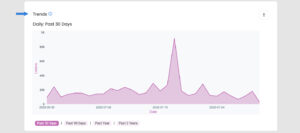 Start with the Recent Episode Stats panel. This provides a snapshot of how your latest batch of episodes is performing, including total downloads over the past 30 days, the number of episodes included, and your global ranking. “That context helps you set smart growth goals and not sweat the small spikes or dips,” Dave explains.
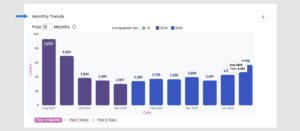 Beyond episode snapshots, look at long-term trends. The 30-day daily graph gives you heartbeat-level insight, showing spikes from promotions or guest appearances. The Monthly Trends chart zooms out even further, letting you spot seasonal patterns, format shifts, or long-term growth.
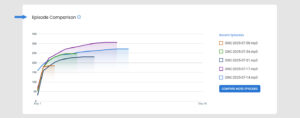 Want to know which episodes really connected with your audience? Use the Episode Comparison tool to line up shows side by side and compare performance. For a deeper look at listener behavior, check out Average Daily Plays.
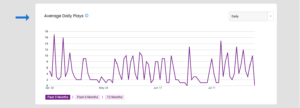 “That chart helps you see if an episode keeps pulling listeners long after launch—hello, evergreen content!” says Dave.
 The Estimated Audience panel breaks downloads into unique listeners and loyal subscribers. “If subscriber counts lag behind total listeners, remind casual fans to follow in-app,” Dave recommends.

 “A podcast is more than episodes; it’s a weekly (or daily) handshake with your audience,” Dave explains. “That intimacy builds trust faster than any headline or selfie ever could.”
 “Tools like transcripts or AI-generated social snippets inside our dashboard help you push that same voice onto blogs, reels, and newsletters—no copy-paste fatigue,” Dave notes.
 “Data isn’t just numbers; it’s feedback on you,” Dave reminds us. “Dive into your analytics—download trends, listener geography, even episode-level retention.”

 You might start your show as a creative outlet or personal project, and Blubrry’s Standard plan lets you do just that, affordably and flexibly. When you’re ready to upgrade to more advanced analytics,

 Let’s face it: your web host probably wasn’t built to handle podcast syndication. That’s why Podcast Mirror exists. It’s powered by Blubrry’s robust infrastructure, built for podcasters by podcasters. It acts as a smart middle layer between your PowerPress-powered site and the apps that distribute your show.