Category: Tips

  • Your Valuable Home: A Tried and True Podcast Turns 12

    Your Valuable Home: A Tried and True Podcast Turns 12

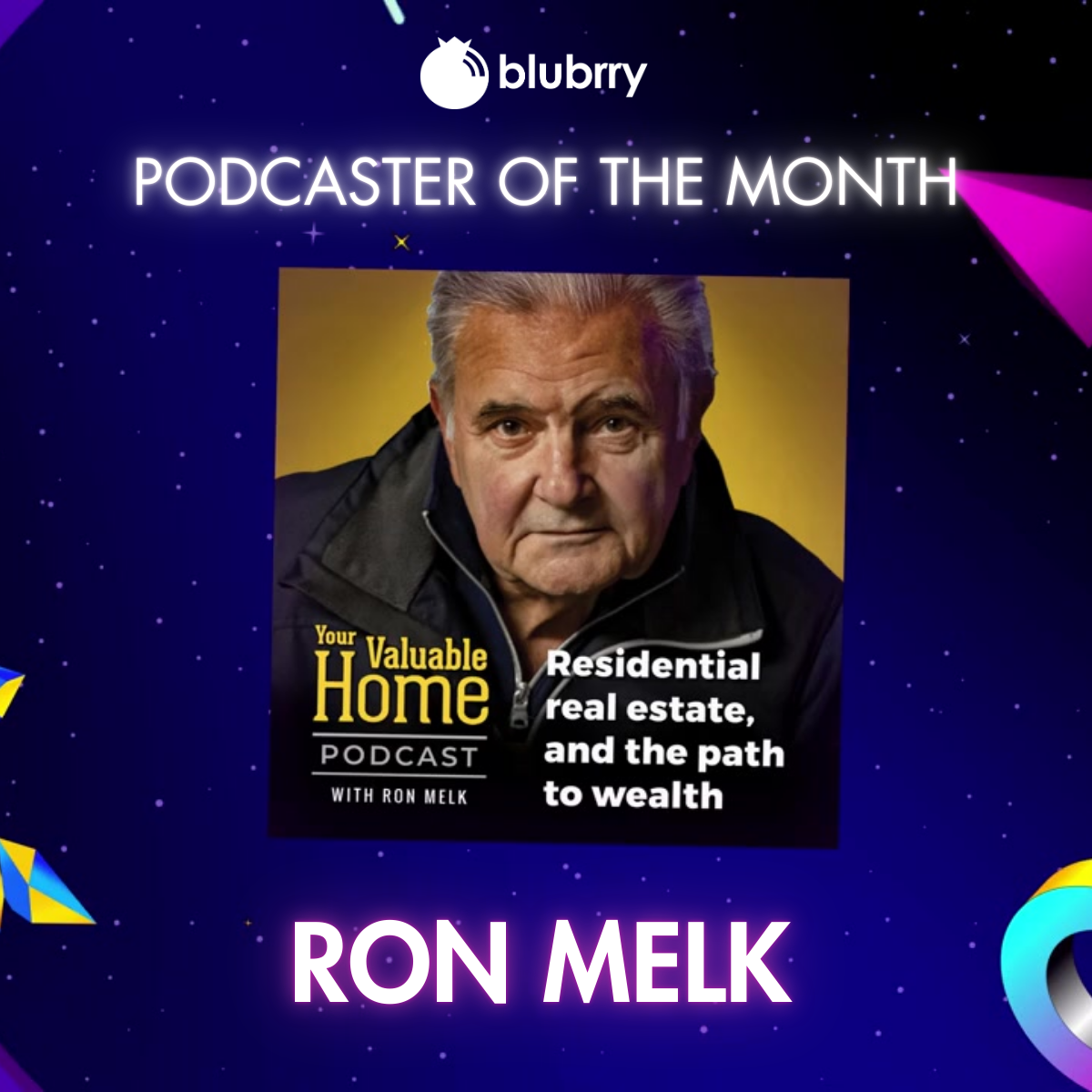
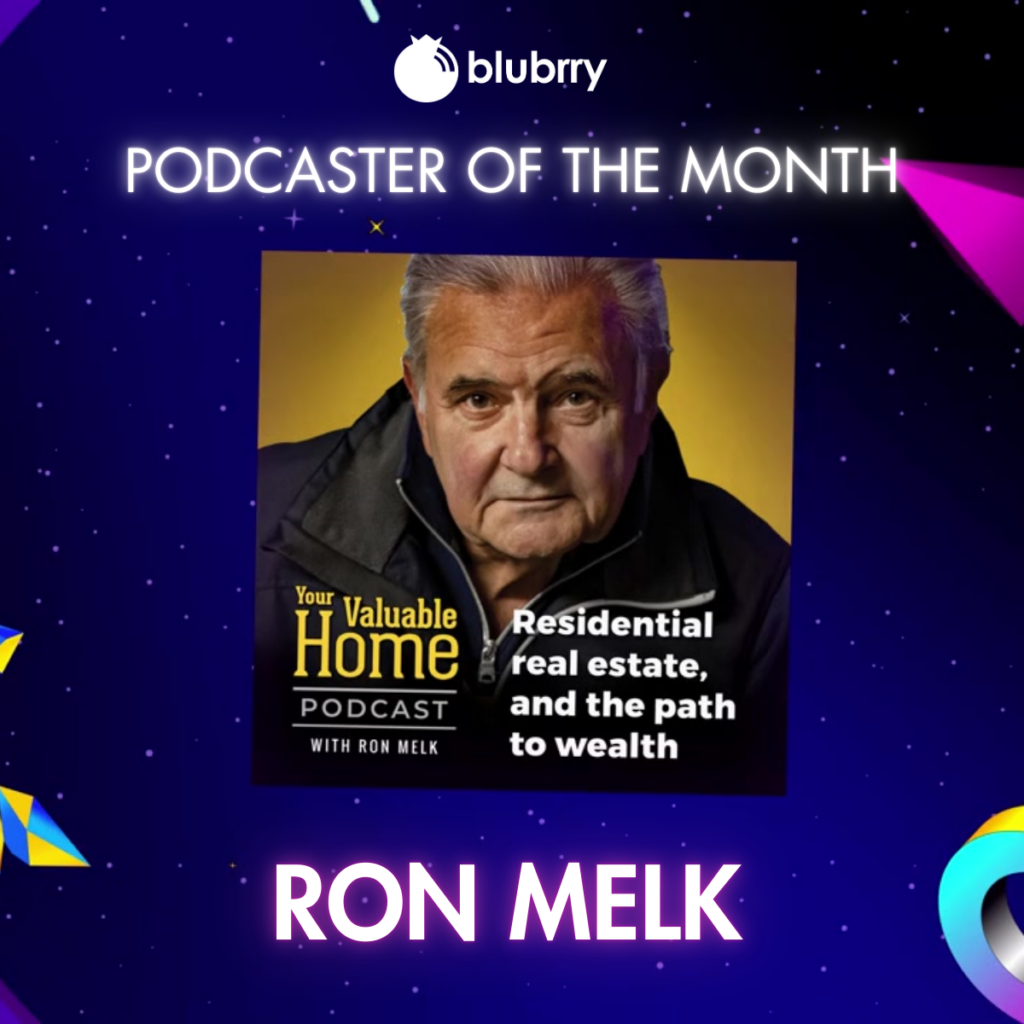
    Your Valuable Home with Ron Melk.
    Your Valuable Home with Ron Melk.

    The new year is an invaluable time to reinvent yourself, your podcast . . . and even your home. And that’s precisely what our February Podcaster of the Month has undertaken. The Your Valuable Home podcast has been a trusted resource for homeowners and real estate investors for over a decade. Hosted by experienced, inquisitive interviewer and producer Ron Melk, the show combines home improvement best practices with homeowner horror stories and interviews with experts on everything from resilient home construction to emerging energy sources, (solar, wind, hydrogen, nuclear) to saving 1,000,000 acres of protective salt marsh.

    Now, with veteran cohost Kevin Kennedy departing to devote more time to his business, Melk is ready and set for a healthy rebranding. With a strong focus on helping listeners build wealth through real estate and make the most of their communities, Your Valuable Home is excited to announce its refresh.

    The podcast’s unique approach includes weekly horror stories that serve as cautionary tales, helping listeners avoid common home improvement pitfalls. Once a month, the show features the “Bad Guy Bulletin” in partnership with the Bucks County PA District Attorney’s Office and Bucks County Consumer Protection Weights and Measures, addressing scams targeting homeowners.

    “We rounded out 2024 with the Top 5 of ‘24 in terms of plays/downloads and the inspiring, spectacular story of the rejuvenation of a historic Philadelphia mansion – a two-part podcast for the last week of January and first week of February 2025,” Melk said. “This kicks off a new year of our trademark content.”

    Check out our Q&A with Melk!

    The horror stories are one of the most intriguing aspects of Your Valuable Home. What are some of the most common horror stories you hear in housing and what are a few quick tips to avoid them?

    We do a Horror Story a week. They’re not difficult to identify. With little to no regulation in the home improvement space, nearly every homeowner who has ever worked with a “contractor” has a horror story. In some cases, the stories involve shoddy work because of a lack of knowledge/expertise. In other cases, they’re the result of fraudulent behavior.

    The most egregious Horror Stories involve contractors demanding much more up-front money than allowed by law, inferior construction, walking off a job never to return.

    Simple tips on how to avoid Horror Stories:

    • Never select a contractor at random. Get reliable references from relatives/friends about a project that is similar to the one you have in mind.
    • Ask to visit a project the contractor did five or more years ago.
    • Verify the length of time the contractor claims to have been in business by checking the date the contractor was licensed or registered in your state.
    • Check with your local township for disquieting reports on the contractor.
    • Never advance more money – especially not cash – than the law allows.
    • Demand a description of the work, verification of adequate liability insurance, and have the contractor document the cost and the schedule in a detailed, written estimate.

    The third week of every month, the Horror Story segment becomes the Bad Guy Bulletin. Marc Furber from the Bucks County, P.A., D.A.’s office and/or Mike Bannon from Bucks County Consumer Protection, Weights and Measures join the podcast to report on in-person, telephone and digital scams and shakedowns intended to get homeowners – most often seniors – to part with their hard-earned money. In the past, Kevin and I both uncovered Horror Stories, and he and I often contributed leads for the Bad Guy Bulletin.

    Going forward, we’re going to develop a relationship with a respected high-volume contractor(s) or distributor(s) to address home improvement best practices and Horror Stories. Marc Furber and Mike Bannon will continue to contribute to the Bad Guy Bulletin.

    BTW, we never mention names.

    Your podcast is celebrating an impressive 12 years of offering valuable insights to homeowners and real estate investors. Can you review for us the branding refresh, and how do you envision it enhancing your connection with your audience in 2025?

    The branding refresh will involve a totally new opening (new music, new scripting that highlights the reasons why Your Valuable Home has enjoyed an 11-year run and counting and a broad collection of quick, pointed testimonials from subject experts, many of whom have been interviewed by me in the show’s ½-hour Featured segment, as well as testimonials from listeners (males and females from diverse geographies).

    The refresh will emphasize our mission: to empower our listeners (largely homeowners and residential real estate investors) with knowledge that enhances their lives, helps them build wealth with real estate and make the most of their communities. Your Valuable Home has a “don’t do it yourself” philosophy about home improvement, and we believe in buying and holding to build wealth.

    We’ll support the refresh with publicity and social media activity (to include mention of the Blubrry Podcaster of the Month Feature, etc., etc.).

    Incidentally, subject experts are chosen for our Featured segment largely on the basis of…

    1. The relevance of their topic to the Your Valuable Home audience.
    2. How many plays/downloads a previous show(s) containing their interview(s) received.

    With Kevin focusing on his home improvement business, how has stepping into the dual role of producer and host reshaped how you approach the show’s content and interviews?

    The dual role is nothing new. I’ve been producer and co-host for roughly 10 years. It’s an exciting time; an opportunity to emphasize what I believe are the reasons up to 90% or more of our listeners stick with Your Valuable Home podcasts through 75% or more of each release. All of our content is guided by analyzing the data generated by we-moved-the-blog-to-this-site-when-we-made-a-new-website.blubrry.com/ and listener feedback.

    BTW, we will periodically be adding an 8- to 10-minute interview with Caroline Blazovsky, America’s nationally recognized Healthy Home Expert. 

    Your episodes balance practical home improvement advice with the horror story segment. How do you select the stories to feature?

    The restored Nazarian House kitchen

    Beginning in 2025, the first segment of each podcast Home Improvement Best Practices) will be populated with interviews with dealers and contractors. At least once a quarter, this segment will consist of a 15-minute interview with a ProVia product expert. Also, the Featured segment, which is a differentiator for Your Valuable Home, will continue to include subject matter experts in real estate, energy, architecture, insurance, residential investment properties, land conservation, etc., etc. Many of these will be experts with whom I’ve developed relationships over a period of years.

    Do you reach out to your guests or do they come to you . . . or both?

    It works both ways. For the Home Improvement Replay, Kevin would largely reach out to his customers. I hope to expand on that to include high-volume contractors and re-position the Replay segment as being more about home improvement best practices. In terms of the weekly Featured segment, I personally have done roughly 500 one-half-hour interviews with subject experts. I’ve come to know them well and vice versa. They are eager to participate and return year after year.

    The weekly show starts with testimonials from individuals who have benefited from listening to Your Valuable Home and acted on the advice. How were you able to cultivate those testimonials?

    Your Valuable Home has been very fortunate in obtaining testimonials from listeners as well as from subject matter experts. In fact, we’ve obtained 20+ so far for the brand refresh – so many that I’m considering show openings that alternate.

    Real estate trends have shifted dramatically in the past few years. How are you addressing the challenges of rising interest rates, housing shortages, and sustainability in your upcoming episodes?

    This is a question that could warrant a lengthy answer. I’ll keep it brief. We stay on top of the U.S. real estate market with an annual Real Estate RoundUp (reports from realtors in 10 to 12 key markets around the country and an expert in residential investing). We also report on market studies undertaken by the National Association of Realtors and an internationally renowned researcher, Wendall Cox. Wendall has identified restrictive land use practices as a key contributor to the high cost and tight availability of housing in the U.S. and other developed countries. We’re one of a few media outlets that talk about restrictive land use as one of the reasons for the high cost of residential real estate.

    Your Valuable Home also advocates for more resilient construction methods to mitigate damage from natural disasters. The cost of rebuilding the same old way keeps pushing up the cost of homeowner’s insurance, which, in turn, increases the overall cost of owning a home.

    You’ve mentioned plans for a surprise segment in 2025. Without giving too much away, can you share what inspired this new addition and how it will align with your mission of helping homeowners and investors build wealth?

    Caroline Blazovsky

    We will be adding an 8- to 10-minute interview with Caroline Blazovsky, America’s nationally recognized Healthy Home Expert, to a number of episodes to be determined by sponsorship support.

    The addition of Caroline was inspired by her knowledge, our friendship and her popularity. Her segment won’t necessarily help our listeners build wealth, but it will help them stay healthy. Family health is a topic that interests our listeners. We recently did a Featured interview on Medicare Advantage, which scored near a record number of plays/downloads.

    Partnering with renowned subject experts has been a hallmark of Your Valuable Home. What has been the most memorable or surprising expert insight shared on the podcast, and how did it resonate with your audience?

    There have been many. For example, The Danger in Dead Trees with a well-known arborist and municipal attorney, How America Will Power Itself Going Forward (wind, solar, hydrogen, nuclear) with subject experts from the U.S., DOE. The Hurricane-proof House with a well-known architect, the massive effort to preserve 1 million acres of U.S. Atlantic Coast Salt Marsh with a subject expert from the PEW nonprofit, etc., etc. According to numbers of plays/downloads, all of these featured interviews and more have resonated well with our listeners.

    Your sponsor, ProVia®, and an association with we-moved-the-blog-to-this-site-when-we-made-a-new-website.blubrry.com/ and subject experts have been instrumental in your podcast’s growth.

    How have these collaborations shaped the success and quality of Your Valuable Home?

    ProVia® provides the fuel and some of the content that keeps Your Valuable Home rolling in a positive direction. Their products and people are without a doubt exceptional. Blubrry provides the distribution and metrics we need to guide the Your Valuable Home content offering. Their responsiveness is refreshing. Finally, we greatly value our relationships with the Bucks County, PA DA’s office, Bucks County Consumer Protection Weights and Measures and subject experts in many disciplines from across the country.

  • When is It OK to Build on Another Person’s Property?

    When is It OK to Build on Another Person’s Property?

    As the podcast industry has evolved, the question of where to build your podcast’s presence has become increasingly complex. Blubrry CEO Todd Cochrane has long espoused the importance of owning your brand entirely and warned of building your show on platforms that can take control of them — or even take them away. However, while the fundamental principle of maintaining control over your content remains crucial, the modern podcasting ecosystem requires a nuanced approach.

    “I have always warned podcasters about signing with an often-free hosting service that essentially takes over the rights to their show,” Cochrane explains. “That’s still true, but let’s face it, you want exposure for your show and you want it to be seen in the spaces where the audiences go.”

    He noted that Blubrry’s hosting plans make submitting podcasts to top directories such as Apple and Spotify easy, while hosting with the security of Blubrry.

    The Historical Context

    Importance of Podcast MarketingFor years, podcasters have faced a significant dilemma: the allure of “free” hosting services that often came with hidden costs — some through lost monetizing opportunities but primarily the potential loss of content rights and creative control. Many creators learned this lesson the hard way, losing their hard-earned content and audience to platforms prioritizing profit over creator rights.

    “At Blubrry, we are adamant about the podcasters maintaining their show’s brand and rights,” Cochrane said.

    The Current Landscape

    However, today’s podcasting environment presents a delicate balance between visibility and control. While major directories and platforms offer unprecedented reach, they also come with strict content guidelines that can sometimes result in unexpected show removals or restrictions.

    “Certainly, podcasters will want to host with a credible company such as Blubrry, and distribute their shows to the larger directories,” Cochrane said.

    Finding the Right Balance

    two sided scaleThe solution lies in adopting a hybrid approach:

    • Maintain primary hosting with a creator-first platform like Blubrry, ensuring complete ownership and control of your content
    • Strategically distribute your content to major directories for increased visibility
    • Keep your RSS feed under your control, allowing for quick pivots if needed
    • Understand platform guidelines while maintaining your authentic voice

    Content Guidelines and Freedom of Expression

    While Blubrry stands firmly against hate speech and content that violates constitutional freedoms, we recognize the importance of protecting legitimate expression. The key is finding the balance between responsible content creation and avoiding overly restrictive censorship that might stifle important voices and perspectives.

    The Smart Approach

    Today’s successful podcasters understand that building on another’s property isn’t inherently wrong — it’s about how you do it. By maintaining control of your content through independent hosting while leveraging major platforms for distribution, you can maximize your reach while protecting your rights as a creator.

    Remember: True independence in podcasting comes from maintaining control of your content while strategically utilizing available distribution channels to grow your audience. Hosting with Blubrry Podcasting is the best way to build your show and keep your brand in-house!

  • Gobble Up More Free Time This Thanksgiving with Blubrry PAI

    Thanksgiving turkey 24As the U.S. Thanksgiving rolls around, we’re all gearing up for the yearly ritual of overindulging in turkey, mashed potatoes, and of course, pumpkin pie. But in case you haven’t heard, there’s a new kind of pie that could make your holiday season even sweeter. That would be our Blubrry PAI (pronounced “pie”), your AI-powered podcast tool that’s here to dish out scrumptious helpings of productivity and free up your time. That means you can spend it enjoying the feast with family and friends!

    Those who are familiar, know that Blubrry PAI is part of the Thrive Bundle add-on. But wait, there’s more! By popular demand, we’ve made some changes that make planning, producing and promotion your podcast even easier. 

    Blubrry hosting customers, have you indulged in PAI yet? Existing customers are given five test runs of each feature offered in the podcast AI tool! 

    A New Kind of Pie for Podcasters

    Imagine if instead of struggling to create podcast content during the busy holiday season, you could slice off that work like a piece of leftover turkey. With our podcast AI tool, you’ll feel like you’ve been handed the secret family recipe for effortless podcasting. It’s designed to save you hours in content planning, production, and promotion, making it as essential to your Thanksgiving prep as the cranberry sauce.

    Planning: Stuff Your Episodes with Rich Content

    PAI upgradesWe all know that the right planning can turn a good Thanksgiving dinner into a feast to remember. Blubrry PAI is your trusty sous-chef for podcast planning, helping you cook up episodes that are as irresistible as Grandma’s stuffing.

    • Topic Suggestions: Just like finding that perfect side dish, Blubrry PAI serves up topic ideas tailored to your niche and audience. No more scratching your head for inspiration; this AI tool plates up topics that will have your listeners coming back for seconds.
    • Guest Recommendations: Don’t have time to find the right guest? Blubrry PAI can suggest potential guests who’ll add that extra flavor to your show, like the perfect blend of herbs in your Thanksgiving gravy.
    • Interview Questions: Prepare for interviews with ease, as Blubrry PAI whips up thoughtful and engaging questions, taking your episodes from bland to five-star status.

    Production: Serve Up a Polished Podcast

    Once you’ve got your podcast planned, it’s time to dive into production. Think of Blubrry PAI as your personal kitchen assistant, handling the prep work so you can focus on enjoying the creative process.

    • Show Notes & Summaries: Like a savory gravy that ties the whole meal together, Blubrry PAI creates concise show notes and summaries that make your content easily digestible for listeners.
    • Title Suggestions: Struggling to find a catchy title? Blubrry PAI offers up title ideas that are as appealing as the first bite of pumpkin pie.
    • Transcripts: Every podcast episode deserves a side of accessibility. Blubrry PAI provides full transcripts, ensuring your content reaches every listener.
    • AI Album Art: Need a delicious visual to pair with your podcast? Blubrry PAI can generate eye-catching album art to make your show stand out like a golden-brown turkey centerpiece.

    Promotion: Share Your Podcast Feast with the World

    What’s a Thanksgiving feast if you don’t share it? Blubrry PAI takes your podcast from the dinner table to the world stage, helping you serve up your content to listeners far and wide.

    • Social Media Posts: Whether it’s a fun clip or a mouth-watering episode teaser, Blubrry PAI drafts social media posts that help you get the word out, faster than Aunt Sue can pass the mashed potatoes.
    • Email Suggestions: Don’t leave your audience hungry for updates! Blubrry PAI crafts engaging email content that keeps your subscribers in the loop and craving more.
    • Highlight Clips: Give your listeners a taste of the best moments from your podcast with highlight clips. It’s like sending them home with a slice of the best pumpkin pie they’ve ever had.

    Savor More Time with Family

    With Blubrry PAI handling the heavy lifting, you can finally savor the Thanksgiving holiday without stressing over your podcast. Picture this: while Blubrry PAI is busy perfecting your episode behind the scenes, you’re free to relax, watch the parade, or enjoy that second helping of stuffing (no judgment here).

    Instead of Pumpkin Pie, Make It Blubrry PAI

    Thanksgiving football 24This Thanksgiving, we invite you to try a different kind of pie — one that frees you from time-consuming tasks and helps you create better podcast episodes, faster. It’s the ultimate side dish to your podcasting main course, ensuring you have plenty of time left to enjoy the holiday.
    So go ahead, treat yourself to Blubrry PAI, and spend more time with family — maybe even watching those classic Lions and Cowboys games around the big screen. It’s the pie that keeps on giving, all year round. With features that help you plan, produce, and promote like a pro, you’ll find yourself with more time to indulge in what really matters: overstuffing yourself on turkey, laughing with loved ones, and sneaking that extra slice of dessert.

    Happy Thanksgiving from all of us at Blubrry Podcasting — we hope you feast on success, delicious content, and – with Blubrry PAI – even a little extra time for pie.

    Try Blubrry PAI today and see just how sweet it can make your podcasting life. 🥧Need to know more? Check out our simply sumptuous hosting plans.

  • Plan Ahead for Holiday Listeners and Growth

    Plan Ahead for Holiday Listeners and Growth

    Be consistent during the holidaysAs the holidays approach, podcasters may wonder if they should take a break from their show or push through the festivities with fresh content. While it’s natural to consider taking time off, especially when family and relaxation are calling, it’s important to remember that consistency in podcasting can be a game-changer for your show’s growth — especially during the holiday season.

    Why Consistency Matters in Podcasting

    Consistency is key when it comes to building and retaining an audience. According to a recent survey by Edison Research, 41% of the U.S. population over the age of 12 listens to podcasts every month. Of those listeners, the majority are tuning in weekly, with many making podcasts a part of their daily routine. This shows that podcast fans crave regular content, and many rely on it as part of their entertainment or educational habits.

    By maintaining a consistent publishing schedule, even during the winter holidays, you’re signaling to your audience that they can rely on you. Regular uploads help build trust and strengthen the relationship with your listeners. And trust is the foundation of a successful podcast.

    Holiday Listeners: A Silver and Golden Opportunity

    It’s easy to assume that podcast listenership might drop during the holidays when people are busier with shopping, traveling, and spending time with loved ones. However, statistics show otherwise. Data from Nielsen indicates that podcast consumption often remains stable or even increases during the holiday season. In fact, many people take the opportunity during holiday travel or downtime to catch up on their favorite shows or explore new ones.

    People are looking for engaging content while driving to see family, flying across the country, or simply unwinding at home with a warm drink. A 2023 report supported by our own data revealed a 5-10% increase in downloads during the Thanksgiving to New Year period, with Dec. 15-Jan. 30 as the biggest subscriber pickups. The reason? With more free time, listeners are exploring new genres and diving into podcasts they might not have time for during their usual busy schedules.

    This is a fantastic opportunity for podcasters to attract new listeners who are sampling different shows while they have a bit more time on their hands. If you go silent during this period, you could miss out on connecting with potential fans who are actively looking for fresh content.

    Consistency Without Sacrifice: The Power of Planning Ahead

    The good news is that maintaining consistency doesn’t mean you have to sacrifice your holiday break. With a bit of planning, you can keep your podcast active without being tethered to the microphone during family gatherings or holiday festivities.

    Here are some strategies to help you stay consistent and make the most of the holiday season:

    1. Batch Record Your Episodes: Take a weekend before the holidays to batch record several episodes. This way, you can schedule them in advance and have a stress-free holiday knowing your content is still going live as planned.
    2. Revisit Popular Past Episodes: If recording new content feels overwhelming, consider re-releasing some of your most popular episodes from the past year. Add a brief new introduction or commentary to give it a fresh spin.
    3. Plan Special Holiday Content: Think about creating a themed holiday episode or a special message for your listeners. It’s a great way to engage with your audience and show appreciation while keeping things light and festive.
    4. Schedule Everything in Advance: Use podcast scheduling tools to set your episodes to go live at your regular time, even if you’re away. Platforms like Blubrry’s hosting service make it easy to upload and schedule episodes in advance, giving you peace of mind.

    Engage With Your Audience During the Holidays

    In addition to scheduling your episodes, don’t forget to stay engaged with your listeners on social media. You don’t have to be glued to your phone, but scheduling a few posts in advance or checking in occasionally can keep the conversation going. Share what you’re listening to, ask your audience about their favorite holiday traditions, or simply wish them a happy season. Also, remember the power of just saying “Got your message, will reply ASAP” to acknowledge that you’re paying attention to your fans.

    Consistency Creates Momentum

    Consistency isn’t just about meeting your current audience’s expectations; it’s also about building momentum. Regular episodes, even during quieter times like the holidays, contribute to your show’s growth in podcast directories. Podcast algorithms, such as those used by Apple Podcasts and Spotify, tend to favor shows that publish new content consistently. This can help boost your visibility and make it easier for new listeners to discover your show.

    Planning Ahead Makes It Possible

    Ultimately, it’s about striking the right balance. You don’t need to work through the holidays to keep your podcast on track—you just need a solid plan. By batch recording, scheduling, and using past episodes, you can enjoy your break while maintaining your audience’s trust and engagement.

    So as you prepare for the holidays, take a moment to map out your podcast schedule. With a bit of foresight, you can stay consistent, reach new listeners, and come back refreshed and ready to dive into the new year.

    Happy podcasting and happy holidays! And remember, as the new year approaches, it’s a great time to expand and grow your show. Our hosting plans, time-saving features and support team can help.

  • Full Disclosure: The Power of Unedited Audio

    Full Disclosure: The Power of Unedited Audio

    The power of full discourse. Election season is over. And, whether your cause or candidate won or not, everyone can agree that there is a great relief that we no longer have to view or listen to those mind-numbing, quick videos and/or soundbites that tell viewers and listeners what the candidate or advocate wants us to think. 

    Sure, attention spans are shorter than ever, thus there’s a growing trend of distilling conversations into bite-sized soundbites. It’s especially prevalent in the media today, where a well-placed phrase or a catchy rebuttal is often wielded as a weapon to frame debates, influence opinions, and, at times, distort the complete picture. 

    But what if, as podcasters, we chose a different path? By publishing unedited versions of interviews, podcasters can offer something increasingly rare: the unfiltered, uncut truth of a conversation. The decision to publish unedited audio can lend credibility to your podcast, help clarify the person being interviewed, and resonate with an audience hungry for authenticity.

    Creating a Space for Real Dialogue

    When it comes to controversial or deeply nuanced subjects, editing can unintentionally or intentionally obscure context, skew intent, or fail to capture the subtle nuances in someone’s answer. Publishing the full version of an interview allows listeners to hear both the direct answers and the pauses, hesitations, or explanations that are often edited out for brevity. These moments often reveal insights into the guest’s character and thought processes. Did they pause before answering a tough question? Did they stumble while addressing a challenging topic? These “unpolished” moments can provide a richer, more comprehensive understanding of a person’s perspective.

    Building Trust Through Authenticity

    One of the most effective ways to establish credibility as a podcaster is to show a commitment to authenticity. When listeners know that they’re getting the entire conversation without edits, they trust the host more. This trust extends beyond the individual episode – it becomes part of the podcast’s identity, fostering loyalty among listeners who value transparency.

    In a world where sensationalism often overshadows substance, providing a platform for open and unfiltered dialogue can set a podcast apart. Even if the interview stretches on longer than usual, listeners appreciate the opportunity to form their own opinions, untainted by the selective editing that often dominates media narratives. Over time, audiences begin to associate the podcast with honesty, which is especially valuable in a climate of misinformation and “fake news” accusations.

    Dispelling Misinformation with Full Context

    When someone’s words are clipped, it’s easy to miss the original meaning or, worse, to misinterpret it. Shortened soundbites often lack the crucial context that gives a statement its true significance. In contrast, an unedited interview gives listeners the chance to understand the complete perspective of the interviewee. Instead of relying on select phrases that fit a particular narrative, listeners hear every word, making it harder to take statements out of context or twist them to fit a predetermined agenda.

    Debates, news cycles, and social media trends thrive on short, easily digestible statements. However, these snippets don’t often tell the full story. By embracing longer, unedited formats, podcasters give their audience the whole story, reducing the chance for misunderstandings and promoting critical thinking. In this way, unedited interviews become a powerful tool for countering the effects of selective messaging.

    Reclaiming Attention for Meaningful Conversations

    In our age of shortened content, there’s a tendency to shy away from longer, more complex interviews. However, not every listener is seeking brevity; some prefer in-depth exploration over surface-level analysis. Long-form, unedited interviews challenge the quick consumption mindset and attract an audience willing to invest their time in meaningful conversations. This shift in focus can help foster a more thoughtful, engaged listener base, one that values depth and insight over quick takeaways.

    By choosing to post unedited conversations, podcasters tap into this demographic, one that’s often overlooked in a world obsessed with efficiency. These listeners understand that meaningful dialogue can’t always be condensed into 30-second clips, and they appreciate the podcast’s willingness to provide substance over convenience.

    The Choice to Keep It Real

    Ultimately, the decision to publish unedited audio shows a dedication to journalistic integrity and respect for the audience. While edited interviews can be concise and punchy, unedited versions give a more honest portrayal of the guest’s ideas, allowing listeners to draw their own conclusions. This approach creates a direct line from the guest to the listener, bypassing the host’s or editor’s influence and ensuring that the audience receives an unfiltered representation of the conversation.

    This raw, honest approach also holds the interviewer accountable. Knowing the conversation will be released unedited, the interviewer may feel more inclined to ask balanced, open-ended questions, fostering a respectful and genuine dialogue. This mutual commitment to transparency benefits the interviewer and the interviewee, reinforcing the podcast’s dedication to authenticity and helping to build a reputation grounded in trust.

    In an era where quick soundbites often distort the message, unedited podcast interviews offer a platform for in-depth conversation, clarity of intent, and the chance to truly understand the person behind the words. For podcasters willing to go the extra mile, releasing full-length interviews can be a powerful way to stand out in a crowded media landscape and build lasting credibility. Whether the subject is political, personal, or just plain interesting, embracing unedited content speaks to an audience tired of selective narratives and hungry for real, meaningful dialogue.

  • It’s Shocking! It’s Horrifying! It’s Good Storytelling!

    It’s Shocking! It’s Horrifying! It’s Good Storytelling!

    “It was a dark and stormy night . . .” Wait, scratch that! Been there, done that, like, a million times. Not all podcasters aspire to be storytellers and, sadly, a lot who do aren’t that great at it. So if you’re a storyteller or a wannabe, this blog is for you. And, hey, even if your show isn’t story-based, you might find these tips frighteningly fruitful. 

    In this spooky season of long-held secrets and shuddering scenarios, we’re ready to sit you down in our dimly lit room and shine a spotlight on the terrifying truth. If your audience isn’t growing as you hoped, it could be because your podcast is dreadfully . . . dull! But don’t fear! We’re here to help you craft a spine-chilling, captivating show that leaves listeners ‘preying’ for more.

    A recent Podnews article titled Podcasting isn’t a Technology Problem offered some grim observations. A deep dive into session topics at recent podcast conferences unearthed that there is little emphasis on the art of telling an edge-of-the-seat story. The horror! You can have all the best tools – high-tech, figurative chain saws, sealed rooms, bolted doors and windows – but if the story stinks, your podcast probably does too, allowing your audience to escape.

    Thus in keeping with the sinister season, we at Blubrry grabbed our bonafide wooden stakes, holy water, salt, iron and silver bullets to fight the blight of banality and purge the persistent problem plaguing podcasters – the Beast of Boredom. 

    Let’s try to do better!

    “The darkness swallowed the sky. It didn’t simply descend,  rather it blackened the night with blue-gray-black clouds roiling like ghostly predators preparing to pounce. Lightning broke the air and thunder shook the earth as tree branches quivered in fear. Sitting on the porch, the old man rocked, his dark skin etched and his white hair betraying a life of pain and peril.”

    Better? Maybe a little?

    Whether you’re into Halloween or not, when you’re telling a story on your podcast, these tips can improve your podcast and hold your audience hostage:

    1. The Power of Suspense: Practice building tension to keep listeners on the edge of their seats and practice pacing to create the ambiance in podcast storytelling.
    2. Crafting Eerie Atmosphere with Sound: Explore the importance of sound design in podcasts, from creaking doors to whispered voices, and how audio cues can enhance the fear (or any other) factor. For starters, your podcast’s intro music (if you use it) can set up the vibe for your show or a specific episode right from the get-go.
    3. The Unreliable Narrator: Use deceptive storytelling techniques that leave your audience questioning what’s real and what’s not, creating a sense of unease.
    4. Cliffhangers that Haunt: Cliffhangers are a must in scary stories! Fall head-first into crafting them so they linger in listeners’ minds long after the episode ends.
    5. Mysterious Characters that Lurk in the Shadows: Develop characters with hidden motives or supernatural traits, and experience how ambiguity can create a haunting effect.
    6. The Art of the Twist: The role of shocking plot twists in horror storytelling is imperative! Dissect how to execute them for maximum impact, leaving listeners stunned or chilled.
    7. Playing with Time and Reality: Try techniques that create non-linear narratives or play with alternate realities and dreams to add an eerie, disorienting feel to a story. For instance, perhaps there could be an out-of-context “cold open” edited into the intro of an episode. That will get people asking questions immediately and hold their attention.
    8. Incorporating Real-Life Urban Legends and Folklore: Draw from real stories and myths to blur the line between fiction and reality, making your podcast even more unsettling.
    9. Creating a Sinister Setting: Establish a setting that feels like a character itself — haunted houses, abandoned asylums, foggy forests — to evoke dread and fear, or whatever emotion you’re shooting for.
    10. Using Silence to Build Terror: Examine the strategic use of pauses or moments of silence to create suspense and tension, letting listeners’ imaginations fill the void with their worst fears.

    So storytellers, are you already using any of these techniques to capture and, more importantly, keep the interest of your audience? If you haven’t, we hope you’ll give them a try!  
    Happy Halloween!

    Are you ready to start telling your stories? Let us help you tell your get going! Sign up for Blubrry hosting.

  • The Benefits and Logistics of Podcast Swaps

    The Benefits and Logistics of Podcast Swaps

    Growing and keeping your audience and increasing engagement can often feel like an uphill battle for podcasters. One fresh strategy that podcasters can enlist is the podcast swap. A podcast swap involves two podcasters guesting on each other’s shows and/or featuring the other’s content on their shows. This creates a mutually beneficial arrangement that can bring many advantages. 

    “Swaps while somewhat popular you have to be clear with your audience that you’re going to do it ahead of it happening some audience may consider it bad form,” advises Blubrry CEO Todd Cochrane. “A promo swap may be a good way to ease into it to gauge reactions.”

    Here are some benefits, logistics, potential pitfalls, and practical suggestions on approaching podcasters for a swap.

    Benefits of Podcast Swaps

    • Four microphones and two headphones on a table, joining together.Audience Growth: Cross-promotion creates a connection between two different audiences. By appearing on another podcast, you gain access to their listener base, potentially converting them into regular listeners of your show. In addition, when a podcaster guests on another show, their endorsement carries weight. Listeners who trust the host are more likely to give the guest’s podcast a try, leading to higher engagement and trust.
    • Content Variety: Having a guest from another podcast brings new insights and viewpoints to your show, keeping content fresh and engaging for your audience. Swapping allows you to take a break from creating solo episodes while still providing valuable and consistent content to your listeners.
    • Networking and Collaboration: Podcast swaps foster strong relationships within the podcasting community, opening doors for future collaborations, joint ventures, and cross-promotions. Plus, engaging with fellow podcasters can be a great learning experience, offering new strategies, techniques, and perspectives on podcasting.

    Logistics of Podcast Swaps

    • Business or Hobby podcastFinding the Right Partner: Ensure the other podcast has a similar target audience. This increases the likelihood of listeners being interested in both shows. That said, it might be a good time to expand your horizons and reach by enlisting a guest who has a different perspective or a different dynamic in the podcast community. Choose a podcast that complements your content. For instance, a tech podcast swapping with a business podcast might work well if there’s overlap in topics like tech entrepreneurship.
    • Coordination and Scheduling: Plan the release dates strategically to maximize exposure. Ideally, episodes should be released close together to keep the momentum. Agree on a promotion plan before you get started, including social media posts, email newsletters, and mentions in upcoming episodes. Our Podcast AI Assistant (Blubrry PAI) is a great help in this area! 
    • Technical Considerations: Ensure both parties have good recording setups to maintain audio quality. Media Mastering can help in this area, as it balances and enhances the audio quality. Decide who will handle editing and post-production. Some podcasters prefer to edit their own guest episodes to maintain consistent quality. Also consider Blubrry’s Pro Production, which does it all and ensures the best quality for your episode.

    Potential Pitfalls and How to Avoid Them

    • Misaligned Expectations: Establish clear expectations regarding the swap’s goals, promotional efforts, and episode content. Misunderstandings can be avoided through thorough discussions upfront. Consider having a written agreement outlining each party’s responsibilities and expectations.
    • Audience Mismatch: Conduct thorough research to ensure audience alignment. A mismatch can lead to low engagement and dissatisfaction from listeners. Start with a single-episode swap as a pilot to test audience reception before committing to a series of swaps.
    • Technical Issues: Conduct test runs to check audio quality and compatibility of recording equipment. Have backup plans for potential technical failures, such as backup recording devices or rescheduling strategies.

    Approaching Podcasters for a Swap

    • Hands touchingResearch and Personalization: Before reaching out, listen to several episodes of the other podcast to understand their style, content, and audience. Craft a personalized pitch that highlights why a swap would be beneficial for both parties. Mention specific episodes you enjoyed and how their content aligns with yours.
    • Professional Communication: Send a professional email introducing yourself, your podcast, and the idea of a swap. Be concise but thorough in explaining the benefits and logistics. If you don’t hear back, follow up after a week or two. Persistence shows dedication but ensure you remain respectful and not overly pushy. Emphasize the mutual benefits, such as audience growth and content diversity. Make it clear that the swap is a win-win situation.

    Podcast swaps are an excellent strategy for podcasters looking to expand their reach, diversify their content, and build strong industry relationships. By understanding the benefits, managing the logistics effectively, and approaching potential swap partners professionally, podcasters can navigate this strategy successfully while avoiding common pitfalls. 

    Have you included podcast swapping in your podcast plan? Let us know your approach . . . and any pitfalls you’ve encountered that might help other podcasters considering a swap.

  • Grieve Explains the Impacts of Holistic Nutrition, from Healthy Soil to the Soul

    Grieve Explains the Impacts of Holistic Nutrition, from Healthy Soil to the Soul

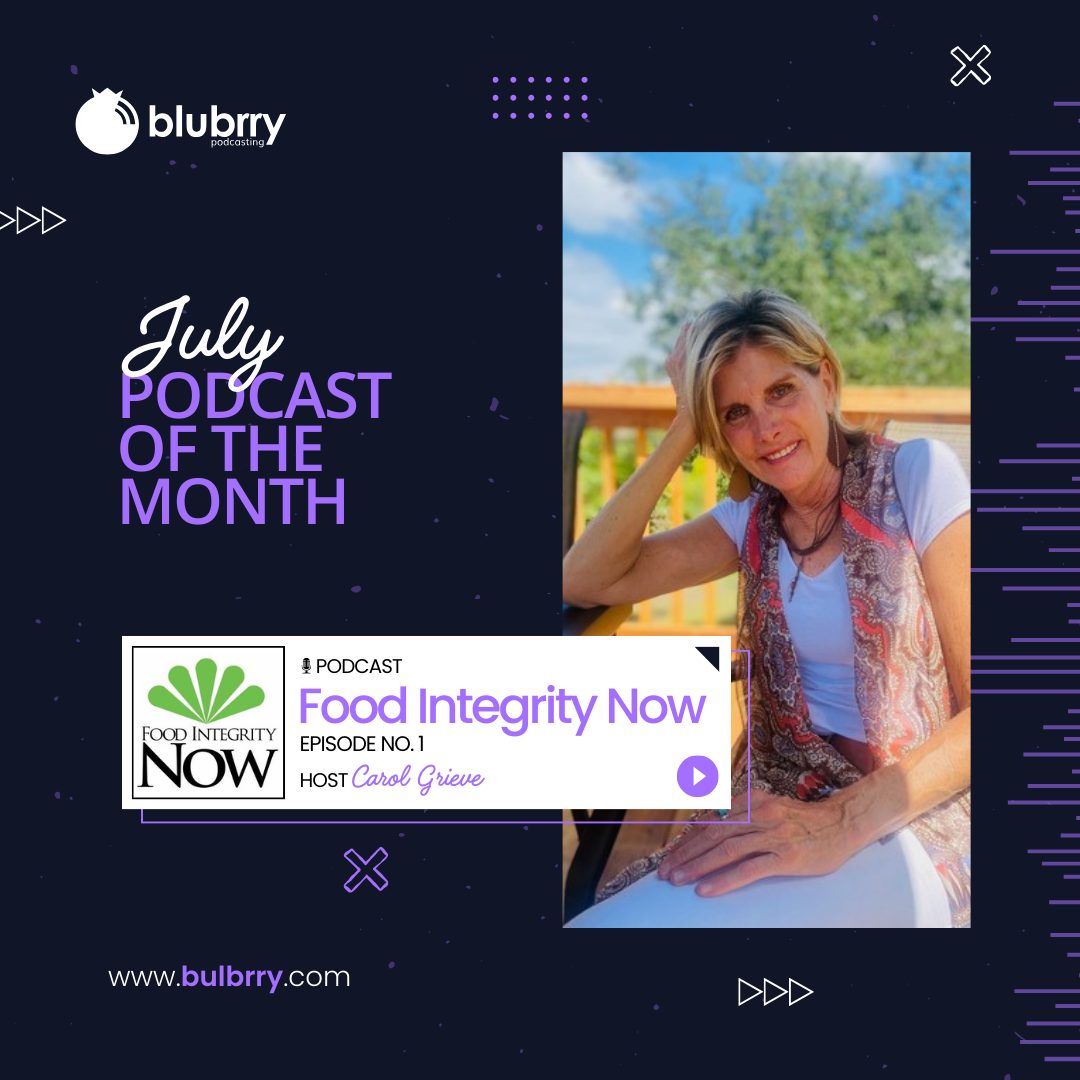
    A holistic nutritionist, life coach, journalist, speaker, and host of the acclaimed podcast Food Integrity Now, Carol Grieve’s mission is to spread the message of full-body wellness. Grieve, our July Podcaster of the Month, is deeply dedicated to helping people understand the impact of their dietary choices on their overall health. Through her work, she guides individuals and groups on how to thrive by consuming quality, nutrient-dense foods . . . a challenge in today’s fast-paced world.
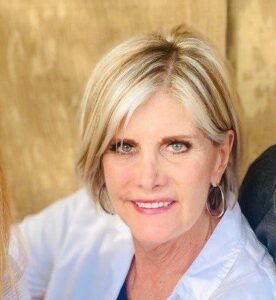
    Grieve believes in the healing power of food and the necessity of harmony between the body, mind, emotions, and spirit to achieve true health. She emphasizes the importance of making informed lifestyle choices that contribute to overall well-being. 

    The philosophy of “Food Integrity Now” revolves around the idea that the key to improving global health lies in educating individuals to love themselves enough to make good choices. Grieve’s approach is not only about self-care but also about fostering a supportive community where people encourage each other to adopt healthier lifestyles. By promoting self-empowerment and wellness, Grieve believes we can collectively bring positive change in ourselves and in the world.

    Grieve shares with us some best practices and surprising insights on what is being “sold” as healthy for humans and good for the planet, but in many cases just isn’t. 

    People often do not understand the difference between a dietician and a nutritionist, can you explain? Also, how would you describe a “holistic nutritionist using the functional medicine model” to a layperson?

    Carol Grieve
    Carol Grieve

    I am a holistic nutritionist, which means that when I work with my clients, I not only assist them with their physical diet and lifestyle but also assist them to come into balance with all their bodies. This means I help them with their mental, emotional, and spiritual bodies as well. To obtain great health and wellness, it is important to address all of the bodies or the whole. That in essence is what I do as a holistic nutritionist. The functional medicine model means that we address the core issue that may be creating disease in the body, versus just treating the symptoms. There is always a reason why someone is unwell, and we get to the core or the why. Once we discover why, I assist them in making changes in their diet or lifestyle. When they make the changes that are needed to become well, that is where the magic happens. I guide them but they do the work! I also empower them to become their own healer.

    Your shows feature trailblazing and diverse experts, ranging from Dr. Dale Bredesen, a leading expert on Alzheimer’s prevention and reversal, to Jeffrey Smith, founder, and executive director of the Institute for Responsible Technology. How do you choose your topics and your guests? Do they also reach out to you? 

    Carol and Jeffrey Smith
    Carol Grieve with Jeffrey Smith, Jeffrey Smith, Founder and Executive Director of Institute for Responsible Technology.

    I stay very current with what is happening in the area of health, wellness, and nutrition. When I interview someone like Dr. Dale Bredesen, who I have interviewed three times, the information is usually the most updated and latest information available at that time. For example, Dr. Bredesen is considered one of the leading experts in the world on Alzheimer’s disease. As we know, neurological and brain diseases are on the rise. Everyone knows someone with this disease, and it is so relevant. Also, Jeffrey Smith is one of the leading authorities on GMOs and his information is always relevant and current. I like to interview people who are the best in their fields to assist my audience with their health.

    I have many publishers that ask me about one of their authors who has a current or unreleased book out. So yes, they contact me often. Sometimes I reach out to an expert myself and they see who I have interviewed on Food Integrity Now and are always eager to say yes to an interview.

    The show suggests that a healthy diet comes from all areas of life – starting with the soil ranging to all-natural herbs to off-the-shelf food. How have you found that adopting this holistic approach to diet benefited your clients and listeners? 

    Soil is the most important when it comes to nutrient density. I encourage those who can grow some of their food to do this. This is the ideal way to eat, and they can control what goes into their soil, food and ultimately into your body. Obviously, not everyone can grow their own. The next best thing to growing your own is buying local and organic. It is very important to include as much whole foods in your diet, which includes a variety of fruits and vegetables. Everybody is different and there is not one specific diet (i.e., keto, paleo, vegan, carnivore, vegetarian, etc.) that I recommend. I work with the individual as to what is the healthiest for THEIR body. Some people do well with grass-fed and finished meats while others do well just eating a plant-based diet. It is an individual choice for them. I make suggestions as to their diets – but it is always their choice of course. One thing that is imperative is that they eat Organic, mostly! You cannot get well by continuing to put toxins in your body and there are many. 

    I also educate them about GMOs, glyphosate and other toxic chemicals that may be in their foods. We discuss not only their food, but what they drink, put on their skin, household cleaning products and toxins in general in their home. Again, we address the whole! 

    You’re also a life coach, journalist, and speaker. Was there any angle or element (or even several) in particular that inspired you to share your knowledge in a podcast?

    In 2010, I realized there was a need to educate the public about what was happening in our food supply. It became apparent that many did not know about GMOs and other toxins that had invaded our foods by Monsanto, now Bayer. I was part of the GMO labeling campaign here in California as well. I started out as a food activist during this time. The more I learned, the more of a desire I had to educate those who did not know and wanted to know. 

    Being a life coach for over 20 years and a Toastmasters graduate, I realized that I had the confidence and skills to become a public speaker and over the years have spoken at events like the National Heirloom Expo, which is the largest whole food event in the world and other many other health and wellness events. Public speaking comes naturally to me. Doing a podcast and interviewing guests about health and wellness, which is my passion, was easy for me. I started out doing “live” interviews on a couple of different venues like Teller Netcast and Castlerock Radio and then moved to doing podcasts. 

    What steps do you take to prepare and schedule your podcasts? 

    If the interviewee is an author, I read the book and then formulate the questions. I do research on the subject and the author as well. I like to know the subject but always want to be open and curious to ask questions that I may not know the answers to. Curiosity drives me.

    If you could share just one fact or figure or data point that drives home the importance of eliminating toxicity in our food supply, what would it be? 

    Disease is at epidemic proportions and mostly because of our toxic food supply. There is scientific evidence that if we just started eating organic fruits and vegetables, we could reduce our pesticide/herbicide toxic load in our bodies by over 98%. 

    Are there any trends in food integrity, and if so what are the good and the bad of those?

    People are starting to wake up to what is happening with our food supply and the organic food movement is assisting with this greatly. More people are buying organic food! 

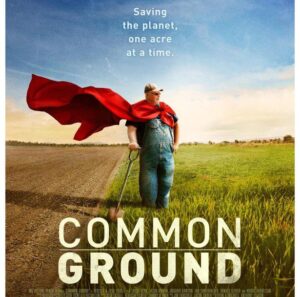
    Common Ground movie poster

    A trend that concerns me is that the “fake” meat industry is on the rise. Foods like lab-grown meats and Impossible Burgers, Beyond Meat, and others have hoodwinked many into thinking they are doing something good for the planet and their health. This could not be further from the truth. Organic Regenerative Farming practices are the way out of the mess we have created with our soil and environment. I highly suggest that everyone watch the movie Common Ground to learn more about what we need to do to regenerate the soil and heal the environment.

    Impossible Burger is highly processed and uses much energy and some of the ingredients are toxic. The Impossible Burger uses an ingredient called heme, which makes it look like it is bleeding. The soy leghemoglobin (heme) in this fake meat that makes it look like blood is made from GMO soy. We know GMO soy contains harmful herbicides like glyphosate, a known carcinogen, and endocrine disruptor, which wreaks havoc with our health. There is much I can say about the dangers of glyphosate, and I have interviewed the best on this subject. If you search the blog, you will find many interviews and articles about glyphosate.

    What do you think are the most prevalent myths about our food supply?

    The most prevalent myth about our food supply is that it does not make much of a difference in your health whether you eat organic or conventional. It makes a huge difference when you eat organic. Many people have given up on their health because they may feel it is too overwhelming to eat a clean diet. I think we have given up much for the sake of convenience — i.e., fast food. 

    Many of your podcasts mention the dangers of GMOs (genetically modified organisms) and you even have a counter at the top of your web page. Do you consider those the greatest threat to human health? Is that just in the U.S. or is it prevalent elsewhere? If GMOs are not the greatest threat, what is?

    I do think that GMOs are a huge threat to human health and our overall well-being. GMOs and glyphosate (RoundUp) are toxic to the body and that includes our brain. I have written much on this subject over the last 14-15 years. Corporate greed and corruption and their total lack of respect for human health are rampant. If enough of us would just stand up, speak up, and say, “NO MORE,” it would end. This is why I will continue to educate those who want to know. GMOs and glyphosate are prevalent in most countries, but the US has one of the worst diets in the world. We are also the sickest country in the world. This is sad but true. There is much more work to do here! 

    Food Integrity Now on Social:

  • Crafting the Perfect AI Image Prompt for Your Podcast: Best Practices and Tips

    Crafting the Perfect AI Image Prompt for Your Podcast: Best Practices and Tips

    Horse over hurdles
    “Please create an image of a horse going over a series of hurdles.”

    Harnessing the power of AI to generate images for your podcast can significantly elevate your brand’s visual appeal. Whether you’re looking to create compelling cover art (such as with Blubrry’s AI Album Art generator) social media visuals (such as with Blubrry’s Podcast AI Assistant) or promotional materials, writing an effective AI image prompt is crucial. But, as anyone who has worked with AI images knows, writing the prompt is trickier than it seems and artificial intelligence cannot read minds. At least not yet. Let’s dive into some best practices for crafting prompts to get you the images you envision.

    Understanding Your Needs

    Before you start writing your prompt, it’s essential to have a clear understanding of what you need. Consider the purpose of the image:

    • Cover Art: Should capture the essence of your podcast, its theme, and its personality.
    • Episode Thumbnails: Need to reflect the specific content of the episode.
    • Social Media Posts: Should be engaging and visually appealing to draw attention.

    Know Your Audience

    Who are you trying to reach with your images? Knowing your target audience will help you tailor your prompts to create images that resonate with them. For example, a tech podcast might benefit from sleek, modern visuals, while a storytelling podcast might need more whimsical, illustrative art.

    Crafting the Prompt

    Be Specific, But Not Overly Detailed

    “Please create an image of a horse leaping over a series of hurdles.”

    When writing your prompt, strike a balance between specificity and flexibility. Provide enough detail to guide the AI, but leave room for creativity. A good prompt should cover the following:

    1. Subject Matter: Clearly describe what should be in the image.
      • Example: “A futuristic city skyline at sunset.”
    2. Style: Indicate the desired artistic style or mood.
      • Example: “In a cyberpunk style with neon lights and dark shadows.”
    3. Elements and Composition: Specify any particular elements or composition rules.
      • Example: “Include flying cars and towering skyscrapers, with a focus on depth and perspective.”

    Use Descriptive Language

    Descriptive language helps the AI understand the nuances of your vision. Instead of saying “a nice background,” you could say, “a serene beach background with golden sand and gentle waves under a pastel sky.”

    Incorporate Contextual Information

    Adding context can greatly enhance the relevance of the generated image. For instance, if your podcast episode is about a historical event, include relevant time periods or cultural references in your prompt.

    • Example: “A 1920s jazz club with musicians playing, art deco decorations, and people dancing in flapper dresses.”

    Avoiding Common Pitfalls

    Vague Descriptions

    Vague prompts often result in generic images. Avoid phrases like “interesting design” or “cool picture.” Instead, be precise about what makes the design interesting or what elements make the picture cool.

    Overloading the Prompt

    While it’s important to be descriptive, overloading your prompt with too many details can confuse the AI. Focus on the most crucial elements that define your vision.

    Ignoring Visual Harmony

    Ensure that the elements you describe in your prompt work well together. Clashing styles or incongruent elements can result in a disjointed image. For example, avoid mixing futuristic elements with medieval themes unless that juxtaposition is intentional.

    Testing and Iteration

    Creating the perfect AI-generated image might require a few attempts. Don’t be afraid to tweak your prompts based on the results. Experiment with different levels of detail, styles, and compositions to find what works best.

    Review and Feedback

    Once you receive the generated images, review them carefully and provide feedback to refine future prompts. This iterative process helps in honing your ability to communicate effectively with the AI.

    Crafting the perfect AI image prompt for your podcast is both an art and a science, and Blubrry Podcasting is doing all it can to marry both and simplify the process. By understanding your needs, using descriptive language, incorporating context, and avoiding common pitfalls, you can create compelling visuals that enhance your podcast’s appeal. Practice makes perfect, and the more you experiment with your prompts, the better you’ll get at producing stunning AI-generated images.

  • Starting a Podcast After 60

    Starting a Podcast After 60

    Start a Podcast After 60Ah, retirement! When you get to be around 60 years old it is top of mind for many a lifelong worker. But the question remains, when you’re not on achy knees gardening, on that cruise ship in the Caribbean, or touring Italy on a moped, how will you stay engaged in life and keep your mind sharp?

    It’s easy: Launch a podcast!

    If you’re older than 60, you’re bound to have wisdom to share and stories to tell. Do you have children, grandchildren or younger family and friends in general? Too often the ancestral stories of your youth go to the grave when they could and should be shared with the coming generations. Stories that might seem menial or insignificant to Boomers offer immeasurable insights and life lessons to those coming after us.

    Share Your Knowledge

    Heck, if you’ve worked in one job or even 20 throughout your lifetime, you have a bunch of insights, best practices and colorful stories to share. What was it like before the internet? How could you bear sharing a phone number with all of your family members – and (gasp) being tied down by a gadget strapped to the wall with only a three-foot curling cord? Were there really only three channels you could watch on TV? Did you ever have a pet dinosaur? (Joking!)

    Starting a podcast after 60 offers the silver generation a unique chance to share stories, insights, and wisdom, which younger podcasters may not yet possess. It allows you to captivate and inspire an audience, formed not only within their age group but also among younger folks eager to learn from your experiences. 

    Podcasting for the grandkidsYou’re never too old to learn new tricks and technology. And podcasting can be a remarkable adventure filled with boundless opportunities for self-expression, creativity and fun. It challenges your brain: Even if there are times when you’re swearing and maybe even crying from frustration, the result will be satisfying. 

    The best news as you consider launching a podcast is that Blubrry Podcasting will be with you every step of the way. Not only does it provide helpful insights on starting and growing your podcast – check out the free online Podcast Manual – it has by far the latest and greatest tools and features, and the best support team in the business. 

    If you want to take this ease of podcast production a step further, check out the Concierge Onboarding service, through which Blubrry’s experts get your show set up for you with the support team walking you through the process as you prepare to launch. 

    Another idea, if you have a YouTube channel and/or prefer video-first, Blubrry’s Vid2Pod video-to-automatic podcast conversion feature transitions your audio from ‘film’ to a bonafide podcast! It’s easy. Sign up for Advanced Hosting or above. Import your channel and viola! You’re a podcaster!

    AI is Your Friend . . . For Now

    Don’t be scared. There is a lot of buzz and apprehension about artificial intelligence, but although some theorize that AI could destroy humanity, here and now it can be your friend. (And if you’re like me, always be polite and say thank you so if the time of mass extinction arrives, you and your family might be spared.) Blubrry’s Podcast AI Assistant, part of its multifaceted Thrive Bundle, can help you through the rough patches when planning, producing and promoting your podcast.

    Guess what else? You can make money at podcasting! Anyone hosting with Blubrry can take advantage of programmatic advertising, Value4Value through Podcasting 2.0, and in higher-level hosting plans, Dynamic Ad Insertion.

    That said, a lot of us won’t be looking for a payout. Maybe simply another layer added to our legacy. For some of us, although it’s a ton of fun to watch the listeners/downloads statistics tick upward, posterity and just getting the story chronicled is the goal. 

    No Audience? No Worries!

    For those who enjoy attention and notoriety, the notion of starting a podcast with no audience can incite apprehension. But consider this: every renowned podcaster started with zero listeners. Every venture begins with a leap of faith and the promise of growth over time. The key here is patience, persistence, and understanding that you have something valuable to talk about. With these qualities, the initial lack of audience becomes less discouraging, rather a motivating factor to strive for progress.

    The benefits of starting a podcast post-60 are manifold. It provides an avenue for creativity, personal expression, a legacy and even fun. It not only holds personal significance but has the potential to impact society by fostering inter-generational dialogues and influencing perspectives, shaping a more inclusive world for all ages.

    If you see retirement on the horizon and you know darn well you’ll need something to keep you on your toes, consider starting a podcast. You can even record it on your iPhone while nestled in your cozy armchair or front porch rocking chair (kidding) or via Facebook surrounded by virtual friends from across the globe. 

    For, like the wind in your face on the deck of a mighty cruise ship, or letting go of the handlebars rolling down the hills of Tuscany, you can feel the thrill of shaping narratives and embarking on a path to be heard in the podcasting world. It is never too late to start something new. So, are you ready to tune into the podcasting frequency? Let us know – we’re here to help!


    The author has been with Blubrry for 18+ years as a writer/editor, but only last month started her podcast. And, yes, she’s over 60 and thus very familiar with “What was it like before . . .” questions from grandchildren.