
Category: blubrryblog

  • How I Use My Podcast’s Twitter Account as a Resource

    How I Use My Podcast’s Twitter Account as a Resource

    Twitter app on phoneThere are many ways that podcasters can collect information that can be used as show notes for their next episode. For me, the most efficient way is to use Twitter and Tweetdeck. This works best if your podcast is about one specific topic.

    One of my podcasts is called Shattered Soulstone and focuses on the Diablo series of games made by Blizzard Entertainment. The show started in 2011 with an emphasis on the “Diablo community.” There is a Shattered Soulstone Twitter account (@ShatteredStone), which is helpful to gather relevant information for show notes.

    The first thing I do, every day, is get on Tweetdeck and scroll through what the followers of the Shattered Soulstone Twitter posted. I scan for items that are relevant to the show’s focus. Anything that seems like something the community would want to know about gets retweeted. Most of it ends up in the show notes for the next episode.

    Community Topics

    For example, there has been an ongoing problem within not only the company that makes the Diablo games, but also in Activision (the parent company). This has led to news websites that don’t usually write about gaming to post articles about the lawsuits and other issues. Recently, the workers of those companies have started focusing on unionizing. I feel it is important to keep my listener’s updated. My goal is to have everyone hoping for the very best for the workers because they are the ones who create the games we love.

    Community Members

    The Shattered Soulstone account follows people who are working (or have worked) on Diablo games. This includes community development managers, people who were previously game developers, and the official Diablo Twitter accounts. It is a good way to find news about recently released content in the games, when a new game will release, and whenever a patch is made to existing game content. There is also an opportunity to retweet a person who announces they are leaving Blizzard and when someone announces they have started working for Blizzard on a Diablo team. Once in a while, a Lead will share information that the community has been waiting for.

    Community Creations

    In addition, I seek out the wonderful creations from the Diablo community.This can include artwork, cosplay as a Diablo character, animation, shrines to one of the characters, and more. In addition, I mention when other Diablo-focused podcasts release a new episode of their show, and point people toward websites that have helpful information for those who want to know how to play more efficiently.

    All of these things can be retweeted and shared with those who follow the @ShatteredStone Twitter account. In addition, I can use Tweetdeck to find even more Diablo content. It is easy to look up a specific Twitter account, pop it up on Tweetdeck, and scroll to where the Diablo-related tweet is. With one click, I can have the Shattered Soulstone account retweet it. Sometimes, those people will start following the podcast’s Twitter account and this helps to grow my show’s audience.

    When it is time to record a brand new episode, I can take a look at the things that I collected in the Shattered Soulstone Twitter account. Everything I wanted to talk about is right there! What works best for me is to open a browser and sort things into individual tabs. It makes it easy for me to put things together by topic so my show flows nicely. When the show is over, I use those tabs to make show notes. All of this significantly decreases time spent searching for what to talk about.

    A bonus of approaching things this way is I get to engage with members of the Diablo community. Some have joined me as a guest on my podcast. I was able to meet and talk with many of them at previous BlizzCon’s (before the pandemic), and ask questions to some of the people who worked on the games.

    In short, gathering up topics for show notes on Twitter saves a lot of time and energy that would otherwise be spent digging up things to talk about. It is especially good for podcasters who don’t have a lot of free time, or who have chronic illnesses that slow them down. Your community will organically grow the most value you give them. Be sure to follow Blubrry’s Twitter and learn more about posting on Twitter for your podcast here.

    ____________

    Jen Thorpe wearing glasses, hat and face maskJen Thorpe has been podcasting since 2005. They are the host of the Shattered Soulstone podcast, which releases new episodes every week. When they aren’t podcasting, they are playing video games or Dungeons & Dragons.


  • The Value of Spending on Marketing Your Podcast

    The Value of Spending on Marketing Your Podcast

    LightbulbIt’s so exciting when your podcast starts making some money! Suddenly you can justify buying better recording equipment, or maybe you choose to decorate your “studio”. Perhaps it goes into your pocket and helps with your personal bills – no matter what it’s doing for you and your podcast, it’s pretty cool that you can finally see some tangible results.

    Sure, money isn’t everything, but boy, does it help keep the lights on. Eventually, you will have the thought, “Yea, some money is nice, but more would be better!”

    What Are Your Goals?

    Before we get into the thick of it, let’s take a moment to consider your goals. 

    Has anything been bugging you about the quality of your podcast? 

    • Maybe the audio quality is lacking, and a new mic or mixer would help?
    • Maybe you run an interview style show, and a subscription to a service like IMDB Pro would help you to nail down interviews?
    • Perhaps your audience has been chomping at the bit for some merch, and you would like to invest in that side of your podcast?

    Prioritize what’s important to you and get those items budgeted first. But if the main problem you want to solve is, “How do I turn this money into more money?” then please read on.

    How to Turn Your Monthly Revenue into More Monthly Revenue

    The reason you have some monthly revenue is because of your audience. Either you have advertisers who want to reach your audience and pay you for the opportunity, and/or your audience supports you directly. So, it stands to reason that the larger your audience, the more revenue.

    Is this sound logic? Sure.

    Does a dollar spent on advertising necessarily translate into a substantial increase in your listener base? Kind of…

    The layperson tends to have pretty lofty ideas about how advertising works. But as podcasters, we need to have a much better understanding of what realistic expectations should be when spending money on marketing – both for our marketing knowledge and to educate those who want to market on our shows. 

    Where Should You Spend Money to Market Your Podcast?

    Well, it depends.

    Consider this question before committing to spending money on advertising, “What do I want people to do when they see this advertisement?”

    The answer will give you an idea of who or what you should do your advertising on.

    If the answer is “I want more people to listen to my podcast.” Then consider advertising on a podcast application. If you want people to listen to your podcast and see your advertisement on a podcast player, they are only one click away from listening to your podcast. Conversely, if they see your advertisement on social media, they have to jump through a bunch of hoops just to listen to your show, which is usually a bridge too far.

    But, if you want to grow your social media following, advertising on that social media platform is probably the best place to spend that marketing money.

    What Are Realistic Expectations When it Comes to Advertising and Marketing Spend?

    Depending on where you advertise and the desired outcome, you can pay anywhere from $1-10 per new subscriber. Most of the podcast platforms that our podcast has used have averaged somewhere between $2-5 per new subscriber.

    Is a new listener worth that cost? Some of them probably aren’t, to be honest. They will listen once or twice and then forget you even exist.

    Some of the listeners you gain will definitely be worth it. Some will tell all their friends about your show, subscribe to your Patreon account, and give you a five-star rating everywhere they can.

    And then there’s the new casual listener, who becomes a fan and listens regularly, but rarely if ever, acts on any of your calls to action.

    Marketing Yourself Is Important

    Just as it’s essential to reach out to other shows and do outreach, it’s important to advertise. If you aren’t doing it, you are missing out on listeners who can and will become longtime, value-producing fans of your show.

    Some people will find you if you advertise, and your monthly revenue will grow because of it. Your community will too.

    Try not to leave anything on the table, but certainly be smart about what you spend your money on, and when you notice something isn’t working, don’t be afraid to cut the cord and try another approach.

    ____________

    David DayDavid Day is the co-founder and co-host of Horror Movie Talk Podcast. When he isn’t watching horror movies he is focused on growing the podcast. Listen to his show Horror Movie Talk here.

  • Podcaster of the Month: Jennifer Fink

    General / Health – Fading Memories: Alzheimer’s/Dementia Support by Jennifer Fink

    Fading Memories PodcastIf you’re unhappy with the podcasts out there on the subject you’re interested in, make one yourself. Jennifer took the initiative some years ago and has been on a roll ever since.

    Thank you Jennifer for joining us this month!


    Tell us about yourself

    An artist & entrepreneur at heart I am a portrait photographer, podcaster, wife, Mom & dog Mom. We just moved to a new county with plans to start a new chapter of our lives. We fell in love with a community of active, friendly people and we’re excited to see what the second half of life has to offer.

     What inspired you to do your own podcast?

    I have been an avid podcast listener since podcasts began. I got into them more in 2016 after podcast players replaced having to listen via a web browser. Trying to stream a podcast & run Photoshop doesn’t make for a happy computer. In 2017, after my Dad passed away, I became responsible for my Mom who had advanced Alzheimer’s. Dad did 99% of the caregiving which left me with a lot of questions. I went looking for a podcast for Alzheimer’s caregivers and there was one. For better or worse, I just didn’t connect with that show so I decided to create my own. I figured if the only show available didn’t resonate with me, there must be more people like me needing a supportive podcast.

    How do you prepare for an episode? 

    I am blessed at having more guest requests than I can handle so my preparation process is pretty simple. Do they have a unique take on a problem that most caregivers face, do they have a solution/product and does their topic interest me. I generally have a chat with people beforehand to determine the answers to these questions, then we record. Since I am a one-person show, I try my best to keep things easy and hassle free for all of us.

     What advice do you have for someone just starting out?

    Creating a show takes a lot more time than most people would believe. If you want to grow and monetize, you’re likely going to need help or plan to work a lot. Don’t let people convince you that you have to have thousands of downloads per episode before. You can monetize. I have sponsors – still looking for the perfect one – and I get hundreds not thousands of downloads. I have a very unique niche that advertisers want to get in front of but it takes more work for me to find those advertisers and to make their investment worthwhile.

    Connect with Jennifer…

    Jennifer Fink

  • You Don’t Have to Monetize Your Podcast

    You Don’t Have to Monetize Your Podcast

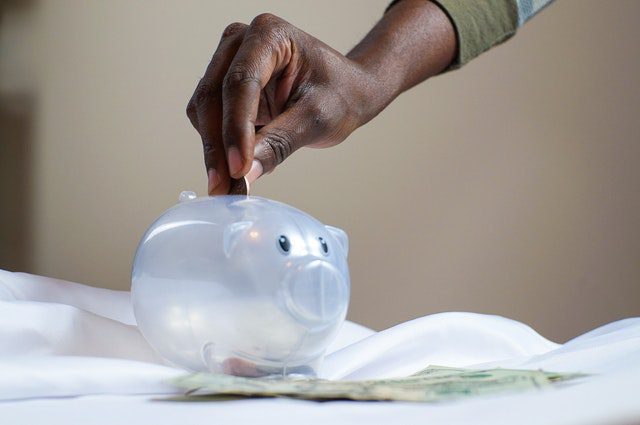
    MONEYWhy are you podcasting? Is your plan to make lots of money so you can retire from your day job? Or is your podcast all about your passion? Do you want to find other people who love your topic too? Podcasting for money is certainly an option but choosing to not monetize your podcast is a valid choice.

    When people find out you’re a podcaster, there are always two reactions from people who know what a podcast is. (Those people who don’t know what a podcast will get to these questions eventually.) One question is “What’s your podcast about?” and the other one is always “Do you make any money with your podcast?”

    If people know anything about podcasts, they know that someone is making lots of money. And that’s true -– the big-name podcasters are the ones who are making a lot of money. The amount of money itself is newsworthy. Who else do you know is making $100 million dollars except celebrities?

    Podcasting ROI

    When you’re podcasting because of love of your topic, the ROI isn’t return on investment, but return on involvement. It is completely okay not to make money with your podcast.

    Choosing to produce a podcast and not monetize is a personal decision. Not everything in our lives produces income. Do we charge to ride our bikes? Go hiking? Bake? Play games? There are things we do just out of love, not expecting a financial benefit. Podcasting could be a hobby just as much as gardening or NASCAR.

    When you’re producing a podcast without planning to make money from it, it’s likely that you’re looking for your tribe – the people who want or need what you’re providing. A smart option would be to develop a strong social media presence. A Facebook community where your audience can interact with you and each other will add to your success.

    Money or Message?

    There’s this concept out there that if you truly believe in your message, you don’t need to be paid for it.

    Maybe that’s why you’re not monetizing your podcast. You don’t feel that it’s right to capitalize on what you’re sharing. That’s up to you. Whether it’s religion, personal improvement, or commitment to the world, choosing to spread your message without expecting compensation from either sponsors or patrons does make it easier for people to hear you. Instead of putting your content behind a paywall or expecting patronage from your audience, you extend your reach to a wider audience. And to some degree, people give more esteem to the street preacher because the preacher isn’t motivated by money. 

    Motivation to Monetize Your Podcast

    In the end, choosing to not monetize has many benefits. You’ll meet the people who love what you love, who respect you for putting your message out there regardless of financial support, and you will build a platform to impact the world.

    We know that podcasting does cost money, and it’s appealing to think that you can regain it with sponsors or patrons, but getting started with monetization may be as simple as putting affiliate links on your podcast website.

    What’s an affiliate link?

    You’ve seen them on blogs, videos, and podcasts. An affiliate link is a link to a product or service where you get paid for each person who makes a purchase through that link. Amazon has an affiliate program set up, so if you are recommending a product or a book, you can get a commission on the sale. This type of affiliate marketing isn’t limited to just Amazon. Blubrry has its own affiliate marketing program. If you refer them to our platform and they decide to host their podcast our on servers, we’ll be glad to pay you a commission for that sale.

    This type of marketing doesn’t depend on the number of downloads you have. Some websites have requirements for sponsorship but will be glad to offer you an affiliate code that you put in your podcast and on your website. 

    Be sure to read the contract. These links have some limits in how you publish them. But you may find that you can start monetizing your podcast in this one simple way to start.

    ____________

    Kim KrajciKim Krajci, host of Toastmasters 101 podcast, has been podcasting for 7 years and writing since the creation of the stylus and clay tablets. She also teaches speech and debate and works as a social media manager.

  • When is it Time to Kill a Podcast?

    When is it Time to Kill a Podcast?

    You have been doing your show for years, week after week after week. And now you have some good ideas for episodes, but they really do not fit with your current show. When is it time to call it a wrap and start a new show? 

    I recently ended a show that I had been doing since 2013, Podcast Help Desk. When I started PHD I also produced three other shows and on every one of them, I would end up talking about podcasting – even though the show was NOT about podcasting. At that time there were not a lot of shows about podcasting by someone who worked in customer support (help desk) for a podcast hosting company. So I started one about podcasting.

    Fast forward eight years and I’m now co-hosting ANOTHER show about podcasting (Podcast Insider) and had been trying to keep up on Podcast Help Desk. In my case, I decided that I would be better off discontinuing PHD and putting any extra energy into the Podcast Insider. 

    Before you kill your podcast, maybe ask on your show if one of your listeners wants to take over for you; that way the show doesn’t have to die. Depending on the agreement you make, you could come on the show once in a while to scratch the podcasting itch. 

    Here are some of the other reasons you may want to kill your show… 

    You have run out of passion for the subject

    It happens. You have a hobby or topic you are really passionate about, and then you fall out of love with it. There’s nothing wrong with that. Your interest in your subject just feels forced and it has run its course.

    Life changes prevent you from doing a good show

    Your work or home situation has changed. You no longer have the time to do show prep, recording, publishing or the marketing of your show. You get married, have kids, change jobs or many other things that can get in the way of podcasting. Maybe the new job doesn’t want you to talk about whatever your subject is. That can happen too. 

    You have nothing more to say

    No really… You can simply run out of things to say about a subject. Some politics-related shows have this issue. The subject of the podcast is closely tied to a candidate or a political movement and when the election is over or the movement achieves its goal, there isn’t much more to say. Or it could be something very personal to you and that subject has resolved itself in one way or another and you really do not need to talk about it anymore.

    Regardless of the reason you want to quit hosting or producing a show, there are a couple of steps that I suggest you do to make the shut-down go smoothly and without any hard feelings from your loyal listeners.

    1. Make a final episode explaining what you are doing and why. Decide if you are going to do another show. Let your listeners know about the new show.
    2. Prepare to keep the show up for at least a month or two (or longer if you can). Some listeners might be taking a few weeks off from your show and when they are ready to come back, and your show is gone, that will be mysterious to them. Let them off the hook by keeping things up for a while. Don’t just podfade!

    There’s a lot to think about when considering killing a show. Do you want to keep going with a different show? Or do you want to just be done with podcasting? (We hope not!)

    ______________________

    ​​Mike DellMike Dell is the co-host of Podcast insider and the host of Mike Dell’s World. Mike is also the Customer Support Manager at Blubrry Podcasting.

  • How to Choose a Podcast Co-Host

    How to Choose a Podcast Co-Host

    You want to start a podcast, but you have an inkling of the amount of work it takes. Also, let’s face it, it would be nice to have a conversation with someone instead of having to riff every episode.
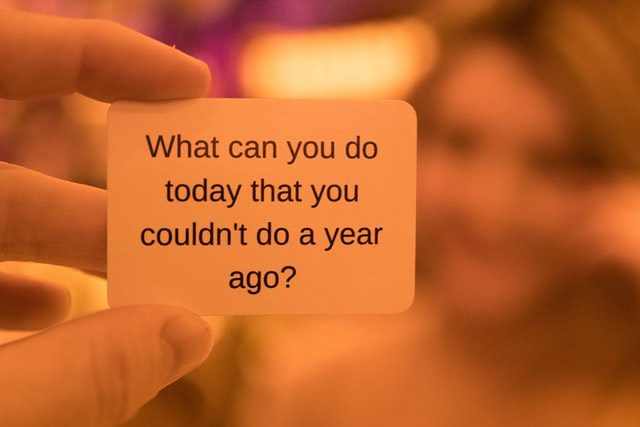

    There are a few things to consider while hunting for a co-host, and they are all important. Here are my best tips on how to find a podcast co-host because there’s more to it than just great conversational chemistry.

    Should it Be a Friend?

    This is the trickiest question, which is why I placed it at the top of the list. A good friend likely shares similar interests as you, enjoys your company and can support you emotionally.

    All the reasons you can list why your friend should be your co-host are the same reasons you should steer clear of your friend filling the role of your co-host.

    Owning and operating a podcast is challenging and will test your relationship in ways you would never have dreamed. My co-host is my best friend, and at this point, our relationship is akin to my marriage. We’ve been through every fight and have had to find ways to treat each other kindly to keep the podcast going and our relationship in good standing.

    Find Someone Capable that You Respect

    You should be looking for a co-host who you can look up to. You are both going to need to do a lot to ensure the continued success of the podcast, and that means being able to:

    • Build and alter websites
    • Record and edit audio
    • Troubleshoot technical difficulties
    • Find creative and fun ways of approaching subjects
    • Brainstorm concepts and bits
    • Build a budget for marketing and growth
    • Manage audience interactions
    • So much more…

    If they are good at figuring things out and providing solutions to problems, they are worth their weight in gold.

    Find Someone Willing to Work

    A common misconception of podcasting is that it takes no effort; it’s just a couple of friends sitting down, drinking, and shooting the shit. If you podcast with consistency for a few months, you will realize that it’s a ton of work.

    You will want to find a co-host who is willing to work, whether it be doing social media promotion or research on subjects for upcoming episodes. Every podcast splits the division of labor their own way, but in my opinion, if it isn’t split equally, someone will end up feeling like they got the short end of the stick.

    Find Someone You Have Chemistry With

    If your co-host doesn’t compliment your thoughts with their interesting thoughts, or vice versa, they might not be the right fit for your podcast.

    This is one of the easier traits to test reliably. If you enjoy discussing tough or interesting topics at length with this person, you probably have good conversation chemistry.

    If they struggle to keep up their end of the conversation, there’s not a lot that you can do to force chemistry.

    Choose a Co-Host Who is Ready for Anything

    This is half me telling you that you need someone who will show up on time reliably and half me telling you that they should be open-minded.

    A regular release schedule is paramount to succeed in podcasting, and if they have a problem showing up on time or at all, that’s a big red flag.

    The other side of being ready for anything can be boiled down to the old improv adage, “Yes, and…”. Podcasting is about rolling with the punches, seeing what works, and pivoting to meet this new and unforeseen challenge.

    You need to choose a co-host who is open to saying yes, even if it’s out of the blue and scary. It’s hard to know what will work for your podcast, so when you see an opportunity, it’s important that you have someone by your side who is happy to take on the new challenge.

    There’s a lot to consider while choosing a podcast co-host, so make sure you choose them carefully. Wondering if you need a co-host at all? Check out our blog on making that podcast decision.

    ____________

    David DayDavid Day is the co-founder and co-host of Horror Movie Talk Podcast. When he isn’t watching horror movies he is focused on growing the podcast. Listen to his show Horror Movie Talk here.

  • Blubrry’s Progressive March for Show Growth

    Blubrry’s Progressive March for Show Growth

    Over the past two years, Blubrry has been focused internally on making it easier for you to use our products and services. That focus has provided — and continues to provide — outstanding outcomes and we are now only weeks away from rolling out the first of many updates to our statistics platform. And while these will make everyone in the industry sit back and say, “Wow,” it is only the beginning of what we have planned to help you grow your shows.

    I have asked the team to bring tools and resources to the platform to provide tangible service and insights that will help you grow your podcast. Every week, I talk to podcasters using our products and services through the free consultation I provide, and invariably we spend most of our time on those calls doing an audit of their show and sites to see what they might be missing out on.

    While no fault of their own, there are typically a half dozen action items we come up with together to position their show and your show site for success. I often say podcasters do not have a discovery problem; they have a website or process problem. The content is almost always on point, engaging and informative. But they miss opportunities to grow their show. Unfortunately, podcasters have to do a whole lot more than show up and record their show.

    So as we move forward and roll out the new stats platform, we will have ongoing additional statistics and platform feature releases that will extend into next year to help grow their shows.

    We are also creating relationships with companies in the space and integrating with them to bring the best tools into the dashboard of both Blubrry and PowerPress.

    The team and I fully understand the challenges of growing a podcast. After all, the company was founded by podcasters, and our podcasters-for-podcasters mantra has not changed. The public-facing members of our team all have podcasts, and we are challenged the same as you to grow and build an audience.

    If you are already a podcaster, I am excited for you to use these new resources and take advantage of the new monetization opportunities we are working on. Your feedback and input have been invaluable to us, and I hope you will remain engaged and excited to recommend Blubrry Podcasting to new podcasters.

    We know there are no shortcuts to growing a show, and you are off to a great start being with a company that emphasizes that you should own your brand and have a website for your podcast. Nothing replaces having a podcast thats episodes and RSS feed originate from your own domain name versus some of the hacks that are out there that often hurt new shows out of the gate.

    We will continue to lead and be the company that helps you reach your goals, whether to become the authoritative voice in your category or help your business obtain leads by being a thought leader. Our support team is second to none and here to help by phone or email whenever you need that extra assistance.

    Written by: Todd Cochrane

    Todd CochranePodcasting since 2005, founder of Blubrry (and RawVoice), now residing in Quincy, MI, Todd spent the majority of the past 25 years in Honolulu, HI with his family.

     

  • How to Be a Great Podcast Guest

    How to Be a Great Podcast Guest

    Follow These Tips to be a Memorable and Valuable Podcast Guest

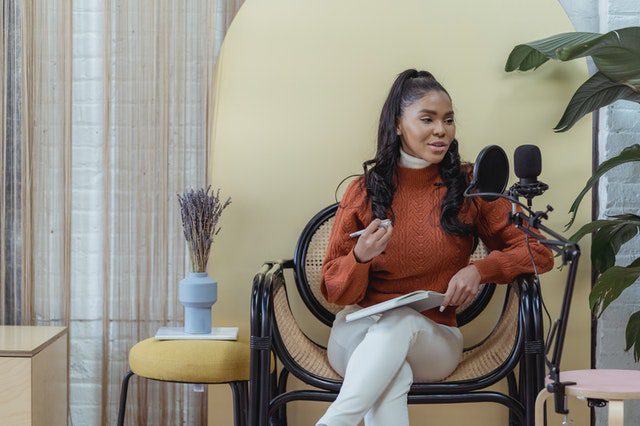
    Appearing on a podcast is exciting. You get to spend an hour or two doing everyone’s favorite pastime, talking about yourself. Hopefully, somewhere in there as well is connecting with the host, sharing your story and inspiring the audience. To make sure you are as prepared as possible and get the most out of your experience, we’ve come up with four quick-and-easy tips to help you become a great podcast guest and knock it out of the pod park every time. 

    1. Know What Show You are On, and Why You’re On It!

    If you’re booked on a show that you’ve never heard of, even just a quick glance of what the show is about, who hosts it and who their audience is can help you get the most out of your appearance and show up as a prepared guest (listen to an episode if you can). You can even ask the host what they are looking to get out of this interview, and if there are any segments you can be ready for.  Maximize your appearance by having at least a light awareness of the show and host and you’ll be able to appeal more to their audience.

    2. Be Strategic, but Be Authentic.

    Even if the show you are on has a listenership of 30 people, that’s 30 potential new supporters and connections for you. Go in with the mindset that you bring your “A” game to every show, large and small, and show up with the same energy and respect. One small appearance can lead to something bigger, so make sure you have written down the one or two key points that you would like to get across in the interview. If you are promoting a book, album, podcast, etc., have your talking points ready to go when the guest asks you to plug your work. 

    Be strategic in how to book your appearances, so they make sense for what you are trying to promote. The audience will love you, but will most likely forget that your podcast is coming out in three months, so waiting until it’s ready for the world may be a better strategy. Communicate with the host to find out when your episode will be out, as it can also take months for episodes to be released. 

    3. Get Comfortable and Find Your Sweet Spot

    If you are appearing on a show from a remote location, find a podcast spot that feels right to you. For some, it’s a fancy tech setup.  For others, it’s wrapped up in a cozy blanket. Whatever you choose, make sure you have a good signal, a quiet area, a glass of water, your phone/computer is charged, ringer is silent and your voice is clear and strong. If you are in person, don’t be too shy to ask for a cup of water or bathroom break if it will cause you to be more confident and less distracted.

    4. You Were on a Show! Now Tell the World!

    Some podcasters (I’m in this camp!) feel that it is proper etiquette for a guest to share their episode, even if it’s just a simple Instagram story repost or retweet. Others feel that it would be nice, but there is no obligation. To me, the best guests are the ones who share their episode, even if it’s their own unique way. If it helps you feel better about sharing, ask your host if you can create your own graphics for the episode using their logo and your branding. 

    This one may get me in some pod-trouble, but unless there are legal or emotional issues with something you said during your interview, try not to overthink what you said, and don’t ask the host to edit out the good stuff. Insecurity and second-guessing ourselves can lead to us editing out the most compelling part of the interview because we feel vulnerable or too exposed. Many times guests will get very little or no say in the editing process and what you say is what goes out, so be sure you bring it up with the host before if that is a concern. 

    I asked a few professional podcaster friends and colleagues what qualities they consistently see in standout guests. Sir Christopher Denman from Mid Coast Media says that awareness of the moment is key. “You are there to do an interview, now be part of the fun!” 

    Check out our Editor’s Pick section on Blubrry for some inspiration for examples of both great guests and shows. 

    Happy Podcasting!

    ____________

    Meryl Klemow

    Meryl Klemow is a podcast writer, guest booker, and co-host of the Campfire Sht Show podcast. Meryl is a part of the Blubrry content team, and a Senior Copywriter at Podfly Productions. She also has a T-shirt line, Pre-Canceled. Say hi to Meryl on Instagram at @MerylKlemow.
  • There are Times You Want to Keep It Private Your Company can Secure Content for Exclusive Audiences

    A recent report estimates that in 2021 the number of monthly U.S. podcast listeners will increase by 10.1% to 117.8 million. This means not only are there more listeners, there is more of a need for carefully segmenting content designed for limited listeners.

    Employees at your company are already consuming podcasts. Their favorite shows fit their lifestyle: they like to listen whenever and wherever is convenient for them, whether at work or on the go.

    That’s a key to how many employees want to be educated and trained by their employers. Many companies still try to connect with employees through written communications (i.e. via email or the company’s intranet). But, given the choice, a lot of people would prefer to listen vs. read. We live in an age where people expect the option to consume their content via audio and video media, the way they learn best.

    Companies have shown an interest in using the podcast medium to communicate internally, with use-cases ranging from company announcements and interviews to onboarding and training. But they’re being held back for a very important reason: security. Even if the content isn’t controversial or sensitive, no company really wants their internal content to get out. We’re not just talking about company trade secrets; most executives don’t want any content intended for internal audiences to be accessible outside the company.

    You won’t need to search long to find hosting services offering “private podcasting.” Beware! Many services suggest or imply their product is secure, but in reality it’s simply an obscure RSS feed. The fact you can’t find the latest episode on Apple Podcasts or Spotify doesn’t mean the media is truly secure. Security Tip: Secure private podcasts require login credentials and authentication.


  • Facebook Releases Special Tools for Podcasters: Facebook for Creators

    Facebook Releases Special Tools for Podcasters: Facebook for Creators

    Podcasters can now add their podcast to their Facebook page for people to discover, listen and share with friends directly within the Facebook app.

    New podcasting features by Facebook:

    • Comments and reactions – Spark a discussion and get feedback on your content. Comments allow podcast creators to engage directly with their listeners.
    • Podcast clips – Highlight favorite segments by creating snippets of episodes and sharing them on Facebook.
    • Audio destination – A central place to discover and share audio content. Recommendations are curated based on popularity or personalized interests.

    Resources:

    Visit the Facebook for Creators website to learn more.

    At this time, podcasts are only available on the Facebook mobile app, and only to U.S. listeners.

    Does your podcast have its own Facebook page? If not, create a page dedicated to your show.