Summer must be near — and it shows in the numbers. As the days get longer, it appears many podcasters are taking time off: May saw a significant dip in podcast output, with nearly 10,000 fewer episodes published compared to April. Yep, we’ve seen this just about every summer that we’ve tracked the monthly stats! This seasonal slowdown suggests a common trend of reduced publishing as creators recharge or prep for summer content strategies.
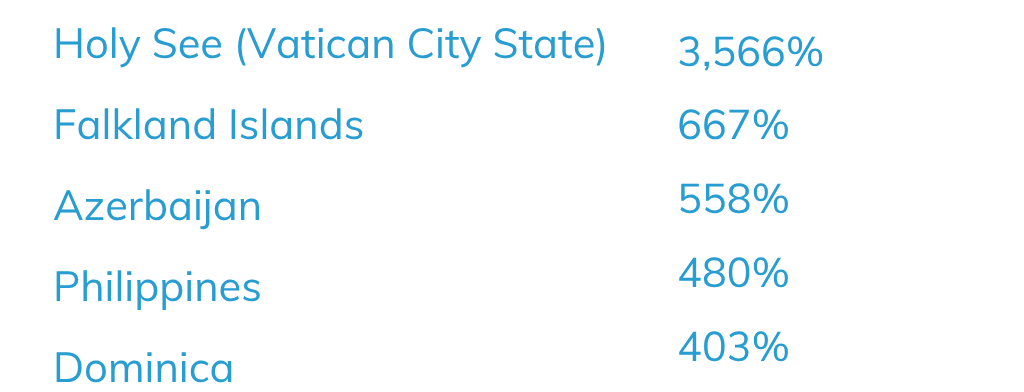
But let’s look at some exciting trends! One of the brightest spots in May’s data is a surprising surge in worldwide podcast growth, especially from Vatican City. The Holy See experienced an astounding 3,556% jump in active podcasts, climbing from just 18 in April to a remarkable 658 in May. While the global podcasting landscape may be cooling in some places, others are just heating up. The graphs below break it all down.
847,653 New Episodes
TOTAL EPISODES
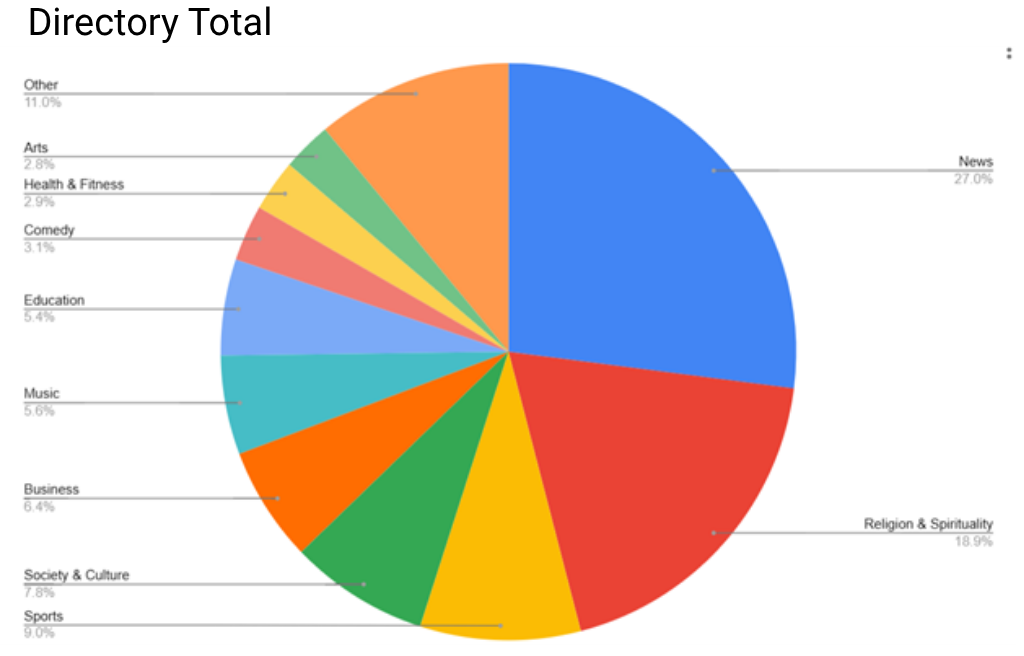
Top 10 Published by Category
BLUBRRY HOSTING
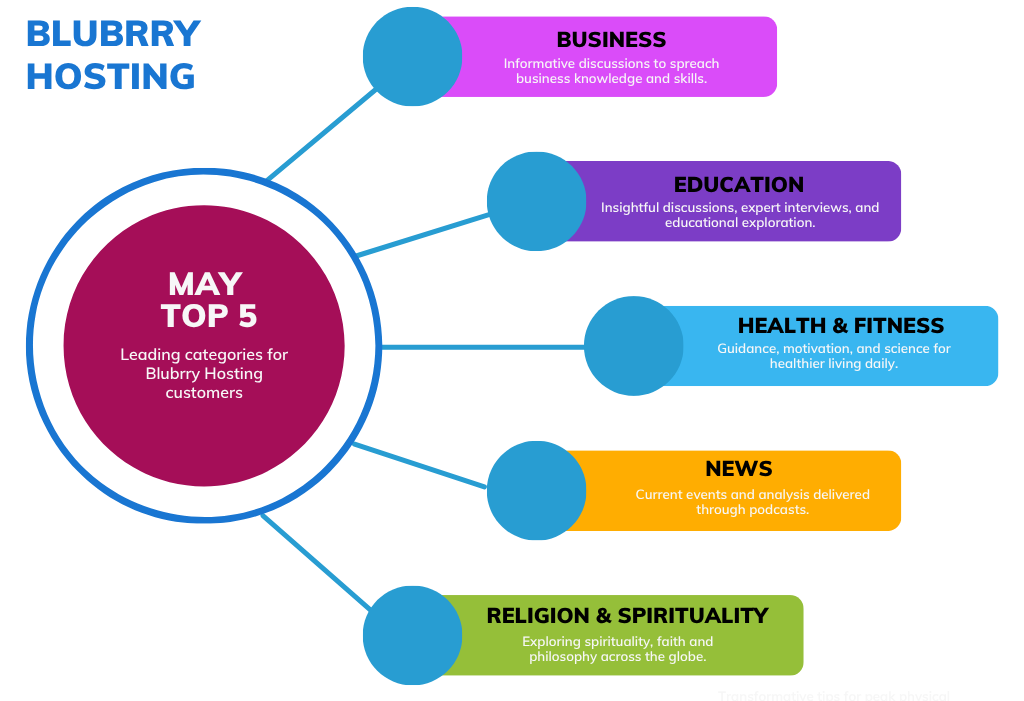
Top 5 by Category
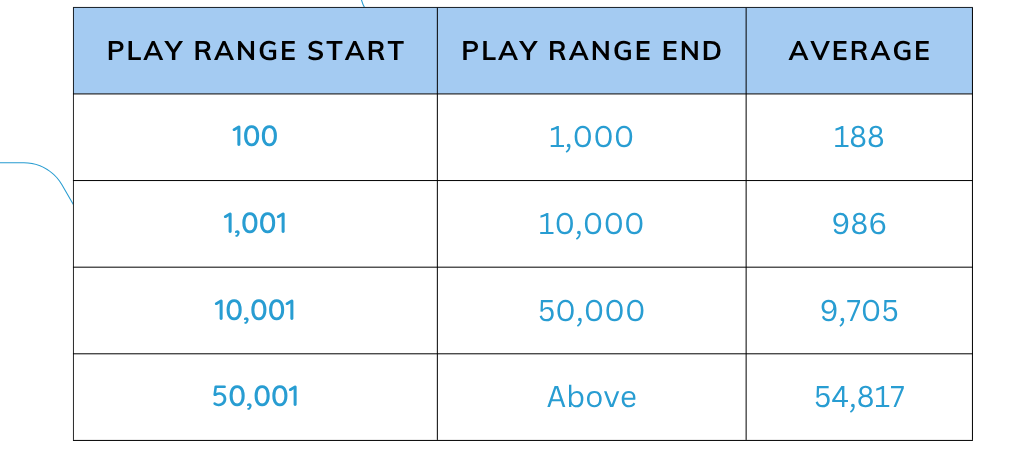
AVERAGE EPISODE LISTENS
By Show Size
Ranges are determined during the reporting period when a show meets the threshold once, aka 10,001 listens/downloads, etc. When a show meets the threshold, we include all episodes for the past 30 days that were published a minimum 10 days.
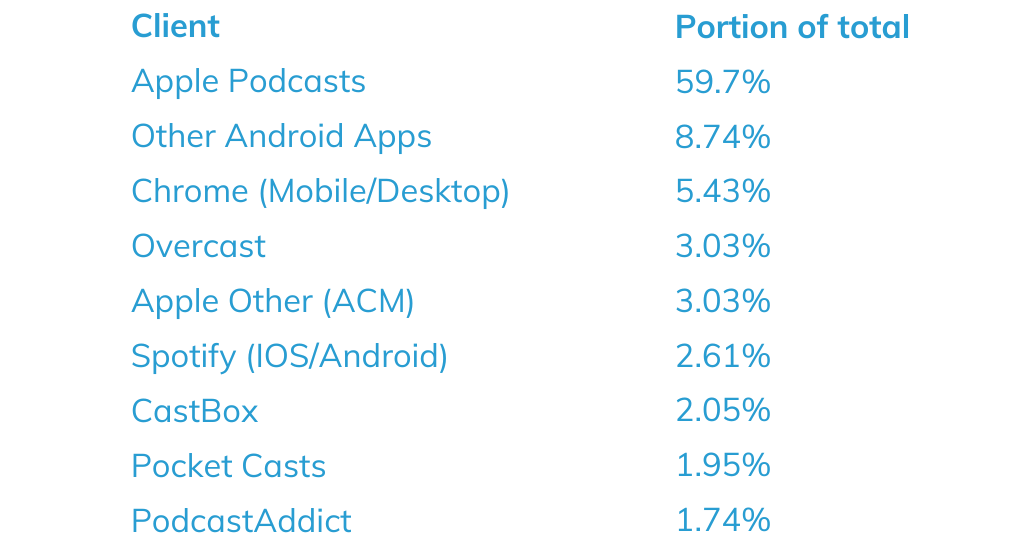
TOP CLIENTS
How Podcasts Were Consumed in May
by Platform
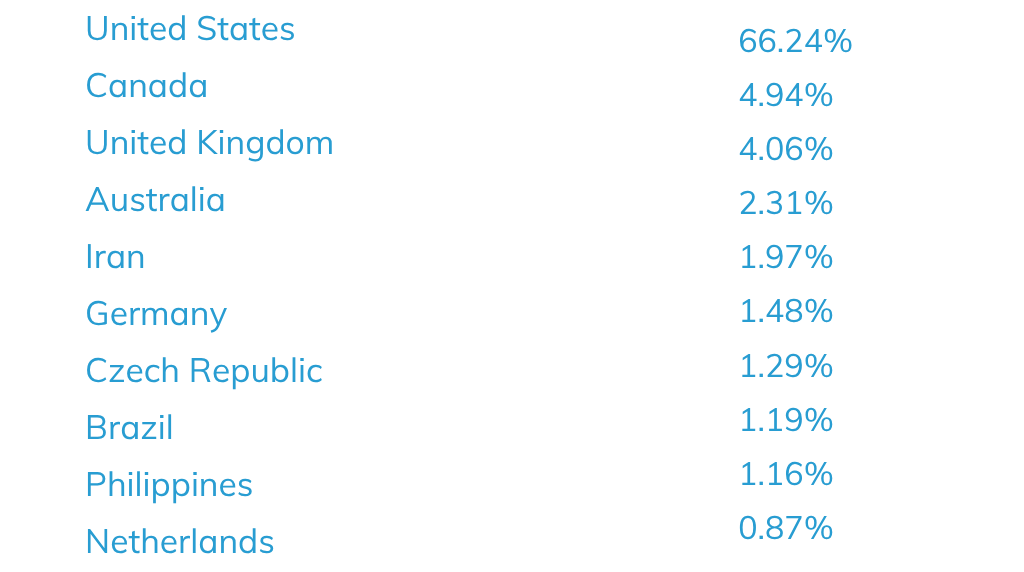
BLUBRRY TOP 10 COUNTRIES
WORLDWIDE GROWTH TRENDS
Largest Podcast Growth in May
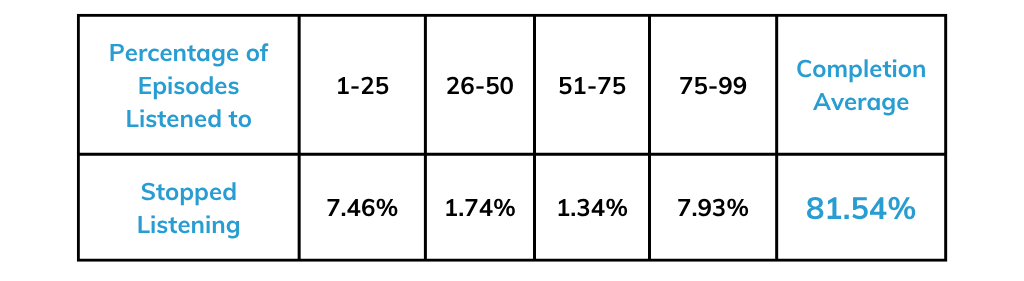
BLUBRRY GLOBAL LISTENER RETENTION
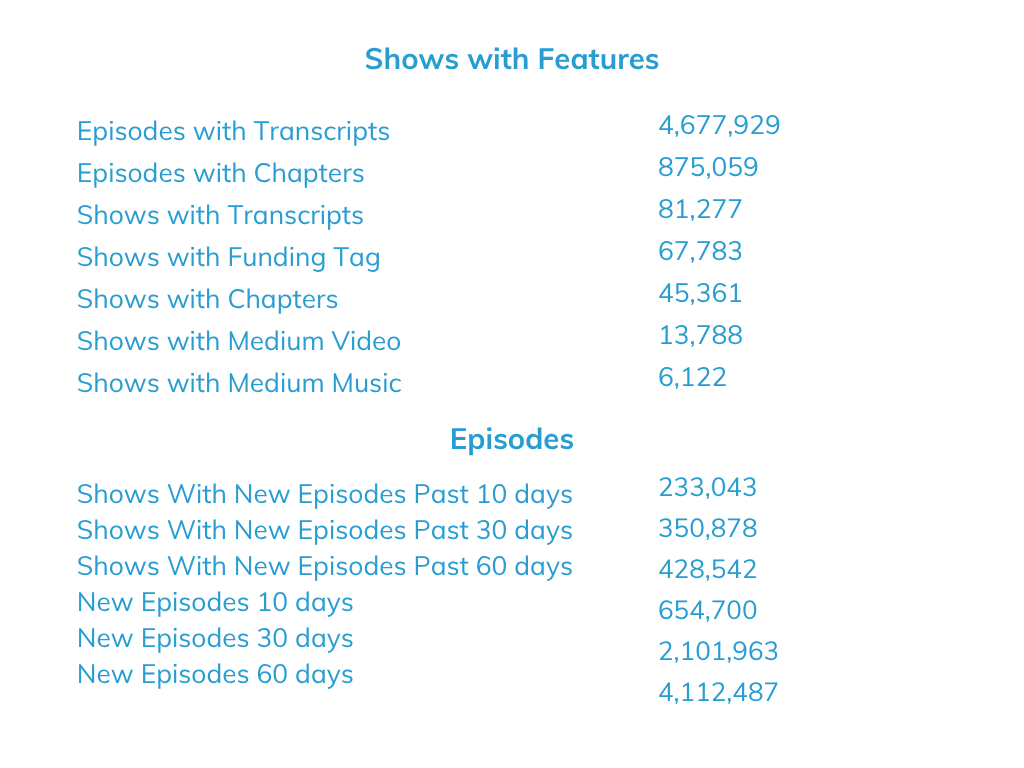
GLOBAL PODCAST INDEX STATS
Total Podcasts (as of June 4): 4,554,772
Sure, a face can launch a thousand ships, but outstanding audio can mobilize audiences across the globe. No matter how compelling your stories, interviews, or ideas are, poor sound can quickly drive listeners away. When an audience is distracted by background noise, volume imbalances, or tinny dialogue, your message is at risk of being lost. That’s why investing in clear, polished audio is more than a luxury — it’s a necessity. With this in mind, Blubrry Podcasting offers powerful tools to allow podcasters to put their best foot (or voice) forward, especially through its partnership with Auphonic for media mastering.
The Importance of Professional-Sounding Audio
Listeners have become increasingly discerning. With the abundance of high-quality content available across platforms, expectations are high. Bad audio can create a perception of inexperience or lack of professionalism, potentially causing new listeners to tune out before they even get to your best material. Conversely, polished audio builds trust and keeps your audience engaged from the first second to the last.
Whether you’re a seasoned podcaster or just starting, the truth is clear: audio quality can make or break your podcast. That’s why mastering your sound is as important as preparing your script or editing your show notes.
Media Mastering with Blubrry and Auphonic
To support podcasters in elevating their audio, Blubrry has partnered with Auphonic, a globally recognized media mastering service, now integrated seamlessly into the Blubrry platform. This collaboration means Blubrry podcasters can access industry-standard audio processing without ever leaving their hosting dashboard.
Here’s how it works:
Automatic Leveling: Auphonic adjusts loudness to broadcast standards, ensuring consistency across episodes and listening devices.
Noise Reduction: Unwanted background hums, clicks, or hiss are minimized or eliminated entirely, leaving your voice front and center.
Filtering and Equalization: Your audio gets polished with the right frequency balance to enhance clarity and depth.
Loudness Normalization: Episodes are optimized so they don’t vary in volume from one to the next, an essential for listener comfort.
This process is ideal for podcasters who want professional-quality sound without needing to become audio engineers. Simply upload your file to Blubrry, enable Auphonic processing, and let the system do the heavy lifting. It’s that easy—and the results are outstanding.
Tips for Better Audio Quality
While Auphonic’s media mastering helps elevate your final product, great sound starts with smart recording practices. Here are some quick tips:
Use a Quality Microphone: USB microphones are a good start, but investing in an XLR mic with an audio interface can significantly improve sound fidelity.
Record in a Quiet Environment: Choose a small, carpeted room with soft furnishings to reduce echo. Turn off fans, AC units, or other ambient noise sources.
Wear Headphones: Monitor your audio as you record to catch problems like clipping or feedback in real time.
Maintain a Consistent Distance: Stay a few inches from the mic and use a pop filter to reduce plosives.
Test Before You Record: Do a short test run and listen back. You’ll catch many issues this way before committing to a full session.
Blubrry’s Commitment to Your Success
At Blubrry, your podcast’s success is our mission. Whether you’re publishing your first episode or your hundredth, we offer the tools and support to help every podcaster sound their best. From analytics and hosting to distribution and mastering, Blubrry is your all-in-one platform for podcasting excellence.
By combining intuitive features with partnerships like Auphonic, we empower creators to focus on what they do best—telling great stories—while we take care of the technical details. Because when your podcast sounds professional, it commands attention.
In podcasting, first impressions matter. Let Blubrry and Auphonic help make yours unforgettable.
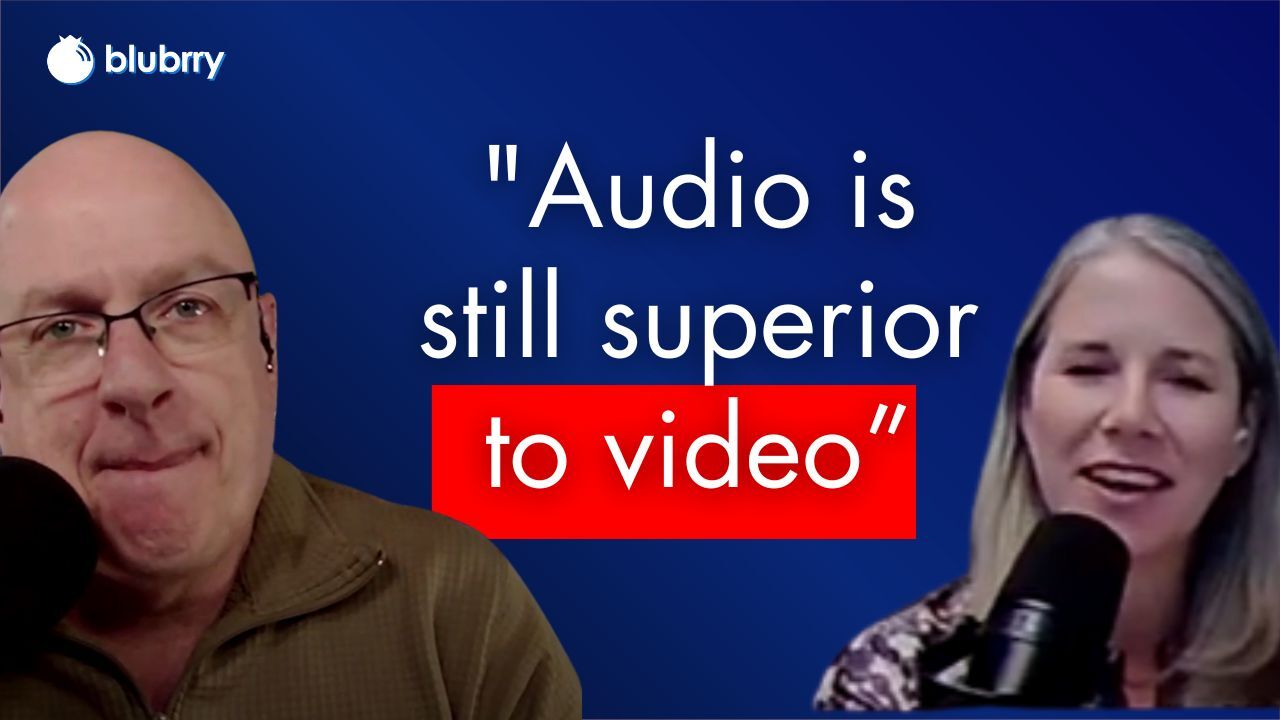
On this special edition of Podcast Insider, Todd Cochrane, CEO of Blubrry Podcasting, sat down with Heather Osgood, founder of True Native Media, to discuss the evolution and current landscape of podcast advertising. With a rich background in ad sales and entrepreneurship, she has been at the forefront of connecting podcasters with advertisers for nearly a decade.
Heather launched True Native Media nine years ago with the mission to represent independent podcasters. At the time, most agencies only worked with shows that had thousands and thousands of downloads per episode. Heather saw untapped potential in smaller shows and proved otherwise to the market, successfully selling ads on more modestly sized podcasts.
“I started the company really to service the independent creator,” she explained. “At that time, you had to have 50,000 downloads per episode to get representation. I knew I could sell podcasts that were smaller than that.”
While her agency now partners with larger shows as well, her initial goal to empower indie creators continues to resonate.
A central theme in Heather and Todd’s conversation was the shift from embedded to dynamic ad insertion. In the early days, ads were baked into episodes permanently, which limited their flexibility. Today, dynamic ad insertion allows ads to be swapped in and out across an entire catalog. This has made smaller shows more attractive to advertisers, enabling higher overall impression counts and better campaign scalability.
“With dynamic ad insertion, we can serve a much larger number of impressions,” Heather noted. “An advertiser can come to us, and we might say, ‘This show has 10 to 15,000 unique listeners, but we can serve you 50,000 impressions over 30 days.’ That really has helped us.”
Programmatic advertising has also taken center stage. Osgood highlighted that while CPMs (cost per thousand impressions) in programmatic campaigns may not reach the heights of direct host-read ads, the trade-off in convenience and predictability is significant. Many podcasters value the “set-it-and-forget-it” nature of programmatic ads, especially when those earnings cover production costs or fund growth strategies.
Attribution, Brand Safety, and Targeting
With the growing sophistication of podcast ad tech, attribution and brand safety have become top priorities. Heather emphasized the importance of pixel tracking, noting that it has become a non-negotiable for many advertisers.
“Having pixel tracking is more important than anything else,” she said. “Advertisers don’t really care where the results are coming from—they just care that the results are there. And the pixel can prove that.”
Brand safety tools also help ensure that ads align with show content, offering contextual targeting and geotargeting options, especially crucial for programmatic ad buys.
The Video Conundrum
Todd and Heather also tackled the ongoing discussion between audio and video in podcasting. While video podcasts and simulcasts are gaining popularity, Heather cautioned against abandoning audio.
“Audio is still superior to video in the podcast space from an advertising perspective,” she stressed. “There’s a huge push to video, but we can’t lose sight of the fact that we are an audio platform.”
Advertisers continue to show stronger interest in audio inventory, and listener engagement tends to be deeper, especially with retention rates around 80%. Meanwhile, YouTube viewership can be unpredictable — some videos explode in popularity while others stagnate.
A Dual Strategy for Monetization
Ultimately, Heather advocates for a hybrid model combining direct host-read ads with programmatic placements. This dual strategy allows podcasters to maximize revenue without sacrificing listener experience. For those just starting out or operating on smaller budgets, programmatic can be a lifeline—one that not only offsets costs but also incentivizes growth.
As podcasting continues to mature, industry leaders like Heather Osgood and Todd Cochrane are helping creators navigate the evolving ecosystem. One thing remains clear: in podcast advertising, flexibility and innovation are key.
We challenge you to find an adult who hasn’t been affected — directly or indirectly — by Alzheimer’s disease or some form of cognitive decline. Whether through a parent, partner, grandparent, or even personal concerns about memory loss, Alzheimer’s touches nearly everyone at some point in life. That’s why June, Alzheimer’s and Brain Health Awareness Month, is such a crucial time for conversation, education, and empowerment.
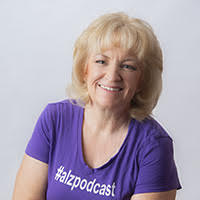
At Blubrry, we’re honored to spotlight a creator who is not only a dedicated podcaster but also an advocate, a daughter, and a source of strength for countless caregivers. This month, we celebrate Jennifer Fink, host of the podcast Fading Memories, as our June Podcaster of the Month.
A Personal Path to Public Advocacy
Jennifer didn’t initially set out to become a voice for dementia caregivers. A professional portrait photographer for many years, she found herself in the role of family caregiver after the death of her father in 2017. As her mother’s cognitive decline progressed, Jennifer looked to podcasts for guidance and support, but found very little that spoke directly to her challenges.
So she created what she couldn’t find.
Jennifer Fink
Drawing from personal experience and an unshakable commitment to understanding Alzheimer’s, Jennifer launched Fading Memories, a podcast that speaks directly to the needs of caregivers. With warmth, empathy, and curiosity, she interviews experts, shares practical tools, and brings visibility to the challenges faced by millions of families around the world.
Jennifer’s connection to dementia runs deep. She is the daughter, granddaughter, and great-granddaughter of women who experienced Alzheimer’s or other cognitive impairments. This generational legacy drives her mission — not only to support others but to better understand how to safeguard her own brain health and prevent becoming the fourth generation impacted by this devastating disease.
A Lifeline for Caregivers
At its core, Fading Memories is a space of understanding and education. It’s a lifeline for caregivers who may feel isolated or overwhelmed. The podcast covers a wide range of topics — everything from the earliest signs of dementia to meaningful memory care activities that enhance quality of life.
The Fading Memories website is more than simply a podcast homepage — it’s a comprehensive hub for Alzheimer’s and brain health education and caregiver support. Whether you’re looking to understand the early signs of dementia, find answers to commonly asked questions, or explore ways to connect meaningfully with someone who is losing their memories, Jennifer has curated resources that meet listeners exactly where they are.
Categories such as “What is Alzheimer’s?”, “Dealing with Challenges” and “Support for Caregivers” provide valuable guidance in an accessible format. Her mission is simple yet profound: to help caregivers feel seen, supported, and empowered.
Honoring Brain Health Awareness Month
Alzheimer’s and Brain Health Awareness Month reminds us that brain health is everyone’s concern. Whether you’re actively caring for someone with dementia or simply looking to preserve your own cognitive vitality, podcasts like Fading Memories are an essential part of that journey. They offer more than just information—they offer connection.
As Jennifer says through her work, knowledge is power, but empathy is the foundation. Her podcast encourages both, fostering a sense of community that is often missing in the world of caregiving.
So this June, we invite you to listen, learn, and share. Explore Fading Memories, connect with Jennifer’s story, and join the growing movement to support brain health for all.
Congratulations and thank you to Jennifer Fink, our June Podcaster of the Month — you’re making a difference one episode at a time.
Being discoverable is as important as producing quality content. For podcasters, mastering podcast SEO (search engine optimization) can be the key to reaching new audiences and climbing the ranks on search engines and listening platforms. Dave Clements, a seasoned tech support analyst at Blubrry, recently shared insights on how podcasters can optimize their shows to attract more listeners.
“If you’ve ever wondered why your podcast isn’t being found as easily as you’d like — whether on Google, Bing, or even on platforms like ChatGPT — stick around,” Dave says. “We’re diving into what podcast SEO is, why it matters, and how you can use it to your advantage.”
Why SEO Matters for Podcasters
While SEO is commonly associated with blogging, Dave emphasizes that podcasts are equally ripe for search engine visibility. As he explains, “When someone types in a topic you cover — like ‘true crime in Arizona’ or ‘marketing tips for small businesses’ — you want your episode to show up. But that won’t happen unless you optimize your show and episodes.”
Building a Strong SEO Foundation
The basics start with structure. “Keep your show name clear and relevant,” Dave advises. “Don’t stuff it with keywords, but give enough context so listeners and search engines know what your show is about.”
Owning your domain is also critical. “With PowerPress on a WordPress site under your own .com, Google sees you as the original content source,” he explains. This offers a significant SEO advantage over using third-party subdomains.
Dave also highlights the importance of a searchable show description and wise category selection. “Apple Podcasts lets you choose up to three categories. Use them to align your content with the right audience.”
Optimizing Episode-Level Content
Beyond show-level SEO, Dave encourages podcasters to be intentional with episode titles and show notes. “Keep titles descriptive, not clickbait,” he says. “Show notes are like mini blog posts—use keywords naturally and summarize the episode content clearly.”
Transcripts, he adds, are “your secret SEO weapon.” Embedding them in your RSS feed gives search engines a full textual record of your content, improving your discoverability on platforms like Google, Perplexity, and even ChatGPT.
Linking Strategies and Social Media
Dave underscores the power of backlinks and internal linking. “Invite guests who’ll share your episode link, and link between your own episodes. That tells search engines your content is connected and valuable.”
While social media doesn’t directly boost SEO, it can drive valuable traffic. “Link to your .com in the comments, not just the post,” Dave suggests. “That can help avoid penalties from platforms trying to keep users onsite.”
Why PowerPress and Blubrry Hosting Matter
Ultimately, the tools you use can make all the difference. “With Blubrry’s PowerPress plugin, you control your content and feed, which is crucial for SEO,” Dave explains. “Add tools like Yoast to your WordPress site and you’ve got a powerful, optimized setup.”
“It’s time to make your podcast searchable, discoverable, and unstoppable,” Dave concludes. “Record for your audience, and write for Google.”
For podcasters ready to take control of their SEO game, Blubrry and PowerPress offer a tried-and-true solution built for discoverability from day one.
Save Money as You Step Up to Our Professional Hosting Plan
As your podcast grows into a thriving brand, your tools must grow with you. Whether you’re managing a podcast network, diving deep into monetization, or leveraging cutting-edge AI tools, Blubrry’s Professional Hosting Plan offers far more than extra storage — it delivers the strategic infrastructure to elevate your podcasting operation.
Here are five compelling reasons to step up to Blubrry’s Professional Hosting Plan that go well beyond gigabytes:
If you’re managing multiple shows under a podcast network, the Professional Plan is a game-changer. You’ll gain access to powerful network management tools that allow you to:
Organize, oversee, and analyze multiple shows from a single dashboard.
Provide team access across shows while maintaining role-based permissions.
Seamlessly brand your network and cross-promote episodes or series.
These capabilities make scaling your podcast network organized, efficient, and impactful, critical for media companies or brands operating at scale.
2. Seamless AI Integration to Supercharge Production and Promotion
Modern podcasters are embracing AI to plan, produce, and promote their shows, and the Professional Plan is designed to meet their needs there.
With AI Companion integration, you can:
Automate episode summaries, show notes, and transcripts.
Get intelligent insights to improve engagement and discoverability.
Accelerate production workflows with AI-enhanced metadata and social sharing content.
Blubrry doesn’t just support AI — it helps you get more from it, turning your raw recordings into polished, ready-to-share content faster than ever.
These tools give you enterprise-level monetization without compromising your listener experience.
Step Up Strategically — And Save While You Scale
Choosing Blubrry’s Professional Hosting Plan isn’t just an upgrade — it’s a smart investment in your podcast’s long-term growth and profitability. With network-level organization, AI-driven production support, and advanced monetization tools, you’re not just saving money — you’re positioning your podcast to thrive in a competitive landscape.
Whether you’re expanding a network, building a business, or elevating your brand, Blubrry’s Professional Hosting gives you the tools to operate like a pro with pricing that helps you grow like one, too.
Choosing the right podcast hosting platform can make or break your show. Whether you’re launching your first episode or refining an established series, the right host helps you build your brand, reach your audience, and grow with confidence.
Sit down with Dave Clements, tech support analyst at Blubrry Podcasting, to break down what podcasters should look for in a hosting platform — and what to avoid.
Why a Dedicated Host Matters
You may be tempted to stick with free or ultra-basic services, or even just upload episodes to YouTube. But Dave cautions against it:
“From someone in the trenches of podcast support every day, I can tell you — owning your RSS feed is critical,” he says. “Using a platform that doesn’t let you control your feed is like building your dream house on someone else’s property.”
Ownership means security, control, and the ability to move your content or grow your brand on your terms. Dave also emphasizes the value of having your own customizable podcast site.
“A dedicated website lets you stand out, build relationships with your audience, and control your branding in ways that cookie-cutter platforms just can’t.”
What to Look for in a Hosting Platform
So, what separates a great podcast host from a mediocre one? According to Dave, four key pillars are essential: reliability, analytics, monetization tools, and customization.
Reliability & Speed – Your episodes should load fast and stream without hiccups. Listener experience is everything.
Comprehensive Analytics – “Understanding your audience isn’t optional—it’s how you evolve,” Dave notes. Accurate metrics like downloads, trends, and listener locations help you grow strategically.
Monetization Tools – Whether you’re ready to monetize or planning, features like dynamic ad insertion set you up for success.
Customization & Ownership – From domain name to design, having full control over how your podcast is presented makes all the difference.
Avoid the Pitfalls of “Free”
While free services might seem appealing, they often come with strings attached — limited customization, subpar analytics, or even control over your feed.
“I won’t name names,” Dave says with a grin, “but some big-name platforms are easy to get into — and just as easy to outgrow. We see podcasters switch all the time after hitting roadblocks.”
He adds that some popular services have outdated interfaces or lack support for scaling up, making long-term growth harder than it needs to be.
Think Long-Term from Day 1
Even if you’re not expecting to launch a network or attract sponsors right away, Dave encourages podcasters to think ahead.
“You might not need all the bells and whistles now,” he explains, “but it’s better to start on a platform that lets you grow rather than scrambling to migrate later.”
From One Show to Many: Professional Podcasting is the Way to Go
At Blubrry Podcasting, we know firsthand how a single podcast can spark a bigger vision. One show leads to another — maybe it’s a spinoff, a fresh niche, or a collaboration with other creators. Before long, you’re managing multiple shows and thinking like a network. That’s why we built our tools and hosting plans to grow with you. Are you ready to be a pro? Now is a great time to check out our Professional Hosting!
If you’re a podcaster eager to evolve from one show into many, the transition requires more than creativity — it takes infrastructure. Here’s how to scale your podcasting operation efficiently, and how Blubrry is here to support your every step.
1. Plan for More Storage and Bandwidth
Multiple shows mean more content — more episodes, more media files, and increased listener traffic. That calls for expanded storage and bandwidth. Blubrry’s Professional Hosting plans are designed with multi-show creators in mind, offering generous monthly storage starting at 1,000 MB and bandwidth capable of supporting large audiences across your podcast lineup.
Our robust CDN ensures fast and reliable delivery of your audio files—whether you’re producing two shows or twenty. No more juggling accounts or worrying about outgrowing your plan.
2. Stay Organized with the Network Feature
Managing multiple podcasts can quickly become chaotic without the right system. Blubrry’s Network feature provides centralized management for podcast networks, agencies, or any podcaster juggling several shows. This tool allows you to view and manage all of your podcasts from one account while maintaining individual branding and RSS feeds for each show.
This network hub gives you visibility across your content—think analytics, storage use, and team access—all in one place. It’s the command center you didn’t know you needed, and it’s only available with our Professional Hosting plans.
3. Monetize More Effectively
As your podcast footprint grows, so do your monetization opportunities. With multiple shows, you can offer advertisers access to a broader audience or target specific niches within your network. Blubrry helps you make the most of this with dynamic ad insertion and detailed podcast analytics.
Plus, our partnership with programmatic ad platforms means even smaller shows can start generating revenue. Combined with Blubrry’s IAB-certified statistics, you’ll be able to showcase the value of your network to sponsors with confidence.
4. Keep Growing with Reliable Support
Scaling your podcast efforts shouldn’t be overwhelming. That’s why Blubrry includes priority support with our professional plans.
Whether you need help organizing your network, optimizing for monetization, or just troubleshooting an issue, our expert U.S.-based support team is here for you.
Ready to Go Pro?
Your podcasting journey doesn’t have to stop at one show. With Blubrry’s Professional Hosting and network feature, you’re equipped to build a thriving podcast network that’s scalable, profitable, and professionally managed.
Podcasting isn’t just for the public airwaves anymore. Behind the scenes, organizations are tapping into private podcasting to revolutionize communication, training, and community-building securely and efficiently.
1. Corporate Communications That Actually Get Heard
Forget buried emails and ignored intranet updates. Private podcasting transforms internal communication into a dynamic, on-the-go experience. Executives can deliver updates, managers can reinforce company goals, and teams can stay aligned — all with the intimacy and convenience of audio.
Blubrry’s secure delivery ensures only your employees can tune in, while advanced listener analytics let you know who’s engaged. Whether company-wide town halls or department-level insights, private podcasting keeps your message personal and powerful.
2. Streamlined Training and Onboarding
New hires don’t need to be bombarded with binders and Zoom calls. Instead, deliver training modules and onboarding content through a private podcast feed. Team members can listen at their own pace — at their desk or on their commute — making the learning experience smoother and more efficient.
Private podcasting also works great for continuous education. Whether it’s product updates, compliance refreshers, or leadership coaching, your team gets the info they need without the scheduling stress.
3. Premium Content for Paying Members
Running a membership-based business? Private podcasting is your secret weapon. Offer early access, bonus episodes, or completely exclusive shows to your subscribers and fans. With invite-only feeds and user authentication, Blubrry gives you full control over who gets in.
This is perfect for fitness coaches, educators, faith communities, and thought leaders—anyone offering a subscription model or digital membership perks.
4. Educational Institutions & Course Creators
Professors, universities, and online instructors can use private podcasting to distribute course content, lecture series, or supplementary materials. Students get flexible access to learning, and educators can maintain secure, segmented feeds for different classes or cohorts.
Got a hybrid learning model? Podcasts meet students where they are—online, on-demand, and in their earbuds.
5. Nonprofit and Advocacy Communications
Nonprofits can harness private podcasting to connect more intimately with donors, board members, or volunteers. Share behind-the-scenes updates, leadership insights, or campaign progress—privately and securely. It’s a great way to build trust and transparency with your inner circle.
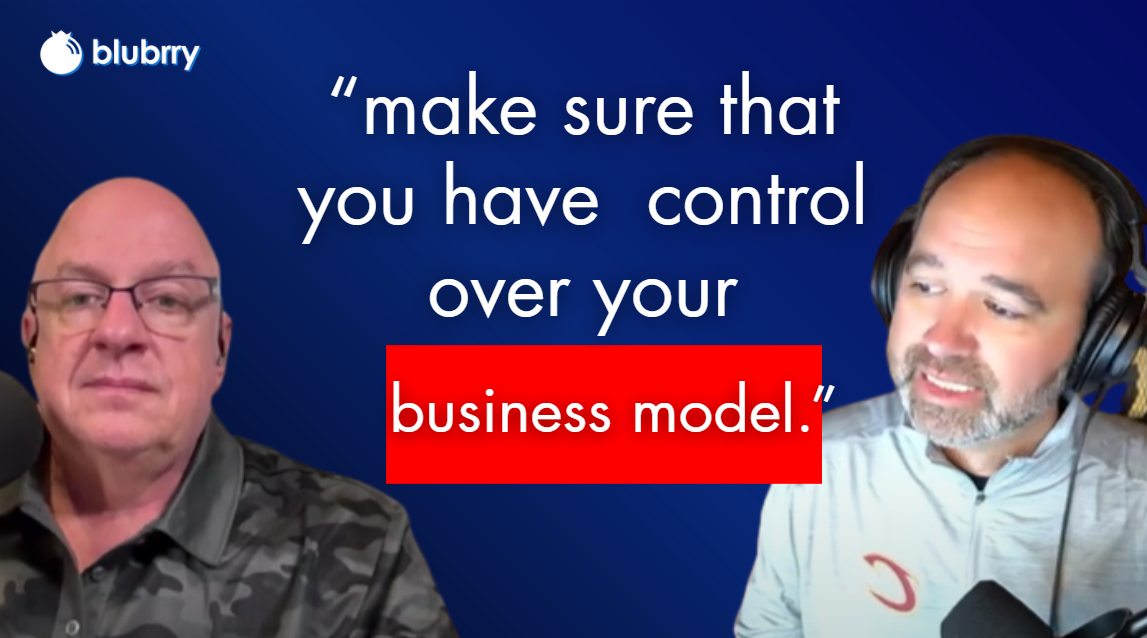
In this special episode of Podcast Insider, Blubrry CEO Todd Cochrane sat down with Joe Pulizzi, one of the original evangelists of content marketing and founder of industry-shaping initiatives like The Tilt, Content Entrepreneur Expo, and the Content Marketing Institute. Their conversation covered a broad and deeply insightful range of topics — from owning your digital real estate to building sustainable media brands in the age of AI.
Owning the Platform: Build on Your .com
One of the most pressing themes of the conversation was the danger of building an audience on “rented land” — third-party platforms such as YouTube, TikTok, or Meta. Joe and Todd stress the importance of owning your stack: your domain, email list, and content channels.
Todd shared stories of creators who lost their livelihood almost overnight when platform algorithms changed or accounts were deactivated. Joe illustrated this through the hypothetical (but very real) risk that someone like Mr. Beast faces: despite having 300 million followers on YouTube, he ultimately doesn’t control access to his audience.
“If you let another platform control that, I can’t tell you what your planning should be for tomorrow.” – Joe Pulizzi
Their advice? Establish a direct line to your audience. A website and newsletter give creators long-term resilience, whereas algorithms and terms of service can change overnight.
Content Mission and the “Tilt”
Joe introduced one of his signature concepts: “the content tilt.” It’s the differentiating angle that helps your content stand out in an increasingly crowded digital space. Before creators dive into producing content, he urges them to define their content mission statement — an editorial blueprint answering:
Who is the audience?
What value will they get?
What is the expected outcome?
“You want to figure out a way to differentiate. Then once you do that, we say, okay, we want to build a mission statement from that.” – Joe Pulizzi
He emphasized that this foundation makes it easier to say no to content that doesn’t serve the mission, helping creators stay focused and aligned.
AI in Content Creation: Use With Care
While both speakers acknowledged the powerful efficiencies brought by AI, Joe was adamant about maintaining a human voice in content creation. He advocates for using AI to assist with research, persona building, and strategic planning, but not as a substitute for storytelling.
“When you start having [AI] create content from other people’s content… I think you’re taking away your content soul.” – Joe Pulizzi
He suggested that in a future saturated with machine-generated content, human-driven narratives will stand out as differentiators.
Start Small, Scale Smart
Another practical takeaway was Joe’s advice to build a minimum viable audience through one primary content channel—be it a podcast, newsletter, or YouTube channel—before expanding. Only after creating a solid base should creators begin branching out.
He personally focuses on his newsletter, podcasts, and book sales, with limited engagement on social media — specifically, LinkedIn, which he deems most relevant for his audience.
Email as Community Hub
While many creators chase vanity metrics on social media, Joe pointed out that email remains the most powerful community-building tool. He explained how his newsletter often spurs real dialogue with readers—something many podcasters struggle with when building community.
Check out the video, as this discussion between two veterans of the content world offers a powerful reminder: while platforms and tools may change, strategy, audience connection, and content ownership are timeless. For content entrepreneurs navigating the complex media ecosystem, Joe and Todd offer a roadmap built on authenticity, sustainability, and strategic control.

 Be sure to check out everything Blubrry Podcasting offers, including top-tier hosting, analytics, and tools to simplify the podcast process, including through the Thrive Bundle.

 To support podcasters in elevating their audio, Blubrry has partnered with Auphonic, a globally recognized media mastering service, now integrated seamlessly into the Blubrry platform. This collaboration means Blubrry podcasters can access industry-standard audio processing without ever leaving their hosting dashboard.
 While Auphonic’s media mastering helps elevate your final product, great sound starts with smart recording practices. Here are some quick tips:
 A central theme in Heather and Todd’s conversation was the shift from embedded to dynamic ad insertion. In the early days, ads were baked into episodes permanently, which limited their flexibility. Today, dynamic ad insertion allows ads to be swapped in and out across an entire catalog. This has made smaller shows more attractive to advertisers, enabling higher overall impression counts and better campaign scalability.
 Todd and Heather also tackled the ongoing discussion between audio and video in podcasting. While video podcasts and simulcasts are gaining popularity, Heather cautioned against abandoning audio.
 Being discoverable is as important as producing quality content. For podcasters, mastering
 The basics start with structure. “Keep your show name clear and relevant,” Dave advises. “Don’t stuff it with keywords, but give enough context so listeners and search engines know what your show is about.”
 Dave underscores the power of backlinks and internal linking. “Invite guests who’ll share your episode link, and link between your own episodes. That tells search engines your content is connected and valuable.”
 Save Money as You Step Up to Our Professional Hosting Plan
 If you’re managing multiple shows under a podcast network, the Professional Plan is a game-changer. You’ll gain access to powerful network management tools that allow you to:
 Modern podcasters are embracing AI to plan, produce, and promote their shows, and the Professional Plan is designed to meet their needs there.
 Monetizing a podcast is more than dropping in ads — it’s about doing it strategically and sustainably.
 Choosing the right
 So, what separates a great podcast host from a mediocre one? According to Dave, four key pillars are essential: reliability,
 Even if you’re not expecting to launch a network or attract sponsors right away, Dave encourages podcasters to think ahead.
 At Blubrry Podcasting, we know firsthand how a single podcast can spark a bigger vision. One show leads to another — maybe it’s a spinoff, a fresh niche, or a collaboration with other creators. Before long, you’re managing multiple shows and thinking like a
 Managing multiple podcasts can quickly become chaotic without the right system. Blubrry’s Network feature provides centralized management for podcast networks, agencies, or any podcaster juggling several shows. This tool allows you to view and manage all of your podcasts from one account while maintaining individual branding and RSS feeds for each show.
 Scaling your podcast efforts shouldn’t be overwhelming. That’s why Blubrry includes priority support with our professional plans.

 Running a membership-based
 In this special episode of Podcast Insider, Blubrry CEO Todd Cochrane sat down with Joe Pulizzi, one of the original evangelists of content marketing and founder of industry-shaping initiatives like