
Blog

  • Why Your Podcast RSS Feed Needs Podcast Mirror

    Why Your Podcast RSS Feed Needs Podcast Mirror

    Your podcast RSS feed is the lifeline of your show. It delivers your episodes to Apple Podcasts, Spotify, and every podcast directory your audience uses. But what happens when that feed gets bogged down by hundreds of episodes, unpredictable traffic spikes, or outdated tech? Slowdowns. Errors. Missed opportunities.

    That’s where Podcast Mirror comes in — a simple but powerful tool created by Blubrry Podcasting to give your podcast RSS feed the boost it deserves.

    Many podcasters don’t even realize their RSS feed is slowing them down — literally. Podcast Mirror acts as a fast, reliable copy of your original feed, speeding up delivery while adding advanced features your show needs to stay ahead.

    A Speed Boost for Your Growing Show

    Podcast Mirror is especially valuable for shows with a large catalog of episodes. The more you publish, the heavier your RSS feed gets. That means longer load times for podcast apps—and a higher chance listeners won’t see your newest episodes right away.

    Podcast Mirror lightens the load with optimized caching and fast servers, giving your podcast RSS feed a serious performance boost. Whether your audience is growing steadily or you suddenly go viral, your feed won’t buckle under the pressure.

    Rock-Solid Reliability
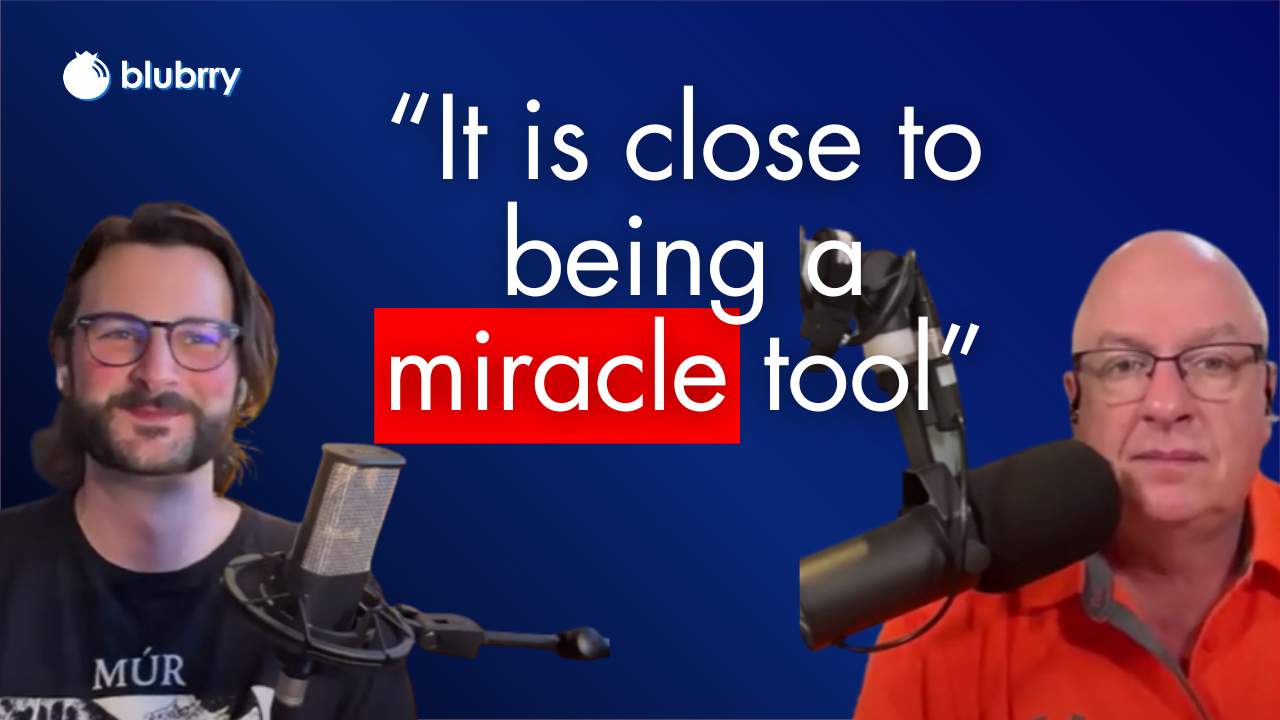
    Podcast Mirror logoLet’s face it: your web host probably wasn’t built to handle podcast syndication. That’s why Podcast Mirror exists. It’s powered by Blubrry’s robust infrastructure, built for podcasters by podcasters. It acts as a smart middle layer between your PowerPress-powered site and the apps that distribute your show.

    If your website ever has issues or gets overwhelmed, Podcast Mirror keeps your feed online and your listeners connected. It’s like having a backup generator that kicks in before the lights go out.

    Ready for Podcasting 2.0

    Podcasting is evolving fast, and your feed needs to keep up. Podcast Mirror is built with Podcasting 2.0 in mind, supporting leading-edge tags and features such as transcripts, funding links, and chapters.

    As more apps adopt these enhancements, Podcast Mirror ensures your show is future-ready, without you needing to code anything yourself. You get to focus on making great content while your tech keeps pace.

    Free for Blubrry Hosting Users

    Here’s the best part: if you host your podcast with Blubrry, Podcast Mirror is 100% free. And it’s already integrated with PowerPress, so setup is simple and streamlined.

    Not a Blubrry customer? You can still use Podcast Mirror for just $60 a year—a small price to pay for speed, reliability, and peace of mind.


    Your podcast RSS feed shouldn’t be the weakest link in your publishing chain. With Podcast Mirror, you get faster load times, built-in stability, and next-gen podcasting features—all from the team that understands podcasting inside and out.

    Upgrade your feed today and keep your show moving forward, no matter how big your audience grows.

  • Why You Should Use a Podcast Feed Validator

    Why You Should Use a Podcast Feed Validator

    A Simple Step Helps Avoid Distribution Errors

    Think your podcast is everywhere it should be? Think again. Even the most seasoned podcasters may unknowingly have RSS feed issues that prevent their show from being listed — or updated — on major platforms such as Apple Podcasts or Spotify. That’s where Blubrry’s Podcast Feed Validator comes in.

    Podcast RSS feeds are not your average web feed. Unlike a blog’s RSS, podcast feeds are far more complex. They include media enclosures, iTunes tags, episode-specific metadata, and increasingly, Podcasting 2.0 tags that support features like transcripts, value-for-value, chapters, and funding links. As the ecosystem evolves, so do the standards—and that means more room for error.

    Blubrry understands how frustrating and technical feed issues can be. That’s why they’ve revitalized their Podcast Feed Validator to help creators identify and resolve problems before they cause real damage to discoverability. It’s completely free and designed to be accessible for both beginners and advanced podcasters.

    “Even a tiny formatting issue or a missing tag can prevent your show from being listed or updated in directories,” said Todd Cochrane, CEO of Blubrry. “We created the Podcast Feed Validator to take the guesswork out of RSS troubleshooting.”

    Here’s how it works:

    1. Go to castfeedvalidator.com
    2. Enter your podcast RSS feed URL
    3. Click ‘Validate Feed’
    4. Review the results – Errors and warnings will be displayed along with explanations and guidance on how to fix them.

    If your feed is perfect, you’ll get a big green light. If not, the validator will point you directly to the problems — whether it’s a malformed image URL, a missing <title> tag, or a deprecated format that could prevent future compatibility.

    As Podcasting 2.0 gains traction, maintaining a compliant and modern RSS feed becomes even more critical. Podcasting is no longer static — it’s interactive, dynamic, and evolving. And the validator helps ensure you don’t fall behind.

    It’s not just about reaching more listeners; it’s about being sure your show is reachable at all.

    Whether you’re hosting with Blubrry or another platform, using a reliable podcast feed validator regularly is a proactive step every podcaster should take. Test your feed now at castfeedvalidator.com and keep your podcast accessible, discoverable, and future-ready.

    Because if your feed breaks and no one hears it, did your episode even drop?

  • How to Repurpose Podcast Content for More Reach & Engagement

    How to Repurpose Podcast Content for More Reach & Engagement

    Maximize Your Show’s Reach With Blubrry

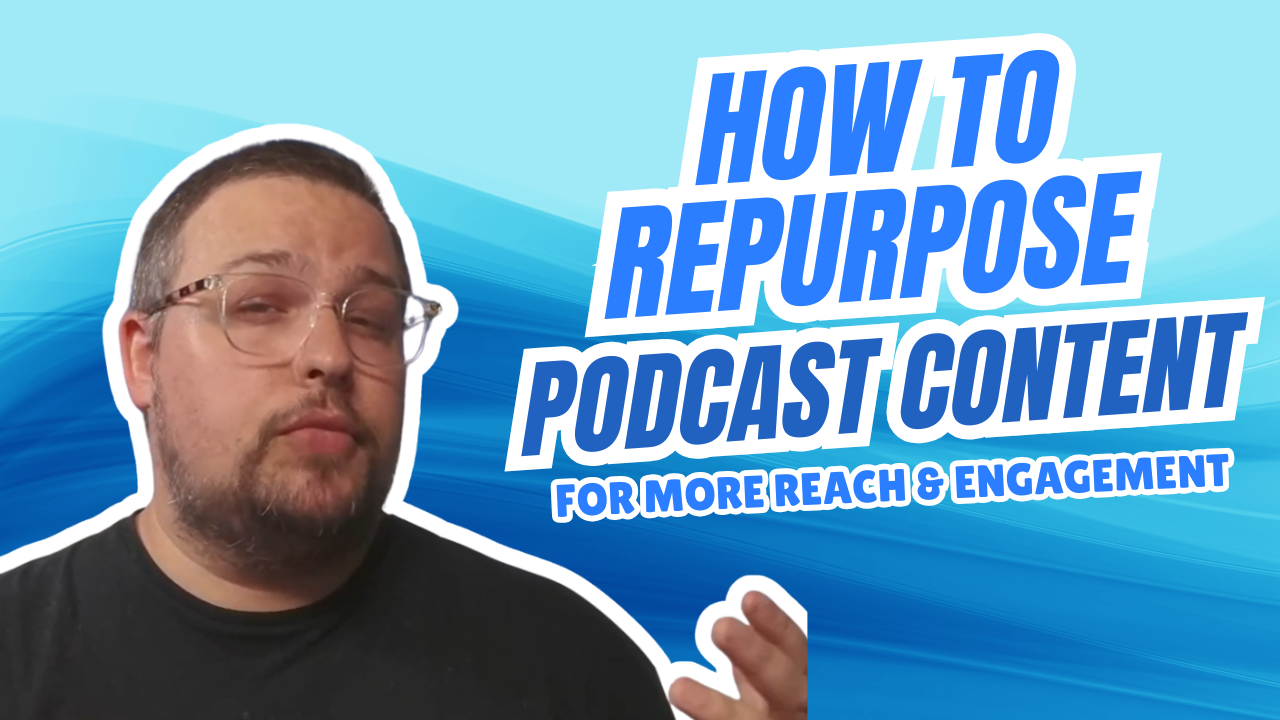
    Creating a great podcast takes dedication, creativity, and time — so why let that content work for you only once? At Blubrry, we’re all about helping podcasters get more mileage from their efforts. That’s why repurposing your podcast content is one of the smartest strategies you can use to grow your reach and boost engagement.

    “Every episode you’ve recorded is a valuable asset,” says Dave Clements from the Blubrry Support Team. “Repurposing lets you reach new audiences, reinforce your message, and keep your content evergreen.”

    Whether you’re a newbie or sitting on years of episodes, there’s untapped value waiting in your archives. Repurposing turns that value into action — and we’re here to show you how.

    Why Repurposing Matters

    Each podcast episode is more than just a one-time listen — it’s a resource. Repurposing that content helps keep it visible and valuable long after it’s published.

    “It’s not just smart — it’s essential for staying visible and relevant without burning out,” Dave explains. “You’re building long-term engagement across platforms.”

    Think blog readers, social media followers, YouTube viewers, and newsletter subscribers — all discovering your content in formats they prefer. Repurposing also gives your content a longer shelf life, keeping it fresh and discoverable over time.

    Best Practices for Smart Repurposing

    So how do you do it effectively? Start with your best-performing episodes and turn them into:

    “A two-minute tip from your show can make a great LinkedIn post, Instagram reel, or newsletter snippet,” Dave suggests. “Different platforms call for different formats — it’s not copy-paste, it’s translation.”

    Updating older episodes is also part of the strategy. Dave recommends: “Avoid overly time-sensitive language. Add follow-up updates. And use Dynamic Ad Insertion to refresh your promos without re-uploading the whole thing.”

    Let Blubrry Make It Easy

    The best part? Blubrry provides the tools to streamline the entire process.

    “We’ve built tools that make content reuse and longevity simple,” Dave says. “Everything’s just a few clicks away.”

    From your Blubrry dashboard, you can:

    And don’t underestimate transcripts. “Transcripts are a hidden gem — they’re great for blog posts, SEO, and even eBooks,” Dave notes.

    Keep Your Content Evergreen

    Repurposing isn’t just about reusing — it’s about reimagining.

    With Blubrry’s Dynamic Ad Insertion, you can even update sponsorship messages across your entire back catalog. “Your back episodes don’t have to be static — they can keep working for you,” says Dave.

    This flexibility keeps your content fresh for new listeners, even months or years after its original release.

    Use Stats to Guide Your Strategy

    Not sure where to begin? “Use your Blubrry stats to find top-performing episodes. That’s where the gold is,” says Dave.

    Let your analytics guide you — start by repurposing content that’s already resonated with your audience, then track what works best on each platform.

    “Start with what’s already working, and expand from there. It’s smart strategy, not guesswork.”

    Ready to Repurpose?

    Repurposing podcast content doesn’t just save time — it amplifies your reach and helps you build a more engaged audience. With Blubrry’s tools and support, you’re equipped to do it easily and effectively.

    As Dave puts it: “Repurposing podcast content doesn’t just save time — it boosts your impact. And with our tools and support, you’re never on your own.”

    Get started today at we-moved-the-blog-to-this-site-when-we-made-a-new-website.blubrry.com/, and let your past episodes power your future growth.

  • From Titillating to Terrifying, Michelle Aronson Tells ‘True Stories at Work’

    From Titillating to Terrifying, Michelle Aronson Tells ‘True Stories at Work’

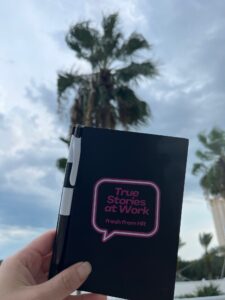
    If you’ve ever wondered what really goes on behind the scenes in Human Resources, True Stories at Work offers a front-row seat—and often a wild ride. Hosted by Michelle Aronson, a recovering HR executive, certified coach, and business school professor, this unique podcast dives into the real, sometimes hilarious, sometimes heartbreaking, always eye-opening stories that happen in workplaces around the world.

    Michelle didn’t set out to become a podcaster. In fact, the idea first came to her during a silent retreat. “I had never even listened to a podcast,” she admits. “But I always wanted to collect great workplace stories, and something about audio felt more alive and real than writing a book.” Inspired and slightly terrified, she embraced the challenge, learning the ropes and launching a show where voices and experiences take center stage.

    Now two years in, Michelle continues to record conversations with HR professionals, employment attorneys, and the occasional workplace confessor. Her guests recount tales of sex in the office, passive-aggressive sabotage, elevator harmonica performances during terminations—you name it. “People are fascinating, and HR is just people,” Michelle says. “There’s a lot of learning that happens through these stories, and a lot of laughter too.”

    Michelle Aronson

    True Stories at Work blends the fascinating paths people take into HR with some of the best stories you’ve never heard — often ending in one of the show’s standout segments: Workplace Confessions. This anonymous portion of the show invites listeners to share humorous or slightly rebellious moments from the office, like raiding the supply closet for back-to-school shopping or secretly swiping a coworker’s lunch. It’s a fan favorite, but Michelle admits that finding confessions can be a challenge.

    That’s where you come in: Do you have a workplace confession to share—something you never got “caught” for? Michelle wants to hear from you! Anonymity is guaranteed (robot voices and all). Follow this link and then the directions to confess your story! 

    Michelle’s podcast is closely tied to her professional mission. Through her business, Culture and Strategy Lab, she helps small organizations build cultures people want to be part of, with a strong focus on leadership and communication, especially in remote workspaces. Launching her consultancy during the early days of the pandemic, Michelle brings a mix of humor, humanity, and honesty to both her coaching and her podcast.

    Super swag! ‘True Stories’ guests receive gifts for taking part.

    While podcasting remains her creative outlet, it’s made waves in her professional life, too. One client introduced her to a CEO by saying, “She’s a podcaster” — a moment Michelle recalls with pride. “It flipped how I saw myself.”

    She publishes about once a month and says she’s still learning the promotional side. “I’m great at creating and connecting,” she laughs. “Now I need to get better at sharing my show with the world.” And thanks to her storytelling instincts, thoughtful interviews, and wildly memorable workplace tales, her audience continues to grow.

    Congratulations to Michelle Aronson, Blubrry’s July Podcaster of the Month. And remember: the next unforgettable workplace story might be yours — if you’re brave enough to confess.

    Listen to the Podcast Insider episode with Michelle here!

  • Christopher Grasser: Fantastic Audio is Automatic with Auphonic

    Christopher Grasser: Fantastic Audio is Automatic with Auphonic

    In a special edition of Podcast Insider, Blubrry CEO Todd Cochrane sat down with Christopher Grasser of Auphonic, the powerful audio post-production tool that many Blubrry customers rely on to master their podcast audio. What followed was a deep dive into how Auphonic works, why it matters, and what it means for podcasters, from seasoned professionals to beginners recording in their closets.
    Auphonic, now a staple in Blubrry’s media mastering integration, began over a decade ago with a simple idea: make professional-quality audio accessible to anyone.

    Where it Began

    “Our CEO Georg (Holzmann), was an avid podcast listener who noticed there were so many problems with podcast audio,” Christopher explained. “He thought, could there be a way to automate this process for people who aren’t audio engineers?”

    That vision became Auphonic — a tool that automates the most tedious aspects of audio production, such as leveling, noise reduction, and normalization. “We aim to be a toolbox for speech audio. If you drop in a file and have a problem, we’ll try to fix it—automatically.”

    Todd, who’s been podcasting since the early days, recalls how painful the audio editing process used to be.

    “You had to be a rocket scientist to do leveling in Audition or Audacity,” he said. “When I first tried Auphonic, I was like, ‘Bada bing, bada boom!’ The audio came back, and no more complaints from listeners.”

    That ease of use is intentional. “We pre-set the most important settings because if we gave podcasters a giant menu, they’d say, ‘I don’t know what to do with this,’” Christopher said with a laugh.

    The heart of Auphonic lies in its intelligent automation. Once a WAV or MP3 file is uploaded, the software analyzes the file, classifying what is speech, what is music, and what is noise, and then processes it based on the selected preferences.

    “We normalize, level, de-noise, de-reverb, and even offer transcription and silence cutting,” said Christopher. “And we’re always improving.”

    Behind the scenes, Auphonic is powered by proprietary AI models, many of which are trained by audio engineers and data scientists. “We have training servers running 24/7,” Christopher said. “We’re constantly refining our algorithms using feedback from real-world audio.”

    A Wide Range of Uses

    That real-world usage includes everything from indie podcasters to broadcasters and audiobook creators. But Christopher is clear about one thing: “We specialize in speech, not music mastering. If you’re producing a meditation podcast or an interview show, we’re your people.”

    One of the more impressive capabilities Auphonic has developed is dynamic noise reduction — perfect for podcasters who don’t record in acoustically-treated studios. “The difference between a $400 mic setup and a USB mic plugged into a laptop doesn’t matter as much anymore,” Todd noted. “Auphonic evens it out so well, even I can’t always tell the difference.”

    But what about the finer controls, such as trimming filler words or silence? Auphonic now includes optional features for those, too. “We offer customizable de-breathing, filler word detection, and silence removal,” Christopher explained. “It’s all about giving people the choice while keeping output consistent.”

    For those who want more granular control, an upcoming editor will allow users to adjust cuts manually and reprocess audio with personalized tweaks. “AI gets you 80% of the way,” Christopher said. “We want to offer the last 20% for those who need it.”

    Todd summed up what many podcasters are likely feeling: “I just want a mastered audio file I can publish—without my audience riding the volume knob.” With Auphonic, that’s exactly what they get.

    Whether you’re using Auphonic via Blubrry’s media mastering feature or directly through their site, one thing is clear: professional-sounding audio is now within every podcaster’s reach.

  • From Brand to Broadcast: Why Every Business Should Launch a Podcast Network

    From Brand to Broadcast: Why Every Business Should Launch a Podcast Network

    Networks are a smart move for businesses!

    Podcasting is no longer just a hobbyist’s game. It’s a mainstream marketing channel, a thought leadership tool, and a powerful way to engage an audience with long-form, on-demand content. But for businesses, universities, and associations, there’s an even bigger opportunity that often goes overlooked: launching a podcast network.

    Why create just one podcast when you can create and/or manage several, each with a distinct voice that reinforces your brand’s authority, educates key audiences, and unlocks new revenue and marketing opportunities?

    Why Build a Podcast Network?

    A podcast network is a collection of shows managed under one umbrella, with shared branding, purpose, and often a unified strategy. While many organizations are starting to dip their toes into podcasting with a single show, networks offer flexibility, growth, and audience segmentation.

    Here’s what makes networks such a smart content strategy:

    • Establish Brand Authority: A single show can position your organization as a leader in one niche. Multiple shows, tailored to different products, services, or interests, expand your footprint and reinforce your brand’s expertise across a broader spectrum.
    • Reach Distinct Audiences: Have a university? One podcast could focus on student life, another on academic research, and another on alumni success stories. For businesses, it might mean different shows for customer education, internal communications, or industry thought leadership.
    • Diverse Revenue Opportunities: With a network, you can pursue multiple sponsorships, insert targeted dynamic ads, and offer bundled ad packages, diversifying your income streams while providing more value to sponsors.
    • Marketing Efficiency: Promote one show, and you’ve got an audience you can guide to your other podcasts. Cross-promotion within a network drives discovery and keeps listeners engaged with your brand longer.
    • Agility and Experimentation: Not every idea needs to be a forever show. A podcast network allows you to pilot new concepts without disrupting existing content strategies. Short-run series or seasonal shows can live under the same roof.

    How Blubrry Makes It Easy

    You don’t need a production company or a large media team to manage a network. Blubrry’s Professional Hosting plan and Network Tool give businesses of all sizes the infrastructure they need to start and scale a podcast network efficiently.

    With Blubrry, you can:

    • Host Multiple Shows Under One Account: Centralized control makes it simple to oversee multiple podcasts from one dashboard.
    • Customize Branding and Presentation: Ensure your network maintains a consistent identity while giving each show its own flavor.
    • Access Detailed Analytics: Blubrry’s IAB-certified statistics offer in-depth insights at both the show and network levels.
    • Set Pricing and Monetization Models: Manage dynamic ad insertion, programmatic ads, and subscription-based models across your network.
    • Offer a Unified Listener Experience: With tools like Quicklinks and embeddable players, your listeners can access all your shows from one branded space.

    Start with Strategy, Scale with Support

    Launching a podcast network is more than just adding shows — it’s about building a content ecosystem that informs, entertains, and strengthens connections with your audience. Whether you’re a mission-driven nonprofit, a growing business, or a sprawling academic institution, a podcast network gives your voice more range and resilience.

    Ready to take your brand from one show to many? Let Blubrry help you build, manage, and grow your podcast network — with expert support, powerful tools, and flexible pricing built for organizations like yours.

    Learn more at we-moved-the-blog-to-this-site-when-we-made-a-new-website.blubrry.com/.

  • Podcast Marketing 101: Dave’s Guide to Growing Your Show

    Podcast Marketing 101: Dave’s Guide to Growing Your Show

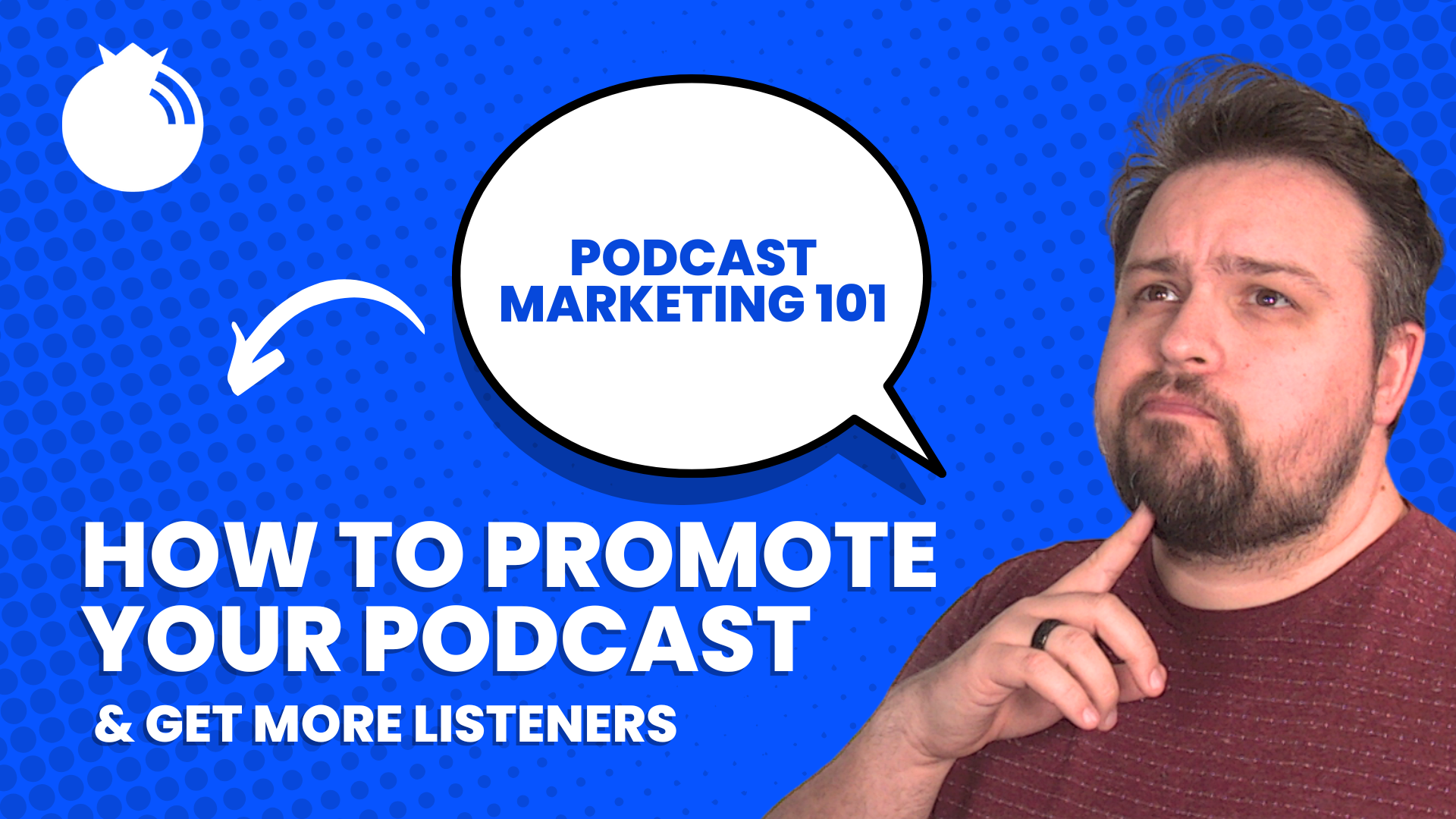
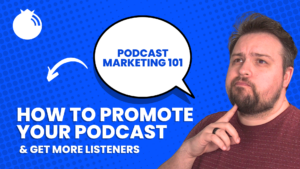
    If you’ve ever asked, “How do I grow my podcast and get more listeners?” you’re not alone. Blubrry’s support analyst, Dave Clements, says it’s the No. 1 question he hears from podcasters. In the latest video tutorial, Dave delivers a crash course in Podcast Marketing 101 that blends smart strategy with Blubrry’s top-tier tools and support. Let’s break it down.

    Start With a Goal—Not Just a Mic

    “Many podcasters never set an actual goal for their show,” Dave points out. And that’s where the trouble begins. Before promoting anything, you need a clear direction. Are you aiming for more downloads, increased engagement, or a guest spot on someone else’s show? Dave’s advice: “Set a goal you can actually measure.” This not only gives your marketing efforts purpose but also helps you decide where to focus your energy.

    Get Your House in Order

    Think of your podcast as a storefront — it needs to look sharp and be easy to navigate. Dave recommends reviewing your cover art, episode titles, and descriptions with a fresh set of eyes. “Your artwork should be eye-catching and reflect your show’s vibe,” he says. Clean design and keyword-rich text help you get discovered — and keep listeners interested. And don’t forget the backend: quality hosting, comprehensive stats, and RSS control are essential. (Hint: Blubrry’s got all that and more.)

    Marketing Essentials Made Simple

    From social media clips to guest appearances, Dave covers all the basics:

    • Choose 1–2 platforms where your audience lives
    • Use email to stay in touch with fans
    • Try cross-promoting with other podcasts
    • Optimize your podcast website for search engines

    One of Dave’s favorite tools? Blubrry’s in-house **Podcast AI assistant** (also offered as a standalone product). It can “generate social teasers, transcripts, or even show outlines,” making your content more discoverable and easier to manage.

    Keep Them Coming Back

    Growing your audience is only half the battle — you have to keep them, too. Dave’s checklist for retention includes a consistent publishing schedule, solid audio quality, and listener engagement. “Shows that publish weekly grow twice as fast as biweekly podcasts,” he notes. Tools like Adobe Podcasts and community shout-outs can make all the difference.

    Measure, Learn, Repeat

    Marketing isn’t a one-and-done deal. “Track. Measure. Refine.” is Dave’s mantra. Keep an eye on downloads, open rates, and listener feedback. If something isn’t working, adjust. If something is working, double down.

    In the End, Don’t Post and Pray!

    “Marketing doesn’t stop at ‘post and pray,’” Dave says with a grin. And thanks to Blubrry’s blend of powerful features and personal support, it doesn’t have to feel overwhelming either.

    Whether you’re just launching or looking to scale, Dave Clements and the Blubrry team are here to help you turn marketing confusion into podcasting success. Watch the full video, explore the tools, and — most importantly — set a goal worth growing toward.

  • How to Build and Monetize a Podcast Network Without a Large Team

    How to Build and Monetize a Podcast Network Without a Large Team

    How to Build and Monetize a Podcast NetworkIf you think you need a big team to run a podcast network, think again. Solo entrepreneurs, agencies expanding into audio, and small media outfits managing multiple shows can build successful podcast networks. These opportunities are streamlined, affordable, and entirely manageable — even without a technical crew behind the scenes.

    With the right tools, like those offered through Blubrry’s Professional Podcast Hosting, you can run a polished, monetized network from a single dashboard.

    Why Start a Podcast Network?

    Running more than one podcast under a unified brand opens the door to new audiences, cross-promotion opportunities, and diversified revenue streams. A podcast network lets you amplify your voice, showcase different niches, and bundle shows for sponsors — all while building a cohesive media property.

    But the challenge? Time, tech, and coordination. That’s where Blubrry’s Pro Hosting plan — and its built-in Network Tool — steps in to make your job a whole lot easier.

    Blubrry’s Network Tool: Centralized & Scalable

    NetworkIn support of building your business with Blubrry’s Pro Podcasting plan, our Network Tool means you don’t need custom code or complex spreadsheets to manage your shows. You get a centralized dashboard that puts control of all your podcasts in one place. Easily switch between shows, update feeds, manage statistics, and keep your content pipeline organized.

    Adding new shows is simple and low-cost, allowing you to expand your network without taking a hit to your budget or bandwidth. Whether it’s a limited series for a client or a new spin-off from your flagship show, launching is quick and frictionless.

    Efficient Monetization for Every Show

    Monetizing a podcast network doesn’t mean locking into a one-size-fits-all model. Blubrry’s Pro plan allows custom monetization strategies for each show, meaning you can tailor sponsorships, dynamic ad insertion, and premium offerings based on the audience and goals of each series.

    You might run one show with host-read ads and another with programmatic advertising. Or, you could get premium content or subscriptions through a private podcast feed. The flexibility is there, and the tools are built right in — no need to hire outside developers or consultants.

    Do More With Less

    The Pro Hosting plan is designed specifically for professionals who need to scale, without scaling overhead. You’ll have access to priority support, enterprise-grade analytics, and integrated tools and services to publish, promote, and measure success across all your shows.

    Plus, with optional services like Guest Match Pro, Vid2Pod and Pod2Vid, you can enhance content discoverability and transform formats with minimal effort. It’s a plug-and-play ecosystem that’s perfect for small teams juggling big visions.

    Built for Agencies, Media Groups, and Solopreneurs

    Whether you’re managing podcasts for clients or building a media brand of your own, Blubrry’s Pro plan gives you the autonomy and infrastructure to grow. You can start with a few shows and scale up confidently, knowing your backend is built for the journey.

    And the best part? You don’t need to be a developer, engineer, or audio wizard to pull it off. Blubrry handles the heavy lifting — you bring the vision.

    Ready to turn your collection of podcasts into a powerful network? Learn more about Blubrry’s Professional Hosting and Network Tool here.

  • The Science of Sound

    The Science of Sound

    How Audio Frequencies, Compression, and Loudness Affect Your Listener’s Experience

    Science of Sound, LGBTQPodcasters pour their hearts into crafting compelling narratives, interviewing fascinating guests, and delivering content they know their audiences will love. But there’s another crucial layer — often overlooked — that can elevate a podcast from “pretty good” to truly captivating: the science of sound.

    At Blubrry, we’ve known all along that when your audio is mastered with care and understanding, it doesn’t just sound better, it feels better. It connects with the listener on a sensory level, drawing them in, keeping them engaged, and ensuring that your voice resonates both literally and figuratively.

    We have partnered with Auphonic for that basic yet imperative reason: To help you refine your audio to best captivate your audience and grow your show.

    Here are three essential concepts that can help your podcast titillate the auditory senses: frequencies, compression, and loudness.


    🎚️ Frequencies: Shaping the Sonic Spectrum

    Sound is made up of frequencies, which are essentially the vibrations that travel through the air and into your listener’s ears. Humans can hear from about 20 Hz (deep bass) to 20,000 Hz (high treble). But not all frequencies are created equal when it comes to podcasting.

    • Low frequencies (20–200 Hz) create warmth and depth, great for music beds or rich-sounding voices.
    • Midrange frequencies (200–5,000 Hz) are where most of the human voice lives.
    • High frequencies (5,000–20,000 Hz) add clarity and crispness—think of “s” sounds or the shimmer of a hi-hat in music.

    Through equalization (EQ), podcasters can adjust these ranges to bring out the best in their recordings. Have a muffled guest interview? Boosting the upper mids can make their voice sparkle. Got an echoey room? Cutting certain low mids can tame the boom.


    🧰 Compression: The Unsung Hero of Listenability

    Imagine you’re on a walk, listening to your favorite podcast. One minute, the host is whispering a heartfelt story; the next, a guest laughs loudly into the mic. You fumble with the volume. Annoying, right?

    This is where compression comes in.

    Compression smooths out volume spikes and boosts quieter sounds, making the audio more consistent. It doesn’t squash emotion — it simply keeps everything within a pleasant dynamic range.

    • Too little compression, and your listener will ride the volume button.
    • Too much, and the audio feels flat and lifeless.

    Great mastering uses compression to maintain emotional nuance while ensuring clarity and comfort.

    Real-world example: Popular true crime podcasts like Serial use compression artfully, letting whispers feel intimate and loud moments stay impactful, without overwhelming the listener.


    📏 Loudness and LUFS: Why Volume Consistency Matters

    Here’s a little-known secret: different podcast platforms (Spotify, Apple, etc.) automatically adjust your audio’s volume to match their standards.

    Enter LUFS — loudness units relative to full scale — a measurement of perceived loudness over time.

    • The sweet spot for most podcasts? 16 LUFS for stereo, 19 LUFS for mono.
    • Too loud? Your podcast will be turned down automatically.
    • Too quiet? It might sound weak and get lost in noisy environments (like a subway commute).

    Mastering your audio to the correct LUFS ensures your show sounds consistent with others in your niche. It also shows respect for your listener’s ears—no jarring jumps or murky whispers.

    Real-world example: Compare your audio with a professionally mastered podcast using free tools like Auphonic or Youlean Loudness Meter—you’ll hear the difference.


    🧠 The Sensory Payoff: Sound as a Psychological Tool

    Science tells us that our brains are deeply responsive to sound quality. Subtle elements, such as warm frequencies, smooth compression, and consistent loudness, can create a sense of intimacy, authority, and trust. In other words, good sound = good vibes.

    Listeners may not be able to name what you’ve done, but they’ll feel it. And that emotional connection can be the key to building a loyal audience.


    🎙️ Listen and Learn!

    You don’t have to be an audio engineer to harness the science of sound — you just need to respect its power. With intentional use of EQ, compression, and loudness mastering, your podcast can rise above the noise, literally and figuratively.

    So go ahead — tune those frequencies, smooth out your peaks, and hit that LUFS target. Your audience’s ears (and hearts) will thank you.

  • Best AI Tools for Podcasters: Save Time & Improve Your Podcast

    Best AI Tools for Podcasters: Save Time & Improve Your Podcast

    Blubrry Support Analyst Dave Clements Breaks Down How AI Can Save Time and Combat Podfade

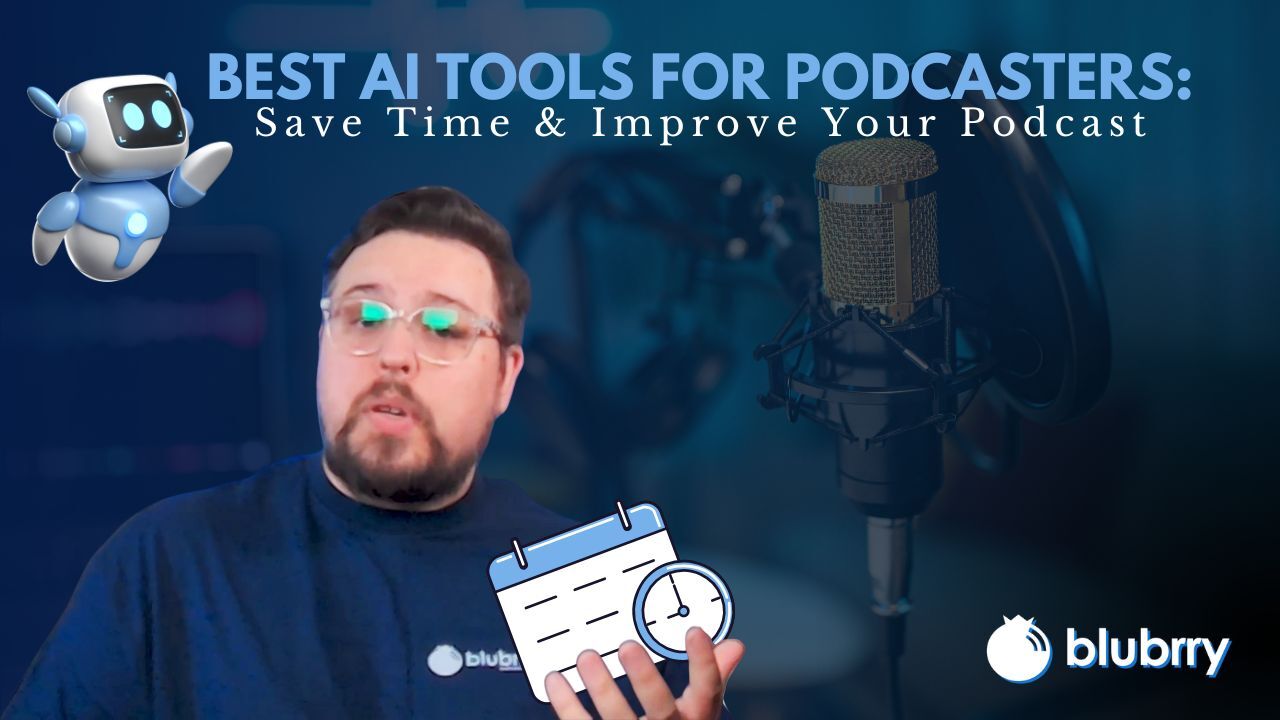
    Support analyst and longtime podcaster Dave Clements tackles one of the most transformative forces in podcasting today: artificial intelligence. Whether you’re an experienced creator or just starting your podcasting path, AI may be the secret ingredient to producing better content and avoiding burnout.

    “If you’ve been feeling overwhelmed — or even on the brink of podfade — stick around,” Dave says. “AI might just be the game-changer you need.”

    Blubrry’s Podcast AI tool (or Blubrry PAI), launched in 2024, has been a game changer for podcasters in the areas of planning, production and promotion! It’s available within Blubrry’s Thrive Bundle add-on.

    The Power of AI in Podcasting

    Dave opened by addressing the elephant in the room: AI is everywhere. From writing emails to generating images, tools such as ChatGPT are revolutionizing productivity. But what does that mean for podcasters?

    AI can help manage nearly every stage of podcasting, Dave says, “from brainstorming topics, outlining your episodes, editing audio, writing show notes, [to] creating social media posts—you name it.”

    Smarter Pre-Production

    The first area where AI shines is in **pre-production** — the planning stage. According to Dave, AI can not only generate topic ideas but also help map out your episode with structured outlines. “Feed your idea into an AI tool and watch it organize a logical flow for your show,” he says. But he adds a cautionary note: “Don’t tell it to write you a script—that removes the humanity from your podcast.”

    Production and Editing Made Easier

    Production and post-production are where many podcasters feel the time crunch. Dave highlights tools like Descript and Adobe Podcast Premium that help with tasks like automatically cutting out filler words and leveling audio. “Editing and polishing your content can eat up hours—sometimes more than the recording itself!” he admits.

    Beyond just cleanup, AI can instantly generate transcripts and turn them into blog posts or show notes. “That boosts your online visibility and accessibility in one swoop.”

    Promotion Without the Hassle

    Podcast promotionPublishing your episode is only half the battle. As Dave puts it, “It’s not enough to publish an episode and hope people find it.” That’s where AI steps in for promotional work — creating social media posts, newsletter blurbs, and SEO-friendly titles and descriptions based on your content.

    “Quick Tip: Use AI for eye-catching social posts!” flashes across the screen in the video, emphasizing how easily repurposing content can be with the right tools.

    Blubrry’s Built-In AI Edge

    Many podcasters use third-party AI tools, but Dave highlights how Blubrry has taken a more direct approach. “We’ve built our own AI interface specifically for podcasters — no extra middleman needed,” he shares.

    The Blubrry Podcast AI (PAI) is designed to support everything from better show notes and transcripts to email newsletter drafts. “It’s designed to make your life easier, not more complicated.”

    Avoiding Podfade

    Dave gets real about a common podcasting pitfall: inconsistency. “One of the biggest culprits [of podfade] is time management,” he says. “By handing off some heavy lifting to AI, you can stay consistent, publish regularly, and keep your audience engaged.”

    The takeaway? AI isn’t here to replace your voice — it’s here to amplify it.

    Want to Learn More?

    If you’re ready to level up your podcasting workflow, Dave encourages you to explore how AI can fit into your process. “Let AI handle the busywork,” he concludes, “and you stay in the creative zone.”