Category: Video

  • Hosting Explained: How to Choose the Best Platform

    Choosing the right podcast hosting platform can make or break your show. Whether you’re launching your first episode or refining an established series, the right host helps you build your brand, reach your audience, and grow with confidence.

    Sit down with Dave Clements, tech support analyst at Blubrry Podcasting, to break down what podcasters should look for in a hosting platform — and what to avoid.

    Why a Dedicated Host Matters

    You may be tempted to stick with free or ultra-basic services, or even just upload episodes to YouTube. But Dave cautions against it:

    “From someone in the trenches of podcast support every day, I can tell you — owning your RSS feed is critical,” he says. “Using a platform that doesn’t let you control your feed is like building your dream house on someone else’s property.”

    Ownership means security, control, and the ability to move your content or grow your brand on your terms. Dave also emphasizes the value of having your own customizable podcast site.

    “A dedicated website lets you stand out, build relationships with your audience, and control your branding in ways that cookie-cutter platforms just can’t.”

    What to Look for in a Hosting Platform

    So, what separates a great podcast host from a mediocre one? According to Dave, four key pillars are essential: reliability, analytics, monetization tools, and customization.

    1. Reliability & Speed – Your episodes should load fast and stream without hiccups. Listener experience is everything.
    2. Comprehensive Analytics – “Understanding your audience isn’t optional—it’s how you evolve,” Dave notes. Accurate metrics like downloads, trends, and listener locations help you grow strategically.
    3. Monetization Tools – Whether you’re ready to monetize or planning, features like dynamic ad insertion set you up for success.
    4. Customization & Ownership – From domain name to design, having full control over how your podcast is presented makes all the difference.

    Avoid the Pitfalls of “Free”

    While free services might seem appealing, they often come with strings attached — limited customization, subpar analytics, or even control over your feed.

    “I won’t name names,” Dave says with a grin, “but some big-name platforms are easy to get into — and just as easy to outgrow. We see podcasters switch all the time after hitting roadblocks.”

    He adds that some popular services have outdated interfaces or lack support for scaling up, making long-term growth harder than it needs to be.

    Think Long-Term from Day 1

    Even if you’re not expecting to launch a network or attract sponsors right away, Dave encourages podcasters to think ahead.

    “You might not need all the bells and whistles now,” he explains, “but it’s better to start on a platform that lets you grow rather than scrambling to migrate later.”

    Platforms like Blubrry offer scalable solutions, advanced stats, dynamic ads, and even AI production tools — all built to evolve with you and your show! Check out what Blubrry can do for you at we-moved-the-blog-to-this-site-when-we-made-a-new-website.blubrry.com/!
  • How to Start a Podcast for Teachers and Educators

    How to Start a Podcast for Teachers and Educators

    Advice from Blubrry’s Dave Clements

    Teacher and Educator PodcastTop teachers and educators understand the importance of constant evolution in engaging their students, connecting with fellow educators, and sharing their expertise with a broader audience. Enter podcasting, the next and future stellar teaching tool for education podcasts! At Blubrry Podcasting, we’ve seen firsthand how educators are using podcasts to bring learning to life — and we’re here to help them get started.

    We chat with Dave Clements, Blubrry support analyst, to walk through how educators can dive into the world of podcasting with ease.

    “Podcasting isn’t just about talking into a mic — it’s about creating a learning experience that goes beyond textbooks and lectures,” Dave explains. “It’s an incredibly powerful medium for teachers.”


    Why Educators Should Start a Podcast

    Podcasting allows educators to transform their lessons and reach a wider audience. According to Dave, there are three major reasons educators should consider starting a podcast:

    • Expand Your Classroom: “Your classroom doesn’t have to end at the school walls,” says Dave. “Podcasting allows students to study anywhere, anytime—it’s flexible and fits into their busy lives.”
    • Share Expertise: Teachers can connect with peers worldwide, discussing best practices and sharing experiences that can inspire others.
    • Build a Community: “Podcasting creates an avenue to build a real sense of community, not just with students but with parents, other educators, and even industry experts,” Dave adds.

    Podcasts also double as professional development tools, enabling collaboration and growth within the education field.


    The Tools You Need to Get Started

    You don’t need a professional recording studio to start your podcast. Dave recommends three basic tools to launch:

    • A Good Microphone: “Invest in a solid USB microphone like the Audio-Technica ATR2100x or Samson Q2U,” Dave advises. “They’re affordable and sound fantastic.”
    • Recording & Editing Software: Free tools like Audacity and GarageBand are perfect for beginners. “Don’t overcomplicate things,” Dave says. “Start simple and build from there.”
    • A Reliable Podcast Host: That’s where Blubrry comes in. Blubrry provides everything you need to publish, distribute, and grow your podcast, with special programs designed specifically for educators and students.

    “At Blubrry, we make sure you can focus on your content, not the technical headaches,” Dave reassures.


    How Blubrry Makes Podcasting Easier for Educators & Students

    Blubrry believes starting a podcast should be straightforward and accessible, especially for educators. Here’s what’s available:
    • Educator Account: Free podcast hosting for your first year! Simply apply and start your educational podcast without worrying about the cost.
    • Student Discount: Students receive 50% off hosting plans for one year, making it easier to engage in podcasting projects.
    • Easy-to-Use Publishing Tools: “Our dashboard is designed to be intuitive. You don’t have to be a tech wizard to get your podcast published and distributed,” Dave emphasizes.

    Blubrry takes care of the hosting, distribution, and analytics, freeing educators up to focus on what matters most: teaching and inspiring through content.


    Publishing & Growing Your Podcast

    Once your episodes are ready, it’s time to get them into the world. Here’s Dave’s simple checklist for publishing through Blubrry:

    1. Upload Your Episode: Drag and drop your audio file into Blubrry’s user-friendly dashboard.
    2. Add Show Notes & Transcripts: “This helps make your content more accessible and easier to find,” Dave points out.
    3. Distribute Everywhere: Submit your podcast to platforms such as Apple Podcasts, Spotify, and iHeart Radio with just a few clicks.

    And once you’re live, promote your podcast! Share it with your students, post on social media, and collaborate with fellow educators to grow your audience organically.


    Ready to Get Started?

    Starting a podcast as an educator is more achievable than ever. Here’s your quick action plan:

    • Choose your podcast topic and format
    • Get the right microphone and editing software
    • Sign up for Blubrry’s Educator or Student Plan
    • Publish and promote your episodes

    “Your voice has the power to inspire,” says Dave. “Podcasting can help you reach students and fellow educators in ways you never imagined.”

    If you’re ready to start, visit we-moved-the-blog-to-this-site-when-we-made-a-new-website.blubrry.com/ and take advantage of our special educator and student discounts today. Your community is waiting — start your podcasting path now!

  • How to Monetize Your Podcast: 5 Proven Strategies

    How to Monetize Your Podcast: 5 Proven Strategies

    Dave Clements video on podcast monetization
    How to make money podcasting

    Podcasting isn’t just about sharing your favorite topics and expertise anymore — it’s a bona fide opportunity to generate income. Whether you’re just getting started or looking to take your show to the next level, there are multiple paths to monetization that can fit your goals and audience size.

    “Podcasting is an amazing way to share your passion,” says Dave Clements, support analyst at Blubrry. “But what if you could actually make money from it?”

    Here’s how you can turn your podcast into a thriving source of revenue:

    1. Sponsorships & Advertisements

    Global advertisingOne of the most well-known ways to monetize your podcast is through sponsorships. But many new podcasters mistakenly think they need thousands of listeners before they can land a deal.

    “Not true!” says Dave. “Most sponsors don’t just look at download numbers—they care about audience engagement and niche influence.”

    Types of Ads You Can Run in Your Show:

    • Host-Read Ads: You personally introduce a product, making it feel natural and authentic to your listeners.
    • DAI (Dynamic Audio Insertion): Ads are inserted automatically at the beginning, middle, or end of your episodes. Blubrry offers self-serve DAI tools for Thrive Plan and Pro Hosting customers.
    • Programmatic Advertising: Blubrry partners with ad networks to enable podcasters to monetize from Day 1. Programmatic ads match your show with advertisers automatically, saving time and expanding reach.
    • Self-serve advertising tools for **Thrive** and Pro-hosting accounts

    Blubrry even supports smaller shows through partnerships that offer opportunities without massive minimum download requirements.

    Dave’s Tip:

    “Start by creating a media kit, target brands in your niche, and don’t be afraid to reach out directly. Engagement matters more than audience size.”

    2. Listener Donations & Value4Value

    Many podcasters today are funded directly by their audience—no middlemen required.
    “If your audience loves what you do, many will happily support your podcast financially,” says Dave. “And the best part? You keep full control of your content.”

    Here are a few ways to set this up:

    Dave explains:

    “Unlike traditional donations, Value4Value is a philosophy. It’s about giving your listeners a way to support you because they want to, not because they have to.”

    Make it easy for fans to support you and always recognize your contributors to build a stronger community.

    3. Affiliate Marketing

    Affiliate marketing can be an incredibly effective way to make money if you’re promoting products your audience truly cares about.

    Blubrry’s partner, CodeADX, helps podcasters access exclusive affiliate opportunities, giving them valuable discounts to offer listeners and increasing trust and sales.

    Dave’s advice:

    “Only promote products you truly believe in, use, or have purchased! Your audience trusts you, and you don’t want to risk losing that by pushing random products.”

    Match affiliate promotions closely to your podcast’s niche to boost effectiveness.

    4. Selling Your Own Products or Services

    If you have your own products, services, or even online courses, your podcast can be a powerful tool to promote them.

    “Your podcast isn’t just content; it’s a powerful marketing tool,” says Dave. “It builds trust, engages your audience, and drives real revenue.”

    Ideas for your own offerings include:

    • Coaching or consulting services
    • E-books or digital courses
    • Branded merchandise like T-shirts or mugs
    • Physical products related to your podcast’s theme

    By marketing your own offerings, you keep 100% of the revenue, maximizing your earnings without needing external advertisers.

    5. Paid Content & Premium Episodes

    Another effective strategy is to offer exclusive content behind a paywall.

    Platforms like Apple Podcasts Subscriptions let you charge for bonus material. For even more flexibility, Blubrry offers Premium Podcasting, allowing you to create a private feed accessible only to paying subscribers, usable on any podcast app.

    Dave shares:

    “This model works best if you already have a loyal audience willing to pay for premium content. Give them something they can’t get anywhere else.”

    Premium content could include:

    • Bonus episodes
    • Early access to episodes
    • Behind-the-scenes content
    • Exclusive interviews

    Start Monetizing Your Podcast Today

    To recap, here are the five proven ways to monetize your podcast:

    1. Sponsorships & Advertisements
    2. Listener Support & Value4Value
    3. Affiliate Marketing
    4. Selling Your Own Products or Services
    5. Paid Content & Premium Episodes

    “If you’re serious about growing your podcast and turning it into a source of income, Blubrry has all the tools to help—from hosting and analytics to dynamic ad insertion and private podcast feeds,” says Dave Clements.

    Ready to start your monetization journey? Visit we-moved-the-blog-to-this-site-when-we-made-a-new-website.blubrry.com/ today and take control of your podcast’s financial future!

  • Strategies on How to Grow Your Podcast Fast

    Strategies on How to Grow Your Podcast Fast

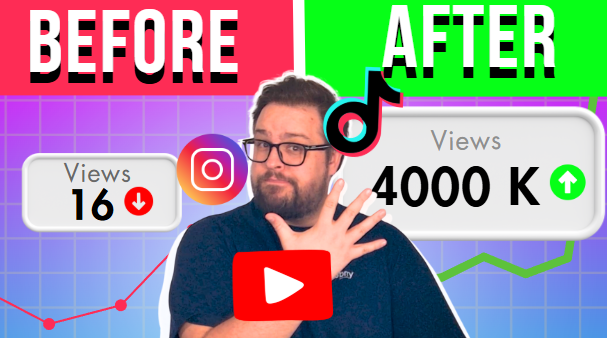
    The popularity of podcasting has made it increasingly competitive, thus growing your show requires more than just great content — it demands strategic thinking and the right tools. With 90% of podcasts never making it past three episodes, as revealed by industry data, the challenge of building and maintaining an audience is real. However, success is achievable with the right approach.

    Here’s what Dave Clements, longtime podcaster and Blubrry support and sales expert, has to say about growing your show in 2025: “Getting more listeners can feel like an uphill battle. But here’s the good news — you don’t have to figure it out alone.”

    5 Proven Strategies for Rapid Podcast Growth

    1. Master Podcast SEO

    Search Engine Optimization (SEO) is crucial for podcast discovery. “SEO isn’t just a nice-to-have, it’s a must if you want to grow your podcast organically,” Dave stresses. Key optimization strategies include:

    • Creating searchable episode titles with relevant keywords
    • Developing comprehensive show notes and transcripts
    • Utilizing a dedicated podcast website for better search visibility

    2. Strategic Social Media Promotion

    When it comes to social media promotion, Dave advises a more engaging approach: “Most podcasters promote episodes the same way: they drop a link and say, ‘New episode out now!’ But let’s be honest—how often does that make you click?”

    Moving beyond basic episode announcements is essential. “Social media isn’t just for promotion — it’s for engagement!” Dave explains. Effective social media strategies include:

    • Creating engaging 30-second video clips from episodes
    • Fostering community engagement through thoughtful questions
    • Leveraging short-form video platforms like Instagram Reels and TikTok

    3. Leverage Strategic Collaborations

    “One of the fastest ways to grow your podcast? Tap into other people’s audiences,” Dave advises. This approach includes:

    • Appearing as a guest on related podcasts
    • Hosting influential guests with established audiences
    • Developing cross-promotional partnerships with other podcasters

    4. Focus on Audio Excellence

    “Bad audio kills podcasts,” Dave emphasizes. “It doesn’t matter how amazing your content is, if your sound quality is poor, people won’t stick around.” Professional solutions include:

    • Using Blubrry’s Media Mastering powered by Auphonic for professional sound
    • Implementing user-friendly editing tools like Descript
    • Maintaining consistent audio quality across episodes

    5. Maintain Consistent Publishing

    Consistency breeds success in podcasting. As Dave notes, “The podcasts that grow the fastest are the ones that release on a predictable schedule.” Key practices include:

    • Establishing and maintaining a regular release schedule
    • Batch recording episodes to ensure consistent content delivery
    • Using scheduling tools to automate publishing

    Taking Action

    Success in podcasting comes from implementing these strategies systematically. With Blubrry’s comprehensive suite of tools, podcasters can focus on creating great content while the platform handles the technical aspects of growth and distribution.

    The podcasting landscape in 2025 offers unprecedented opportunities for growth, but it requires a strategic approach. By implementing these proven strategies and leveraging professional tools like those offered by Blubrry, podcasters can significantly increase their chances of building a successful show with a loyal, engaged audience.

    Ready to grow your podcast? Visit we-moved-the-blog-to-this-site-when-we-made-a-new-website.blubrry.com/ to access leading-edge hosting, analytics, and audio mastering tools that will help take your show to the next level.

  • Ready to Try Video Podcasting? What You Should Know

    Ready to Try Video Podcasting? What You Should Know

    Where Should You Go to Host a Video Podcast?

    With advancements in digital media and technology, the possible apprehension and intimidation of video podcasting is giving way to thoughts of, “Hey, I can do this!” 

    Video podcasting has become increasingly popular among content creators and viewers in recent years. With the growing podcast industry and the rising demand for engaging visual content, numerous platforms have emerged to cater to these needs. One platform that has supported video podcasters all along is Blubrry Podcasting. Widely recognized as a leader in the industry, Blubrry is a favorite of podcasters for offering a simple solution for all their audio and video podcasting needs.

    The most popular podcast platforms, such as Blubrry, provide users easy-to-use tools to create, publish, distribute and monetize their podcasts. These platforms offer seamless integration with podcast directories that allow video podcasts. This ensures the content reaches a broad audience while maintaining the highest quality audio and video standards. And, as in Blubrry’s case, they often include advanced analytics features that allow creators to gain valuable insights into listener demographics and preferences.

    It is important to understand the distinction between video podcasts and YouTube videos. While both involve visual elements accompanying audio content, a video podcast requires an RSS feed that distributes episodes directly to subscribers’ devices or applications. 

    That said, YouTube is an incredible asset to podcasters! It’s one more step in your process, but uploading your video podcast to YouTube or creating your podcast from your YouTube video is of great value to draw attention to your show. YouTube simply lacks the RSS capabilities to distribute the actual content to your audiences. 

    With this in mind, it is clear  that choosing the best video podcast platform is critical for creators looking to maximize their reach and impact. Considering its extensive suite of tools and services tailored for this purpose, Blubrry remains among the top contenders.

    A Couple Examples of Successful Video Podcasts

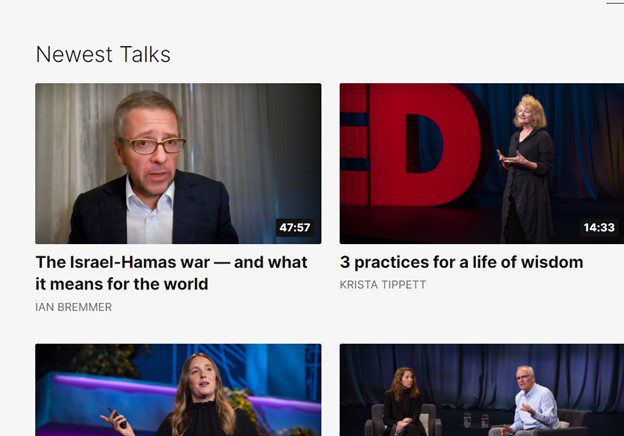
    When embarking on the journey of creating a video podcast, one might be interested in exploring some examples that exemplify excellence within this medium. Among some of the best video podcast examples are TED Talks Daily Video Podcast – featuring thought-provoking presentations by today’s leading thinkers – and Trash Taste Podcast – showcasing influential personalities from diverse fields engaged in long-form conversations. These examples provide insights into how an engaging narrative can be conveyed through visual storytelling techniques.

    To record a high-quality video podcast efficiently, selecting the best platform is of utmost importance. Blubrry stands out by offering a comprehensive solution that caters to all aspects of video podcast production, from recording and editing to distribution and analytics. Its seamless integration with popular podcast directories ensures that your content reaches the intended audience without any hassle.

    Discussing some of the top video podcast platforms can further clarify why Blubrry has become an industry leader. These platforms offer tools for creating and publishing podcasts and advanced features such as detailed analytics, monetization options, custom branding capabilities, and more. By constantly evolving its offerings to meet the ever-changing demands of content creators, Blubrry remains an ideal choice for starting or expanding a video podcast series.

    What Exactly is a Video Podcast?

    Understanding the definition of a video podcast is crucial in determining how it differs from other forms of online content. Essentially, a video podcast is a series of episodes delivered through an RSS feed that includes both audio and visual elements. Subscribers receive these episodes directly via their preferred devices or applications – allowing them to view this content at their convenience. This sets video podcasts apart from YouTube videos, which are not distributed through an RSS feed and thus lack one of the vital components necessary for them to be considered genuine podcasts.

    Selecting the best video podcast platform is essential for creators looking to produce engaging visual content that resonates with their audience while maximizing their reach and impact within this rapidly growing industry. With its extensive suite of tools and services tailored explicitly for this purpose – including seamless integration with various directories, advanced analytics features, monetization options, and more – Blubrry continues to hold its position as a trusted leader in the field.

    Should You Be a Video Podcaster? 

    Sure, the concept of video podcasting sounds super fun, and there are a lot of good reasons to start or transition your show so your message can be seen as well as heard. But there are some downsides as well. Read over these as you weigh your decision to invest your time, energy and money on video podcasting. 

    Check out this how-to page about video podcasting in our Podcast Manual.

    Pros of Creating a Video Podcast:

    1295990422
    • Visual Engagement: Video podcasts allow you to connect with your audience on a more personal level by incorporating facial expressions, body language, and visual elements, enhancing viewer engagement.
    • Diversified Content: Video podcasts provide an opportunity to diversify your content by incorporating visuals, graphics, slideshows, and on-screen demonstrations, making it easier to convey complex ideas or showcase products/services.
    • Branding Opportunities: Video podcasts offer branding possibilities through customizable video overlays, logos, and backgrounds, helping you establish a unique and recognizable visual identity.
    • Wider Reach: Video content is widely consumed on platforms like YouTube and social media, potentially expanding your podcast’s reach to a broader audience beyond traditional audio podcast platforms.
    • Monetization Potential: Video podcasts can be monetized through ads, sponsorships, or premium content, potentially generating more revenue compared to audio-only podcasts.
    • Enhanced Viewer Retention: Visual content can help capture and retain viewer attention, reducing the likelihood of distractions or multitasking while consuming your podcast.

    Cons of Creating a Video Podcast:

    • Higher Production Costs: Video podcasts typically require more equipment, editing, and post-production work, leading to higher production costs compared to audio-only podcasts.
    • Increased Time Investment: Video production takes more time and effort, from setting up lighting and camera angles to editing and rendering, which may slow down your content production schedule.
    • Accessibility Challenges: Video content may not be accessible to all audiences, including those with visual impairments or limited bandwidth, potentially limiting your podcast’s inclusivity.
    • Technical Challenges: Dealing with technical issues such as video and audio synchronization problems, software glitches, or file compatibility can be more complex in a video podcast.
    • Visual Distractions: The presence of visuals can be distracting for some viewers, potentially reducing the focus on the podcast’s core message or content.
    • Hosting and Distribution: Video files are larger than audio files, which can lead to challenges in hosting and distributing your podcast, including increased storage and bandwidth requirements.

    Here is a page in the Blubrry Podcast Manual that can also help you decide, “Audio or Video?”

    What Will You Need – and Need to Decide Upon – to Produce Your Video Podcast

    Before producing a video podcast, podcasters should consider several important factors to ensure their content is engaging, appealing and well-prepared. Here are a whole bunch key considerations – and links so you can read more on how Blubrry can support these factors:

    Content Planning:

    • Define your podcast’s niche, topics, and target audience.
    • Outline the structure and format of your episodes.
    • Plan your episode content and script to ensure a coherent and engaging narrative.

    Visual Elements:

    • Incorporate images, graphics, and visual aids to enhance your podcast’s storytelling.
    • Use B-roll footage (secondary footage) to add context, variety, and visual interest.
    • Consider using animations, charts, and diagrams for explanatory purposes.

    Equipment and Setup:

    • Invest in quality audio and video equipment, including microphones, cameras, and lighting.
    • Choose a suitable filming location with good lighting and minimal background noise.
    • Use a tripod or stabilizer to ensure stable and professional-looking shots.

    Visual Consistency:

    • Establish a consistent visual style for your podcast, including colors, fonts, and graphics.
    • Create an appealing opening and closing animation or sequence to reinforce your brand.

    Script and Storyboarding:

    • Write a clear and engaging script that guides your narrative.
    • Storyboard your video to plan camera angles, shots, and transitions.

    Live Action and Presenters:

    • If featuring live action or presenters, ensure they are well-prepared, articulate, and comfortable on camera.
    • Consider using a teleprompter or cue cards to assist with delivery.

    Settings and Background:

    • Choose a background that is relevant to your podcast’s topic and visually appealing.
    • Keep the background uncluttered and free from distractions.
    • Use depth of field (e.g., blurred backgrounds) to draw focus to the speaker or subject.

    Lighting:

    • Invest in proper lighting equipment to ensure your subjects are well-lit and the video quality is high.
    • Consider natural light sources or softbox lights for a flattering and even illumination.

    Editing and Post-Production:

    • Edit your video for pacing, removing mistakes, and adding visual enhancements.
    • Incorporate appropriate transitions, text overlays, and music to enhance the viewing experience.
    • Check out Pro Production with Blubrry to learn how to expedite this process.

    Accessibility:

    • Add closed captions or subtitles to make your content accessible to a wider audience.
    • Ensure your video player is compatible with screen readers for visually impaired viewers.

    Test and Feedback:

    • Before releasing episodes, test your equipment and recording setup to address technical issues.
    • Seek feedback from peers or a test audience to refine your video podcast’s quality and content.

    Promotion and Distribution:

    • Plan how and where you will distribute your video podcast, whether on YouTube, social media, or a dedicated website.
    • Promote your episodes through effective marketing strategies to reach your target audience.

    By considering these methods and factors, video podcasters can create compelling, visually appealing content that engages viewers and helps their podcast stand out in a competitive landscape.

    As more people discover the benefits of subscribing to video podcasts – including on-the-go access to thought-provoking discussions and captivating storytelling techniques – we can expect these platforms’ popularity to continue rising exponentially. Employing platforms like Blubrry to create, distribute and monetize high-quality video podcasts will remain a top priority for content creators striving to make their mark.

    For more tips and information on creating and promoting your podcasts, visit our Podcast Manual. 

  • Video Podcast, Audio Podcast, or Both?

    Video Podcast, Audio Podcast, or Both?


    This ostrich is ready for her closeup. Are you? Think about Video Podcasting, then. As podcasting continues to grow–in terms of audience size and podcast producers–there will inevitably be bright shiny new things that come along. Podcasting even started out being called “audioblogging” back in the day. But when portable MP3 players, most notably the iPod, came along, the term Podcasting took hold. And now, with ubiquitous video platforms like YouTube, video podcasting has become increasingly popular. But should your podcast be audio-only? Video-only? Both? Read on for some thoughts and tips.

    Benefits of Audio Podcast

    1. Easy to consume: commute time, doing housework, sitting sipping your favorite beverage.
    2. Supported by all the major podcast discovery platforms
    3. It’s the status quo: people are used to it
    4. Relatively low production cost: for a couple hundred bucks and a computer–or, even just with your smartphone–you can be up and running without having to shell out big bucks for video gear.
    5. Smaller file size means less media hosting costs. Of course, we think you ought to check out our Podcast Media Hosting because it’s flexible, has no-fault overage for when you might accidentally go over your limit in any given month, and complimentary support from real live humans that you can call or video conference with. Yeah. Real humans.

    Benefits of Video Podcasting

    1. We’re a visual species. University of Rochester researchers note that “more than 50 percent of the cortex, the surface of the brain, is devoted to processing visual information,” and, according to Discover Magazine, only 3 percent of neurons are devoted to hearing. So. Give your audience something their body is built for: visuals.
    2. If anybody tells you you’ve got a face for radio, tell them to get their eyes checked. You’re awesome and ready for your close up.
    3. Communicate more effectively: 55% of communication is nonverbal, how you look or what you’re doing when you say something carries more weight than tone of voice and the actual words you use. Some concepts are easier to communicate via video, too.
    4. Continually decreasing production costs. It used to be fairly expensive to create quality video content. But the camera on your smartphone is ridiculously good now. Plus, there are a plethora of excellent video editing programs for both Android and iOS devices.
    5. Great for the hearing impaired. This one is pretty self explanatory.

    Why Creating a Video Podcast and Audio Podcast Might Be Right for You

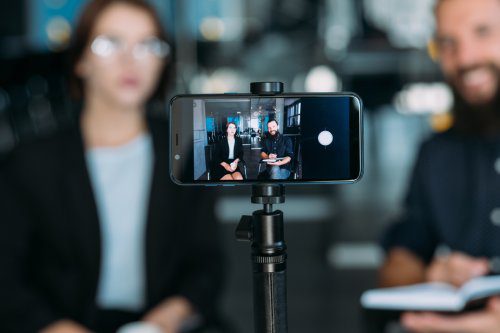
    You’re already doing most of the work towards creating a video podcast every time you create your audio podcast: planning, podcast show notes, recording great audio, etc. If you get even a simple smartphone mini tripod for as little as $10, point it at your face (and your guests, if you have them), you’re in the video podcasting business). There are also variety of video conferencing platforms that allow you to record the video for when your guests may not be in the same location as you.

    What’s more, any time you can give your audience and potential audience more ways to discover and consume the amazing content you’re producing, you’re helping grow your audience.

  • Roku Like a Hurricane!

    Exciting news Blubrry Podcasters! Blubrry is proud to announce the launch of the Blubrry Channel on Roku. The channel is live with 200 shows and we’ll be adding more shows throughout the coming weeks as we qualify your podcasts.

    The Roku Digital Video Player offers your shows unprecedented exposure — seen and/or heard directly on your audiences’ television sets. Sit back in your Lazy Boy and watch your favorite video podcast or clean the house and listen to your favorite audio podcast directly through the exclusive Blubrry Channel on Roku.

    And, trust us, that’s only the start. This year marks an apex in the evolution of alternative distribution capabilities for RawVoice and our family of podcasting sites. Keep an eye out: We plan to launch other alternative distribution applications in the coming weeks and throughout the year.

    Are you ready to Roku? We’re thinking yes! Let us know what you think!

  • Jamie Davis Says Hi

    The one and only Podmedic Jamie Davis stopped by our booth at the Podcast and New Media Expo last week.

  • U See Blu

    The title of this post is also the name of our new channel on YouTube. If you head over there now you’ll find three videos that give you tips on how to use some of the featuring that the community offers. The video embedded below shows you how to use the HotList feature.

    And there’s lots more to come. I’ll be taking some videos at Podcamp West and also accepting video submissions from members of the community. If you happen (wink wink) to create a cool video about blubrry, send me a link to the video and I’ll get it posted to the channel, giving your podcast full credit of course.