Category: Tips

  • Planning Your Next Podcast Episode

    Planning Your Next Podcast Episode

    If you are not happy with your podcast it could be because of the amount of preparation you’re putting into each episode. Some podcast producers love scripting their shows. They want to know every word they are going to say and do not stray from their prepared statements. Many of these shows unfortunately come across as antiseptic and too formal. Some podcast producers prefer no preparation and just hit record and start talking. Many impromptu-style shows unfortunately struggle to provide continuity between episodes and may offer listeners limited perceived value other than connecting to the podcaster personally. If you listen to all the podcasts selected as ‘Editor’s Pick’ in the Blubrry Podcast Directory, you will not find one that sounds either overly scripted or ill-prepared. 

    Some podcasters may be able to read a script and sound so sincere you would think they are on that special Mother’s Day call to their mom. Some might be able to improvise so well on every episode that you would not know they were recording while riding their Peloton bike with Steven Little. These podcasters are the exception to the rule. If you feel you overly script or do not script enough (or maybe just starting out in podcasting), the following is an exercise to help you plan your next episode and make your listeners happy. 

    The first step to find that happy medium, is to simply know what you are going to say on your show. Maybe not the actual words you will use, but at least a plan for the topic and theme you are going to cover. This small step will separate you from the worst podcasts out there and give your show some needed structure.

    For this exercise, rather than thinking about all the future episodes you are going to produce, think about just your next episode. At this point in your planning process, limit your planning to one main topic. To spur your creative thinking, below are some topics of shows listed in the Blubrry Podcast Directory this week:

    • Stories of the podcast host’s worst jobs
    • A podcast host’s personal activities during the past week
    • Cosmic influences on personal well-being
    • Genocides occurring in the world today
    • History of a podcast host’s friendship with their guest

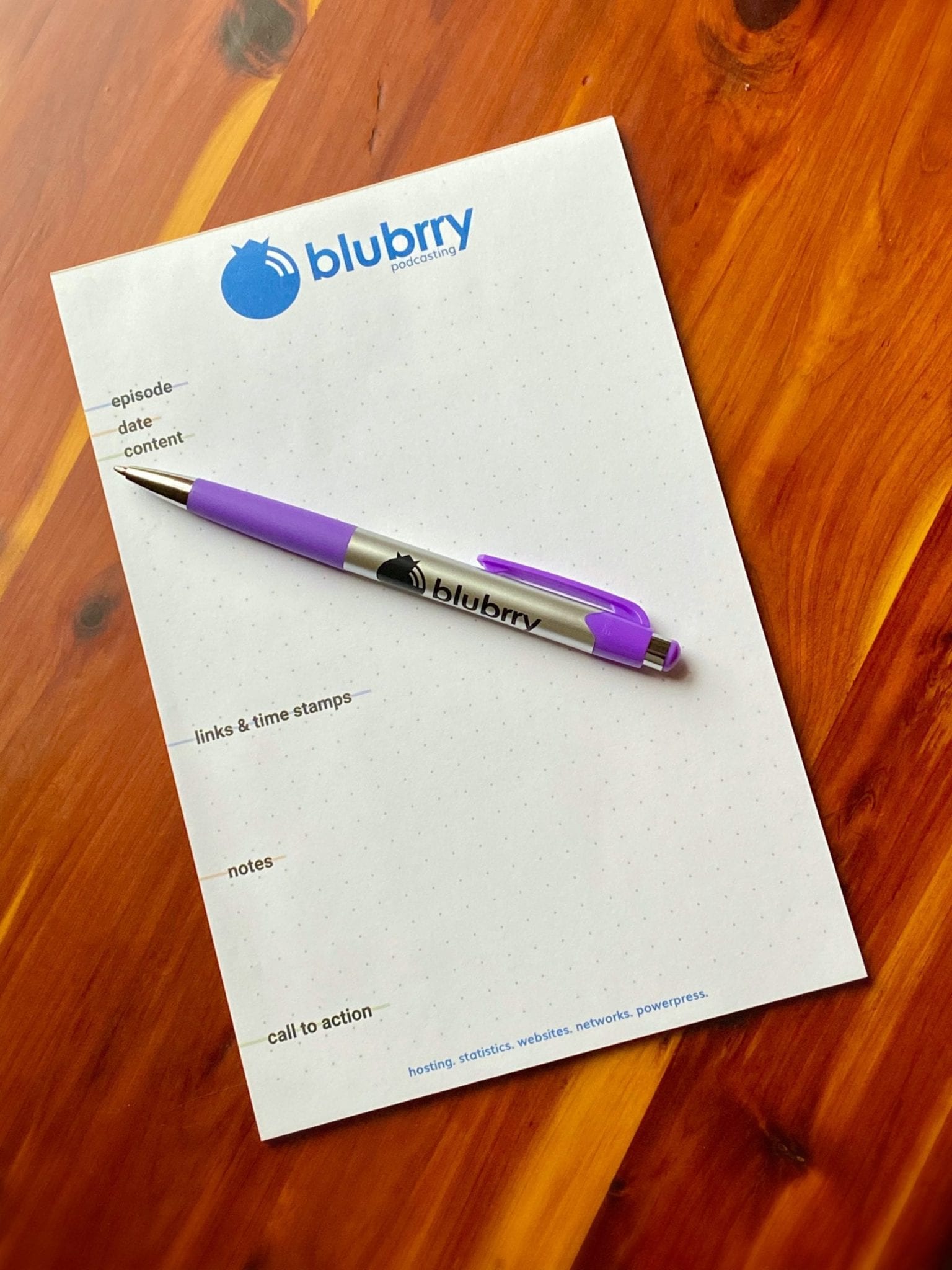
    What do you want to talk about on your next episode? Grab a paper and a pen and write down the specific topic you would like to cover on that episode. Write down a phrase or complete sentence that summarizes the main topic you want to cover on that one episode.

    With that complete… Congratulations! You are on your way to having a podcast episode that people are going to love.

    Now, let’s think about two more potential segments of your show that will flesh out your next episode. In addition to their main topic, some podcast episodes cover a secondary topic. This additional topic can either complement the main topic or be separate but not quite equal to the main topic. For example, if the main topic of your episode could be the history of your friendship with your guest. An additional topic could either be:

    • The charity where your friend works
    • The top friend getaways in your state
    • Your friend’s best weekday meal recipe
    • Your friend’s detailed knowledge about Tom Hanks
    • A detailed review of a movie you both recently watched

    Think again about the main topic you wrote down, consider an additional topic you could discuss on that episode. Write down an additional topic on your piece of paper along with your main topic. You now know two topics you are going to discuss on your next episode. Again, congratulations!

    One more thing, every podcast episode should make a request of the audience. These requests are commonly called a ‘call to action’. A call to action clearly presents what you want the listener to do to engage more fully with you. Surprisingly this is something your audience craves!

    A few examples of powerful calls to action are:

    • Go to Facebook and ‘Like’ us
    • Follow us on Instagram
    • Tell a friend about this episode
    • Go to the website
    • Subscribe to this podcast
    • Join us next week when our topic will be…
    • Buy our book
    • Donate
    • Email us

    Now, thinking of your next episode with the main topic and additional topic you selected, choose a call to action that is complementary to the topics you’ve selected for this episode and write down your chosen call to action. With that complete, congratulations again!

    With that exercise you now have three points to cover on your next episode. You do not have a specific script that ties you down to specific words, and you are not in front of your microphone with no idea what you are going to say. What you have is a balance between a scripted episode and one where you are just “winging it”. If this process works for you, feel free to use the same methodology and plan out all your future shows. 

    Our call to action for this blog? Listen to a few shows in our Editor’s Pick and hear how the best podcasters do it. And who knows, maybe you are few shows away from being featured as an ‘Editor’s Pick.’ 

    If you need help with your podcast production don’t forget we have the Blubrry Pro Production team to help you with your complete show production. If you are subscribed to our Podcast Insider Podcast you can hear the quality of our editing team.

  • Podcast Interviewer Tips From Non-Podcasters

    Podcast Interviewer Tips From Non-Podcasters

    Believe it or not, people conducted interviews long before podcasting was invented. While we often look to other podcasters for advice on how to conduct a podcast interview, there is so much researched-based information from accountants, criminal investigators and journalists that we can learn from. This is a quick summary of the protocols from those vocations that we can easily apply to our next podcast interview.

    Accountants conduct interviews when they perform audits. These audits are not the best of situations for anyone involved and to do their best, accountants have relied on their industry standards for reliable, professional results. Podcasters can directly learn from two of the recommendations from the AICPA and the Public Company Accounting Oversight Board. 

    1. Plan Ahead.

    Research the person you are to interview. Know their professional and personal history that is relevant to the topic you are going to talk about. Know the unique perspective or set of facts that your guest will bring to your show before you ask them.

    1. Follow Standards.

    While you may have known your podcast guest all of your life and you may know the interview topic like the back of your hand, flying by the seat of your pants rarely yields quality, consistent results. Following interviewing standards is the best way to produce repeatable high-caliber recordings.

    Criminal Investigators offer the most actionable standards for interviews in the protocol they call, ‘Forensic Interviewing’. While frequently used with children, these standards will most assuredly apply to your podcast guests. Below is the form the interview should take according to the US Department of Health and Human Services.

    1. Rapport-Building Phase

    Introduce your guest and explain why they are on your show from the beginning. Explain to your guest and your audience how you are conducting the interview and about how long it will be.Use this opportunity to engage your guest by seeking commonality and by expressing your appreciation for their participation.

    1. Substantive Phase

    Allow your guests to share their opinions or special knowledge during this phase of the interview. Offer minimal guidance to the guests by asking open ended questions. Use more open ended questions for follow up such as, “Tell me more about that”. Lastly, feel free to allow there to be long silences, guests usually speak to fill in the quiet. 

    1. Closure Phase

    This is the opportunity for you to intentionally conclude your interview. Have your guest recap their contributions or perspectives. Ask them to share contact information with your audience. And always thank your guest profusely for their time and expertise. 

    Journalists have been editing their work for Centuries. As we edit our work, we can learn from their experience. NPR has created a valuable resource with rules they use regarding editing. To review, they suggest:

    1. Clean-Up Edits are important.

    You should remove the Ums and Ahs so your interview sounds more professional production.

    1. Keep “true to the meaning of their words”

    Do not take your questions or your guest’s answer out of context.

    1. Consider every edit.

    As Peter Breslow put it, “The less you do to manipulate the audio, the better.”

    As you can see, we podcasters can learn from those that have gone on before us. Please visit the links shared above, you can glean an amazing amount of valuable information from those original sources. However, you may want a fast-track to the best podcasting technology and techniques. As always, consider Blubrry’s Pro Production Services to jumpstart your podcasting efforts.

  • Get The Most Out Of The Guests

    Get The Most Out Of The Guests

    Having a podcast is an excellent way to get your voice heard. Moreover, if done well you can amplify your voice by having others on your show. If done poorly, bringing guests on your podcast can dilute your unique message, that even your fans will unsubscribe. One way to ensure the guests add value to your podcast is to prepare them for success. Below are four tips to help you prepare your guests so they always amplify what you want to say.


    TIP #1: The best way to prepare your guest for your show is to tell them what to expect. Before you record with your guest they should:

    • Know a bit about your podcast
    • Easily be able to join you for the recording
    • Know why you are having them on your show
    • Understand what you’ll be talking about

    Below is a sample email to a potential podcast guest on the non-existent True Believer Crime Podcast. Notice that, while farcical, this includes all of the information recommended above. Feel free to use this as a template next time you have a guest on your show…

    Dear Mr. Spider-Man,

    Thank you for agreeing to be on episode 616 of my podcast, True Believer Crime Podcast. My podcast looks at the people who are framed for violent crimes and presents alternative theories of the case. I’ve been producing my show for three years, and while we have not overturned any charges legally, we do have a large podcast following and can guarantee that your case will trend on Twitter with #spidermanwasframed after the episode release.


    As you prepare to come on my show, here are a couple of past episodes that you should listen to so you understand the tone and format of the show. Please listen to Episode 411, Information On Why Tigers Can’t Eat People. Please also listen to Episode 500, Listener Feedback From Prison. Listening to these episodes will allow you to gain insight on the quality content and attitude that our listeners have come to expect.


    Recording your episode will be easy. Just click on this link at 8:45 p.m. EDT next Tuesday and follow the on-screen prompts. If you have any issues connecting, please give me a call at (212) 555-1212. When we start recording I will introduce you. Is there anything in particular that you would like me to say? Some guests provide me with a quick bio that I read. Feel free to send me anything you would like before our recording time. If I do not receive anything from you I will write your introduction.


    I want you to be on my podcast because your story is exactly the kind of story my listeners like to hear. You say you were framed for murder and can tell a convincing story of self-defense. While we may talk about your amazing strength and your ‘Peter Tingle’, if they come up in discussion, I would like to limit our discussion to the facts and your perspective of your case as much as possible.


    During the interview I plan to ask you the following questions:


    • Are you really Peter Parker?
    • Why do you think you were framed?
    • Tell me about the events of that day.
    • What would you if all the charges were dropped?

    Those are the questions that will drive the interview, however, I will probably ask you follow-up questions to drive deeper discussion. I do edit the interviews so if we talk about anything that you do not want to be released on the podcast, feel free to let me know after we record.


    Lastly, on every episode, I ask for guests to share their contact information. Feel free to share any email addresses, websites, social media handles, etc. that you would like. If you would not like your contact information in the public domain, feel free to ask that listeners simply contact me and I will forward their messages to you. 


    Again, thank you for agreeing to be on our podcast. If you have any questions before our recording time, simply let me know.


    Sincerely, 

    S. L.

    Notice how that email helps to prepare the guest for the podcast and answers questions that they may have. Taking those steps and then asking them to reach out with any further questions reduces their anxiety and allows them to better focus on what they want to say during the interview.

    TIP #2 The second tip is simple, ensure your guest sounds great. You do this by assuming that your guest knows very little about recording and talk them through the techniques and technologies so they will sound their best. Ask them if they are:

    • Comfortable with the technology you will be using to record.
      • Ask them, “I will be connecting with you via a Zoom meeting. Have you used Zoom before? Will you be able to click the link I  provide and talk to me that way? Do you have reliable internet access or telephone service?” 
    • Comfortable with the environment they will be in when they record
      • Ask them, “Where do you plan to be during our interview? Can you be in a quiet room with limited distractions?”
    • Comfortable with the quality of the microphone they will be using to record
      • Ask them, “What microphone will you be using for the interview? If you plan to use your telephone, what kind of phone is it? Do you have a microphone you can connect to your computer?”
    • Comfortable with how to use the microphone they will be using to record
      • Ask them, “Have you been on a podcast before? The recording sounds best if you keep your microphone close to your mouth but not so close that you are breathing directly into the microphone.”

    TIP #3: The third tip seems nonsensical. Do not run through your Q&A with your guest before you record the show. Doing so can yield negative results.

    Often, either your guest will seem overly rehearsed or your responses to their stories may seem too prepared. Of course, you can build rapport with your guest before you record but avoid in-depth discussions prior to the interview for more authenticity on your show.

    TIP #4: Lastly, prepare your guest to share the podcast episode after it is released. Make sure that your follow-up message to your guests has these three components:

    • Express gratitude for them being on your show
    • Share links and instructions for them to share your episode
    • Extend opportunity for a continued relationship

    Below is a sample follow-up email to a guest that offers all of this information. Feel free to use this as a template…

    Dear Mr. Spider-Man,

    Thank you for being on the True Believer Crime Podcast. I hope you found your experience enjoyable.


    I just released your episode titled, ‘No Mystery Here, Spider-Man Was Framed.” and I am already seeing significant downloads! As promised, below are links to the episode for you to listen and share if you feel that is appropriate.


    Here is a link to the episode on my website, notice the detailed show notes here. You may want to share this link to spur listeners to action: www.truebelievercrimepodcast.com

    I hope you agree that this was an excellent podcast episode and appropriately highlighted your current situation. If you would like to work together again, just let me know. I am sure my audience would like to hear from you again.


    Thanks again,

    S.L

    You must prepare your guests to be on your show, this is an important step to ensure they bring their best self to the recording. Fully preparing your podcast guests before you record makes for a great interview. But, make sure to not over-prepare your guests, over-preparing your guests results in them sounding robotic and rehearsed. Feel free to personalize the above templates to help bring out the best in your guests.

  • Two Ways to Start a Podcast

    Two Ways to Start a Podcast

    Two ways to start a podcast

    Your faucet has a leak.

    Your headlight is out.

    You want to start a podcast.

    If you know nothing about plumbing, auto repair or podcasting you will handle all three of these situations the same way. You will either do the work yourself or pay a professional to do the task for you. Although faucets and headlights are outside our area of expertise, we know a thing or two about starting a podcast. Lets more fully explore both of these options.

    The Bootstrapping Approach

    According to the Oxford Dictionary Bootstrapping means to “get (oneself or something) into or out of a situation using existing resources.” Here is the good news, you do have the resources at your fingertips that will allow you to start a podcast. Minimally, to create a podcast all you need is a digital recording and the ability to share that recording over an RSS feed. Easy! If you are reading this blog you either have a phone or a computer on which you can make the digital recording. Just search for ‘Memo’ or ‘Recorder’ on your device — software that you may not have known about before  — and the built-in microphone to make the digital recording.

    Next, you need to get your recording online with an RSS feed. We’re here to help you out! Just click here and get a Blubrry account. Use the Promo Code ‘INSIDER’ and you get a free month of podcast hosting. (FYI: Going through the process of signing up for your account and reviewing all of the support documentation will greatly help your podcasting efforts.)  Then simply upload that recording as your first episode and you have a podcast! You will learn more with each episode you release and your show will consistently improve.

    The Professional Approach

    You can also get professional support to guide you through posting your podcast online and sound your best from your very first episode. You can Google and find many experts that offer this service, but we offer a Professional Launch Package that allows you to do your best work while we handle the technical aspects of your show. When you choose the professional approach to starting your podcast, you pay for someone else’s experience rather than gaining that experience over time. It is up to you to choose how much your time is worth.

    When should you start a podcast? The easy answer is now.

    How  you should start your podcast is the real question we are discussing. The deciding factors for choosing a bootstrapping approach or professional approach is the amount of time you can commit to learning and the quality you desire for your first episode. If you have the time to learn the skills necessary to podcast and would be satisfied if your first episode is not perfect, explore bootstrapping. If your time is limited and you want your first episode to have professional polish, you should pursue a professional approach to start your show. Regardless of the approach, when you take to starting your podcast we can help.

  • In A World…

    In A World…

    Mandatory isolation. Drygoods hoarding. Tiger King on Netflix. Currently, many podcasters are having difficulty finding the motivation and the time to produce their shows. You may be one of them. Here are three tips to keep podcasting in a world such as ours.
    1. First, be kind to yourself. You can release an episode that is shorter than usual or one that’s not as polished as you would like. Give yourself some grace if an episode is not up to your usual standards. We’ve all got a lot going on right now, it’s OK.
    2. Secondly, keep to your podcast production schedule as much as possible. Sticking to your routine, such as recording on Thursday, editing on Friday, and releasing on Monday will boost your mental and emotional fortitude when other parts of life go sideways. Also, this is an important time for your audience to follow their regular weekly routine, your consistent podcast episodes are helpful to them, too.
    3. Lastly, if you need to take some time off from podcasting, treat the connection you have with your audience like you would any other relationship you have in real life. Simply communicate your plans to your audience. If you doubt you can put out a show and homeschool and work remotely, let your fans know. You should either announce at the end of a full episode that it may be a few weeks before you release your next episode, or release an additional 30 second episode to share that you will be taking a few weeks off from content creation. Your audience is understanding, such an announcement will cause them to look forward to your next episode – whenever that may be. Keeping them in the dark about your struggles will fill them with ennui when they see your cover art on their device.

    In review: 1) Be kind to yourself. 2) Keep to your routine. 3) Communicate with your audience.

    Doing these three things will make it easier for you to keep your podcast going during and beyond the current crisis.

  • Remote Recording Demo and Tips

    Remote Recording Demo and Tips

    Loads of people are working from home currently, unless they’re deemed an essential worker, and if you’re not social/physical distancing – get to it!!, all due to COVID-19 / Coronavirus.

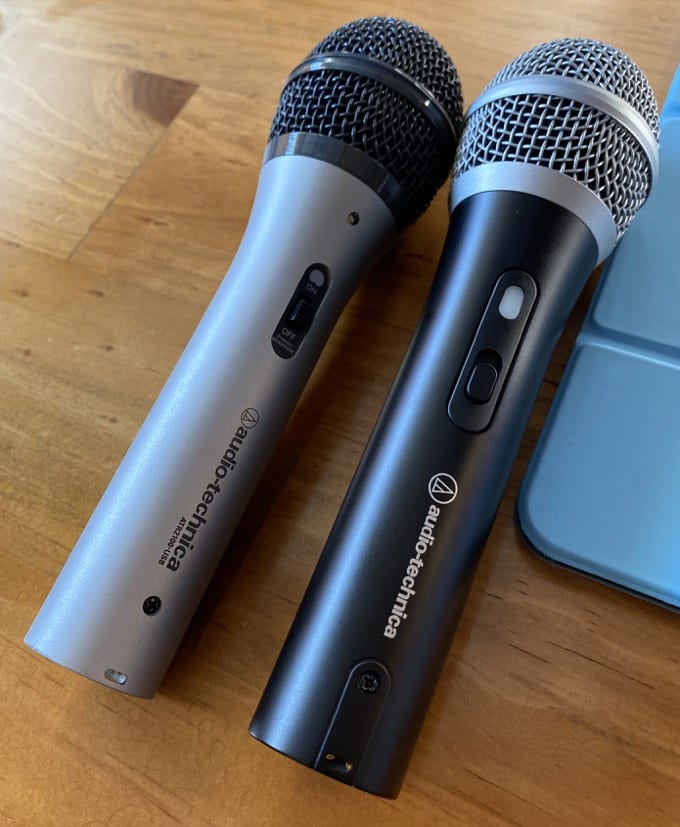
    Mike and Todd from the Blubrry teamed up to demo just how easy it is to record podcast episodes and interviews remotely. The video demonstrates using Skype and Zoom with a RODEcaster or with a USB microphone hooked to your computer.

    Luckily, a Skype account is free to everyone, and easy to set up. And Zoom has a free option for the first 40 minutes and paid levels if you need more time. If you’re looking for additional information on software for podcasting while home for the foreseeable future, check out our blog post here.

    Watch our video on how it’s done and of course share with your podcast pals.

    Stay safe, wash those hands!

  • Seize the Day!

    Seize the Day!

    Work from homeIf you are a podcaster and your life has been affected by the current COVID-19 crisis, you should set your alarm to go off at the top of every hour. This is a reminder to get up and stretch the ol’ legs and also quote former Chicago Mayor, Rahm Emanuel. After that leg stretch, recite to yourself, “You never let a serious crisis go to waste. And what I mean by that it’s an opportunity to do things you think you could not do before.”

    As a podcaster, you have access to resources that allow you to ramp up your podcasting efforts at a time when other people are looking for more content to consume. This is a unique opportunity for you to help the world with your podcast. Seize the day!

    Here is a quick list of resources you should consider exploiting in the coming weeks and months.

    1. There is current technology that allows for quality remote recording and editing. If you are isolated away from your usual recording equipment, you are in luck. There are apps native to your phone, web-based recording software, and so many cloud-based pre and post-production services that you can continue to create the content that only you can, regardless of location.

      Here are some examples of software and services (free and paid) that allow for remote recording and editing:

      1. Zoom.us (Service)
      2. Zencastr (Service)
      3. Voice Memo (App)
      4. Samsung Voice Recorder (App)
      5. iRecord (App)
      6. Auphonic (App and Service)
      7. Alitu (App and Service)
      8. Hindenburg Field Recorder and Hindenburg Journalist (App and Service)
    2. There is current technology that allows you to easily repurpose your existing content. Do not view your previously released episodes as just a ‘back catalog’. With minimal effort on your part a brand new audience could find audiograms, Gacha Life videos, and be enamored by watch parties that are all based on your old recordings.

      Here are some examples of software and services (free and paid) that allow for repurposing your content:

      1. AudioBurst (Service)
      2. iMovie (App)
      3. Windows Movie Maker (App)
      4. Headliner (App)
      5. VirtualDub
      6. Gacha Life (App and Service)
      7. TunesToTube (Service)
    3. Your current social isolation may now allow for more time to create content. Consider being podcast-productive with any extra time you have during work and travel restrictions. For example, if you commuted 20 minutes a day to the office and you now get to work from home, you now have almost an extra 45 minutes that you can dedicate to content creation. And if you are now working from home, your schedule may be more flexible which could allow for recording, remote interviews, or editing during your coffee breaks or the lunch hour.

    The COVID-19 crisis, while unfortunate, offers a unique opportunity for you to impact even more people with your podcast at a time when you have the resources to increase your podcast production. With that in mind, consider doubling your podcast episodes for the foreseeable future for twice the impact. In the current situation, you are able, as Mayor Emanuel said, to do things you thought you could not do before.

    NOTE: The above listing of resources is not an exhaustive list of all available products and services in the field. Their inclusion is intended to drive your own personal Google search. This is to demonstrate that there is no affiliate relationship with these companies and that their inclusion does not serve as an official endorsement of their products or services. You should explore all the options available and use what is best for you.

    You may also find podcasts on other valuable resources such as strengthening time management skills and community building practices beneficial during this time. You can find podcasts like this by searching the Blubrry podcast directory. And lastly, if you are interested in outsourcing most of your podcast tasks, consider Blubrry Pro services. Seize the day!

  • Tech Support: Know Your Dashboard: WordPress Hosting

    Tech Support: Know Your Dashboard: WordPress Hosting

    Know Your Dashboard: WordPress Hosting

    Know Your Dashboard is an ongoing series of in-depth looks at the features of your Blubrry Podcaster Dashboard.

    The WordPress Hosting section of the Blubrry dashboard is available to Blubrry Media Hosting customers only. This part of the dashboard is where you can set up and manage your Blubrry WordPress Website(s). Here’s a rundown of what you’ll find in this area of the dashboard:

    • Create PowerPress Site: Click the Create Basic PowerPress Site link to get started. On the next screen, enter your site title into the Website Title field (you can change the title later, if needed). A default admin-level WordPress username will be created for you in the WordPress Admin Username field. You can keep this username or change it to whatever you’d like. Click the Create Basic PowerPress Site button and Blubrry will generate your new PowerPress Site.
    • Blubrry WordPress Website: This box lists all of the Blubrry WordPress Websites you’ve created. Clicking a site link will take you to all of the settings for that site:
    • Website: The Visit Website link takes you to the homepage of your PowerPress Site. The Login to website link takes you to the login page of your PowerPress Site.
    • Backup and Restore: Blubrry automatically backs up the files and databases of your Blubrry WordPress Website. These backups are stored for 30 days. Clicking the corresponding links in this section will allow you to access these backups and make new ones.
    • Web Services: This box appears for Blubrry WordPress Website Advanced users only. Here, you can add a top-level domain to your site, configure DNS, and set up e-mail forwarding.

    WordPress Hosting by Blubrry in conjunction with Blubrry Media Hosting is the perfect platform for publishing your podcast. Contact us today if you’d like to learn more about these services.

  • A Podcaster’s Prime Directive

    A Podcaster’s Prime Directive

    Albert Einstein came to many of his theories by working through what he called “thought experiments.” His thought experiments were something like, “Imagine you are in a train car going close to the speed of light and shined a flashlight in front of you?”.

    Here is a thought experiment that podcasters should consider:

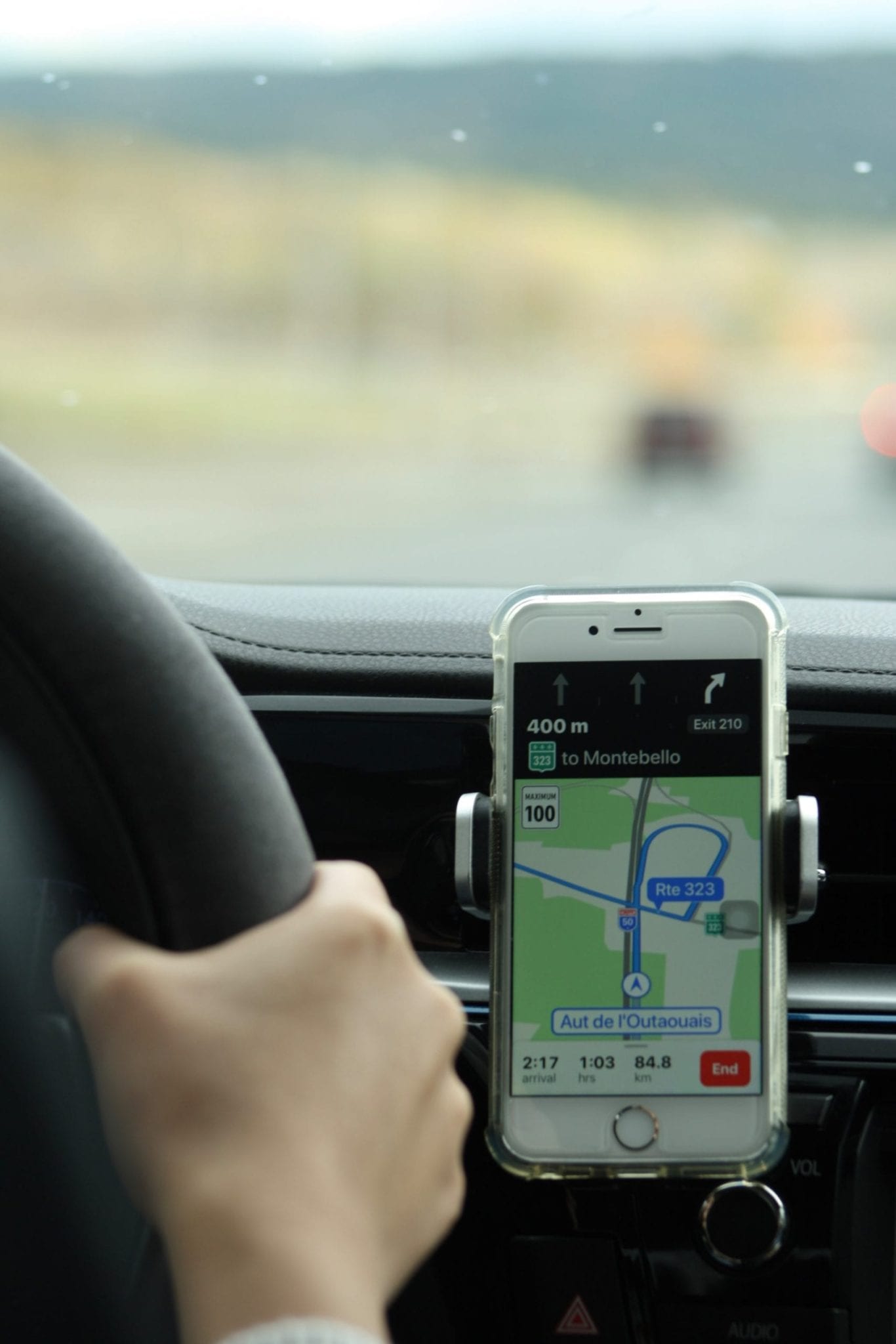
    Imagine someone is about to drive to a place they’ve never been to. After entering the address into their GPS, the app says, (for the purposes of this experiment please read this next part as fast as possible):

    “Just go down the road, you know, and turn right and then right again, and then go past the main branch of the library and turn left there, but if you don’t turn there you can just go straight and take, you know the second or third right, or is it left. Well, you’ll know you’re there when you see it. Now for a word from our sponsor. Think of Valu Oil Change Mart when you think of an oil change. OK, talk to you soon.”

    Now, finally, imagine that those directions are no longer available as soon as they’re announced. Would the driver understand what to do? Even if the person wanted to follow the directions they would have difficulty doing so and would return home early and hate the app that gave them such convoluted directions.

    End of thought experiment.

    Horrible, right? Actual mapping apps give simple, just-in-time directions with limited extraneous information. This allows the driver to easily focus on the next direction, and people get to their desired location following directions like this.

    Some podcasters feel uncomfortable at the end of their show and are overly polite during their calls to action. As in our thought experiment above, being wordy or folksy decreases compliance. Podcasters should plan call-to-actions to be like turn-by-turn directions. By limiting extraneous information and telling listeners directly what to do will boost their motivation. Be simple, be direct. You have some earned authority, you have already provided the listener with valuable information or entertainment. Being so targeted will help the listener know what exactly to do. That will make them more likely to follow directions.

    To diversify the calls to action offered, each episode can conclude with a different concise call to action. One show’s request could be to visit the website, another could be to smash ‘like’ on Facebook and yet another could be to send in an email. Regardless of the request, each episode should provide only one action to remember. This will drive people easily to where the podcaster wants them to go, and by doing that engagement is increased and community is built – let’s see a mapping app that can do that!

  • Tech Support – Know Your Dashboard: Podcast Feed

    Know Your Dashboard is an ongoing series of in-depth looks at the features of your Blubrry Podcaster Dashboard.

    The Podcast Feed section of the Blubrry dashboard is strictly for Blubrry Media Hosting customers who are also using the Blubrry Publisher tool. Blubrry Media Hosting customers who are publishing their podcast feeds using external publishing tools like the PowerPress plugin or a Blubrry PowerPress Site won’t see the Podcast Feed box once they have their dashboard settings configured correctly. Here’s what you’ll find in this part of the dashboard:

    • View feed in new Window: This link will open your Blubrry Publisher podcast feed in a new browser window. This is useful for seeing what’s currently in your feed. If you need to check your podcast feed with a validator, or if you’re ready to submit your feed to a syndication platform, you can easily copy the feed URL from here.
    • Podcast Settings: Here’s where you’ll enter the settings for your Blubrry Publisher podcast feed. It’s important to fill out all of the fields on this screen to ensure your podcast feed will be valid. This video provides some guidance on how to get all of these settings into place.
    • iTunes Artwork: This section is where you’ll upload the cover art for your show. This art will be seen on all of the different podcast apps/platforms. Some general guidelines for podcast artwork: image size between 1400px and 3000px square; RGB colorspace; file size under 500KB. You can also delete and replace existing artwork through this part of the dashboard.
    • Feed Tools & Settings: This area of the dashboard contains one function:
      • Refresh Feed: Clicking this link can expedite any changes you’ve made to your podcast settings or artwork by signaling the Blubrry server to clear feed caching. There may still be a slight delay after clicking this link before changes will show up in the feed.

    That covers everything in the Podcast Feed section of the Blubrry Podcaster Dashboard. Get in touch if you have any questions about getting your podcast feed set up and ready to go.