Category: Spotlight

  • Fancasts are Fan-tastic!

    Fancasts are Fan-tastic!

    Fans find community in podcastingFor the uninitiated, “fancasts” are podcasts created by fans that are dedicated to a film, TV show, book, sports team, celebrity, or anything under the general umbrella of entertainment. These podcasts often expand on the world of a show, imagining expanded storylines within that world or its characters, analyzing the inner workings of these worlds, or theorizing where they think the show’s material (or season) might be going.

    Fans create their own content because not only do they not want to wait for new material from the original creators to be released, but they are often looking for a place where fans can connect with a community of like-minded (sometimes lightly obsessed) people.

    One of the most popular fancasts dedicated to all things The Lord of The Rings, is Talking Tolkien: An Unexpected Podcast. Hosts and long-time friends Ezra and Lane say they started the podcast out of love for the LOTR universe, but more specifically, “The genesis, or the Ainulindalë to be more topical, came from Ez and I rekindling our friendship.”

    Sure, the television shows or stories are why people initially listen to a fancast, but Ezra and Lane really pinpoint why listeners come back for more – these shows create a unique bonding experience for the hosts and the listeners. 

    “We’ve had SO many interactions with listeners and received so much positive feedback. Hard to even keep track of honestly. We have the most generous listeners. So many of them have gone on to become actual friends – it’s wild. Probably the most surprising ones are when we hear from someone that we were able to keep him/her company during a really dark time in someone’s life… That’s been the most humbling thing to hear,” Lane says.

    Dave Humphreys started the podcast What Does Star Wars Mean To You? and he had an incredible (dream-worthy, really) experience, “One of my listeners, a TV showrunner, reached out to me via one of my guests just to be on the show! I couldn’t believe it.”

    A quick peek at some of this week’s top fancasts includes a show about superheroes, a show dedicated to the TV show Big Brother, and one about FC Chelsea football (soccer for us un-posh Americans). These shows may seem niche and hyper-specific to the casual observer, but a show dedicated to the band Rush, “Something For Nothing,” has over 544,000 downloads. That’s impressive for any genre of podcast!

    Humphreys summarized what is so beautifully unique about fancasts, “Taking the question of, ‘What do you like about Star Wars?’ and twisting it to the more personal, ‘What does it mean to you?’ takes the hate out of the debate and refocuses the conversation on why we all fell in love with it in the first place. And when people talk openly and passionately about what they love, it’s hard not to see it from their perspective.”

    It doesn’t matter if the topic is dragons, murder, or being disappointed in the Dodgers for the last time, the root of all fancasts is the universal desire to share our passions. Get out there, grab the mic, and don’t be afraid to let your fan-flag fly!

  • Ready to Try Video Podcasting? What You Should Know

    Ready to Try Video Podcasting? What You Should Know

    Where Should You Go to Host a Video Podcast?

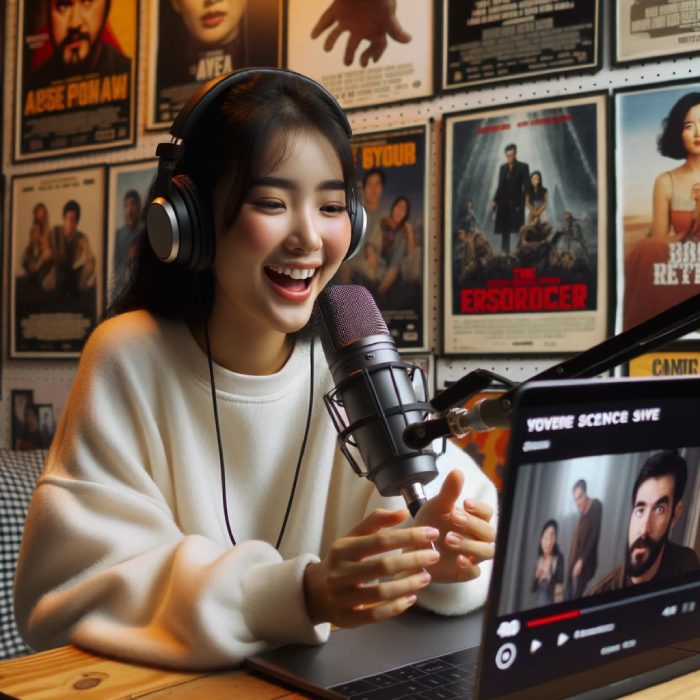
    With advancements in digital media and technology, the possible apprehension and intimidation of video podcasting is giving way to thoughts of, “Hey, I can do this!” 

    Video podcasting has become increasingly popular among content creators and viewers in recent years. With the growing podcast industry and the rising demand for engaging visual content, numerous platforms have emerged to cater to these needs. One platform that has supported video podcasters all along is Blubrry Podcasting. Widely recognized as a leader in the industry, Blubrry is a favorite of podcasters for offering a simple solution for all their audio and video podcasting needs.

    The most popular podcast platforms, such as Blubrry, provide users easy-to-use tools to create, publish, distribute and monetize their podcasts. These platforms offer seamless integration with podcast directories that allow video podcasts. This ensures the content reaches a broad audience while maintaining the highest quality audio and video standards. And, as in Blubrry’s case, they often include advanced analytics features that allow creators to gain valuable insights into listener demographics and preferences.

    It is important to understand the distinction between video podcasts and YouTube videos. While both involve visual elements accompanying audio content, a video podcast requires an RSS feed that distributes episodes directly to subscribers’ devices or applications. 

    That said, YouTube is an incredible asset to podcasters! It’s one more step in your process, but uploading your video podcast to YouTube or creating your podcast from your YouTube video is of great value to draw attention to your show. YouTube simply lacks the RSS capabilities to distribute the actual content to your audiences. 

    With this in mind, it is clear  that choosing the best video podcast platform is critical for creators looking to maximize their reach and impact. Considering its extensive suite of tools and services tailored for this purpose, Blubrry remains among the top contenders.

    A Couple Examples of Successful Video Podcasts

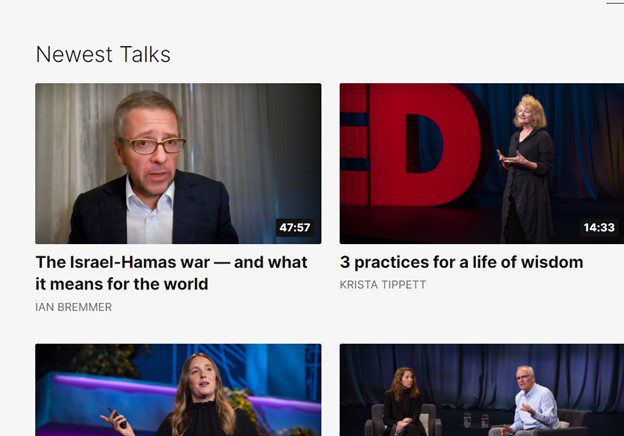
    When embarking on the journey of creating a video podcast, one might be interested in exploring some examples that exemplify excellence within this medium. Among some of the best video podcast examples are TED Talks Daily Video Podcast – featuring thought-provoking presentations by today’s leading thinkers – and Trash Taste Podcast – showcasing influential personalities from diverse fields engaged in long-form conversations. These examples provide insights into how an engaging narrative can be conveyed through visual storytelling techniques.

    To record a high-quality video podcast efficiently, selecting the best platform is of utmost importance. Blubrry stands out by offering a comprehensive solution that caters to all aspects of video podcast production, from recording and editing to distribution and analytics. Its seamless integration with popular podcast directories ensures that your content reaches the intended audience without any hassle.

    Discussing some of the top video podcast platforms can further clarify why Blubrry has become an industry leader. These platforms offer tools for creating and publishing podcasts and advanced features such as detailed analytics, monetization options, custom branding capabilities, and more. By constantly evolving its offerings to meet the ever-changing demands of content creators, Blubrry remains an ideal choice for starting or expanding a video podcast series.

    What Exactly is a Video Podcast?

    Understanding the definition of a video podcast is crucial in determining how it differs from other forms of online content. Essentially, a video podcast is a series of episodes delivered through an RSS feed that includes both audio and visual elements. Subscribers receive these episodes directly via their preferred devices or applications – allowing them to view this content at their convenience. This sets video podcasts apart from YouTube videos, which are not distributed through an RSS feed and thus lack one of the vital components necessary for them to be considered genuine podcasts.

    Selecting the best video podcast platform is essential for creators looking to produce engaging visual content that resonates with their audience while maximizing their reach and impact within this rapidly growing industry. With its extensive suite of tools and services tailored explicitly for this purpose – including seamless integration with various directories, advanced analytics features, monetization options, and more – Blubrry continues to hold its position as a trusted leader in the field.

    Should You Be a Video Podcaster? 

    Sure, the concept of video podcasting sounds super fun, and there are a lot of good reasons to start or transition your show so your message can be seen as well as heard. But there are some downsides as well. Read over these as you weigh your decision to invest your time, energy and money on video podcasting. 

    Check out this how-to page about video podcasting in our Podcast Manual.

    Pros of Creating a Video Podcast:

    1295990422
    • Visual Engagement: Video podcasts allow you to connect with your audience on a more personal level by incorporating facial expressions, body language, and visual elements, enhancing viewer engagement.
    • Diversified Content: Video podcasts provide an opportunity to diversify your content by incorporating visuals, graphics, slideshows, and on-screen demonstrations, making it easier to convey complex ideas or showcase products/services.
    • Branding Opportunities: Video podcasts offer branding possibilities through customizable video overlays, logos, and backgrounds, helping you establish a unique and recognizable visual identity.
    • Wider Reach: Video content is widely consumed on platforms like YouTube and social media, potentially expanding your podcast’s reach to a broader audience beyond traditional audio podcast platforms.
    • Monetization Potential: Video podcasts can be monetized through ads, sponsorships, or premium content, potentially generating more revenue compared to audio-only podcasts.
    • Enhanced Viewer Retention: Visual content can help capture and retain viewer attention, reducing the likelihood of distractions or multitasking while consuming your podcast.

    Cons of Creating a Video Podcast:

    • Higher Production Costs: Video podcasts typically require more equipment, editing, and post-production work, leading to higher production costs compared to audio-only podcasts.
    • Increased Time Investment: Video production takes more time and effort, from setting up lighting and camera angles to editing and rendering, which may slow down your content production schedule.
    • Accessibility Challenges: Video content may not be accessible to all audiences, including those with visual impairments or limited bandwidth, potentially limiting your podcast’s inclusivity.
    • Technical Challenges: Dealing with technical issues such as video and audio synchronization problems, software glitches, or file compatibility can be more complex in a video podcast.
    • Visual Distractions: The presence of visuals can be distracting for some viewers, potentially reducing the focus on the podcast’s core message or content.
    • Hosting and Distribution: Video files are larger than audio files, which can lead to challenges in hosting and distributing your podcast, including increased storage and bandwidth requirements.

    Here is a page in the Blubrry Podcast Manual that can also help you decide, “Audio or Video?”

    What Will You Need – and Need to Decide Upon – to Produce Your Video Podcast

    Before producing a video podcast, podcasters should consider several important factors to ensure their content is engaging, appealing and well-prepared. Here are a whole bunch key considerations – and links so you can read more on how Blubrry can support these factors:

    Content Planning:

    • Define your podcast’s niche, topics, and target audience.
    • Outline the structure and format of your episodes.
    • Plan your episode content and script to ensure a coherent and engaging narrative.

    Visual Elements:

    • Incorporate images, graphics, and visual aids to enhance your podcast’s storytelling.
    • Use B-roll footage (secondary footage) to add context, variety, and visual interest.
    • Consider using animations, charts, and diagrams for explanatory purposes.

    Equipment and Setup:

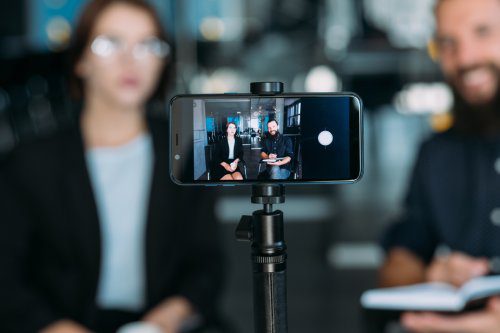
    • Invest in quality audio and video equipment, including microphones, cameras, and lighting.
    • Choose a suitable filming location with good lighting and minimal background noise.
    • Use a tripod or stabilizer to ensure stable and professional-looking shots.

    Visual Consistency:

    • Establish a consistent visual style for your podcast, including colors, fonts, and graphics.
    • Create an appealing opening and closing animation or sequence to reinforce your brand.

    Script and Storyboarding:

    • Write a clear and engaging script that guides your narrative.
    • Storyboard your video to plan camera angles, shots, and transitions.

    Live Action and Presenters:

    • If featuring live action or presenters, ensure they are well-prepared, articulate, and comfortable on camera.
    • Consider using a teleprompter or cue cards to assist with delivery.

    Settings and Background:

    • Choose a background that is relevant to your podcast’s topic and visually appealing.
    • Keep the background uncluttered and free from distractions.
    • Use depth of field (e.g., blurred backgrounds) to draw focus to the speaker or subject.

    Lighting:

    • Invest in proper lighting equipment to ensure your subjects are well-lit and the video quality is high.
    • Consider natural light sources or softbox lights for a flattering and even illumination.

    Editing and Post-Production:

    • Edit your video for pacing, removing mistakes, and adding visual enhancements.
    • Incorporate appropriate transitions, text overlays, and music to enhance the viewing experience.
    • Check out Pro Production with Blubrry to learn how to expedite this process.

    Accessibility:

    • Add closed captions or subtitles to make your content accessible to a wider audience.
    • Ensure your video player is compatible with screen readers for visually impaired viewers.

    Test and Feedback:

    • Before releasing episodes, test your equipment and recording setup to address technical issues.
    • Seek feedback from peers or a test audience to refine your video podcast’s quality and content.

    Promotion and Distribution:

    • Plan how and where you will distribute your video podcast, whether on YouTube, social media, or a dedicated website.
    • Promote your episodes through effective marketing strategies to reach your target audience.

    By considering these methods and factors, video podcasters can create compelling, visually appealing content that engages viewers and helps their podcast stand out in a competitive landscape.

    As more people discover the benefits of subscribing to video podcasts – including on-the-go access to thought-provoking discussions and captivating storytelling techniques – we can expect these platforms’ popularity to continue rising exponentially. Employing platforms like Blubrry to create, distribute and monetize high-quality video podcasts will remain a top priority for content creators striving to make their mark.

    For more tips and information on creating and promoting your podcasts, visit our Podcast Manual. 

  • Embracing Paranormal, True Crime and the Hollyweird of Hollywood

    Embracing Paranormal, True Crime and the Hollyweird of Hollywood

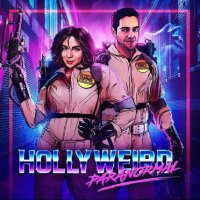
    Hollyweird ParanormalThe bright lights of Hollywood cast celebrities as larger-than-life, untouchable, flawless – everything we wish we could be. But behind the glitter and glam lie dark shadows, a seedy underbelly that reaches far beyond the borders of Hollywood. Our October Podcasters of the Month, sleuths and podcast hosts Tammie Merheb-Chavez and Brice Mitchell Williams, recognized that the ghosts of crime in the Golden State remain long after its famous occupants have died. 

    Merheb-Chavez and Williams teamed up in 2017 to explore the twisted world of “Hollyweird Paranormal.” The podcast features true crime and paranormal activity from Hollywood through Los Angeles, California, and beyond. They tell titillating tales of true crime and its paranormal aftermath – from saving one of L.A.’s historical and haunted restaurants, to preserving Marilyn Monroe’s 1929 Spanish colonial home, to the ghosts of Mae West and Montgomery Clift. 

    A transplant from New Orleans, Merheb-Chavez moved to Los Angeles in 2009. In addition to being a part-time paranormal investigator, she’s a full-time costume designer for film, TV and theater. Williams lived in various states in the Midwest in conservative, Christian communities. As such, he never really believed in any kind of paranormal activity, yet life experiences have taught him otherwise. 

    It’s only fitting in the fright-filled, mythical month of Halloween that we delve into the fascinating and wicked world of true crime and paranormal. Merheb-Chavez and Williams share their insights on growing and sustaining your show, no matter what genre. 

    • You have a wide scope of approaches within Hollyweird, from dead celebrities to paranormal incidents to crime, to listener tales to studying haunted locations across the U.S. How did you decide on this format and how has it benefited your show’s success? 

    As silly or cliche as it may sound, I think our style has mostly been an experiment in trial and error. Our journey to making the podcast what it sounds like today was born mostly out of two friends just chit-chatting during breaks at work and one day realizing, “We might have something here?!” When we first started, we didn’t know what we were doing, where this would take us, and if anyone would even listen! In the beginning, we just knew that the more we interacted with the people around us, the more we discovered that everyone had some type of paranormal story to tell. It truly is a great unifier! And we knew that many people shared our affinity for everything that surrounded this weird entertainment town we are so lucky to live in! So our initial episodes were really just a love letter to the marriage of those two worlds. We really didn’t have any idea what it would begin to morph into! 
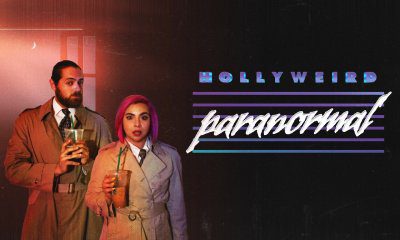
    As we went on, we started branching out and meeting the amazing people who partake in this sphere and we got to know our amazing listeners. The more we progressed, the more stories we were able to spotlight and, in many ways, following that passion for collecting stories and the people who share them has been the greatest success we didn’t even know to hope for! 

    As we continue to move forward, I hope to continue adapting. The world of Hollywood and the world of paranormal investigations are both deeply kinetic and alive. We are watching in real-time via the strikes how drastically and quickly the entertainment industry is changing. Our future and passion will be to move forward with the changes in these fields and continue to tell the stories and experiences that bring these worlds and people together!

    • Each of you has had distinct experiences that piqued your interest in the paranormal. I know it’s hard to summarize, but can you each tell us what prompted you to investigate paranormal activities and start this podcast?  

    Brice: I would say I have always been a skeptic of what is typically considered, “paranormal.” Growing up very religiously, we really only believed in a very narrow understanding of what happens to us when we die. Unfortunately, that worldview wasn’t able to encompass the experiences I was having with my own eyes and ears and gut instinct. As with anything, when you are confronted with evidence that contradicts your worldview, you can either double-down on your beliefs or adapt to the new information being presented to you. 

    I have always believed in logic and in my own instincts; so I just try and trust those to guide me when I can’t fully understand the world around me. I think that mindset helps in this world of paranormal investigation because it keeps me grounded in the ability to be open to what is possible and skeptical in a way that is rooted in facts. I am the first to admit that there is so much we truly don’t understand, but I also like a little proof in my pudding! Starting this podcast with Tammie has truly just been the natural extension of both our friendship and our experiences with the paranormal! We have been extremely lucky to see some truly incredible places and investigate and meet some amazing people! The podcast is just one way that we are lucky enough to share those experiences with a wider audience! 

    Tammie: I’m originally from New Orleans, which is a very spooky and haunted city, so I’ve always been intrigued and curious when it came to dealing with the paranormal. I’ve had quite a few unexplainable experiences growing up and it seems that I was on this paranormal journey that has evolved and manifested into this unique paranormal podcast with Brice, who has been this amazing balance on my views. 

    The paranormal investigations grew after our first season when I had this urge to find the answers to the questions that have resided in my mind from the beginning, “what happens to us after we die?” “Are ghosts real?” “What are ghosts ?” and “Is there a consciousness that persists after we expire?” That’s when I realized that I wanted Hollyweird to be more than lip service, I wanted to do the fieldwork and bring our listeners along for the ride with Brice, who braved certain locations with me. I learned more from his experiences than from my own because they were shared experiences, which are the most important.

    • Hollyweird has been active since 2017, Well done! What are some tips for your fellow podcasters on how to sustain a successful podcast? And, importantly, how do you approach co-hosting to maintain that success? 

    You must always put yourself and your mental health first! We’ve seen many of our fellow podcasters go through burn-out and depart from their podcast because they’ve overworked themselves, which affected their content, clarity and drive. It’s okay AND important to take a break or a little hiatus from the microphones because life and work get in the way. We’ve always taken time off from our podcast because we have our day jobs, trips we want to take and ourselves to tend to. But, we notice something amazing happens! We notice that our listeners send us messages expressing their excitement for future episodes, we gain more inspiration with the time we allot ourselves, and it gives us time to meet new people and places that end up making their way onto our podcast.   

    What has helped us in this approach is that we’ve been good friends for years, which helps everything else evolve naturally and organically on our podcast journey.  For podcasts with more than one host, communication and maintaining a healthy friendship with one another is very important. We’ve always made sure to be understanding of each other’s time and outside projects while being flexible with our recording schedule.  

    • In what ways do you think podcasting can be a powerful tool for exploring the supernatural and creating a sense of mystery, and how do you approach this in your own show?

    I think that podcasting is one of the mediums best suited to the exploration of the supernatural! We all, of course, love to go to a scary movie or a scary amusement park because we crave the pressure release valve of “terror!” But, much like Hitchcock movies, what is unseen is often scarier than even the best, most expensive CGI. Podcasts leave so much up to each listener’s imagination and they will be able to concoct something far spookier and personal than any more-visual medium could. Ultimately, at its core, podcasting is just very technological story-telling. I think this has always been our approach with Hollyweird. We are storytellers and story collectors. The stories will always unify and entertain, and yes, sometimes even scare! We have been so lucky that so many people have been generous with their stories and that we have gotten to witness so many incredible stories through this podcast. In many ways, we get to stand at the crossroads of history and entertainment and are able to use paranormal investigation alongside more traditional historical methods to delve into worlds that might otherwise remain mysteries. And then, through the connectivity of podcasts, we are lucky enough to share those experiences! We may be a bit biased because it is the method we have chosen for ourselves, but we can’t imagine a more intimate, more readily available tool to explore this world and then disseminate that experience than through podcasting! 

    • How do you vet the trustworthiness of the individuals you talk to and reports you receive on paranormal activity? Can you give advice on maintaining credibility in podcasting to your fellow content creators?

    We’ve created and maintained a very safe space for our listeners, especially for those who submit their personal paranormal stories for our segment of “Listeners’ Tales.”  With that said, a lot of the stories submitted are pretty genuine, and each one is astonishing yet very personal. What makes them more genuine is when some of these stories open with, “I was never a believer of ghosts until…”  

    But, we always approach everything submitted with an open mind and logical approach. If we are sent videos and pictures, then that is when we bring in our contacts in the paranormal field who specialize in studying and analyzing these types of evidential recordings. We always vet those who uphold a great amount of ethics and education while at the same time having a fresh pair of eyes to catch onto something we missed. 

    The biggest advice that we can give to content creators is to have a great amount of ethics, respect and positive creativity with what you produce. The impact of your work and storytelling is pretty palpable when you’re growing your audience and creating a space for others to share.


    Follow Hollyweird Paranormal


  • Synergy and Success in the Small Team

    Synergy and Success in the Small Team

    Call it fate, synchronicity, serendipity, harmonic convergence . . . whatever you like. But I simply can’t say enough about the massive capabilities of the small team. In this case, that would be the Blubrry Podcasting team.

    Blubrry is a good example of the success of small teamsIn the past year, Blubrry has released new features that run the gamut from a free podcast media kit for each paid hosting customer to closed captioning and transcription to a progressive web app (PWA) so you can easily access your statistics on your phone on the go. 

    And those are just a few of the many developments. Always evolving, always looking out for the podcasters’ best interests is what Blubrry is about. And I say with great gratitude that the people who are making it happen are truly the best in the business. 

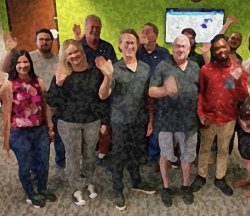
    Our crew comprises five developers, three system support staff, three marketing-comms folks and the leadership team. Although Blubrry has been in business since 2006, in the past year these professionals have kicked some serious butt through initiating, creating and implementing new features and tools to benefit our podcast family.

    There’s a lot to be said about small businesses. Small teams succeed with agility, close collaboration and, importantly, a shared vision. In the case of the Blubrry team, this has lead to remarkable achievements. 

    I couldn’t be more proud of this team. Ranging in all ages and backgrounds, this group possesses a strong sense of ownership and accountability. Each member is crucial to our success, fulfilling their role with integrity, dedication and commitment. 

    The camaraderie and ingenuity among the Blubrry Podcasting team was never more evident than our retreat earlier this year. Already from that gathering we’ve initiated new projects that the team collectively decided was beast for our community. Each team member’s insights and perspectives went into our operational plan, laying out what we bring to market.

    There’s a lot more in the works, too. Stay tuned here to learn more about how we plan to implement AI to benefit podcasters throughout the recording and publishing process; and soon we’ll be launching a service that can build out your podcast website and get the backend up and running.

    Let’s be clear, this isn’t a reflection on me, the CEO, in the least. This team has built itself, creating trust and a shared vision, and encouraging the open exchange of ideas to boost innovation. Ultimately, the synergy derived from these factors allows this small team to harmonize its efforts, maximizing productivity and propelling them to achieve outsized success in a competitive landscape.

    Sincerely,

    Todd Cochrane
    CEO, Blubrry Podcasting

    Learn more about us here.

  • A Gentle Rebel with a Quiet Cause

    A Gentle Rebel with a Quiet Cause

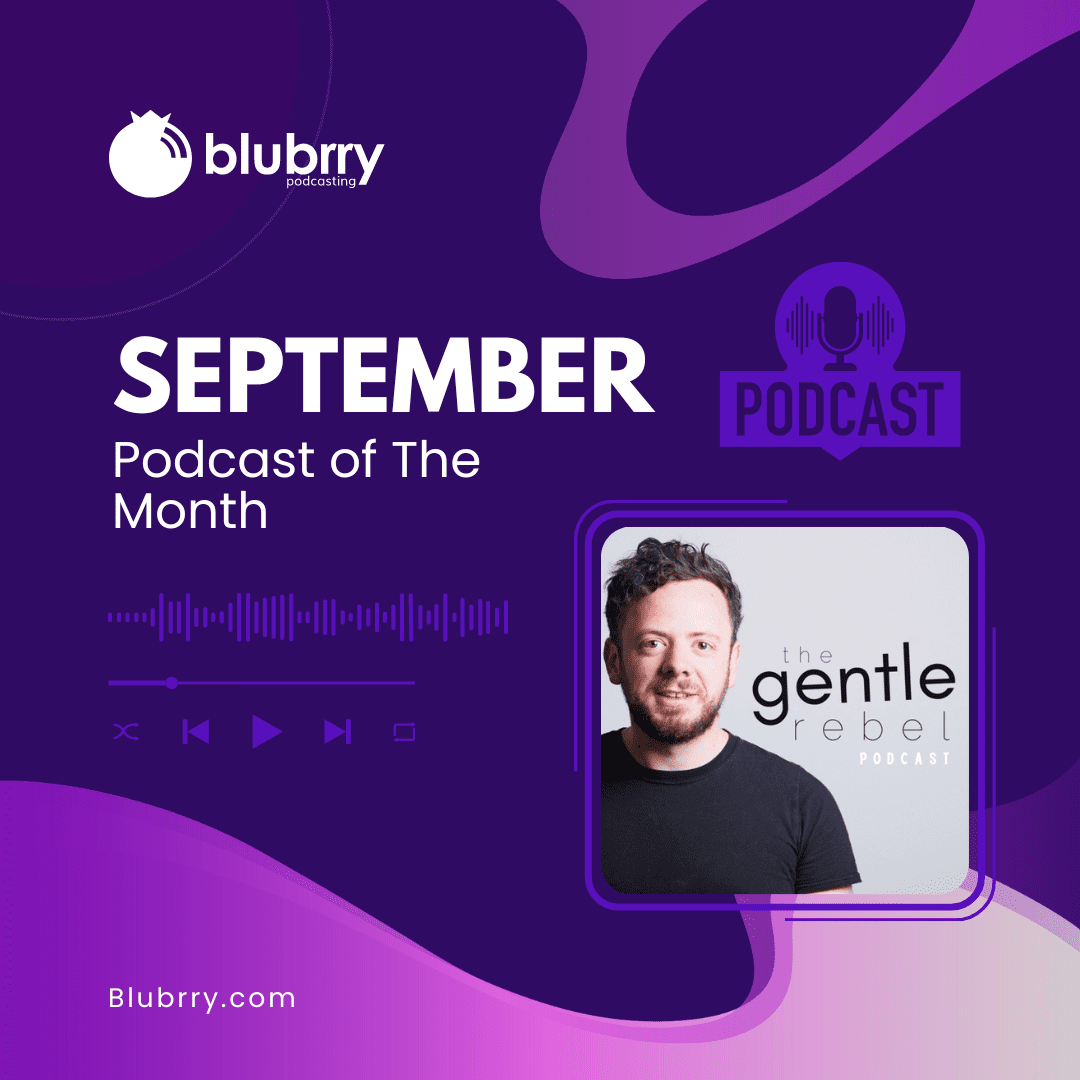
    The Gentle Rebel is Blubrry's Podcast of the MonthAndy Mort is not your stereotypical rebel. A podcaster, ambient sound artist, songwriter and professional life coach, Mort calls himself a Slow Coach. Having gone through his own renaissance and revival, our September Podcaster of the Month offers inspiration and support for others’ gentle rebellion. He helps people “connect with our natural rhythms, release the hold of alienating external demands, and freely infuse everyday life with our unique creative spirits.”

    “I love making spaces for weary travelers who are exhausted by the pace and pressure of modern existence,” Mort says. One of these spaces is The Haven, a virtual village in which people can escape to find the “needs beneath the noise.”

    Mort’s podcast, The Gentle Rebel is an extension of that haven, offering listeners a weekly note of encouragement for more than a decade. Through music, art and outreach, he reaches introverts and highly sensitive people. Mort helps them break free from their constraints and the narratives they’ve internalized about themselves. 

    • You started The Gentle Rebel a decade ago, then ended that chapter and rebooted in April 2022. What differentiates these chapters and what can listeners look forward to in the months/years to come?

    I’ve been doing the Gentle Rebel Podcast since 2010. It has been through several iterations or chapters. The most recent one started in April 2022 when I realized after 365 episodes there was a lot of stuff I had covered a few times in different ways over a decade of exploring. I had also reached a better understanding of many of the ideas I had been circling. I wanted to consolidate the ideas in those shows so that I had a simple focused archive to refer people to when looking for support and information about particular things. Podcasting is a wonderful way to think out loud and bounce ideas around. Eventually you reach a firmer position about certain things. That’s what happened. I wanted to mark that.

    I have reached the end of that consolidation process now, so I am enjoying exploring what the podcast wants to be next. The big focus is allowing space for music and practice to become part of episodes. Rather than just talking ABOUT theories and ideas in a world of abundant access to information, I want to connect with the humanness we share and provide valuable resources that give people an energizing and connecting experience to counter the frazzle and overwhelm that so many people are reporting feeling at the moment. So there will be more of that. Reflections on what it means to be human in a world of machines and plenty of space to explore that creatively.

    • Andy, you are a Sound Artist, Songwriter, and Slow Coach. How do these areas interconnect in your podcast, The Gentle Rebel? (And how do you define a slow coach?)

    The podcast is where my creative and professional passions converge. It’s why I love the medium so much. I use podcasting as a conversation with my listeners, a place to share my stories/experiences/observations (often from my life as a performer/songwriter), and a platform to create practical experiences that leave people feeling a positive shift after listening. That final part is often where my slow coaching philosophy interweaves with my creativity. 

    The idea behind slow coaching is that we don’t make good long-term/big picture decisions when we’re feeling rushed or in a heightened state of stress/alertness. I want to help people see the possibilities for their lives through a state of rest and deep connection so they can make grounded decisions that reflect who they are and where they want to go next. 

    The world is so noisy and there are so many competing demands and voices that tell us what we should want, do and value. I want the podcast to be somewhere people can come to as a way to reconnect with themselves and the needs, feelings and sensations beneath that noise. I bring my ambient instrumental music into certain episodes as a way to help listeners connect with different states of being. I am always aware of the rhythm and pace of an episode and how important it is to create that sense of hope and possibility as somewhere to finish each one.

    • What approaches have you found effective for introverted individuals versus people who are more outgoing?

    This focus emerged organically when the first iteration of the podcast started in 2010. It actually began life as an independent music podcast where I would share songs by artists I had played with and who were under the radar of the mainstream music industry. I began to speak between the songs and on a few occasions, talked about challenges/observations from my life as a musician. People would get in touch to say “I get that too,” especially when I spoke/blogged about things I later saw as characteristic of introversion and high sensitivity. So I naturally moved down that line, talking more about those things. And as I did so, I got more listeners looking for support and a sense of community with people who see the world through a similar lens. Knowing that you’re not alone in your experiences is a big part of what we all look for, and this is especially true if the world feels oriented toward another way of operating. I guess it comes back to permission to explore your own natural pace and rhythms and to listen to what you need to manage your energy, focus deeply on what matters most to you, and not get burned out by trying to keep up with the flow of demands and pressures from a fast and noisy world. 

    • How have you found that music – such as your music – reaches and supports the individuals you’re touching through your podcast and through your one-on-one coaching?

    Music is the language that transcends language – it speaks to us (and through us) in ways we might not be able to describe with words. I love it as a metaphor to help us navigate the challenges we face and our relationships with ourselves. And the experience of music (I do online gigs, host sound anchor rest sessions, and share/talk about songs from my Atlum Schema back catalog), which allows me to support people in different ways. I love sharing my music with other people; there is something beautiful about the energy that comes from a live stream, where we have the same experience as other people worldwide. It’s a gently rebellious joy in an on-demand world.

    The language of creativity helps me to work with clients to explore their inner landscapes, dreams, challenges and everyday possibilities in playful ways. We can go deep without it feeling heavy. We can explore with curiosity and joy. As I said before, music is also a tool I use to help people return to a place of calm inner connection and grounded hope after we adventure into those new horizons.

    • In what ways do you think your podcast helps introverted listeners feel more connected and understood?

    I guess it comes down to being a companion to people who might see and experience the world differently to the people around them. It’s the great thing about the podcast medium – it feels personal and real. Someone who you resonate with can chat about things that are important to you as you go about your day. At the broader level, podcasting has increased our collective understanding of introversion and high sensitivity. The Gentle Rebel Podcast has been a great chance to explore listener questions and observations as they come in over time. It’s just lovely to feel like I can be the voice of “someone like me” to a person who might be feeling disconnected and alone.

    • Are there any memorable stories, feedback or experiences from your listeners that showcase the positive effects of your podcast and your coaching in general on their lives?

    There is a story that speaks to the power of podcasting in creating connections and gently transforming lives of those who encounter them. I was invited to speak, lead a workshop and perform at a gathering for highly sensitive people in Finland – all sparked by a listener who reached out and joined my Haven community. She put me forward as a potential guest at the gathering. Tuula has since become a close friend and creative collaborator. The event itself was memorable for many reasons. One in particular sticks out when it comes to thinking about the unforeseen positive effects of the podcast. At the end of a day of workshops, a Q&A and a live gig in the evening, someone came up to me and said, “Thank you so much. I love playing the piano but I’ve never played to anyone else. After hearing you speak and perform today, I realize I have the strength to do it. I now know that I want to do it.” That blew my mind. It was one of those “ahh yes, this is what makes it all worthwhile” moments. 

    Find The Gentle Rebel Podcast here and on the Blubrry directory here. 

    Learn more about Andy here.

    Connect with Andy:

  • Women’s Voices Ring Across the History of Podcasting

    International Women's DayThey’re Not Only Talking About History, They’re Making It

    Throughout history, women’s voices were muted and largely overshadowed by men. In 1920, women had to march for the right to vote here in the U.S. and they weren’t even allowed to open a bank account until the 1960s. Proudly, podcasting has been a medium where women’s voices have been heard, respected and revered since the start.

    Just look through the Academy of Podcasters Hall of Fame: In its inaugural year in 2015 Mur Lafferty of Geek Fu Action Grip was inducted, and women have been represented throughout, both independently and as part of teams.

    Two of the top five podcasts of 2020 were by women, including Crime Junkie (Ashley Flowers and Brit Prawat) and My Favorite Murder (Karen Kilgariff and Georgia Hardstark). Edison.com notes that the gender of podcast listeners are evenly split — 51% male, 49% female, and 31% of women in U.S. households listen to podcasts at least once a month, compared with 39% of men.

    And now women’s voices — and the voices of those who identify as women — are shaping history. In ‘The Story Behind Podcast,’ Emily Prokop shares the extraordinary history of the ordinary. Jen Briney’s podcast, ‘The Congressional Dish’ focuses on the actions and processes that go on between official votes of the U.S. Congress.

    Yet, like every month celebrating genders, cultures, ethnicities, etc., it’s not enough to point to any certain group for 30 days, then act like they don’t exist the rest of the year. In the second half of 2020 alone, Podcast Insider showcased two articles: Powerful Women in Podcasting and Top Podcasts Hosted, Produced, Or Promoted By Women.

    The Blubrry Directory includes thousands of podcasts with women in the title alone, and there are hundreds of times as many shows hosted, produced and/or engineered by women. Still, you can see that there is infinitely more room for women’s voices and influences to shine in podcasting; and women to not only discuss history, but be a vast, vocal part of shaping it.

    That’s where Blubrry can help — how many women (and men for that matter) want their voices to help shape history but aren’t sure how to pull together a podcast? Check out our services here.

    What women podcasters inspire you the most? Give them a shoutout in the comments below.

  • Blubrry PowerPress Podcast Plugin Gets Strong Endorsement!

    PowerpressWe have been getting emails and daily shout-outs by Podcasters worldwide on their switching to PowerPress. If you have been waiting to switch and needed an excuse here is a pretty strong endorsement of the product.

    Check out this endorsement of PowerPress by Neville Hobson and listen to what he has to say on his Podcast about PowerPress.

    Try the plugin yourself! Download it Here

    Want to comment on your experience with PowerPress? Leave us a comment here or post your experience on your blog!

  • Redesigned Program Profiles on Blubrry!

    The program profile pages have been redesigned on Blubrry!  The new design is in response to the feedback we’ve received from the community.  The new design focuses on usability.

    Examples

    We now include a subscribe & share widget on the right column that will make it easier for your audience to find your subscription information.  Yahoo and Odeo have been replaced with Google and Microsoft Zune subscription links.  The subscribe & share widget includes links to Digg and del.icio.us as well as to your RSS feed.

    We’ve added new Play on iPhone buttons within each post.  In case you were wondering, the Blubrry Player already supports the iPhone.  The new iPhone buttons make it easy for iPhone users to consume your content on we-moved-the-blog-to-this-site-when-we-made-a-new-website.blubrry.com/.

    We're just getting started. Watch more more changes to we-moved-the-blog-to-this-site-when-we-made-a-new-website.blubrry.com/ and the rest of the RawVoice communities!