We are excited about this release with a change to our monthly trending chart for all stats users and a brand new metric.
Primary category comparison of your show to other shows in your category. (Thrive Feature)
As a podcaster, staying on top of your metrics is crucial for understanding your audience and growing your show. That’s why we’re constantly working to improve our data and provide you with valuable insights. In this latest update, we have two new data points that will give you even more information about how your podcast is performing.
The first change is to our monthly trending chart for all stats users. This chart shows the overall trends of your show’s downloads and plays over the past month. With this update, we have also added a comparison feature that allows you to see how your show stacks up against other podcasts in the same category.
This new metric, known as the “Primary Category Comparison,” gives you a better understanding of where your show stands in
This new data metric compares your show performance against other shows in the same podcast category. We will compare your primary category set in show settings to other shows Blubrry measures in the same category. Satisfy your curiosity! Make insightful decisions for your show based on this new information and reach your full potential.
Commitment to Clarity Monthly Trend Chart Update (All Stats Users)
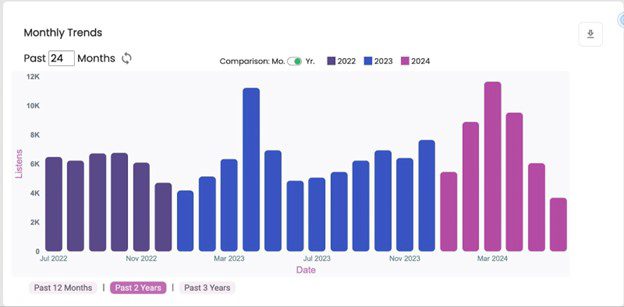
You asked us for more details in the trend chart, and we have re-designed it to give you more clarity, allowing you to see how your show has progressed over time
Podcasters can now go back any number of months up to 36, whereas before, they could only do 12, 24, or 36 (we always offered three years back, but you are now not limited to full-year amounts)
Podcasters can now toggle the monthly chart between a chronological view and a month-by-month comparison
We strive to offer detailed insights into your show performance and your understanding of your overall reach. Based on your request, we aim to give you the best overall picture possible that we can provide.
Utility of the Dashboard
This is a reminder that our stats dashboard contains multitudes of information about your podcast and is a potent tool for giving you actionable information. By leveraging this data correctly, you can make informed decisions to enhance your show, optimize marketing tactics, and make a podcast with purpose.
The new trend chart is available to all podcast stats customers, and the category comparison is available to all thrive customers. Those who want these new metrics can order Thrive as an add-on under Manage Subscriptions in the podcaster dashboard. Learn more about the Thrive Bundle here.
Gen Z has been getting a pretty bad rap from, well, everyone for habits that their elders just can’t quite comprehend. They’ve been called, “the most challenging generation to work with.” While that may be the case in some sectors, we might extend them a little latitude as they’re also, “the loneliest generation.”
It makes sense that our lonely digital natives, who view work-life balance differently than the previous generations, are one of the most consistent podcast-listening audiences. However, if podcasts don’t keep them engaged, they stop listening and move on to the next. The question isn’t if they’re going to change the scope of the podcasting landscape, but how quickly they will do it.
BY THE NUMBERS
A report released last summer by Edison Research claims that 47% of people ages 13-24 listen to podcasts; about 24 million people. Most of these people have listened to podcasts since they were children.
Gen Z isn’t just familiar with podcasts; podcasts are integral to who they are. This generation’s comfort in podcasting is no different than previous generations’ comfort with radio, television, or movies. Podcasters and marketers should not minimize the habits and impact of these listeners and instead ask what keeps these people listening. Chances are, they’re more open to new content than their older cohorts.
Helping Gen Z further explore the podcast process, Blubrry Podcasting released a 50% discount for college students for one year of hosting. For undergraduate or graduate students whose interest is piqued by podcasting and storytelling, Blubrry understands your budget may be limited, but your creative ambitions are boundless. That’s why this hosting discount is designed to support your podcasting dreams without breaking the bank.
NEWSFLASH: THEY’RE DITCHING THE NEWS
Older generations tend to listen to podcasts that focus on news, politics, or finance. Going back many years, shows like The Daily, and The Daily Wire were regularly in the top 10 podcasts. But these are not the shows Gen Z has in their cloud. They tune into shows that are about entertainment, humor, or learning. They enjoy feeling connected to the hosts and the material, and they’d rather fill their time with topics that bring them joy, or a better understanding of the world, than the news of the day.
PODCASTING… BUT ON SCREENS
Although Gen Z are avid listeners of podcasts, they’re influencing something that would at the outset, seem counterintuitive to podcasting: they’re watching them.
Podcasters are broadcasting their sessions, breaking up the content into short-form pieces that can be viewed easily on social media, and they’re doing this because that’s how Gen Z discovers new podcasts. Even small podcasts are finding greater reach by adding a video component. There’s nothing wrong with making what’s old seem new again!
Speaking of screens, watching podcasts via video is now more accessible when those videos, such as from YouTube, are automatically converted into audio podcasts. Gen Zers on the go and any video-first creators can have it all with Vid2Pod, Blubrry’s new video-to-podcast service that automatically converts YouTube videos into podcasts.
SOCIAL MEDIA’S INFLUENCE
There’s no question that social media has changed the landscape of marketing for every product from jewelry to dog food, so too has it changed how people find and consume podcasts.
Gen Z has also grown up (or is currently growing up) with Instagram, TikTok, Snapchat, and Facebook, so it follows that that’s where they get most of their information. This reality makes the visual aspect of podcasting incredibly important. After all, their lives are inextricably linked with their phones and those eyeballs don’t seem to be wandering away from screens anytime soon.
And in the age of artificial intelligence, Blubrry has made it easy and nearly fail-proof for any podcaster to plan, produce and promote (including on social and through email) their podcasts with its Podcast AI Assistant, or Blubrry PAI.
BACK TO THE FUTURE
There’s no guarantee that Gen Z will stick with their podcasting creature comforts in the future, but right now, they’re engaged and tired of being treated like they’re inconsistent and unfocused. Much like millennials and Gen X before them, Gen Z has much to offer the media landscape even if they are currently being underestimated. We would all do well to remember – they’re listening. Let’s not give them any more reasons to tune out.
Tara Jean O’Brien is a writer, actor, improviser, podcaster, and stand-up comic living in Los Angeles. Her first humor book, TIPS FOR YOUR LAST YEAR ON EARTH, was published by Vulpine Press. She has written for The Onion, Slackjaw, Jane Austen’s Wastebasket, Greener Pastures, The Haven, Lady Pieces, The Bold Italic, and Insider. You can listen to her make bad jokes on some of these podcasts: “Single Vs. Married,” “People Also Watched,” or, “The Lighter Side of Finance.”
Just about every podcaster started small, like a seedling in spring, relying on the basics. At Blubrry, we are excited to support their needs by offering outstandingStandard and Advanced Hosting plans. And sure, like that seed buried in the ground, these budding podcasters may not know what they would or could become. Yet, with tomorrow being the first day of spring, it’s a great time to remind newbies and veteran podcasters that they can further nourish their shows and flourish in the podcast industry with Blubrry’sProfessional Hosting.
Yes, you, too, can blossom into a professional-level podcast creator, branching into venues you’ve only dreamed of and turning your once-seedling show into a vast garden of audio and video content that grows your audiences far and wide.
But enough with the spring cliches and metaphors. Our pro hosting provides a dedicated plan for those with multiple shows, who require additional storage (including video), and/or arebuilding a network. It offers all the tools you need tomonetize and showcase your shows while monitoring audience growth.
Podcasting has rightfully and steadily become a mainstream media platform, with its rise fueled by an ever-growing listener base and an endless array of topics that can be shared. Professional podcast hosting can provide a springboard for propelling your podcasting ventures to greater heights. At Blubrry, we are proud to offer a blend of impeccable hosting capabilities crafted specifically for professional podcasters.
Beyond the fundamentals of podcast hosting, we’re happy to embrace the future with leading-edge Podcasting 2.0 features through all of our hosting plans andPodcast Mirror (for those using other hosts). These dynamic and engaging enhancements are appealing choices for modern podcasters interested in going pro. In an era teeming with competition, podcasters should not only aim for a higher listener base but strategize to establish a long-lasting relationship with their listeners and prospective advertisers. Features such as dynamic ad insertion allow for relevant podcast ads, uplifting the credibility of the podcast and keeping it sustainable in the long run.
Pro hosting transcends the standards of regular podcast platforms by offering an integrated podcast network. This plan encourages networking among fellow podcasters, whether traditional orindependent, further expanding the platform’s utility and the podcaster’s accessibility. Blubrry’s advanced network tools turn this feature into a haven for podcasters aiming to create, nurture and expand their listener base and, let’s face it, make friends.
As one of the inaugural podcast companies with some 20 years in the industry, we remain one of the best sites for podcast hosting. We seamlessly sow a multitude of features under one roof to provide comprehensive professional podcast hosting. And, while many other platforms serve as basic solutions for casual podcasters, Blubrry champions the needs of those and professional podcasters, providing a robust foundation for podcast growth and success.
Like a seed in the sunshine, Blubrry embodies what it means to be one of the best podcast platforms to help podcasters nourish and grow their shows. We’re not only an excellent choice for professional podcast hosting but also a milestone contributor to the advancements in the podcasting industry. With Blubrry, podcasters don’t just host their content; they gain a reliable partner that guarantees their podcasts evolve and thrive in a competitive digital ecosystem. Our commitment to quality, innovation, and user-friendliness has consistently made us vital to the podcast industry, securing our position as a superior choice for professional podcast hosting.
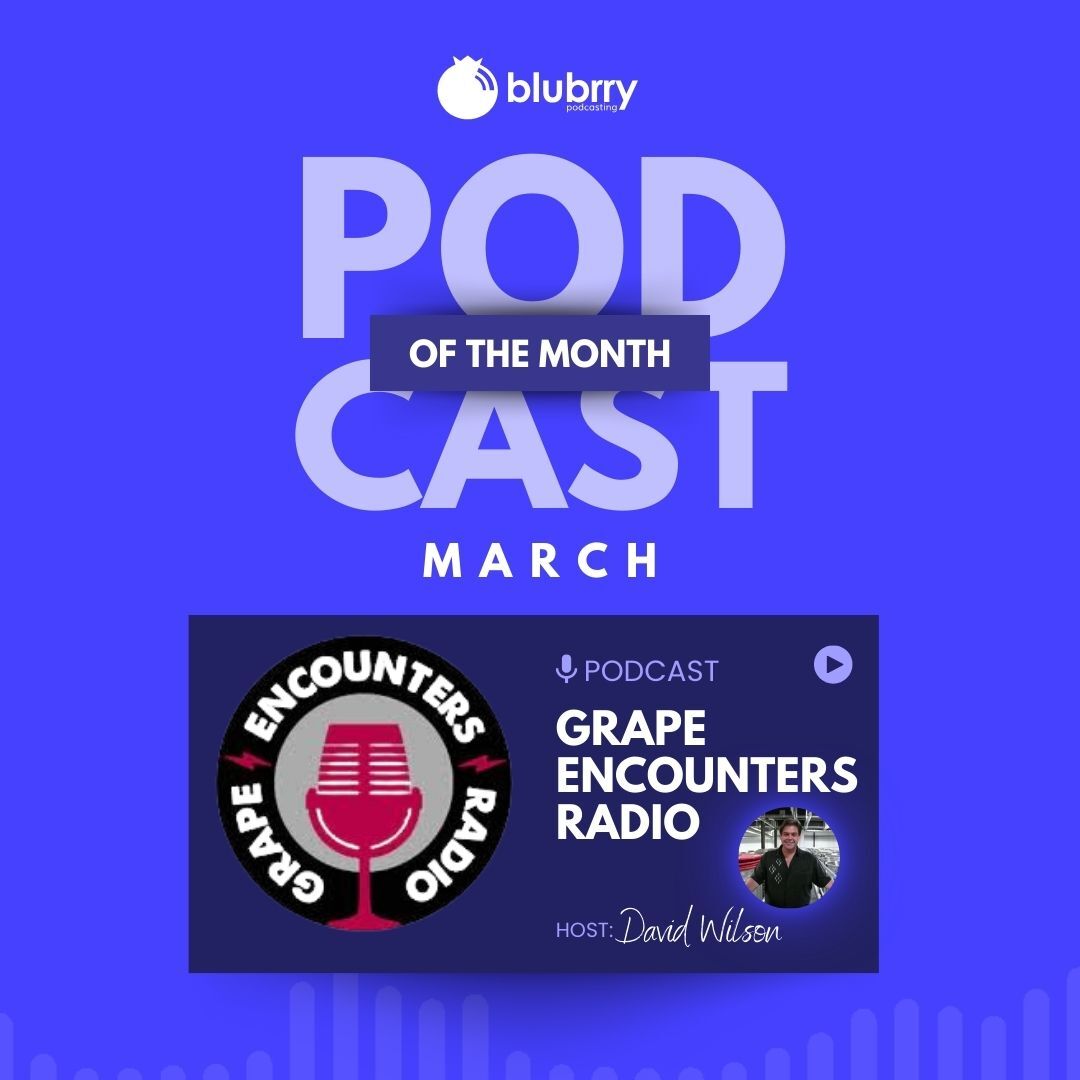
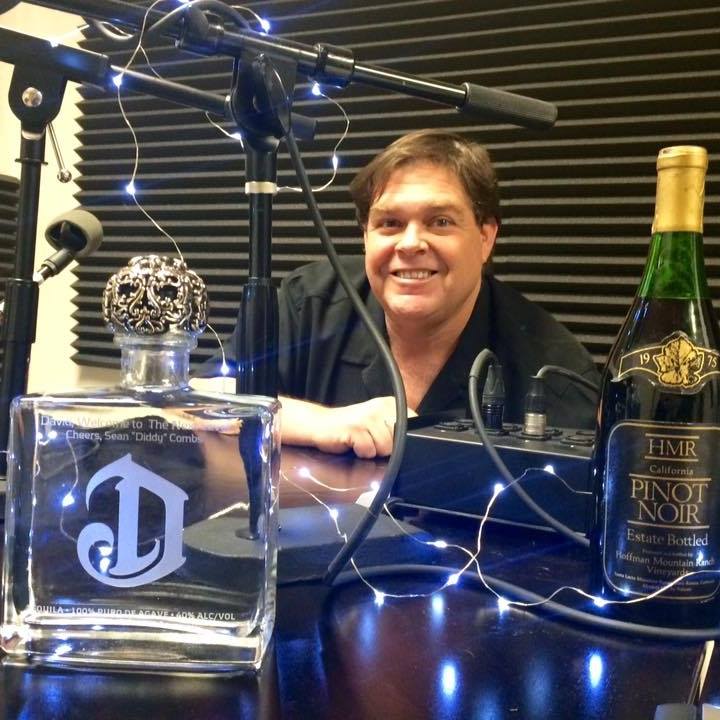
There’s nothing like topping off a meal, sitting in the garden or ending the day with an earthy red, crisp white, or refreshing rosé. No matter the occasion, the world of wines offers endless combinations, palettes of flavors, aromas and textures, each with a unique character and story. Our March Podcaster of the Month, David Wilson, explores and shares those stories as host of the Grape Encounters Radio Podcast. And he does it sans the snootiness of many a sommelier.
Contrary to what hoity-toity critics would like you to believe, wine is meant to be enjoyed by all (at least those of legal age), and Wilson creates a safe space for wine lovers to explore. His extensive audience comprises oenophiles who don’t necessarily care to analyze wine’s harmonious balance of aroma, flavor, body, acidity, tannins or finish (yawn). In other words, these connoisseurs don’t whine about wine.
A marketer and radio personality by trade, Wilson launched Grape Encounters Radio 16 years ago and has traveled the world with an unquenchable thirst for new and exciting vinos and the delectable foods with which they pair. Having moved to Italy from California some two years ago, Wilson retains a deep appreciation for U.S. wines but believes American consumers would be happier if they were enjoying wine the way their European counterparts do – less expensive, greater options, and free-flowing.
As our March Podcaster of the Month, Wilson shares just how he got to the point every dedicated podcaster strives for: His guests are guaranteed and his advertisers are booked indefinitely.
You have a broad set of talents that include public speaking, MCing, advertising and marketing. What about wine piqued your interest and steered you toward that topic for your podcast?
I was a heavy-duty wine enthusiast. I had a wine cellar in my house that could seat about 18 people, so I would have small groups of people come to my house on a pretty regular basis. We would go down to the wine cellar in the evening and remain down there for hours. I was not a wine collector; I wasn’t interested in that. I was interested in wines that were excellent but mostly reasonably priced. I hated, and I mean truly hated, wine snobs, and I would often go into a rant about these people who were going on and on about what they tasted in a wine, knowing in my heart that most of it was total B.S.
The thing is, the wine industry catered to these folks, and they were only maybe 5% of the wine-drinking population. The marketing and wine events catered to these people, and I saw this as an opportunity for some kind of programming that was for everyday people who wanted to know more about wine but were afraid to open their mouths because the vocal 5% would typically make fun of anybody who was a novice.
A guy that I met had a small cluster of radio stations, and he offered me the opportunity to do a show on the weekend. I took him up on it, and within a few months, he called me and told me that he was moving me to a prime slot because my show was the most popular show on the weekends. I would go on the air and rail against wine snobs and offer meaningful information to my audience that did not dumb down wine. I also talked a lot about wine-oriented events and adventures, and even ways to tinker with your wine if you open a bottle and it wasn’t to your liking.
As far as podcasting is concerned, we were posting my shows on a website that we had created specifically for the program, and it wasn’t long before we had a pretty good inventory online for people to hear the show. It was a very organic thing, and though I didn’t really take it all too seriously, we started adding a lot of radio stations.
We went for years without a single advertiser because I just didn’t have enough confidence in myself to ask somebody to pay to listen to me drone on about wine. Eventually, that changed, and the program started paying its own way. And here we are 16 years later. I could never have imagined a run that long.
You moved to Italy two years ago, awesome! What part of Italy and what was the philosophy behind the move?
David Wilson enjoys spending time with community in his new home in Italy.
I interviewed a winemaker on the eastern side of the country who had a very interesting project. They were recreating wines in the way that wines were made 2000 years ago. Not long after that, he sent me some wine, and it was terrific.
Some months after that, things were beginning to open up, and I took a trip to Italy to visit this fellow and also explore the Abruzzo region, which is in the central-eastern part of the country and extends from the middle of the country to the Adriatic Sea. I visited the winemaker in the village of Atri; a very tiny village about seven or eight miles from the Adriatic Sea.
The people there were so lovely, and I kept saying to myself, “David, maybe the time has come for a monster change in your life.” On the third day of my visit, I rented a house. The cost was about U.S. $350 for a really lovely little apartment right in the center of this historic village.
The philosophy behind my move is that I had been doing my show for 14 years in California, and since California produces 90% of the domestically produced wine consumed nationwide, I realized that the focus of my radio program was largely centered on the California industry.
There’s a whole world out there and I was missing most of it and I had come to believe and understand that people in other parts of the world see wine very differently and they don’t pay ridiculous prices for it like we do. American consumers would be so much happier if they were enjoying wine the way their European counterparts do. I still talk about California wines because they are still my favorites by and large. But, now I am located in a place that allows me to visit dozens of wine-producing countries and share that information and lots of cultural and travel insights with my audience.
How has the move benefited the podcast and you personally?
In my village of 11,000 people, they treat me like a celebrity just because I’m on the radio and have the podcast. I would recommend to anybody who wants to live abroad to go for a small community. In small towns ancient culture is thriving and there’s a festival almost every week and shops close down at 1 o’clock and remain closed until four so that people can enjoy the prime hours of the day.
The series from Spain was exciting! How many road trips do you take and what do you look for in studio space when at a remote location?
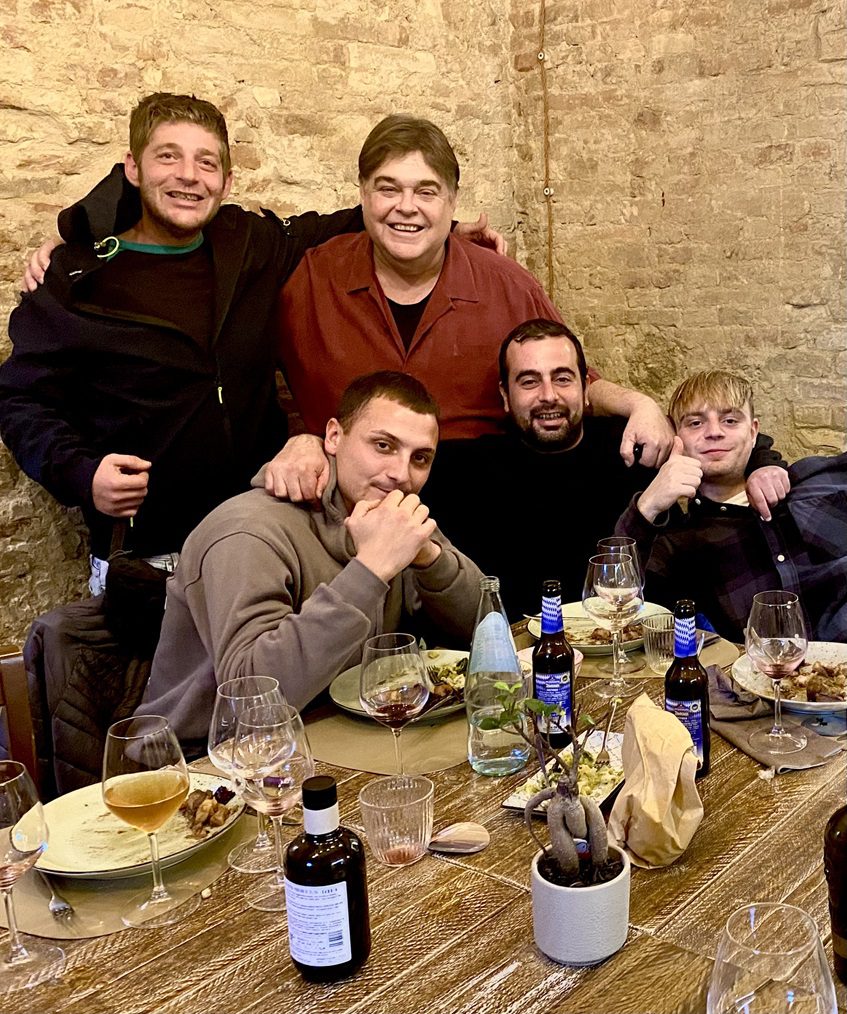
David enjoys spending time with members of his community, here shown with men who work for a wine project he is consulting on.
The first year and a half I pretty much remained in Italy. It takes a long time to get a residency permit here, and until you have that, you can only stay 90 days at a time. Now all that is settled and I’m starting to travel a lot more. I should point out that if I only did stories about wine in Italy, I could do that for the rest of my life and it would never get boring.
Now I’m committed to traveling once or twice a month. When I land in a particular country, I’m going to do several episodes … Usually, I try to do four or more. My next adventures will probably be in Georgia, the country, and possibly Moldova.
As far as traveling on the road is concerned, I’m a big fan of ambient sound so if I’m in a wine cellar or wine cave someplace, I want that echo … But I will tone it down during the editing process and there are some fabulous tools available to play with audio.
Where do you record when you’re not on the road?
When I’m at home I record in a small studio in my house. Having a fancy studio is not necessary any longer. The room where I record has 3-foot thick stone walls because the building is many hundreds of years old. The acoustics are quite good inside a stone fortress! These days, I use software solutions to get great audio.
Your recording equipment is top-tier. Are there any recommendations for our audiences?
I’m not sure if I wanna answer this question, as I would be giving away a fabulous trade secret. OK, I’m going to give your readers the best advice on the planet. Get a decent four- or eight-channel mixer. The one I use is made by Soundcraft. The mixer is connected to my Mac. I would say to anybody who’s anticipating the purchase of a computer for podcasting, it’s Mac or nothing.
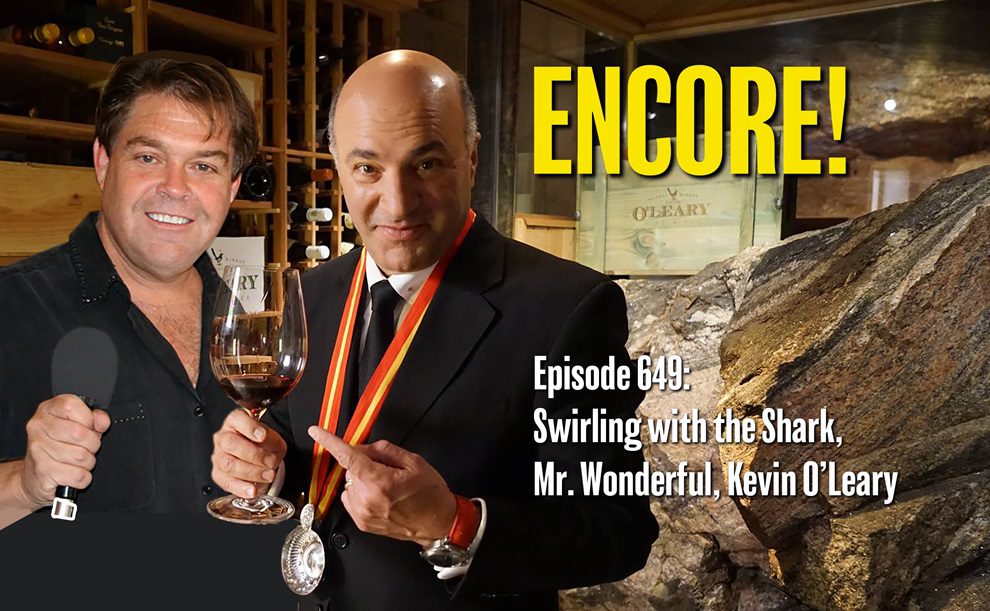
David on the cover of Encore with Kevin O’Leary
For microphones, I use the legendary SM58. This is the classic rock ‘n’ roll microphone that has been used for many decades. The reason I love this mike is because you could pound nails into a board with it. When you’re traveling and things are getting knocked around, the mic is bulletproof.
I now thoughtfully use artificial intelligence. I process all of my audio through a company called Descript. What they can do is simply out of this world. They use artificial intelligence to process audio and give you the most incredible sound. It’s the kind of quality you would get in a major studio. After I process my audio it sounds like I am in the same room with my guest.
I use a piece of software to get my volume levels perfect. I can’t stand listening to a recording that fluctuates too much. I also take out excessive silence. Not too much, but I definitely reduce the big gaps because listeners want you to keep the energy going and sometimes guests pause for a long time while they’re giving their answers to your questions.
All of these things that I do in production are a lot of extra work but I get true broadcast-quality audio. Right now the tools available to podcasters to achieve exceptional sound are just off the charts and that’s my fancy studio.
What fun guests you have! How do you find them . . . or do they often find you?
I have to admit that I really do get exceptional guests. I am very fortunate that I’ve been doing this for a long time, and the best piece of advice that I can give is to shoot for the best. Ask for top-tier people to come on your show. It helps to have a good press kit or something that gets them excited about being on with you.
The main thing is you have to develop relationships, and the most important relationships are with PR companies. Once you get on their list, you’ll start receiving press releases and the good opportunities will start coming into your inbox with any luck.
I have had the biggest names in wine ask their marketing people to contact me so I would say that I don’t really have to seek out guests for my show. But obviously, I look for unusual guests and then just go after them.
What’s coming up?
We’re about to launch a new streamlined version of the program and that will likely use some cutting-edge advertising tools once we get it going. That’s going to happen in the next 30 days. It’s a supplement to the main program but only a couple of minutes long. We call it a microcast.
Blubrry users, you could be featured in the Amazon Music and Podcast Directory! We always recommend that podcasters submit their show to Amazon, but now those with a business show have the opportunity to be featured in their directory! We also have a new category to be featured later this spring.
The process of submitting your podcast to the Amazon directory and being featured is straightforward. Well, for sure you’ve got to be hosting with Blubrry. When you’re logged into we-moved-the-blog-to-this-site-when-we-made-a-new-website.blubrry.com/, head to the Podcaster Dashboard. From there go to the Destinations box and you’ll find Amazon Music and Podcast Index, along with a few other options. Follow a few simple steps and you’ll be on your way.
Handy Tips for Podcasters
Amazon submissions are typically processed within 24 hours
Avoid submitting your show to Amazon Music more than once
Blubrry does not know the status of your show, Amazon will communicate this information to you
The last day to submit your show for consideration is Friday, February 19, 2024.
For additional insights about Destinations and how to maximize its benefits, we invite you to read our article here. Head to Destinations and get started now, it takes only a minute!
Stroll with us through the misty veils of blackened back alleys and beware of bullets and bandits as we explore the guts and ‘gory’ of cinematic shoestring thrillers. Our guide, Christopher Lombardo, is eager to lead us on a tour of the best of the worst in big-screen, low-budget entertainment in the Really Awful Movies podcast.
Our February Podcaster of the Month, Lombardo launched the weekly podcast in 2015. It offers movie buffs killer insights into low-budget horror and action flicks, along with other genres of cinema, such as musicals, monster movies and sci-fi gems – films Lombardo says “get no love or have been relegated to the far reaches of YouTube, Tubi or Netflix.”
Creep with Lombardo down the dimly lit corridors of the oft-abandoned non-blockbusters:
How would you describe your audience? When you’ve received feedback, what are some fan favorites?
For whatever reason, our audience is vastly and disproportionately British and American, and not so much Canadian where I’m based. But then again, podcasting is a truly global medium and people don’t need to be parochial in their listening habits. And it’s not for lack of trying! I routinely talk about low-budget Canadian horror cinema like Pin, Rabid, Rituals and My Bloody Valentine and wax poetic/philosophic about their individual merits.
We have a select group of diehards and engage with them on a regular basis through Insta. I’ve sent out copies of the two nonfiction books I’ve co-authored to SoCal, London, and Calgary. And it’s been crazy getting cult film recommendations (and even physical movies) sent to us from around the world. In one notable instance, a longtime fan in the Pacific Northwest suggested that we cover a terrible movie from the 80s, Longshot, with a plot based around, of all things, foosball!
Have you ever used or explored the inclusion of clips, audio, etc. in your episodes that would fall into fair use as you’re reviewing the content?
I have a busy day job: I’m a business journalist. So even finding time to podcast and edit can be trying. In the rare instance, I have a free afternoon to do more thorough editing, I’ll definitely add a small portion of a film trailer into the podcast intro, especially if it’s something with irredeemably cheesy dialogue.
You have interviewed producers, writers, etc. of the shows in these genres. Have you ever heard back from anyone associated with the films after publishing your review? And/or have you ever partnered with anyone to promote a show?
Christopher Lombardo
For better or for worse, my podcast show name sounds click-baity and I’ll bet it’s disappointed people googling and looking to see a film trashed that I’ve given plaudits. This was not my intention. It was a phrase my mom used when she asked a teenaged me, why I watched those “Really Awful Movies.”
Occasionally, I will have indie filmmakers post my reviews on their social pages, with the inevitable comment from someone who’s not read (or heard) my positive review, saying “What are they talking about, it’s not really awful!” In a way, Really Awful Movies is a good pod and blog handle, as you can weed out people with low attention spans who have not actually engaged with what I’ve said, and just assume it’s an excoriation.
I don’t do nearly as many partnerships as I could/should, and last did one mid-pandemic with Killer B Movies. If I do anymore, I am going to do video casts, with the added benefit now of being able to freely get a haircut in preparation.
As a longtime Blubrry customer, what made you decide on Blubrry? What advances are you looking forward to or hoping for moving ahead?
There were two well-regarded choices, Blubrry and Libsyn. I’ve used both and find the user interface far better for Blubrry. In fact, Libsyn was a real pain in the ass as they were in between regular and I think beta-tested versions. It just wasn’t intuitive and had a dated backend look. For the future, I’d like more design options for the site, and perhaps integration with a standard blog or other URLs.
You’re using programmatic advertising. Awesome! Have you found this an effective way to monetize? Are there others you’re using, have tried or would like to try?
The jury’s out on whether it’ll be effective. It’s simply too new! And besides, my numbers tend to take a dip around Christmas, when people (shocking, I know) have better things to do than listen to movies about ninjas, zombies, masked psychopaths, and South Asian drug cartels. I am a bit reticent about Patreon, as I’ve often held the view that to support the show, listeners should just buy my cinema books instead of donating. But I could lean into that eventually.
What are your next steps as you ascend the stairs of screams or explore the emerging annals of action?
I would like to get to newer horrors, faster. But I have a young child at home, and it’s not nearly as easy to rush out and catch the latest offerings in cinema. Also, the ‘90s represent a bit of unexplored territory for me on the podcast, for both horror and action, but for different reasons. While the ’90s can boast some of the craziest, ridiculous, and entertaining action films of all time, it is my contention that the same cannot be said about the ’90s for horror. It was a bit of a weak decade, Candyman excepted. Thus, I’d like to put that thesis to the test and see if it holds up.
There has been a lot of discussion on 2024 podcast prognostications so let’s look at what we’re hearing and seeing. Here are our positive predictions mingled with other trends we’ve seen across the industry. As for Blubrry, we are poised for exciting developments. With advancements in technology, changing listener habits, and evolving content strategies, podcasters have much to look forward to.
Top 5 predictions from the Blubrry team for ‘24 (also check out this episode of Podcast Insider):
Something somewhat unique about 2024 is it’s an election year in the U.S. So don’t be surprised if existing podcasts focus more on politics and a plethora of new shows on the political landscape are launched.
Artificial intelligence is going to change everything! We should know – we’re working on implementing it to assist our Blubrry hosting customers with everything from coming up with topic ideas to audio editing to writing show notes.
Along those lines, real voices will be more important than ever. Letting your listeners know that your voice and your personality are real versus AI will be more important in 2024. The personal connection to your listeners increases credibility and remains a paramount objective in podcasting.
Video has been growing in popularity – especially in the past year. Several team members look forward to more growth and remind folks to ensure their brand is secure and to be wary of being canceled on platforms that now host video. Learn more about video podcasting here.
We predict that more and more podcast apps/platforms will adopt some of the Podcasting 2.0 features. We’ve added them ourselves and if your hosting plan hasn’t, you’ll want to consider either moving to Blubrry (or a platform that does) or signing up for Podcast Mirror, which provides 2.0 features for only $5 a month for non-Blubrry customers.
As a runner-up, we look forward to continued improvements in accessibility. Closed captioning and transcriptions will be more prevalent than ever. And you can bet we’ll be at the forefront of that, too!
Here are some other emerging trends to look for In 2024:
Increased Monetization Opportunities: The podcasting industry’s revenue is expected to continue its upward trajectory, offering more monetization opportunities for podcasters. With innovative advertising models like dynamic ad insertion and subscription-based content, creators can expect diversified revenue streams.
Growth in Niche Podcasts: As the podcast audience becomes more diverse, there’s an increasing demand for niche content. Topics like mental health, specific hobbies, and localized content are gaining traction, providing new avenues for podcasters to explore.
Advancements in Audio Technology: The quality of audio production will reach new heights thanks to advancements in recording and editing technology. Enhanced sound design and immersive audio experiences will become standard, elevating the listener’s experience.
Expansion of Podcast Networks: There will be a growth in podcast networks, offering resources, advertising, and community support to individual podcasters. This can lead to higher-quality content and more consistent output.
Mobile-First Podcasting: With mobile devices being the primary means of consumption, podcasters will focus on mobile-friendly content. This includes shorter episode formats and interactive elements that are tailored for on-the-go listening.
Interactive Podcasts: Interactive elements like audience polls, Q&A sessions, and real-time feedback will become more common, fostering a deeper connection between podcasters and their listeners. Be sure to check out our Audience Survey!
Global Reach and Localization: Podcasters will have opportunities to reach global audiences, thanks to the proliferation of content across borders. At the same time, there will be a focus on localizing content to cater to specific cultural and linguistic groups.
The year 2024 is shaping up to be an exciting one for podcasters. With enhanced monetization prospects, technological advancements, and a shift towards more inclusive and diverse content, the podcasting industry is set to offer more opportunities than ever before. Embracing these changes will be key to staying ahead and making the most of what podcasting has to offer in the coming year.
The winter holidays are a special time for friends and family. So it’s fitting that our January Podcaster of the Month is a celebrated friend and family member of Blubrry: Dave Clements. A highly valued and forward-thinking member of the Blubrry team for four-plus years, Dave does massively more than assist customers within the support team. He is always thinking about the future of Blubrry and the podcast industry. Most recently, he is the father of Concierge Onboarding, Blubrry’s revolutionary new service that helps those wanting to start a podcast bypass the burdensome technicalities – and jump straight into recording and publishing.
Dave’s collaborative nature within the team is the natural progression of who he is – a podcaster for more than a decade affiliated with myriad ‘geeky’ podcasts along with other like-minded podcasters.
One of Dave’s stand-out collaborations is Playing Games with Strangers, launched in April 2020. The ensemble comprises eight distinct talents, and recently wrapped up its first campaign. Although not really based on anything in particular, the first campaign drew heavily from the Dungeons & Dragons fifth edition, he said.
“For our next campaign, we’ll be using a similar system, but we occasionally have one-shot episodes where we’ll use other tabletop role-playing systems like Monster of the Week or Kids on Bikes, among others,” Dave said.
Playing Games with Strangers is a cast-led show, Dave explains. There’s not truly a host outside of whoever is the game master of the campaign or one-shot. “Playing Games is completely improvised and we use D&D as a structure for various things that we want to do during a session.”
Admittedly, the podcast players are no longer strangers. Cast members dot the U.S, from states such as.:
Indiana – Dave and his sister-in-law, Amanda
Washington (state) – John, primary game master
Illinois – Katherine, who the audience knows as “Squid”
Kansas – Josiah
Louisiana – Celeste
“We also had a couple of other cast members who have moved on to other things at different times during our first campaign. (Hi JS, Steve and Eric!),” Dave said.
Dave Clements
In addition to PGWS, Geek This! is a review show Dave cohosts with one of his best friends, David Hunt, where they primarily review movies and television shows. “The show is laid back and meant to be just two friends enjoying (or not enjoying) pop culture,” he said. Dave is also involved with other shows in some form or another, including Supersonic PodComics, Casual Gamer Society with John from Playing Games with Strangers, and he’s part of the Geek Devotions Network, The Bottom Shelf, Boomstick Video Club, and his daughter’s first podcast, Lorewoven.
Learn more about Dave and his colleagues:
Dave, what drew you to podcasting all those years ago and how did you start? (first part answer here, leading into . . . )
I’ve been podcasting since December 2012, so just over 11 years. That’s when I released the first episode of Geek This! all by my lonesome. Just myself, Audacity, and a cheap $5 stick microphone.
What systems or routines do you have in place to ensure consistency?
We record one session every other week and turn it into two one-hour episodes. Other shows like ours will do episodes that are sometimes up to four hours, which we don’t feel is easily digestible. One thing we’re working on for Campaign Two is to change to an every-other-week release schedule. It gives us more time to edit and achieve the quality we’re striving for.
Among the PGWS ensemble, it seems all of you are connected through another vocation – can you tell us what that vocation is, some of the external gigs everyone has undertaken, and what some favorite roles? We actually met through Supersonic PodComics – none of us are professional voice actors. We all heard about Supersonic through other podcasts that we listened to and decided to audition.
When Supersonic was on a hiatus during the COVID-19 pandemic, JS Earls, who was a writer for the show asked if any of the Supersonic cast was interested in playing D&D and recording it for filler material.
John took up the game master role and Steve, Josiah, Squid, and JS took character roles. It was only supposed to be a handful of episodes, but it was so much fun that the cast grew, with Celeste and Dave being added a few months later. Amanda wasn’t involved with Supersonic, but was actually one of our most dedicated Patrons, so we extended a cast chair at the virtual table when Eric had to leave in order to pursue a small business venture. Now here we are with a show that has released over 130 episodes in the last three-ish years.
How does podcasting support the cast’s other roles in voice acting; and how have their careers in voice acting impacted Playing Games with Strangers? We don’t really have careers in voice acting outside of PGwS or Supersonic, but we’d never turn down the opportunity if one came up! Some of us have done some audiobooks and other roles in podcasts. We did, however, get to play D&D with Katie Leigh, who voiced Sheila The Thief in the 1980’s Dungeons & Dragons cartoon, which was a fun, wild ride that we’ll never forget.
I would love to know some cast members’ ‘why’ when it comes to podcasting! Such as, what is your biggest takeaway from Playing Games with Strangers? What are your greatest hopes? (From Katherine “Squid” Czerwinski)
Katherine “Squid” Czerwinski
For me, podcasting has always been about stories. It’s what drew me to tabletop games initially, and what got me into podcasting. I believe that stories are innately human and that we all seek them out one way or another. It’s easy to get swept away in the fast-paced environment of the world now and not pause to seek out stories; be it through podcasting, reading, or just talking to people you don’t know. This podcast, and others, have provided me with an avenue to really engage with that concept. It has not only given me a way to share and create stories with others so that the audience can hear and connect with them, but it’s let me connect more deeply with the cast members who started out, quite literally, as strangers! My hope in podcasting, no matter how popular we become, is always that we put out a story that someone will be able to hear and then see themselves represented in. I hope that we give voice to stories that not everyone has the freedom or the platform to share, or those who may not yet know what words they need to use to share them. For the few hours that we sit down and make jokes and tell stories and play games and maybe even cry, I hope that we put out a podcast that doesn’t just feel like a ‘product’ (although I hope we have a good and entertaining product too), but something that taps into that shared human experience. I hope it shows whoever listens that there are others out there who like the same things they do, that we experience the same good and bad things as them, and that we’re hoping we can one day listen to the stories they want to share as well.
What Blubrry features has the cast found most helpful as your podcast(s) continue(s) to grow? We’ve utilized the Audience Survey, which has helped us get a better understanding of who is listening. We’re taking that information into consideration with merchandise designs, pricing, and our Patreon tiers so we can make the extras feasible for anyone. We also love the Retention and Episode Comparison information in Listener Statistics. It was part of what prompted us to move to 1-hour episodes versus the 4-hour releases that some other, more popular shows are doing; we want our episodes to be consumable. In the near future, we’ll be taking advantage of the Live Item Tag functionality in PowerPress, as well as Chapters. There’s so much at our disposal as Blubrry PowerPress users that it’s hard to find time to incorporate it all.
When Saranne Rothberg was faced with stage IV cancer and hours of sitting in a chemo chair, she recognized that although her situation was no laughing matter, the old adage was true – laughter is the best medicine. Not one to wallow, on her first day of treatment Saranne held a “Chemo Comedy Party” for herself and others undergoing chemotherapy. Since then she has been a catalyst for comforting cancer patients and their loved ones through her Foundation, ComedyCures.
Giving Tuesday 2023 is Nov. 28, and as we launch into the season of giving, Blubrry is honored to showcase Saranne’s podcast, Beating Cancer Daily, and her mission of supporting cancer patients and their families through treatments and the healing process. It might be hard to believe when you hear the wit and ease of December Podcaster of the Month, but Saranne was hesitant to start a podcast. Now, her transformative strategies, research findings, fun, practical tips and comic insights help listeners around the world navigate their diagnosis and survivorship with humor and resilience.
Saranne Rothberg
“I hear people that don’t even have cancer are listening to Beating Cancer Daily because it’s playful and practical. There are great strategies, some fun research, and a comic perspective,” Saranne says. “I just meet up with you every day to encourage you to have the best life possible, laugh a bit, and help you feel supported.”
Saranne explains that she was misdiagnosed 30 years ago and wasn’t correctly diagnosed for another six years. She then underwent three surgeries, 44 radiation treatments, and more than two years of chemotherapy.
“When nothing worked, I was told to get my affairs in order, which I could not do because I was a single mom and I had sole custody of this beautiful little girl. So I had to figure out this cancer situation,” she said. “So many people from all different sectors had urged me to launch a podcast, whether they were from research or from medical or patients or caregivers, widows, survivors, they all said, ‘Please do it.’”
And so she did – daily. “This cancer experience can be really brutal. And it doesn’t hurt to have somebody right in your ear who has beaten stage IV cancer to help guide you through and sometimes just hold your hand. I wish I had Beating Cancer Daily when I was diagnosed.”
You launched The ComedyCures Foundation from your chemo chair in 1999 to bring levity into the lives of cancer patients and survivors. How has the Foundation grown over the years and how do you measure its impact?
From my first chemo infusion, word spread about our fun interactive ComedyCures approach and programs via patients, caregivers, hospital workers, comedians and the media. Requests for our “Chemo Comedy Parties” came from all over the United States and then globally. From 1999 until today, we’ve been able to bring joy, laughter, comedy and hope to over a million people through our ComedyCures Foundation’s live and digital events. Being asked to collaborate with Harvard, Stanford, The NIH, the US Military, United Nations, the World Health Organization, and more has been such an honor. ComedyCures has worked with nonprofit organizations, corporate partners and institutions at more than 2,000 programs. Findings from three ground-breaking pilot research studies, surveys, referrals, program demand, awards and email testimonials have helped us gauge our impact. Our “Beating Cancer Daily” podcast has quickly spread to listeners in 42 countries in just seven months.
In addition to Beating Cancer Daily and The ComedyCures Foundation, what other activities do you undertake to spread the word about the healing impact of humor?
Collaborations with over 300 comedians and comedy experts and more than 1,000 for-profit and nonprofit organizations have been the key to ComedyCures programs reaching many more people beyond our small nonprofit’s capacity. The ComedyCures LaughingLunch Break PSA Campaign with CBS Radio helped us bring comedy and joy to millions of listeners daily for 13 months with the humor of over 100 ComedyCures comedians. Our five-day ComedyCures Laughter Summit (April 2021) brought together 29 thought leaders in psychoneuroimmunology, joy, positivity and wellness from around the world, plus 24 ComedyCures comedians added to our laughter and learning during this innovative virtual pandemic conference. Teaching in hospitals, medical conventions, universities, schools, community centers, Fortune 500 corporations, the VA, scout troops, health fairs, orphanages, shelters, hospice, walk-a-thons, the United Nations and World Health Organization have helped ComedyCures spread therapeutic laughter.
Can you give a couple examples of inspirational feedback you have received from individuals who listen to Beating Cancer Daily and/or those who the foundation has supported?
One of the most incredible stories just happened recently when we received a phone call from an 86 year-old nun who had cancer. She shared that she was in a convent hospital for ill nuns who were forced to retire because of illnesses, causing their spirits to plummet. They felt our ComedyCures programs would be just the thing the sisters needed to break down isolation and deliver joy, laughter and fun daily coping strategies. We have delivered two successful monthly programs to the nuns with an upcoming holiday program scheduled.
Similarly, the Red Cross asked us to come to Ground Zero to help relief workers and nearby families. Several years later, we were asked to produce the first therapeutic reunion for the families impacted by the tragedies of September 11th and then ComedyCures helped launch the first camp for children impacted by terrorism.
A patient with advanced cancer (who had attended a ComedyCures program) awarded the Foundation a research grant to study ways to improve the lives of advanced cancer patients. Our first pilot, The Mindset and Metastatic Research Study, was called “innovative and exciting” by the American Association for Cancer Research. AACR requested our abstract and we presented our study at the 2023 global conference for 24,000 oncological researchers and others. Because of that scientific success, that same cancer patient’s foundation has supported a second ComedyCures research study for patients with advanced cancer. Those findings will be released in early 2024.
One of our most moving stories is from a critical care nurse involving a dying patient who could barely speak. The nurse played our free ComedyCures LaughLine (1-888-Ha-Ha-Ha-Ha) for her patient every day. One day the patient motioned that she had conceived a joke. The nurse called and recorded the patient’s humor for our LaughLine and relayed this powerful story. We repeated the story and her original joke on our LaughLine and the patient celebrated that she “was now famous” (just days before her passing) as word spread throughout the hospital about her ComedyCures LaughLine feature.
Learning that people who do not even have cancer are listening to “Beating Cancer Daily” to support themselves through their illness, depression, trauma, loss and disabilities has helped our podcast gather listeners in 42 countries. Winning many program awards over two decades and now making the top 2023 list for outstanding cancer podcasts has also spread the word about our ComedyCures power of healing.
It appears that Beating Cancer Daily was launched in March of 2023. Since you have been a strong advocate for humanizing cancer care since 1999, what attracted you to podcasting?
Honestly, I actually resisted doing a podcast for over a decade. I’m a live-event keynote presenter, performer and producer so I couldn’t imagine myself sitting alone in a podcast booth. Now, I am obsessed with podcasting. Launching “Beating Cancer Daily” and watching it help people around the world 24/7 has been the most amazing experience. Every day for 365 days, I take patients through their diagnosis, cancer treatments, and then through survivorship. The podcast not only helps cancer patients, survivors, family members and healthcare workers, but we now know that people who just want to improve their wellness, increase their coping strategies, and laugh a little more each day are listening. As a stage IV cancer survivor, patient advocate and comedy expert, I humanize and humorize the most challenging moments of the cancer experience. Podcasting daily is one of the most intimate creative experiences that I’ve ever had.
With topics ranging from the medical properties of food to nausea to (whether in the process of getting rid of cancer or in remission) not allowing cancer to consume or define you, where do you find the inspiration for each of your daily episodes?
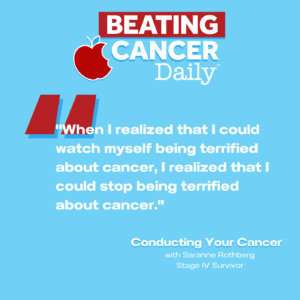
As a stage IV cancer survivor and patient advocate with no visible disease (for over two decades), many of these 365 episodes come from my own cancer fighting and coping strategies which we have taught in our three groundbreaking ComedyCures research studies. I have a unique comic perspective regarding cancer. Some “Beating Cancer Daily” episodes arose from helping over a million people on six continents through our live and virtual ComedyCures Foundation’s programs. Every daily episode is different, and sometimes the episode is just a lot of fun. I call that “tumor humor,” and it’s a comedic look at how you can develop your comic perspective to get through this cancer experience. Many episodes have been inspired by patients, caregivers, comedians, researchers, quotations, questions and advice passed down by doctors, cancer elders and sages. Over 220 “Beating Cancer Daily” episodes have been distributed to date, and I am still going strong toward my 365-day goal.
What is your scheduling process for podcasting? Do you record each day? Several at a time? And how will you approach the daily podcast over the holidays?
My favorite time to record “Beating Cancer Daily” is in the middle of the night when the East Coast is sleeping and interruptions are minimal. I usually record anywhere from one to four episodes at a time. Sometimes, a podcast idea is just so exciting that I stop a meeting and I have to rush into the podcast studio and “give birth” to the episode without any delay. Before a holiday, I have done as many as eight to 10 in one day. My podcast production company suggests that we stay 30 episodes ahead but with my speaking, consulting and travel schedules, maintaining that long lead time as a busy not-for-profit CEO has been tricky. I have recorded many episodes on the road in a carpeted hotel closet. When I feature our fellow ComedyCures survivors, Comedian Missy Hall and Functional Medicine Expert Jacqui Bryan, RN, CNS, WHE, CHC, on “Beating Cancer Daily” episodes, I have to schedule them in advance and at more reasonable hours.
Consider making a tax-deductible program donation this holiday season to help keep Beating Cancer Daily commercial-free. https://www.comedycures.org/
Refer Beating Cancer Daily to a loved one wherever you listen to podcasts.
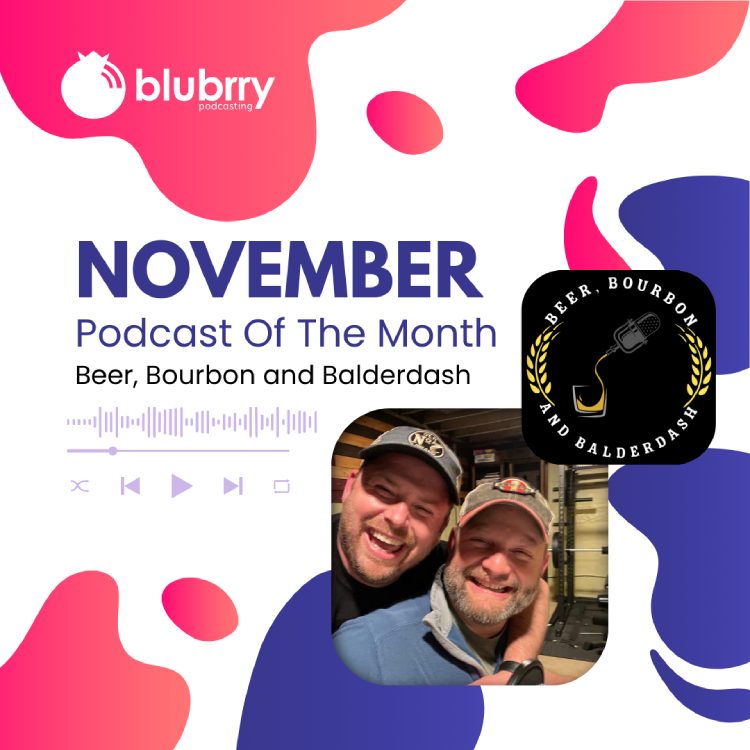
There’s not much that could top two great friends getting together to BS about the state of the world and other timely – or even untimely – topics. Unless, that is, you add craft beer and fine bourbon to that conversation to come up with an audibly intoxicating podcasting recipe. And for the foam on top? Toss in Podcasting 2.0 features for an absolutely tantalizing podcast. Those are the ingredients for Beer, Bourbon and Balderdash, compliments of our November Podcasters of the Month, Wes Olsen and John Harrison.
Although launched in February 2022, the duo’s friendship goes back a decade when they met at their sons’ soccer games. “We immediately made each other laugh and since then our families have become very close; we are family,” Wes said.
The hosts explained that Beer, Bourbon and Balderdash came about, “as many things do, while drinking and having spirited conversations (pun intended)” . . . you know, bar talk.
“We thought it would be fun to start a podcast where we drink and give our takes on all kinds of topics,” Wes said. “Since John and I don’t always agree, we also thought it was important to have people listen to what it sounds like to disagree but remain friends. I also think we agree people generally are more alike than different.”
Outside of the podcasting universe, Wes and John say they’re just a couple of Joes loving their families and enjoying life as much as they can. Wes, who identifies as a conspiracy therapist, enjoys spending time with his wife vacationing and street photography (check him out at @wesolsenphotography on Instagram).
John, who describes himself as Fun Boy, is into building and fixing things, and getting tons of satisfaction out of helping people. “I was fortunate enough to grow up in a house with a father who seemed to know how to fix almost anything and passed that skill on to me,” he said. “I love working side by side with my wife, and the two of us have taken on everything from kitchen remodels to decks and patios, to building our own off-grid cabin in central Washington.”
How do you choose which alcohols you feature on your shows? Do people contact you and ask you give theirs a try? Have you ever had to call any out for being really horrid?
We choose by what’s available and what sounds interesting to try. We haven’t had anyone reach out to us to review their products but we have received a bottle of whiskey from a No Agenda producer, that thankfully ended up being really good. We also have had some stinkers on the podcast and we try to find something good about them, but because we have no corporate sponsorships (Value4Value!) we can be honest!
Since beer can be very seasonal, we will often select ones that fit the time, like Oktoberfest. Or sometimes it fits the theme because of a clever name.
In addition to beer and bourbon, you touch on topics such as mental health, conspiracy theories, extraterrestrials and some of the most outrageous and ill-conceived ideas known to humanity. How do you balance the juxtaposition of fun, flavorful discussion with more intense conversations?
Since we see ourselves as a “Bar Talk” podcast we want to be mostly entertaining and light. We touch on topics that we find thought provoking and maybe our audience will too. In the end we want to make something we enjoy and maybe can bring a smile for an hour a week to someone else.
You livestream your show and audiences can chat with you throughout. What are advantages and disadvantages to live-streaming?
Advantages of live-streaming is getting immediate feedback and engagement from our listeners. Meeting new people and hanging out with old friends is what’s at a bar and the more we can create that type of show the better it will be.
The disadvantages would be the technical issues that can arise that your audience has to listen to, which can be long and tedious.
You guys have adopted Podcasting 2.0 – well done – while a lot of hosts are still trying to figure out what it’s all about. Can you tell us more about how you are using Podcasting 2.0, which features you are consistently using and how they benefit you? Do you have a wish list for what you would like to see in Podcasting 2.0 or in podcasting in general?
It is amazing to me how many “mainstream” and “popular” podcasts have not jumped on to Podcasting 2.0. There are so many cool benefits that they could use that would allow them to have a bigger impact on their audience. I wouldn’t say we are very popular, but we have a good base and we want to give them value by adding chapters and some artwork while they listen. As we continue to grow and go live more often, the “live tags” in Podcasting 2.0 apps become even more essential. If live chat could be integrated into that it would propel this even further.
What is your preparation routine as you’re planning your next episode(s)? Do you have – and how do you approach – a recording schedule?
Wes: We usually send texts throughout the week about topics and then I create some talking points to help keep us engaged and on track. John created a tracking sheet to record what beers and bourbons we have had and will use on the podcast so that helps a lot. Right now we go live and record on Wednesdays at 4pm PST because with us being bi-costal that seems to work best. John: I think we are still getting it figured out. We are constantly trying to figure out ways to better engage the audience and make the show better. For example we have typically decided what to drink week to week, but recording remotely requires us to plan much further out, forcing us to get better.
Anything coming up you’d like our Blubrry audience to know about with Beer, Bourbon and Balderdash?
Wes: We would like to invite the Blubrry audience to check out the podcast and reach out to us with comments and suggestions. We like constructive criticism and we even take calls on the podcast so the audience can participate. So just like going to a bar, come hang out with us and let’s make new friendships! Cheers! John: I second that. We try to be as honest and authentic as possible. We have been told by friends who listen that the podcast has the same feel as when we are just sitting around as friends chatting. We like interactions and don’t take criticism personally. If you love it, tell us. If you hate, tell us. We don’t want our show to be homogenous, average, and boring. And much like bourbon, we know we are not for everyone.
Get to know and follow Beer, Bourbon and Balderdash here:


 You asked us for more details in the trend chart, and we have re-designed it to give you more clarity, allowing you to see how your show has progressed over time

 Although Gen Z are avid listeners of podcasts, they’re influencing something that would at the outset, seem counterintuitive to podcasting: they’re watching them.


 Pro hosting transcends the standards of regular podcast platforms by offering an integrated podcast network. This plan encourages networking among fellow podcasters, whether traditional or
 I was a heavy-duty wine enthusiast. I had a wine cellar in my house that could seat about 18 people, so I would have small groups of people come to my house on a pretty regular basis. We would go down to the wine cellar in the evening and remain down there for hours. I was not a wine collector; I wasn’t interested in that. I was interested in wines that were excellent but mostly reasonably priced. I hated, and I mean truly hated, wine snobs, and I would often go into a rant about these people who were going on and on about what they tasted in a wine, knowing in my heart that most of it was total B.S.

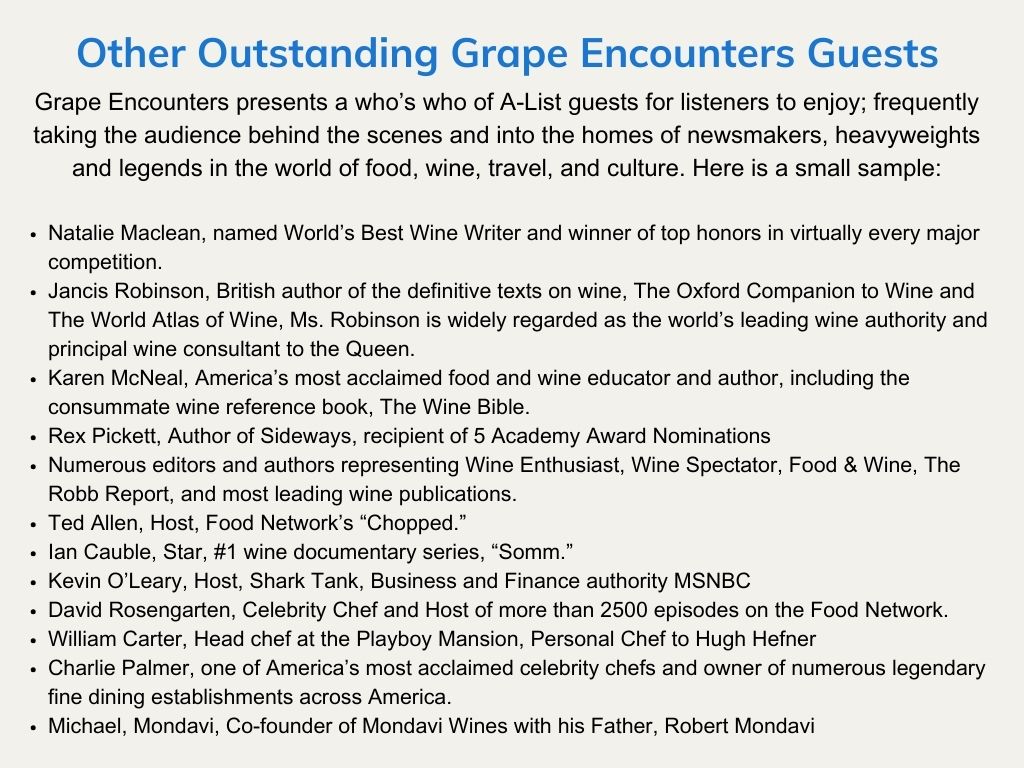
 Blubrry users, you could be featured in the Amazon Music and Podcast Directory! We always recommend that podcasters submit their show to Amazon, but now those with a business show have the opportunity to be featured in their directory! We also have a new category to be featured later this spring.
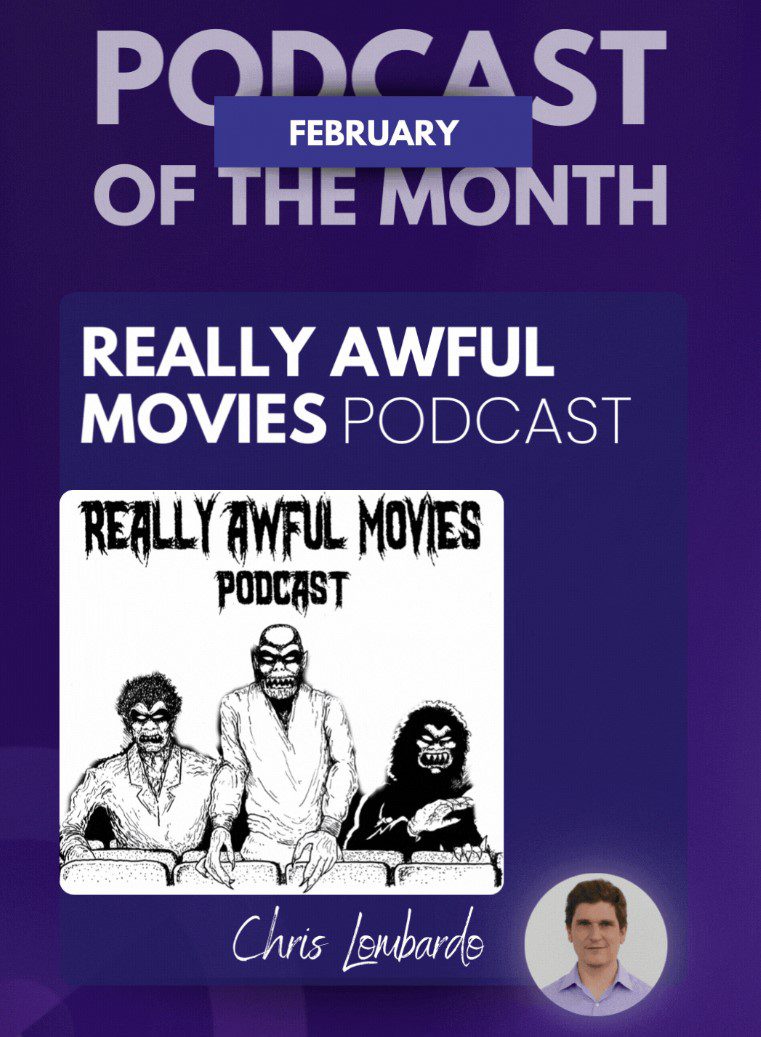
 Stroll with us through the misty veils of blackened back alleys and beware of bullets and bandits as we explore the guts and ‘gory’ of cinematic shoestring thrillers. Our guide,


 There has been a lot of discussion on 2024 podcast prognostications




 One of the most incredible stories just happened recently when we received a phone call from an 86 year-old nun who had cancer. She shared that she was in a convent hospital for ill nuns who were forced to retire because of illnesses, causing their spirits to plummet. They felt our ComedyCures programs would be just the thing the sisters needed to break down isolation and deliver joy, laughter and fun daily coping strategies. We have delivered two successful monthly programs to the nuns with an upcoming holiday program scheduled.
 One of our most moving stories is from a critical care nurse involving a dying patient who could barely speak. The nurse played our free ComedyCures LaughLine (1-888-Ha-Ha-Ha-Ha) for her patient every day. One day the patient motioned that she had conceived a joke. The nurse called and recorded the patient’s humor for our LaughLine and relayed this powerful story. We repeated the story and her original joke on our LaughLine and the patient celebrated that she “was now famous” (just days before her passing) as word spread throughout the hospital about her ComedyCures LaughLine feature.
 Honestly, I actually resisted doing a podcast for over a decade. I’m a live-event keynote presenter, performer and producer so I couldn’t imagine myself sitting alone in a podcast booth. Now, I am obsessed with podcasting. Launching “Beating Cancer Daily” and watching it help people around the world 24/7 has been the most amazing experience. Every day for 365 days, I take patients through their diagnosis, cancer treatments, and then through survivorship. The podcast not only helps cancer patients, survivors, family members and healthcare workers, but we now know that people who just want to improve their wellness, increase their coping strategies, and laugh a little more each day are listening. As a stage IV cancer survivor, patient advocate and comedy expert, I humanize and humorize the most challenging moments of the cancer experience. Podcasting daily is one of the most intimate creative experiences that I’ve ever had.
 As a stage IV cancer survivor and patient advocate with no visible disease (for over two decades), many of these 365 episodes come from my own cancer fighting and coping strategies which we have taught in our three groundbreaking ComedyCures research studies. I have a unique comic perspective regarding cancer. Some “Beating Cancer Daily” episodes arose from helping over a million people on six continents through our live and virtual ComedyCures Foundation’s programs. Every daily episode is different, and sometimes the episode is just a lot of fun. I call that “tumor humor,” and it’s a comedic look at how you can develop your comic perspective to get through this cancer experience. Many episodes have been inspired by patients, caregivers, comedians, researchers, quotations, questions and advice passed down by doctors, cancer elders and sages. Over 220 “Beating Cancer Daily” episodes have been distributed to date, and I am still going strong toward my 365-day goal.
 Since we see ourselves as a “Bar Talk” podcast we want to be mostly entertaining and light. We touch on topics that we find thought provoking and maybe our audience will too. In the end we want to make something we enjoy and maybe can bring a smile for an hour a week to someone else.