
 Let’s be honest.
Most podcasts don’t stall because the host ran out of ideas.
They stall because things got messy.
Old titles that don’t mean anything.
Descriptions written years ago.
Broken links.
CTAs that point nowhere.
We’ve seen this over and over.
Creators jump straight to “I need more content.”
No. You don’t.
You need to fix what’s already sitting there.
The 80% You’re Ignoring
Here’s something most podcasters underestimate.
Your back catalog is doing more work than your latest episode.
According to Edison Research, a significant portion of podcast listening comes from older episodes, as listeners tend to binge shows once they discover them. You can see this behavior in reports like the Infinite Dial, where ongoing consumption`—not just new releases—drives total listening time.
And it’s not just casual listening.
Research from Nielsen shows that podcast listeners are highly engaged, often consuming content in longer sessions compared to other digital formats.
So think about that.
Someone finds your show today…
they don’t just listen once.
They go deeper.
And what they find either builds momentum—or kills it.
Titles That Kill Discovery
Let’s not overcomplicate this.
People click what they understand.
Platforms like Spotify and Apple Podcasts rely heavily on your titles and metadata to determine what gets surfaced.
There’s also a search layer most people forget.
Google is indexing podcasts more aggressively now, meaning your episode titles can show up directly in search results.
And yes — clarity matters.
Research around discoverability shows that strong titles and keywords directly influence visibility.
If your title doesn’t say what it delivers, it doesn’t get clicked.
Simple as that.
Your Description Is Doing Nothing
Look, most podcast descriptions are filler.
But behind the scenes, they matter more than people think.
Search engines and platforms use descriptions to understand your content and decide where to place it. That includes platforms like Google, where podcasts now appear in search results, carousels, and voice search.
And here’s the kicker.
If your description doesn’t clearly explain the value of your show, even interested listeners won’t convert.
Because confusion kills momentum.
Dead Links, Dead Opportunities

Here’s where it starts costing you.
Broken links.
Outdated landing pages.
Expired offers.
Old signup forms.
And most creators don’t even check.
Meanwhile, listener behavior tells a very different story.
More than half of podcast listeners have taken action after hearing a call-to-action.
And according to HubSpot, reducing friction in the user journey is one of the biggest drivers of conversion performance.
So if your links are broken, you’re not just losing clicks.
You’re losing conversions that were already halfway there.
The CTA Problem Nobody Talks About
Most podcasters either say nothing…
Or they say everything.
Neither works.
Listeners don’t respond to noise. They respond to direction.
There’s a reason conversion research consistently shows that fewer choices lead to higher action rates.
This is often called decision fatigue.
Too many options = no action.
So instead of stacking CTAs, simplify:
One episode. One action.
That’s how you move people forward.
Your Back Catalog Is a Growth Engine
Here’s what makes podcasting different.
Listeners don’t just scroll.
They commit.
They binge.
Data shows that once a listener connects with a show, they’re likely to consume multiple episodes in one sitting.
And this behavior is part of why podcast advertising performs so well compared to other channels — higher attention leads to higher recall and action.
Your older episodes are not passive content.
They’re active entry points into your ecosystem.
You Don’t Need More Content (Right Now)
This is where most creators go wrong.
They think growth = more output.
But if your system is messy, more content just creates more friction.
Fix what already exists:
- Top episodes
- Descriptions
- Links
- CTAs
That’s where the leverage is.
The Real Shift
Spring cleaning your podcast isn’t about aesthetics.
It’s about performance.
You’re removing friction.
You’re tightening the experience.
You’re making it easier for someone to:
- Find you
- Understand you
- Trust you
- Act
Content gets attention.
Clarity is what turns that attention into growth.



 Historically, traditional media has controlled the stories that find their way into the mainstream. This often meant that Black stories, as well as those from other minority communities, went untold. Podcasting helped change that and continues to empower Black voices.

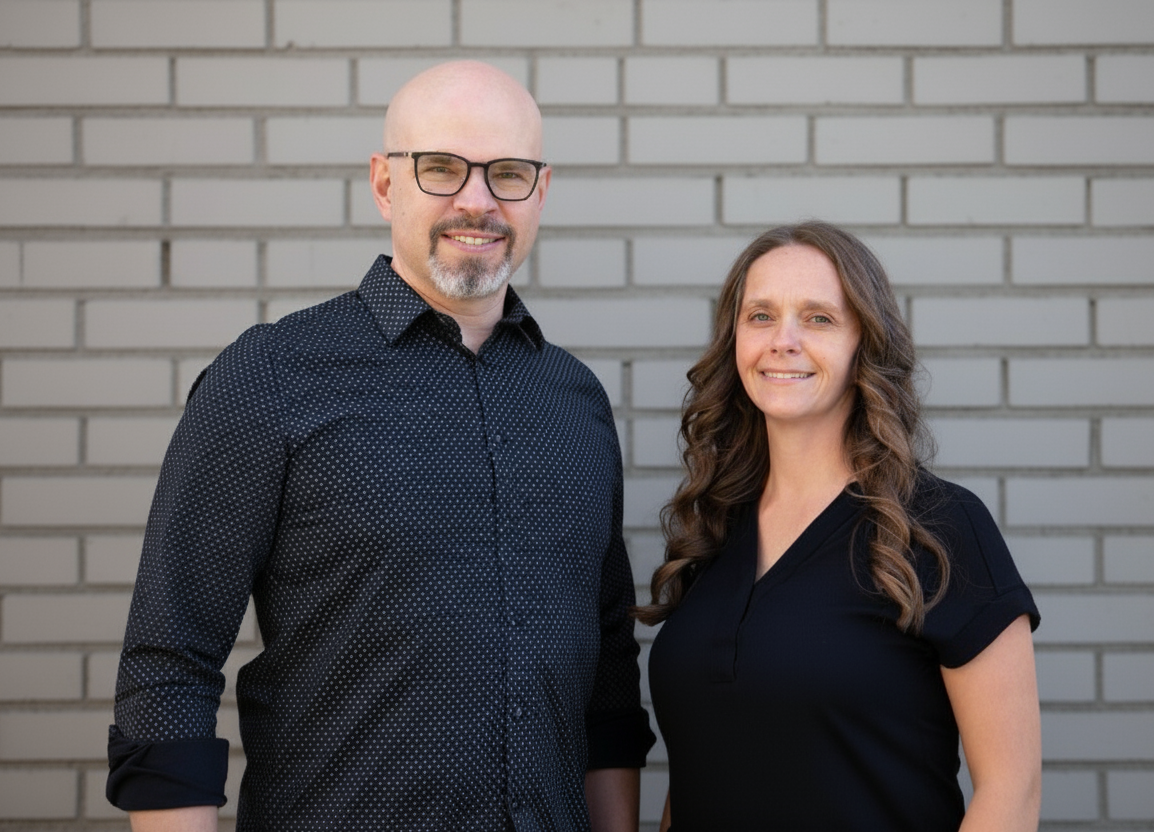
 Diego and Brad are more than podcasters — they’re guides for anyone trying to make their mark in the entertainment world. Their own journey from high school friends to working actors in LA provides the foundation for a



 To understand
 Ruth consistently releases a new episode of

 Podcasting serves as a multi-age educational tool, effective for K-12, undergraduate, graduate, and adult learners .
 Professional-grade
 Podcasting with Blubrry offers a transformative opportunity for college students and educators to amplify voices, extend learning beyond the classroom, and cultivate essential digital and communication skills. With a generous 50% off hosting for a year, and feature‑rich infrastructure tailored to educational use, Blubrry makes podcasting accessible, reliable, and pedagogically powerful. Whether you’re teaching or learning, it’s an ideal medium to enrich curriculum, deepen engagement, and prepare for a multimedia-first future.