Tag: podcast of the month

  • Stop Waiting, Start Living: ‘How to Lose the ‘Wait’’ with Holly Toscanini

    Stop Waiting, Start Living: ‘How to Lose the ‘Wait’’ with Holly Toscanini

    When Holly Toscanini launched How to Lose the ‘Wait’, she wasn’t trying to start a movement — she was trying to start a conversation.

    After years of working with women who felt stuck in cycles of perfectionism, self-doubt, and people-pleasing, Holly saw a pattern: so many were waiting. Waiting to feel “ready.” Waiting until they looked a certain way, or had it all figured out, before allowing themselves to live fully.

    Her podcast was born from a simple but powerful realization: What if the life you’re waiting for has been here all along?

    The Mission: Reinvention Through Real Talk

    Holly Toscanini
    Holly Toscanini

    How to Lose the ‘Wait’ is equal parts pep talk, therapy session, and heart-to-heart over coffee. Geared toward women over 40 who are ready to stop postponing their joy, the show helps listeners step out of the “waiting room” of life — and into a season of confidence, freedom, and reinvention.

    Each episode, Holly unpacks the real, unfiltered truths behind growth and self-discovery. From setting boundaries without guilt to rebuilding confidence in midlife, her storytelling is candid, funny, and deeply human.

    A bestselling author, empowerment coach, and creator of The Reinvention Code™, Holly brings her signature mix of warmth and wit to every conversation. Her approach is refreshingly down-to-earth — no toxic positivity, no hustle-culture clichés. Just honest, soulful talk about what it means to become who you were always meant to be.

    Because Confidence Isn’t Something You Earn — It’s Something You Remember

    Listeners often describe How to Lose the ‘Wait’ as a breath of fresh air in a world obsessed with doing more and being “better.”

    Holly’s episodes are filled with aha moments, laughter, and reminders that confidence doesn’t come from achieving perfection — it comes from reconnecting with the wisdom you’ve always had.

    Whether she’s exploring the art of saying “no,” navigating reinvention after 40, or celebrating the power of intuition, her message is clear: you don’t have to wait for permission to live a life that feels like yours.

    About the Host: Holly Toscanini

    Holly Toscanini is more than a podcaster — she’s a guide for women ready to rewrite their stories. As a bestselling author and coach, she has helped countless women trade self-doubt for self-trust through her Reinvention Code™ framework.

    Her humor, vulnerability, and storytelling create a space where listeners feel seen, understood, and inspired to take the next step — no matter how small. Holly’s superpower lies in making complex emotional work feel doable, even joyful.

    Her own journey of transformation fuels her mission: to help women stop waiting for “someday” and start embracing today.

    Blubrry’s October Spotlight

    Blubrry Podcasting is proud to name How to Lose the ‘Wait’ with Holly Toscanini as October 2025’s Podcaster of the Month.

    In every episode, Holly reminds us that life doesn’t start when things are perfect — it starts when you decide you’re ready. Her blend of humor, heart, and honesty makes her podcast not just a listen, but an experience.

    For anyone standing on the edge of reinvention, wondering if it’s too late — Holly’s answer is simple: It’s not too late. It’s right on time.

    Listen to How to Lose the ‘Wait’ wherever you get your podcasts and start living the life you’ve been waiting for.
  • An Exploration of ‘Being’ with ‘Hey Human’

    An Exploration of ‘Being’ with ‘Hey Human’

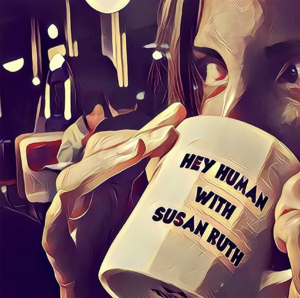
    When Susan Ruth launched Hey Human in July 2016, she wasn’t setting out to become a podcasting powerhouse. She was trying to make sense of the world. A series of shootings across the United States had left her shaken, frustrated, and searching for a way to bridge divides. What began as a project born from heartbreak has since blossomed into an award-winning, internationally recognized podcast with more than 460 episodes and 350,000 listeners worldwide.

    “I was concerned about all the ‘other-ing’ taking place among my fellow humans,” Ruth recalls. “I decided I would start talking with people and, better yet, start listening more deeply with them.”

    That philosophy—listening more deeply—is at the very heart of Hey Human. Described best as a human-interest podcast, it has welcomed an astonishingly diverse range of guests: scientists, musicians, activists, actors, gang members, cult survivors, chefs, veterans, and even a former heavyweight champion. From household names to everyday people, each episode explores the vast and fascinating spectrum of human experience.

    “Because every human has a story,” Ruth says simply.

    The Mission: Connection, Growth, and Understanding

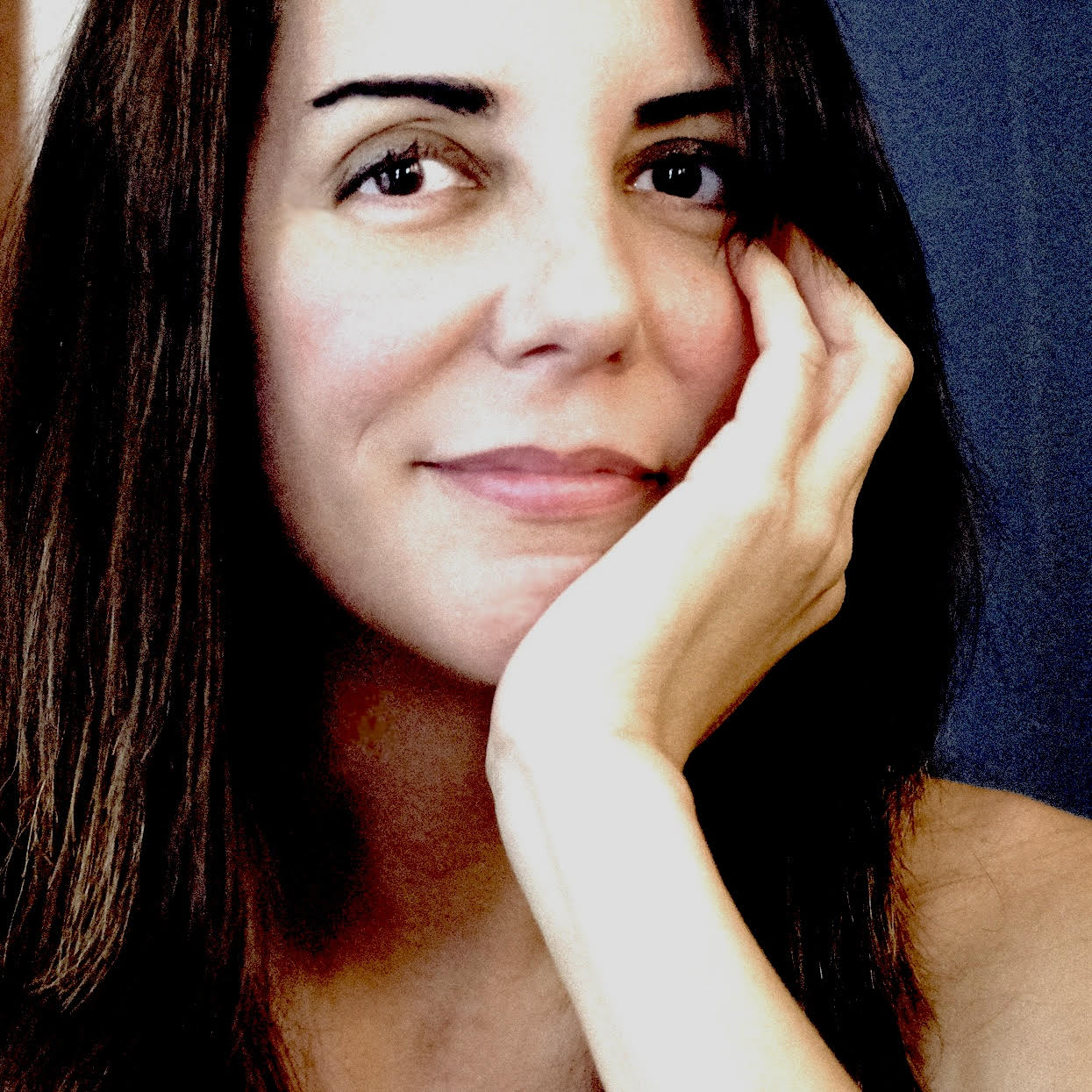
    Susan Ruth is an accomplished singer-songwriter, painter, and filmmaker.

    The mission of Hey Human is clear: to create space for empathy, understanding, and connection. Episodes unfold not as stiff interviews, but as organic conversations that allow guests to be seen in all their complexity.

    Ruth explains: “My hope was, and is, when people hear an episode, even if it’s with someone they don’t agree with or feel a sameness-kinship with, there is space for them to hear some part of themselves in the voice and story of my guest. The moment that happens, growth happens. Understanding happens. Communion happens. And, in some cases, healing happens.”

    It’s this commitment to curiosity and compassion that sets the show apart. Hey Human doesn’t shy away from tough topics or controversial perspectives. Instead, it invites listeners to lean in, to listen without judgment, and to find the threads of humanity that tie us all together.

    Notable Voices and Stories

    Over the years, Ruth has sat across from a stunning lineup of guests. Neuroscientist Dr. Moran Cerf, trans-activist Kate Bornstein, music legends Jewel and A.J. Croce, original Beatle Pete Best, and activist-physician Dr. Patch Adams are just a few of the well-known names who have shared their stories. But the show is just as likely to feature someone you’ve never heard of before — a prison reform activist, a first responder, or a survivor whose story hasn’t yet been told.

    These episodes embody Ruth’s belief that wisdom, resilience, and beauty can be found in every corner of life. “Hey Human began as a project to find hope and connection,” she says. “It has since grown to include people and ideas changing the world through creativity, research, tenacity, and understanding.”

    About the Host: Susan Ruth

    To understand Hey Human, you have to understand its host. Susan Ruth is an accomplished singer-songwriter, painter, and filmmaker with a career spanning multiple disciplines. Born in Seattle, she made her mark as a recording artist before moving to Nashville to write songs for artists such as Reba McEntire and Lonestar. Her music has appeared in film and television, and she has released four studio albums.

    Ruth is also an abstract painter — continuing the legacy of her great-grand uncle, noted American Symbolist painter Carl Gutherz — and an award-winning filmmaker, with her short film The First garnering accolades. Today, she resides in Los Angeles, California, where she continues to balance her creative pursuits with her work as a podcaster.

    Her artistic sensibility infuses every episode of Hey Human. She approaches her guests with the same curiosity and openness that fuels her art, creating a space where stories unfold naturally and meaningfully.

    An Ongoing Conversation

    Ruth consistently releases a new episode of Hey Human across all major platforms, including Spotify, Apple Podcasts, and iHeart. Ad-free and completely independent, the show’s steady growth speaks to its resonance with listeners hungry for authentic, thoughtful dialogue.
    The show has received recognition along the way, including the 2018 Valerie J. Hoffman Award, but for Ruth, the true reward is simpler. “When people hear themselves reflected in someone they thought they had nothing in common with—that’s the real success,” she says.

    Blubrry’s September Spotlight

    Blubrry Podcasting is proud to name Hey Human with Susan Ruth as September 2025’s Podcast of the Month. In a world where it can feel easier to divide than to unite, Ruth’s work reminds us of the extraordinary power of listening

    For those seeking a podcast that challenges, enlightens, and heals, Hey Human is essential listening.

  • Enter the Mysterious Universe of ‘Makeshift Stories’

    Enter the Mysterious Universe of ‘Makeshift Stories’

    Step into a world where the lines between science fiction, fantasy, and surreal mystery blur — a world crafted on the fly, powered by curiosity, and designed to ignite your imagination. This August, Blubrry Podcasting is proud to spotlight Makeshift Stories as our Podcast of the Month.

    At first glance, the name Makeshift Stories might sound humble, but don’t let that fool you. Since 2008, host Vern Hume (also known by his pen name Alan V Hare) has been crafting speculative sci-fi tales that are raw, spontaneous, and filled with wonder. Think of them as concept sketches in audio form — unpolished by design, allowing listeners to fill in the blanks with their imagination.

    “The podcast’s name intentionally infers these stories are not polished works of writing,” Vern explains. “Instead, they are ideas, often quite spur of the moment, put out to our listeners to consider in their raw state.”

    Vern, left, worked with narrator Mitchell Tew, right.

    What started as an experimental storytelling podcast for younger audiences has evolved into something much broader and more compelling. Early episodes were serialized adventures shaped partly by listener feedback. But after a turning point in Episode 22, “The Boy Who Loved Candy” — a story Vern first improvised as a bedtime tale for his son — the podcast took on a new life. Vern pivoted to an anthology format, where each story stands alone, yet sometimes revisits familiar worlds or characters. The result? A collection of stories that defy genre rules, weaving together science fiction, fantasy, surrealism, and speculative mystery into one hypnotic feed.

    “Over time, Makeshift Stories has grown into a show that blends science fiction, fantasy, speculative mystery, and surrealism,” Vern said. “It has never confined itself to a single genre, which is part of what keeps it vibrant.”

    A flattering comparison!

    Vern’s son David (seated) works with Mitchell Tew on scaling. Mitchell narrated ‘Makeshift Stories’ from around episode 80 to 260.

    As one listener notes, Makeshift Stories is “A slightly gentler but equally insightful Twilight Zone.”

    Vern took that comparison to heart. Like the classic Twilight Zone, Makeshift Stories explores the strange, the unknown, and the what-ifs in a way that’s accessible to all ages. No harsh language, no shock-value horror — just scintillatingly spun tales that open the door to imagination.

    “I was flattered by the listener’s comparison of the podcast to the Twilight Zone,” Vern notes. “Their comment finally helped me identify the themes that run through the stories: mystery, wonderment, and the unexplained.”

    The themes work!

    Among its accolades, Makeshift Stories has been nominated for the Podcast Awards (2022) and the Canadian Podcast Awards.

    Another fan favorite in the podcast is the Somewhere Sometime series, one-off tales that live outside of any defined timeline or universe. Bedtime stories for grown-ups and children alike, transporting listeners to other realities while still leaving you wondering, “What if this could really happen?”

    Makeshift Stories might be a rare gem in the podcasting world — a show that’s stayed true to its creative core while quietly building a dedicated following for over 15 years. Vern Hume’s commitment to curiosity-driven storytelling, coupled with his willingness to let ideas evolve in real-time, embodies what podcasting is all about: connection, creativity, and a sense of wonder.

    If you’ve never listened to Makeshift Stories, now is the perfect time to dive in. You just might find yourself looking at the world a little differently after each episode.

    Listen at MakeshiftStories.com and join the adventure.

  • A Toast to Good Friends and Spirited Conversations

    A Toast to Good Friends and Spirited Conversations

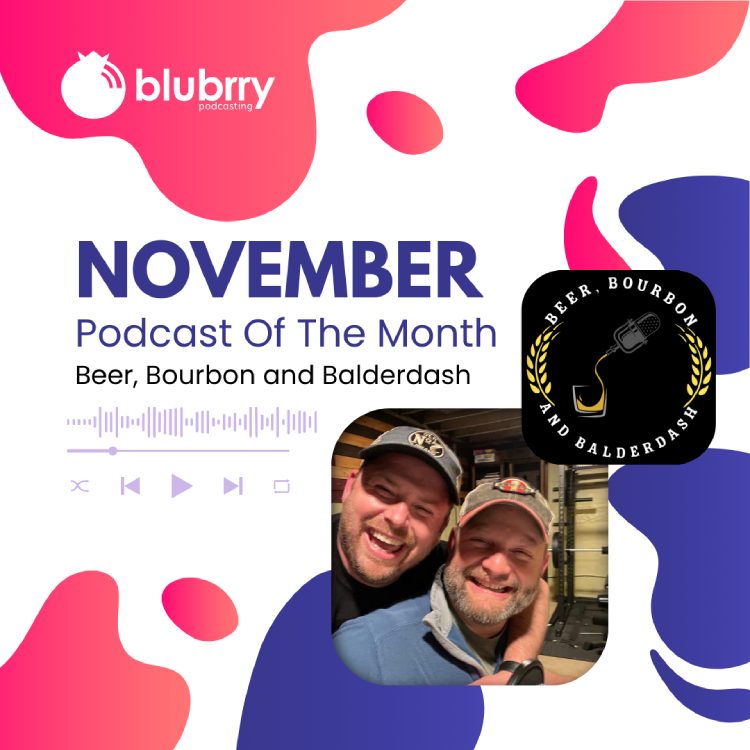
    Beer, Bourbon and BalderdashThere’s not much that could top two great friends getting together to BS about the state of the world and other timely – or even untimely – topics. Unless, that is, you add craft beer and fine bourbon to that conversation to come up with an audibly intoxicating podcasting recipe. And for the foam on top? Toss in Podcasting 2.0 features for an absolutely tantalizing podcast. Those are the ingredients for Beer, Bourbon and Balderdash, compliments of our November Podcasters of the Month, Wes Olsen and John Harrison.

    Although launched in February 2022, the duo’s friendship goes back a decade when they met at their sons’ soccer games. “We immediately made each other laugh and since then our families have become very close; we are family,” Wes said.

    The hosts explained that Beer, Bourbon and Balderdash came about, “as many things do, while drinking and having spirited conversations (pun intended)” . . . you know, bar talk. 

    “We thought it would be fun to start a podcast where we drink and give our takes on all kinds of topics,” Wes said. “Since John and I don’t always agree, we also thought it was important to have people listen to what it sounds like to disagree but remain friends. I also think we agree people generally are more alike than different.”

    Outside of the podcasting universe, Wes and John say they’re just a couple of Joes loving their families and enjoying life as much as they can. Wes, who identifies as a conspiracy therapist, enjoys spending time with his wife vacationing and street photography (check him out at @wesolsenphotography on Instagram).

    John, who describes himself as Fun Boy, is into building and fixing things, and getting tons of satisfaction out of helping people. “I was fortunate enough to grow up in a house with a father who seemed to know how to fix almost anything and passed that skill on to me,” he said. “I love working side by side with my wife, and the two of us have taken on everything from kitchen remodels to decks and patios, to building our own off-grid cabin in central Washington.”

    • How do you choose which alcohols you feature on your shows? Do people contact you and ask you give theirs a try? Have you ever had to call any out for being really horrid?

    We choose by what’s available and what sounds interesting to try. We haven’t had anyone reach out to us to review their products but we have received a bottle of whiskey from a No Agenda producer, that thankfully ended up being really good. We also have had some stinkers on the podcast and we try to find something good about them, but because we have no corporate sponsorships (Value4Value!) we can be honest!

    Since beer can be very seasonal, we will often select ones that fit the time, like Oktoberfest. Or sometimes it fits the theme because of a clever name.

    • In addition to beer and bourbon, you touch on topics such as mental health, conspiracy theories, extraterrestrials and some of the most outrageous and ill-conceived ideas known to humanity. How do you balance the juxtaposition of fun,  flavorful discussion with more intense conversations?

    Beer and bourbonSince we see ourselves as a “Bar Talk” podcast we want to be mostly entertaining and light. We touch on topics that we find thought provoking and maybe our audience will too. In the end we want to make something we enjoy and maybe can bring a smile for an hour a week to someone else.


    • You livestream your show and audiences can chat with you throughout. What are advantages and disadvantages to live-streaming?

    Advantages of live-streaming is getting immediate feedback and engagement from our listeners. Meeting new people and hanging out with old friends is what’s at a bar and the more we can create that type of show the better it will be. 

    The disadvantages would be the technical issues that can arise that your audience has to listen to, which can be long and tedious.

    • You guys have adopted Podcasting 2.0 – well done – while a lot of hosts are still trying to figure out what it’s all about. Can you tell us more about how you are using Podcasting 2.0, which features you are consistently using and how they benefit you? Do you have a wish list for what you would like to see in Podcasting 2.0 or in podcasting in general?

    It is amazing to me how many “mainstream” and “popular” podcasts have not jumped on to Podcasting 2.0. There are so many cool benefits that they could use that would allow them to have a bigger impact on their audience. I wouldn’t say we are very popular, but we have a good base and we want to give them value by adding chapters and some artwork while they listen. As we continue to grow and go live more often, the “live tags” in Podcasting 2.0 apps become even more essential. If live chat could be integrated into that it would propel this even further.

    • What is your preparation routine as you’re planning your next episode(s)? Do you have – and how do you approach – a recording schedule?

    Wes: We usually send texts throughout the week about topics and then I create some talking points to help keep us engaged and on track. John created a tracking sheet to record what beers and bourbons we have had and will use on the podcast so that helps a lot. Right now we go live and record on Wednesdays at 4pm PST because with us being bi-costal that seems to work best.

    John: I think we are still getting it figured out. We are constantly trying to figure out ways to better engage the audience and make the show better. For example we have typically decided what to drink week to week, but recording remotely requires us to plan much further out, forcing us to get better.

    • Anything coming up you’d like our Blubrry audience to know about with Beer, Bourbon and Balderdash?

    Wes: We would like to invite the Blubrry audience to check out the podcast and reach out to us with comments and suggestions. We like constructive criticism and we even take calls on the podcast so the audience can participate. So just like going to a bar, come hang out with us and let’s make new friendships! Cheers!

    John: I second that. We try to be as honest and authentic as possible. We have been told by friends who listen that the podcast has the same feel as when we are just sitting around as friends chatting.

    We like interactions and don’t take criticism personally. If you love it, tell us. If you hate, tell us. We don’t want our show to be homogenous, average, and boring. And much like bourbon, we know we are not for everyone.

    Get to know and follow Beer, Bourbon and Balderdash here:

  • A Gentle Rebel with a Quiet Cause

    A Gentle Rebel with a Quiet Cause

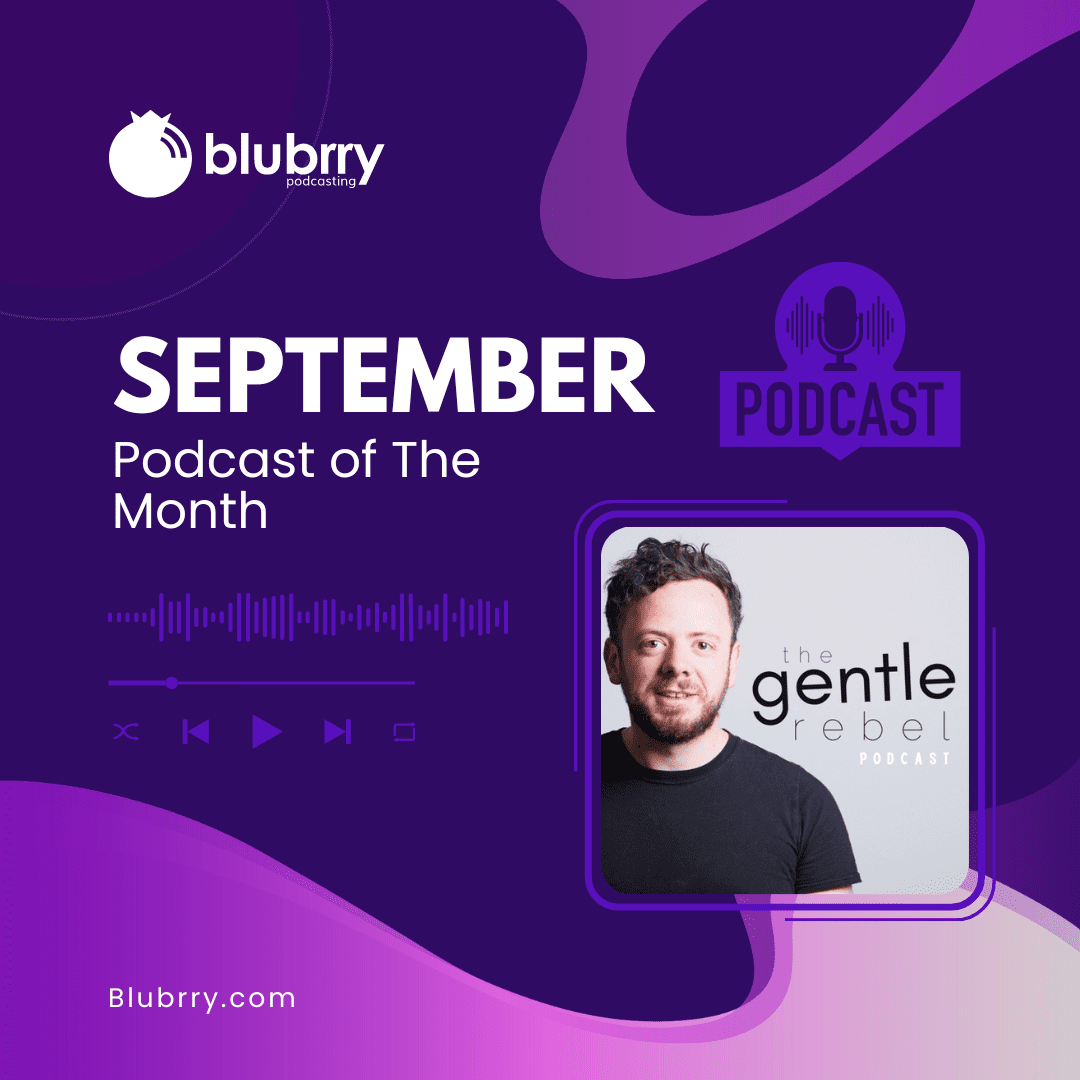
    The Gentle Rebel is Blubrry's Podcast of the MonthAndy Mort is not your stereotypical rebel. A podcaster, ambient sound artist, songwriter and professional life coach, Mort calls himself a Slow Coach. Having gone through his own renaissance and revival, our September Podcaster of the Month offers inspiration and support for others’ gentle rebellion. He helps people “connect with our natural rhythms, release the hold of alienating external demands, and freely infuse everyday life with our unique creative spirits.”

    “I love making spaces for weary travelers who are exhausted by the pace and pressure of modern existence,” Mort says. One of these spaces is The Haven, a virtual village in which people can escape to find the “needs beneath the noise.”

    Mort’s podcast, The Gentle Rebel is an extension of that haven, offering listeners a weekly note of encouragement for more than a decade. Through music, art and outreach, he reaches introverts and highly sensitive people. Mort helps them break free from their constraints and the narratives they’ve internalized about themselves. 

    • You started The Gentle Rebel a decade ago, then ended that chapter and rebooted in April 2022. What differentiates these chapters and what can listeners look forward to in the months/years to come?

    I’ve been doing the Gentle Rebel Podcast since 2010. It has been through several iterations or chapters. The most recent one started in April 2022 when I realized after 365 episodes there was a lot of stuff I had covered a few times in different ways over a decade of exploring. I had also reached a better understanding of many of the ideas I had been circling. I wanted to consolidate the ideas in those shows so that I had a simple focused archive to refer people to when looking for support and information about particular things. Podcasting is a wonderful way to think out loud and bounce ideas around. Eventually you reach a firmer position about certain things. That’s what happened. I wanted to mark that.

    I have reached the end of that consolidation process now, so I am enjoying exploring what the podcast wants to be next. The big focus is allowing space for music and practice to become part of episodes. Rather than just talking ABOUT theories and ideas in a world of abundant access to information, I want to connect with the humanness we share and provide valuable resources that give people an energizing and connecting experience to counter the frazzle and overwhelm that so many people are reporting feeling at the moment. So there will be more of that. Reflections on what it means to be human in a world of machines and plenty of space to explore that creatively.

    • Andy, you are a Sound Artist, Songwriter, and Slow Coach. How do these areas interconnect in your podcast, The Gentle Rebel? (And how do you define a slow coach?)

    The podcast is where my creative and professional passions converge. It’s why I love the medium so much. I use podcasting as a conversation with my listeners, a place to share my stories/experiences/observations (often from my life as a performer/songwriter), and a platform to create practical experiences that leave people feeling a positive shift after listening. That final part is often where my slow coaching philosophy interweaves with my creativity. 

    The idea behind slow coaching is that we don’t make good long-term/big picture decisions when we’re feeling rushed or in a heightened state of stress/alertness. I want to help people see the possibilities for their lives through a state of rest and deep connection so they can make grounded decisions that reflect who they are and where they want to go next. 

    The world is so noisy and there are so many competing demands and voices that tell us what we should want, do and value. I want the podcast to be somewhere people can come to as a way to reconnect with themselves and the needs, feelings and sensations beneath that noise. I bring my ambient instrumental music into certain episodes as a way to help listeners connect with different states of being. I am always aware of the rhythm and pace of an episode and how important it is to create that sense of hope and possibility as somewhere to finish each one.

    • What approaches have you found effective for introverted individuals versus people who are more outgoing?

    This focus emerged organically when the first iteration of the podcast started in 2010. It actually began life as an independent music podcast where I would share songs by artists I had played with and who were under the radar of the mainstream music industry. I began to speak between the songs and on a few occasions, talked about challenges/observations from my life as a musician. People would get in touch to say “I get that too,” especially when I spoke/blogged about things I later saw as characteristic of introversion and high sensitivity. So I naturally moved down that line, talking more about those things. And as I did so, I got more listeners looking for support and a sense of community with people who see the world through a similar lens. Knowing that you’re not alone in your experiences is a big part of what we all look for, and this is especially true if the world feels oriented toward another way of operating. I guess it comes back to permission to explore your own natural pace and rhythms and to listen to what you need to manage your energy, focus deeply on what matters most to you, and not get burned out by trying to keep up with the flow of demands and pressures from a fast and noisy world. 

    • How have you found that music – such as your music – reaches and supports the individuals you’re touching through your podcast and through your one-on-one coaching?

    Music is the language that transcends language – it speaks to us (and through us) in ways we might not be able to describe with words. I love it as a metaphor to help us navigate the challenges we face and our relationships with ourselves. And the experience of music (I do online gigs, host sound anchor rest sessions, and share/talk about songs from my Atlum Schema back catalog), which allows me to support people in different ways. I love sharing my music with other people; there is something beautiful about the energy that comes from a live stream, where we have the same experience as other people worldwide. It’s a gently rebellious joy in an on-demand world.

    The language of creativity helps me to work with clients to explore their inner landscapes, dreams, challenges and everyday possibilities in playful ways. We can go deep without it feeling heavy. We can explore with curiosity and joy. As I said before, music is also a tool I use to help people return to a place of calm inner connection and grounded hope after we adventure into those new horizons.

    • In what ways do you think your podcast helps introverted listeners feel more connected and understood?

    I guess it comes down to being a companion to people who might see and experience the world differently to the people around them. It’s the great thing about the podcast medium – it feels personal and real. Someone who you resonate with can chat about things that are important to you as you go about your day. At the broader level, podcasting has increased our collective understanding of introversion and high sensitivity. The Gentle Rebel Podcast has been a great chance to explore listener questions and observations as they come in over time. It’s just lovely to feel like I can be the voice of “someone like me” to a person who might be feeling disconnected and alone.

    • Are there any memorable stories, feedback or experiences from your listeners that showcase the positive effects of your podcast and your coaching in general on their lives?

    There is a story that speaks to the power of podcasting in creating connections and gently transforming lives of those who encounter them. I was invited to speak, lead a workshop and perform at a gathering for highly sensitive people in Finland – all sparked by a listener who reached out and joined my Haven community. She put me forward as a potential guest at the gathering. Tuula has since become a close friend and creative collaborator. The event itself was memorable for many reasons. One in particular sticks out when it comes to thinking about the unforeseen positive effects of the podcast. At the end of a day of workshops, a Q&A and a live gig in the evening, someone came up to me and said, “Thank you so much. I love playing the piano but I’ve never played to anyone else. After hearing you speak and perform today, I realize I have the strength to do it. I now know that I want to do it.” That blew my mind. It was one of those “ahh yes, this is what makes it all worthwhile” moments. 

    Find The Gentle Rebel Podcast here and on the Blubrry directory here. 

    Learn more about Andy here.

    Connect with Andy: