Blog

  • Pro Hosting Now Available Via AWS Marketplace

    Pro Hosting Now Available Via AWS Marketplace

    Familiar with the cloud? Well, we’re the first podcast provider to offer podcast hosting through the cloud. We’re available on Amazon Web Services, so anyone using their Marketplace can easily purchase and integrate Blubrry into their system.

    Our Professional Hosting level is now available in the Amazon Web Services Marketplace, and if you’re not familiar with their platform, it offers thousands of software, services and vendors that run on AWS. Podcast hosting already serves files via the internet already, so it’s a match made in cloud heaven.

    For the first time, AWS developers can quickly integrate podcasting with their services. Blubrry includes many features for developers including a full and robust RestFUL API with oAuth2 authentication allowing customers to publish podcast episodes, pull podcast download and play statistics, and navigate the podcast directory. API calls include the ability to upload and publish podcast media files as well as publish podcast episodes with rich HTML formatted episode show notes.

    What was once a long decision making process, including testing and multiple meetings, is now a breeze, knowing that our service already works in an AWS environment. A win-win situation for Blubrry and podcasters.

    This doesn’t mean you have to be an AWS user to purchase our professional level hosting, that hasn’t changed a bit. For those unaware of our higher level plan, take a look at what’s included:

    • Unlimited storage (1TB in base cost)
    • Unlimited bandwidth (1TB monthly in base cost)
    • And for that extra bandwidth, pennies on the dollar
    • Network plugin
    • Dynamic advertising insertion
    • Multiple podcasts all managed in one account

    And all of the standard professional hosting features remain included in this offering, so there is no downside to purchasing through AWS. To get started, head to our listing on AWS Marketplace.

  • Pro-Production Brings Out the Best In Your Podcast

    Pro-Production Brings Out the Best In Your Podcast

    Meet team-member Toby, who loves podcasting and playing the drums

    Odds are you did not create your podcast because you wanted something to upload.

    Chances are that your podcasting dreams are not built upon your show-note writing ability.

    However, those tasks (along with a thousand others) are required for successful podcast production. You may think that it is best to just perform all of those necessary tasks yourself, but you also can choose to hire someone to take care of the technology. Doing so will allow you to focus on your content creation, the heart of your podcast dream.

    It’s understandable to be hesitant to hand over your proverbial ‘baby’ to a stranger for professional podcast services. To calm your fears about hiring a professional podcast producer, the following is a brief introduction to Toby Goodman, a producer with Blubrry’s Pro-Production Solutions.

    • Toby lives in Greater London, England. 
    • His family is his motivation. 
    • Outside of his family, his two major passions are playing drums and podcasting. He has been talented and fortunate enough to play percussion professionally in more than 25 countries. 
    • His initial interest in podcasting grew out of the audio production skills he developed while playing music. 
    • His deep belief in the power of podcasting grew as more and more people he helped grew their podcasts into life-changing endeavors. 
    • When asked to describe what he does, Toby said, “I help people create and harness the full power of podcasts.”

    Of course, Blubrry’s Professional Podcast Production team is not just Toby. Our team is made up of radio industry veterans and podcasting experts. We have audio engineers, tech staff, and writers completely obsessed with what they do (that’s a trait of everyone that works for Blubrry – from the top, down). If you want someone who will be consumed by making your project its best, look no further. 

    With this formal introduction to Toby and the team out of the way, hopefully, you will be more comfortable with a podcast professional working on the technical parts of your show. Doing so will allow you more time to chase your podcasting dream!

    Feel free to explore Blubrry’s Professional Podcast Production services or reach out to one of our team at prohelp@blubrrypro.com.

  • Blubrry’s PowerPress Plugin Update Includes Improved User Experience

    Blubrry’s PowerPress Plugin Update Includes Improved User Experience

    The Blubrry team has diligently been working on PowerPress updates the past six months, and we’re now finally able to release our most comprehensive user experience update yet. Podcasters can go ahead and download PowerPress 8.3 now.

    We want to be clear, PowerPress has always been powerful, but now it’s easier to navigate and use. There are countless things that the plugin does, and as we were adding all of these capabilities, UI/UX unintentionally took a backseat, this year we’ve been rectifying that issue.

    Biggest Differences You’ll See

    • Welcome tab – consistent view of your progress and relevant Blubrry info
    • Destinations tab – Directories and apps are much more obvious now
    • Fresh, new look! Follows our updates to the website too
    • Sidebar, well this didn’t exist before, and now we provide a left-hand sidebar for individual tab organization


    Podcasting should be easy and we knew we had to ensure our tools weren’t a hindrance to publishing, getting started or helping new podcasters follow through. With this update we know podcasters will be able to locate features faster and there’ll be less head scratching trying to get things set up at the start.

    Currently the plugin has more than 60,000 active users, is available in four languages and free to WordPress.org users. To download the plugin and learn more about it, head here. The plugin is free to all podcasters and Blubrry hosting is not required for use.

    Fan of PowerPress? Leave us a review here 🙂

  • Top Ten Things To Do After Releasing Your First Podcast Episode

    Top Ten Things To Do After Releasing Your First Podcast Episode

    There are times in our lives when offering short, clear directions have the best results. For example, “Don’t Walk”, “No Swimming”, and “Dry Clean Only”, saves lives and laundry. Starting a new podcast also might be one of these times.

    So, below are 10 clear directions that all new podcasters should hear after releasing their first episode.

    1. Tell all your friends about your show.
    2. Work on your website.
    3. Learn podcasting best practices.
    4. Listen to your own show.
    5. Plan for your next episode.
    6. Appear on other podcasts.
    7. Use social media.
    8. Engage with your listeners.
    9. Invest your time and your money in your podcast.
    10. Do not spend all your time watching your download stats.

    Are 10 things too much for you to remember? When you read something memorable you also notice compelling themes buried inside the great literature. Inside the list above you will find three themes that should inspire your behaviors after you have released your first podcast episode.

    Theme #3: Focus on the right things. Do what you can to make your next episode better. Invest your time and money toward making your next show the best so far. Learn more about your topic or about the craft of podcasting. Don’t obsess over individual show stats, spend that time assessing the strengths of your previous episodes and planning for your future.

    Theme #2: Your podcast is more than just your audio show. Use everything at your fingertips to make people aware of your new podcast and increase their engagement with you. Have a social media outlet so you can talk to your listeners and they can talk to each other. Have a website where listeners can learn more about you and the podcast. And whatever platform you create beyond your audio podcast, make sure to update it consistently so people will keep coming back.

    Theme #1: Promote yourself. Ask your in-person friends and online acquaintances to listen to your podcast. Ask them to share your show with their friends. Be bold and appear on other podcasts that you listen to or are similar to yours. Have a booth or table at meetings and conferences to discuss your topic and meet potential listeners face to face. The old adage is that you are your harshest critic, but you can also be your strongest champion.

    Are three themes too much for you to remember? Think back to your first job. Often where you worked had a motto or mission statement intended to inspire you to do great things. Here is a single motto that will help you grow beyond your first episode. It is simple. Produce content that you can be proud of and be proud of what you are doing. If that is your motivation, you can do no wrong. Go forth and do great things.

    Do you feel inspired? What has this advice inspired you to do? Join the ‘Blubrry Podcasting Group’ on Facebook and share your recent actions with like-minded, inspired podcasters such as yourself. You may inspire others.

  • Outlier Podcast Festival Virtual Summit – A Success

    Outlier Podcast Festival Virtual Summit – A Success

    Intimacy at virtual Outlier Podcast Festival

    Improv comedy is built upon ‘Yes, and…’ thinking. That is the kind of thinking that Ever Gonzalez and Arielle Nissenblatt must have employed when they decided not to hold an in-person Outlier Podcast Festival this month. That conversation might have gone something like this:

    “So, Let’s cancel it…”
    “Yes, and…”
    “We could offer an online only virtual summit?”
    “Yes, and…”
    “We could offer the same quality and diversity of speakers and presentations?”
    “Yes, and…”
    “We could offer a ‘pay-what-you-can’ registration fee?”
    “Yes, and…”
    “We could offer contests and prizes for people participating live?”
    “Yes, and…”
    “We could record the presentations and make them available afterward?”
    “Yes, and… and… and…”

    Of course, the Outlier Podcast Festival was fantastic. Each presenter “brought the fire” (a term used frequently throughout the event).

    Those participating live were privy to something that cannot be fully captured in those recordings. Even though this was a virtual summit, attendees shared a sense of connection and companionship that rivaled and potentially exceeded what they would have experienced at an in-person event. The co-organizers, Ever and Arielle, were a supportive presence in the background during the formal presentations and engaging hosts between sessions. The chat-box was a continual source of thoughtful questioning, constant encouragement and hilarity. Frequently, people chatted that the virtual format heightened the intimacy of what was happening for attendees. People often mentioned that it felt like they were having a one-on-one experience with every presenter – try replicating that at an in-person event!

    A great example of these value-added experiences began near the end of the first day. Adam Lewis Walker was set to present “How to Get a TEDx From Your Podcast to Increase Impact,” but had a last-minute internet issue. Before he was able to connect, Arielle’s banter kept attendees engaged. When Adam joined, the chatroom was full of encouragement. To accommodate for the late start, Adam made a streamlined presentation not even using his prepared slides. 

    The next morning, the first presenter was Blubrry’s Todd Cochrane. During Todd’s presentation he casually mentioned that he was considering speaking at a TEDx event because of Adam’s insightful presentation the night before. 

    (Note: Todd continued to share interesting tidbits. He mentioned that he, the CEO of Blubrry / RawVoice Inc., also offers individual consulting. You may consider his consulting and Blubrry’s Pro Production Services to learn podcasting the Blubrry way.)

    The level of continuity spanned across all the three days of the Outliers Podcast Festival Virtual Summit. The collegiality among the presenters, furthered by the intimacy factor of the event, offered a mind-blowing experience. You can see the full schedule and list of speakers at the Outlier website and can still pay what you can and buy the recordings. Further, you should consider attending the next Outlier Podcast Festival, whether in person or virtual.

  • Planning Your Next Podcast Episode

    Planning Your Next Podcast Episode

    If you are not happy with your podcast it could be because of the amount of preparation you’re putting into each episode. Some podcast producers love scripting their shows. They want to know every word they are going to say and do not stray from their prepared statements. Many of these shows unfortunately come across as antiseptic and too formal. Some podcast producers prefer no preparation and just hit record and start talking. Many impromptu-style shows unfortunately struggle to provide continuity between episodes and may offer listeners limited perceived value other than connecting to the podcaster personally. If you listen to all the podcasts selected as ‘Editor’s Pick’ in the Blubrry Podcast Directory, you will not find one that sounds either overly scripted or ill-prepared. 

    Some podcasters may be able to read a script and sound so sincere you would think they are on that special Mother’s Day call to their mom. Some might be able to improvise so well on every episode that you would not know they were recording while riding their Peloton bike with Steven Little. These podcasters are the exception to the rule. If you feel you overly script or do not script enough (or maybe just starting out in podcasting), the following is an exercise to help you plan your next episode and make your listeners happy. 

    The first step to find that happy medium, is to simply know what you are going to say on your show. Maybe not the actual words you will use, but at least a plan for the topic and theme you are going to cover. This small step will separate you from the worst podcasts out there and give your show some needed structure.

    For this exercise, rather than thinking about all the future episodes you are going to produce, think about just your next episode. At this point in your planning process, limit your planning to one main topic. To spur your creative thinking, below are some topics of shows listed in the Blubrry Podcast Directory this week:

    • Stories of the podcast host’s worst jobs
    • A podcast host’s personal activities during the past week
    • Cosmic influences on personal well-being
    • Genocides occurring in the world today
    • History of a podcast host’s friendship with their guest

    What do you want to talk about on your next episode? Grab a paper and a pen and write down the specific topic you would like to cover on that episode. Write down a phrase or complete sentence that summarizes the main topic you want to cover on that one episode.

    With that complete… Congratulations! You are on your way to having a podcast episode that people are going to love.

    Now, let’s think about two more potential segments of your show that will flesh out your next episode. In addition to their main topic, some podcast episodes cover a secondary topic. This additional topic can either complement the main topic or be separate but not quite equal to the main topic. For example, if the main topic of your episode could be the history of your friendship with your guest. An additional topic could either be:

    • The charity where your friend works
    • The top friend getaways in your state
    • Your friend’s best weekday meal recipe
    • Your friend’s detailed knowledge about Tom Hanks
    • A detailed review of a movie you both recently watched

    Think again about the main topic you wrote down, consider an additional topic you could discuss on that episode. Write down an additional topic on your piece of paper along with your main topic. You now know two topics you are going to discuss on your next episode. Again, congratulations!

    One more thing, every podcast episode should make a request of the audience. These requests are commonly called a ‘call to action’. A call to action clearly presents what you want the listener to do to engage more fully with you. Surprisingly this is something your audience craves!

    A few examples of powerful calls to action are:

    • Go to Facebook and ‘Like’ us
    • Follow us on Instagram
    • Tell a friend about this episode
    • Go to the website
    • Subscribe to this podcast
    • Join us next week when our topic will be…
    • Buy our book
    • Donate
    • Email us

    Now, thinking of your next episode with the main topic and additional topic you selected, choose a call to action that is complementary to the topics you’ve selected for this episode and write down your chosen call to action. With that complete, congratulations again!

    With that exercise you now have three points to cover on your next episode. You do not have a specific script that ties you down to specific words, and you are not in front of your microphone with no idea what you are going to say. What you have is a balance between a scripted episode and one where you are just “winging it”. If this process works for you, feel free to use the same methodology and plan out all your future shows. 

    Our call to action for this blog? Listen to a few shows in our Editor’s Pick and hear how the best podcasters do it. And who knows, maybe you are few shows away from being featured as an ‘Editor’s Pick.’ 

    If you need help with your podcast production don’t forget we have the Blubrry Pro Production team to help you with your complete show production. If you are subscribed to our Podcast Insider Podcast you can hear the quality of our editing team.

  • Podcast Interviewer Tips From Non-Podcasters

    Podcast Interviewer Tips From Non-Podcasters

    Believe it or not, people conducted interviews long before podcasting was invented. While we often look to other podcasters for advice on how to conduct a podcast interview, there is so much researched-based information from accountants, criminal investigators and journalists that we can learn from. This is a quick summary of the protocols from those vocations that we can easily apply to our next podcast interview.
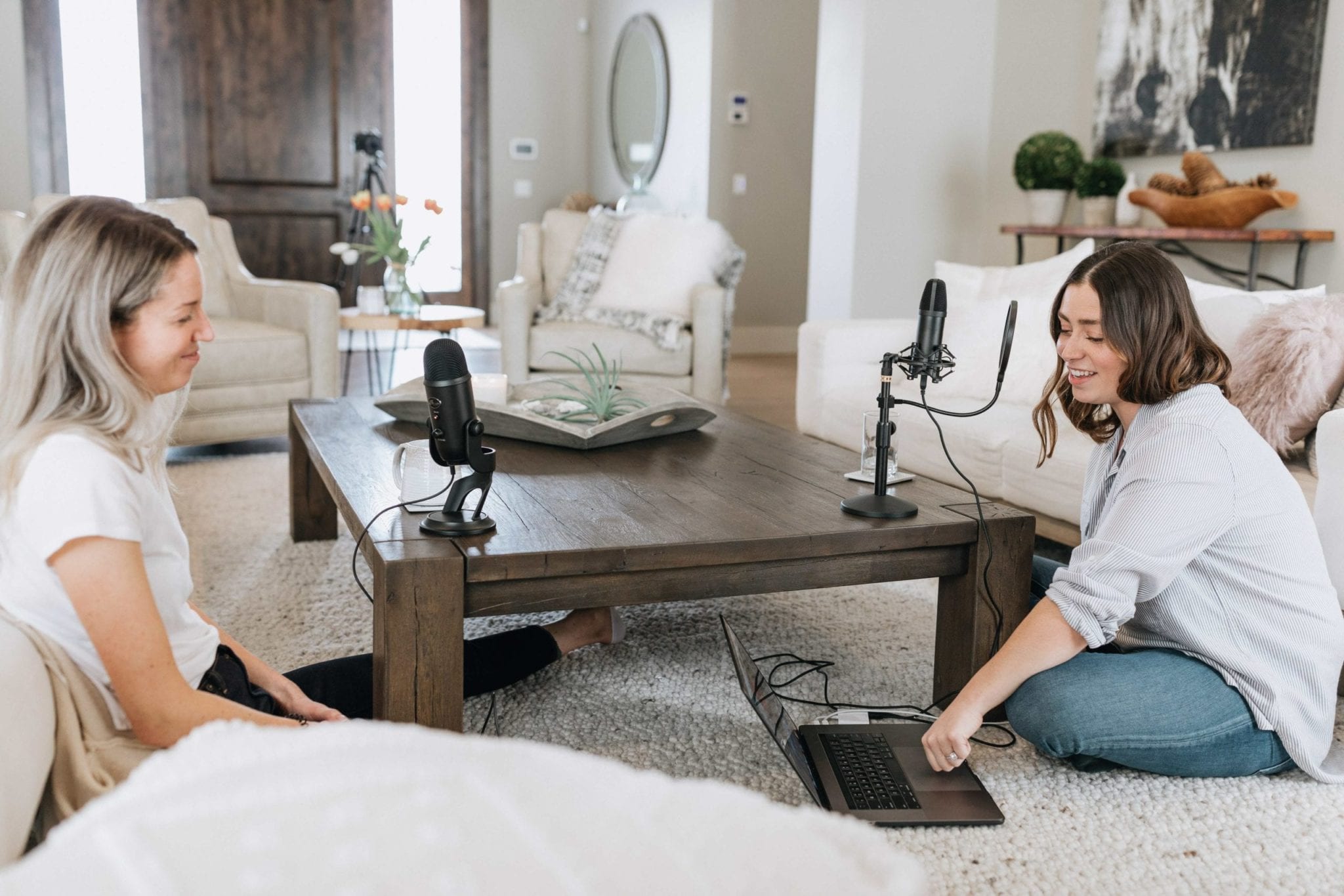
    Accountants conduct interviews when they perform audits. These audits are not the best of situations for anyone involved and to do their best, accountants have relied on their industry standards for reliable, professional results. Podcasters can directly learn from two of the recommendations from the AICPA and the Public Company Accounting Oversight Board. 

    1. Plan Ahead.

    Research the person you are to interview. Know their professional and personal history that is relevant to the topic you are going to talk about. Know the unique perspective or set of facts that your guest will bring to your show before you ask them.

    1. Follow Standards.

    While you may have known your podcast guest all of your life and you may know the interview topic like the back of your hand, flying by the seat of your pants rarely yields quality, consistent results. Following interviewing standards is the best way to produce repeatable high-caliber recordings.

    Criminal Investigators offer the most actionable standards for interviews in the protocol they call, ‘Forensic Interviewing’. While frequently used with children, these standards will most assuredly apply to your podcast guests. Below is the form the interview should take according to the US Department of Health and Human Services.

    1. Rapport-Building Phase

    Introduce your guest and explain why they are on your show from the beginning. Explain to your guest and your audience how you are conducting the interview and about how long it will be.Use this opportunity to engage your guest by seeking commonality and by expressing your appreciation for their participation.

    1. Substantive Phase

    Allow your guests to share their opinions or special knowledge during this phase of the interview. Offer minimal guidance to the guests by asking open ended questions. Use more open ended questions for follow up such as, “Tell me more about that”. Lastly, feel free to allow there to be long silences, guests usually speak to fill in the quiet. 

    1. Closure Phase

    This is the opportunity for you to intentionally conclude your interview. Have your guest recap their contributions or perspectives. Ask them to share contact information with your audience. And always thank your guest profusely for their time and expertise. 

    Journalists have been editing their work for Centuries. As we edit our work, we can learn from their experience. NPR has created a valuable resource with rules they use regarding editing. To review, they suggest:

    1. Clean-Up Edits are important.

    You should remove the Ums and Ahs so your interview sounds more professional production.

    1. Keep “true to the meaning of their words”

    Do not take your questions or your guest’s answer out of context.

    1. Consider every edit.

    As Peter Breslow put it, “The less you do to manipulate the audio, the better.”

    As you can see, we podcasters can learn from those that have gone on before us. Please visit the links shared above, you can glean an amazing amount of valuable information from those original sources. However, you may want a fast-track to the best podcasting technology and techniques. As always, consider Blubrry’s Pro Production Services to jumpstart your podcasting efforts.

  • Get The Most Out Of The Guests

    Get The Most Out Of The Guests

    Having a podcast is an excellent way to get your voice heard. Moreover, if done well you can amplify your voice by having others on your show. If done poorly, bringing guests on your podcast can dilute your unique message, that even your fans will unsubscribe. One way to ensure the guests add value to your podcast is to prepare them for success. Below are four tips to help you prepare your guests so they always amplify what you want to say.


    TIP #1: The best way to prepare your guest for your show is to tell them what to expect. Before you record with your guest they should:

    • Know a bit about your podcast
    • Easily be able to join you for the recording
    • Know why you are having them on your show
    • Understand what you’ll be talking about

    Below is a sample email to a potential podcast guest on the non-existent True Believer Crime Podcast. Notice that, while farcical, this includes all of the information recommended above. Feel free to use this as a template next time you have a guest on your show…

    Dear Mr. Spider-Man,

    Thank you for agreeing to be on episode 616 of my podcast, True Believer Crime Podcast. My podcast looks at the people who are framed for violent crimes and presents alternative theories of the case. I’ve been producing my show for three years, and while we have not overturned any charges legally, we do have a large podcast following and can guarantee that your case will trend on Twitter with #spidermanwasframed after the episode release.


    As you prepare to come on my show, here are a couple of past episodes that you should listen to so you understand the tone and format of the show. Please listen to Episode 411, Information On Why Tigers Can’t Eat People. Please also listen to Episode 500, Listener Feedback From Prison. Listening to these episodes will allow you to gain insight on the quality content and attitude that our listeners have come to expect.


    Recording your episode will be easy. Just click on this link at 8:45 p.m. EDT next Tuesday and follow the on-screen prompts. If you have any issues connecting, please give me a call at (212) 555-1212. When we start recording I will introduce you. Is there anything in particular that you would like me to say? Some guests provide me with a quick bio that I read. Feel free to send me anything you would like before our recording time. If I do not receive anything from you I will write your introduction.


    I want you to be on my podcast because your story is exactly the kind of story my listeners like to hear. You say you were framed for murder and can tell a convincing story of self-defense. While we may talk about your amazing strength and your ‘Peter Tingle’, if they come up in discussion, I would like to limit our discussion to the facts and your perspective of your case as much as possible.


    During the interview I plan to ask you the following questions:


    • Are you really Peter Parker?
    • Why do you think you were framed?
    • Tell me about the events of that day.
    • What would you if all the charges were dropped?

    Those are the questions that will drive the interview, however, I will probably ask you follow-up questions to drive deeper discussion. I do edit the interviews so if we talk about anything that you do not want to be released on the podcast, feel free to let me know after we record.


    Lastly, on every episode, I ask for guests to share their contact information. Feel free to share any email addresses, websites, social media handles, etc. that you would like. If you would not like your contact information in the public domain, feel free to ask that listeners simply contact me and I will forward their messages to you. 


    Again, thank you for agreeing to be on our podcast. If you have any questions before our recording time, simply let me know.


    Sincerely, 

    S. L.

    Notice how that email helps to prepare the guest for the podcast and answers questions that they may have. Taking those steps and then asking them to reach out with any further questions reduces their anxiety and allows them to better focus on what they want to say during the interview.

    TIP #2 The second tip is simple, ensure your guest sounds great. You do this by assuming that your guest knows very little about recording and talk them through the techniques and technologies so they will sound their best. Ask them if they are:

    • Comfortable with the technology you will be using to record.
      • Ask them, “I will be connecting with you via a Zoom meeting. Have you used Zoom before? Will you be able to click the link I  provide and talk to me that way? Do you have reliable internet access or telephone service?” 
    • Comfortable with the environment they will be in when they record
      • Ask them, “Where do you plan to be during our interview? Can you be in a quiet room with limited distractions?”
    • Comfortable with the quality of the microphone they will be using to record
      • Ask them, “What microphone will you be using for the interview? If you plan to use your telephone, what kind of phone is it? Do you have a microphone you can connect to your computer?”
    • Comfortable with how to use the microphone they will be using to record
      • Ask them, “Have you been on a podcast before? The recording sounds best if you keep your microphone close to your mouth but not so close that you are breathing directly into the microphone.”

    TIP #3: The third tip seems nonsensical. Do not run through your Q&A with your guest before you record the show. Doing so can yield negative results.

    Often, either your guest will seem overly rehearsed or your responses to their stories may seem too prepared. Of course, you can build rapport with your guest before you record but avoid in-depth discussions prior to the interview for more authenticity on your show.

    TIP #4: Lastly, prepare your guest to share the podcast episode after it is released. Make sure that your follow-up message to your guests has these three components:

    • Express gratitude for them being on your show
    • Share links and instructions for them to share your episode
    • Extend opportunity for a continued relationship

    Below is a sample follow-up email to a guest that offers all of this information. Feel free to use this as a template…

    Dear Mr. Spider-Man,

    Thank you for being on the True Believer Crime Podcast. I hope you found your experience enjoyable.


    I just released your episode titled, ‘No Mystery Here, Spider-Man Was Framed.” and I am already seeing significant downloads! As promised, below are links to the episode for you to listen and share if you feel that is appropriate.


    Here is a link to the episode on my website, notice the detailed show notes here. You may want to share this link to spur listeners to action: www.truebelievercrimepodcast.com

    I hope you agree that this was an excellent podcast episode and appropriately highlighted your current situation. If you would like to work together again, just let me know. I am sure my audience would like to hear from you again.


    Thanks again,

    S.L

    You must prepare your guests to be on your show, this is an important step to ensure they bring their best self to the recording. Fully preparing your podcast guests before you record makes for a great interview. But, make sure to not over-prepare your guests, over-preparing your guests results in them sounding robotic and rehearsed. Feel free to personalize the above templates to help bring out the best in your guests.

  • Two Ways to Start a Podcast

    Two Ways to Start a Podcast

    Two ways to start a podcast

    Your faucet has a leak.

    Your headlight is out.

    You want to start a podcast.

    If you know nothing about plumbing, auto repair or podcasting you will handle all three of these situations the same way. You will either do the work yourself or pay a professional to do the task for you. Although faucets and headlights are outside our area of expertise, we know a thing or two about starting a podcast. Lets more fully explore both of these options.

    The Bootstrapping Approach

    According to the Oxford Dictionary Bootstrapping means to “get (oneself or something) into or out of a situation using existing resources.” Here is the good news, you do have the resources at your fingertips that will allow you to start a podcast. Minimally, to create a podcast all you need is a digital recording and the ability to share that recording over an RSS feed. Easy! If you are reading this blog you either have a phone or a computer on which you can make the digital recording. Just search for ‘Memo’ or ‘Recorder’ on your device — software that you may not have known about before  — and the built-in microphone to make the digital recording.

    Next, you need to get your recording online with an RSS feed. We’re here to help you out! Just click here and get a Blubrry account. Use the Promo Code ‘INSIDER’ and you get a free month of podcast hosting. (FYI: Going through the process of signing up for your account and reviewing all of the support documentation will greatly help your podcasting efforts.)  Then simply upload that recording as your first episode and you have a podcast! You will learn more with each episode you release and your show will consistently improve.

    The Professional Approach

    You can also get professional support to guide you through posting your podcast online and sound your best from your very first episode. You can Google and find many experts that offer this service, but we offer a Professional Launch Package that allows you to do your best work while we handle the technical aspects of your show. When you choose the professional approach to starting your podcast, you pay for someone else’s experience rather than gaining that experience over time. It is up to you to choose how much your time is worth.

    When should you start a podcast? The easy answer is now.

    How  you should start your podcast is the real question we are discussing. The deciding factors for choosing a bootstrapping approach or professional approach is the amount of time you can commit to learning and the quality you desire for your first episode. If you have the time to learn the skills necessary to podcast and would be satisfied if your first episode is not perfect, explore bootstrapping. If your time is limited and you want your first episode to have professional polish, you should pursue a professional approach to start your show. Regardless of the approach, when you take to starting your podcast we can help.

  • Know Your Dashboard: Destinations

    Know Your Dashboard: Destinations

    Know Your Dashboard is an ongoing series of in-depth looks at the features of your Blubrry Podcaster Dashboard.

    Having your show listed on as many different syndication platforms as possible is key to maximizing your show’s reach. Under most circumstances, Blubrry advocates that you submit your show’s podcast RSS feed directly to these different platforms. But in a couple cases, it may be necessary for Blubrry to submit for you. This is where the Destinations section of the Blubrry dashboard comes in.

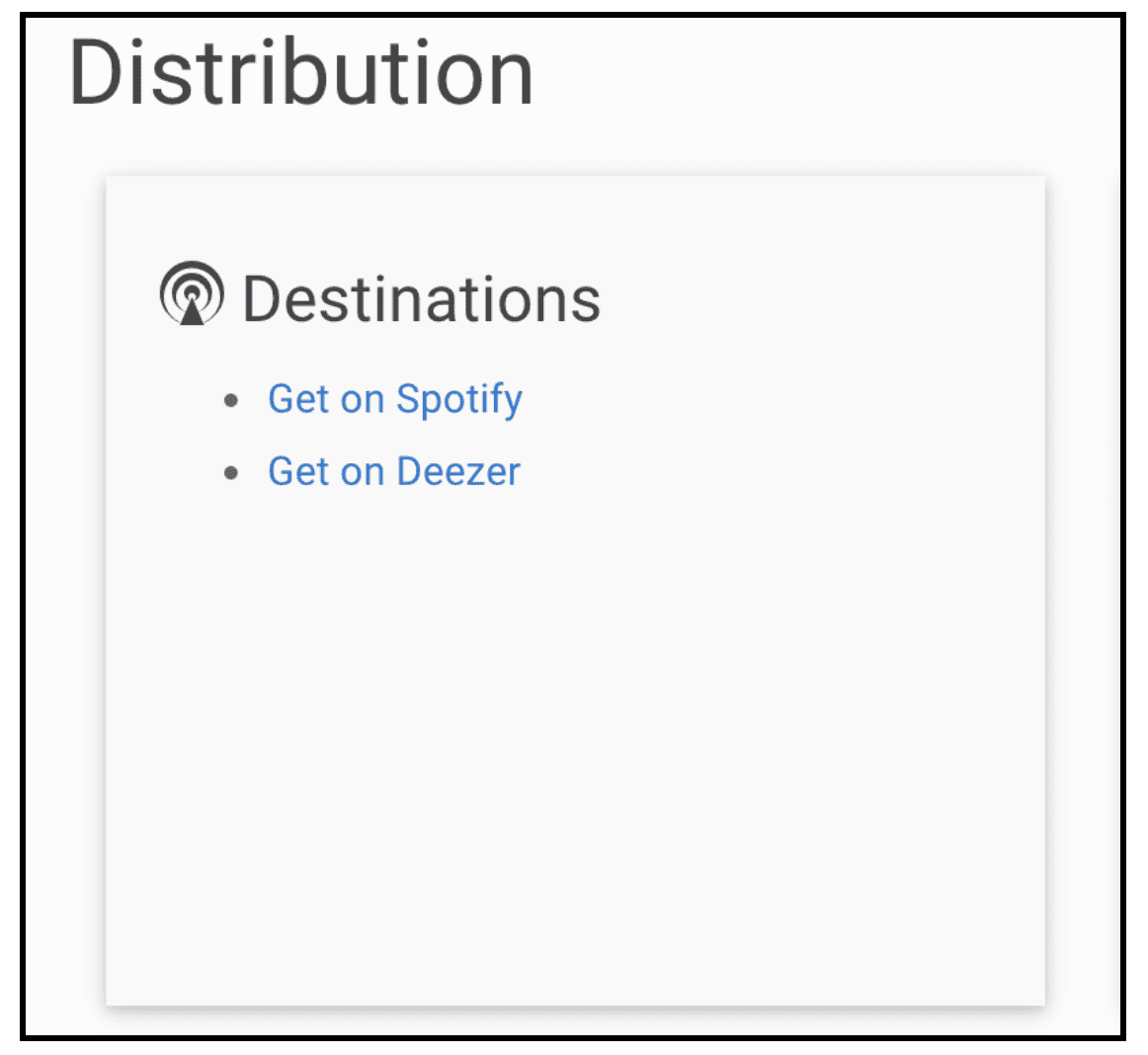
    The Destinations section can be found directly under the Distribution header and offers two links:

    • Get on Spotify: Blubrry media hosting customers can submit shows directly to Spotify through this link. Copy/paste the show’s podcast RSS feed URL into the Podcast Feed URL field and click the Next button. Blubrry will do a quick check of the feed to make sure it’s working. On the next page, you’ll need to acknowledge a couple of checkboxes to complete the submission. Check your Blubrry dashboard within 24 hours to see if your show submission was approved.
    • Get on Deezer: Anyone who has a free show listing on the Blubrry directory can submit to Deezer; Blubrry media hosting is not required. Make sure the information inside the Podcast Feed URL and Title fields are correct and click the Next button. Confirm all of the acknowledgements on the next screen to complete your submission to Deezer. Return to your Blubrry dashboard within 24 hours to check the status of the submission.

    Want to get your podcast listed on even more syndication platforms? Check out this list of places where you can submit your show directly. If you have any questions about submitting to any of these platforms, drop a line to Blubrry support.