Blog

  • Why YouTube Only Is Risky

    Why YouTube Only Is Risky

    For many creators, YouTube is the obvious starting point for video content.

    It’s the largest video platform in the world. The discovery engine is powerful. The monetization tools are built in.

    Upload a video, grow an audience, turn on ads — that’s the dream.

    But building your entire content strategy on a single platform is one of the biggest risks creators quietly take.

    Because when your business depends entirely on one algorithm, one policy change, or one platform decision, you’re not really in control.

    And history has shown that platforms change faster than creators can adapt.

    The Platform Dependency Problem

    It’s easy to see why creators lean heavily on YouTube.

    The platform has more than 2 billion logged-in users every month, according to YouTube.

    That kind of reach is hard to ignore.

    But reach comes with trade-offs.

    Creators don’t control:

    • Algorithm changes
    • Policy updates
    • Monetization rules
    • Audience access

    Your audience might subscribe to your channel, but the platform ultimately decides how often your content appears in their feed.

    And if the algorithm shifts, the visibility you built can disappear overnight.

    Algorithm Changes Can Kill Momentum

    Every experienced creator has seen it happen.

    A channel grows steadily for months.

    Then engagement suddenly drops.

    Same creator.

    Same audience.

    Same content.

    Different algorithm behavior.

    Because discovery on YouTube is heavily driven by recommendation systems. Small changes to how content is recommended can dramatically impact traffic.

    And when that happens, creators often find themselves chasing the algorithm instead of focusing on their audience.

    Ad Revenue Isn’t Predictable

    Another common assumption: once you’re monetized, income becomes steady.

    Not quite.

    YouTube ad revenue depends on RPM (revenue per thousand views), which fluctuates based on:

    • Advertiser demand
    • Viewer location
    • Niche
    • Seasonality

    During strong ad markets, RPMs rise. During economic slowdowns or seasonal shifts, they can drop significantly.

    Creators who rely exclusively on ad revenue often experience income swings they can’t control.

    Audience Ownership Matters

    One of the biggest differences between platforms is who owns the relationship with the audience.

    On YouTube, the platform controls the distribution.

    If your account is flagged, limited, or demonetized, access to that audience can shrink instantly.

    That’s why many experienced creators build platform diversification, including:

    • podcasts
    • newsletters
    • communities
    • websites

    These channels allow creators to reach their audience without relying on a single algorithm.

    Why Audio Is a Powerful Companion

    One strategy many creators overlook is expanding into podcasting.

    Audio offers something video doesn’t always deliver: long-form engagement.

    Research from Edison Research shows podcast listening has grown dramatically over the past decade. Time spent listening to podcasts has increased more than 355% since 2015, reaching hundreds of millions of listening hours each week.

    Podcast audiences also spend significant time with the content. According to Edison’s Podcast Consumer study, 23% of weekly listeners spend 10 hours or more listening to podcasts every week, highlighting the depth of engagement the format creates.

    That deeper engagement builds stronger loyalty.

    And loyalty tends to convert better into memberships, services, products, and events.

    The Smart Creator Strategy

    This doesn’t mean abandoning YouTube.

    Far from it.

    Platforms like YouTube are incredible discovery engines.

    But smart creators treat platforms as distribution channels — not the foundation of their entire business.

    A more resilient approach looks like this:

    • Video for discovery
    • Audio for loyalty
    • Email for ownership
    • Communities for engagement

    Together, these channels create a system that can survive platform shifts.


    The Real Risk
    YouTube isn’t the problem.

    Dependence is.

    The most stable creators aren’t the ones with the biggest channels.

    They’re the ones who own the relationship with their audience and build multiple ways to reach them.

    Platforms will evolve.

    Algorithms will change.

    But creators who build outside the platform — not just inside it — are the ones who stay in control.
  • Conversations That Matter: On Mic with Jordan Rich

    Conversations That Matter: On Mic with Jordan Rich

    When Jordan Rich created On Mic with Jordan Rich, he wasn’t chasing trends or trying to reinvent his career—he was continuing what he’s done best for decades: having meaningful conversations.

    A successful major market broadcaster for years, Jordan has conducted thousands of interviews on-air. From celebrities to community voices, industry leaders to everyday individuals, he’s built a career around curiosity. And when he stepped further into podcasting, that curiosity didn’t fade—it expanded.

    Because if there’s one thing Jordan believes, it’s this: everyone has a story worth telling.

    And On Mic with Jordan Rich is where those stories unfold.

    The Mission: Every Voice Has a Story

    At its heart, On Mic with Jordan Rich is built on a simple but powerful belief—famous or not, every person carries experiences, insights, and moments that can inspire, teach, or entertain.

    Jordan approaches each conversation with thoughtful curiosity. He doesn’t just ask questions; he listens. He leans into the details. He anticipates what his audience wants to know and guides the discussion there naturally.

    The result isn’t just an interview.

    It’s a conversation that feels human.

    Each episode invites listeners to slow down and engage with real people sharing real stories—sometimes surprising, often insightful, always authentic.

    Behind the Mic: Decades of Mastery

    Jordan Rich didn’t arrive in podcasting by accident. He brought decades of broadcast excellence with him.

    Having built a reputation as one of the industry’s top interviewers, Jordan understands pacing, timing, and the art of making guests feel comfortable enough to open up. Conducting thousands of interviews across his career has given him an instinct for where stories live—and how to gently draw them out.

    His experience in major market radio shaped a style that’s polished yet approachable. Professional, yet personal.

    That balance is what keeps listeners coming back.

    Why It Resonates

    In a media environment often driven by headlines and soundbites, On Mic with Jordan Rich offers something deeper: connection.

    Listeners don’t just hear about accomplishments—they hear the journey behind them. They hear perspectives, turning points, and the humanity behind the spotlight.

    Jordan’s genuine curiosity sets the tone. There’s no rush to move on to the next question. No forced angles. Just conversations that unfold naturally.

    It’s a reminder that great podcasting isn’t about spectacle—it’s about listening well.

    Blubrry’s Podcaster of the Month Spotlight

    Blubrry Podcasting is proud to recognize On Mic with Jordan Rich as our March Podcaster of the Month, celebrating Jordan Rich’s decades-long dedication to thoughtful interviewing and meaningful storytelling.

    Through On Mic with Jordan Rich, Jordan continues to do what he has always done best—shine a light on the stories that deserve to be heard.

    🎧 Listen to On Mic with Jordan Rich on your favorite podcast platform and discover the power of a great conversation.

  • Monetization Myths: What Actually Works for Video & Audio

    Monetization Myths: What Actually Works for Video & Audio

    Let’s clear something up.

    More views don’t automatically mean more money.

    More downloads don’t either.

    We’ve watched creators chase algorithms, rack up impressions, celebrate spikes… and still struggle to cover hosting, editing, or production.

    Why?

    Because most creators are building attention, not revenue.

    And the data backs this up.

    According to the Interactive Advertising Bureau (IAB) U.S. Podcast Advertising Revenue Study, podcast ad revenue surpassed $1.8 billion in recent years — and is projected to cross $2 billion. Sounds massive, right?

    But here’s what most people miss: that revenue is concentrated among top-tier shows and networks. The long tail of independent creators sees a very different reality.

    The truth is — video and audio don’t make money the way most creators assume they do.

    The “More Reach = More Revenue” Lie

    Look, we’ve all seen it.

    A clip goes viral.

    A podcast episode trends.

    Analytics light up.

    And yet… nothing changes financially.

    YouTube’s own Partner Program typically pays creators anywhere from $2–$5 RPM (revenue per thousand views) after platform cuts, depending on niche and geography. That means 100,000 views might translate into a few hundred dollars — not a sustainable business for most teams.

    Visibility doesn’t equal income. It equals opportunity.

    Meanwhile, niche creators with smaller but defined audiences quietly convert listeners into coaching clients, paid communities, SaaS users, or event attendees.

    So what’s the difference?

    Structure. And an offer beyond the content itself.

    Ads Aren’t the Finish Line

    There’s this belief that once ads show up, you’ve made it.

    Mid-rolls. Pre-rolls. DAI slots.

    Brand integrations on video.

    It feels like validation.

    Podcast CPMs commonly range from $18–$25 for mid-roll placements according to industry benchmarks often cited in reports from the Interactive Advertising Bureau. That sounds solid — until you run the math.

    At 5,000 downloads per episode, that’s roughly $90–$125 per ad slot.

    Helpful? Yes. Transformational? Rarely.

    And ad markets fluctuate. In 2023 and 2024, many digital ad sectors saw slowdowns tied to broader economic shifts. When brands tighten budgets, creators feel it immediately.

    That’s not control.

    Ads are one lever — not the system.

    Trust Converts Better Than Traffic

    Podcasting continues to grow — and with it, listener trust.

    Research from Edison Research consistently shows that podcast listeners are highly engaged and more likely to take action after hearing recommendations on shows they follow regularly.

    That’s not just about ads.

    It’s about trust transfer.

    Long-form audio builds familiarity.

    Video builds visibility.

    When creators use both intentionally — short-form video for discovery, long-form audio for depth — they create a layered relationship with their audience.

    Recognition plus trust.

    That’s when revenue becomes repeatable.

    The Real Revenue Engine

    In both video and podcasting, the creators who win treat content as a bridge — not the destination.

    Content leads to:

    • Services
    • Products
    • Communities
    • Events
    • Partnerships

    Not just ad impressions.

    For example, many B2B podcasters use their shows as authority platforms that generate inbound consulting leads. Educational YouTube channels frequently drive revenue from structured online courses hosted on platforms like Teachable or Kajabi.

    The revenue doesn’t live inside the episode.

    It lives in what the episode points to.

    Content is the introduction.

    The business happens after.

    Platforms Don’t Build Businesses — Offers Do

    You can post daily and still struggle.

    You can upload weekly and thrive.

    The deciding factor isn’t frequency — it’s clarity.

    Creators who define a clear next step — a membership, a mastermind, a premium feed, a workshop — create predictable revenue paths.

    Without that layer, even high-quality content becomes noise in an algorithm feed.

    Video + Audio Is the Sweet Spot

    Video grabs attention.

    Audio builds loyalty.

    Data from Edison Research also shows that weekly podcast listening continues to grow year over year, reinforcing that long-form audio still commands sustained engagement — something short-form platforms struggle to maintain.

    One gets you discovered.

    The other keeps people around long enough to trust you.

    Creators who use both strategically often see:

    • Higher engagement
    • Stronger authority
    • More consistent conversions

    Not because they produce more — but because they connect more deeply across formats.


    The Real Shift

    Cashing in from content isn’t about finding the perfect platform.

    It’s about building a system where content supports something deeper.

    Ad revenue in podcasting may be crossing billions industry-wide. YouTube may serve billions of views daily.

    But individual creators don’t win by playing someone else’s volume game.

    Video and audio aren’t the revenue.

    They’re the relationship builders.

    And relationships — when handled with structure and intention — are what actually pay.

  • You Don’t Need Sponsors to Make Money Podcasting: 5 Real Revenue Paths

    You Don’t Need Sponsors to Make Money Podcasting: 5 Real Revenue Paths

    Let’s say this louder for the folks refreshing their inbox waiting for an ad deal:

    You don’t need sponsors to make money podcasting.

    We’ve been in the podcast industry for more than 20 years. We’ve watched podcasters chase CPMs like they’re lottery tickets. We’ve seen shows with 300 downloads an episode turn a profit… and shows with 30,000 downloads make exactly zero dollars.

    Most people fail at cashing in because they’re chasing vanity metrics. They want to feel big before they get paid.

    That’s backwards.

    Here are five revenue paths that work — even if your audience would fit inside a modest wedding venue.

    Stop Begging for Ads. Sell Something Real.

    We see this pattern constantly.

    A podcaster finally lands a sponsor. The CPM looks decent on paper. The mid-roll is baked-in. It feels like a milestone.

    Then the payout hits… and it barely covers expenses.

    Here’s the math nobody talks about: unless you’re pulling serious download volume, ad revenue adds up slowly. Really slowly. And it’s tied to fluctuating downloads, fill rates, and someone else’s marketing budget.

    Meanwhile, a single consulting client, coaching package, or service contract can outperform months of ad slots.

    That’s not theory. That’s how the economics usually shake out.

    Here’s the kicker: your podcast is a trust machine. If you sell services — consulting, coaching, strategy, production, design, legal work, whatever — your show does the heavy lifting before the sales call ever happens.

    By the time someone reaches out, they already know how you think. They’ve heard your philosophy. They trust your voice.

    You don’t need a dynamic ad insertion (DAI) platform optimizing ad fill rates.

    You need a clear offer.

    If someone binge-listened to 10 episodes today, what could they pay you for tomorrow?

    If you don’t have an answer, that’s the problem.

    Your Audience Is Small? Good.

    Everyone complains about small downloads.

    We love small audiences.

    Small audiences buy.

    A tight-knit group of 500 loyal listeners who see you as their go-to voice will outspend 10,000 casual scrollers who found you through a social post and forgot your name.

    Memberships. Paid communities. Premium episodes. Bonus Q&As. Private feeds.

    You don’t need 100,000 downloads. You need 100 people who care.

    We’ve seen creators build $3K–$10K/month private feeds with fewer than 1,000 total listeners. Why? Because they stopped trying to impress advertisers and started serving their core.

    Look — if your audience wouldn’t miss you if you stopped publishing, ads won’t save you.

    Depth beats width. Every time.

    Digital Products: The Sleeper Hit

    Ebooks. Templates. Swipe files. Mini-courses. Workshops. Not sexy. Not flashy. Highly effective.

    In the world of content creation, the biggest wins often come from the simplest places. You don’t need a revolutionary breakthrough to create a successful digital product; you just need a tactical solution to a common problem.

    Think of it as the “Shortcut Economy.” When you bundle specific, actionable advice—like a niche audio series—with a functional tool like a Notion template, you create a low-friction entry point for your audience.

    While a high-ticket course requires a massive commitment, a $49 “problem-solver” can quietly become a consistent revenue driver. It becomes a passive asset that gains momentum over time; as new followers discover your work, they look for the fastest way to get results.

    The Playbook:

    • Audit Your Conversations: You already spend hours sharing insights. Identify the questions you answer most often and package that knowledge.
    • Add Structure: People don’t pay for information; they pay for organization. Take your raw ideas, clean them up, and put them into a repeatable framework.
    • Prioritize Utility: Avoid the trap of overproduction. Your audience is looking for a breakthrough, not cinematic transitions. Clarity will always outsell “polish.”

    Affiliate Revenue (But Not the Gross Way)

    Let’s talk about affiliate cash.

    Blubrry’s Affiliate Program is a good example of how this can work the right way — podcasters can recommend a hosting platform they already trust and earn commission when fellow creators sign up. It’s less about pushing links and more about pointing people to tools that genuinely help them launch and grow.

    Most podcasters do this wrong. They shotgun links into show notes and hope something sticks. That’s lazy.

    Affiliate revenue works when it’s aligned and baked-in naturally.

    Example: we once saw someone mentioned a specific mic they genuinely loved. Not because of commission. Because it solved a problem for their audience.

    Over time, that one product mention — repeated organically across episodes — paid their hosting bill for years.

    No hard sell. No awkward promo code voice.

    If you already recommend tools, software, books, gear — why aren’t you getting paid for that?

    And no, you don’t need to turn into a late-night infomercial host.

    Events. Yes, Even Small Ones.

    Here’s something nobody tells new podcasters: live experiences convert like crazy.

    They don’t have to be massive conferences. Start small.

    A virtual workshop for 25 people at $99 each.

    A paid mastermind dinner at a conference you’re already attending.

    A one-day online intensive.

    Access scales differently than ads. It’s high-trust, high-touch, and high-value.

    You can’t automate connection completely — and that’s the point.

    The Ad Myth That Won’t Die

    Look, we’re not anti-sponsor.

    We’ve done DAI campaigns. We’ve negotiated baked-in mid-rolls. We’ve read ad copy that made us question our life choices.

    Ads are fine — once your show is a machine.

    But too many podcasters treat sponsors like a graduation ceremony. “Once we get ads, we’ve made it.”

    Made what?

    A few hundred bucks a month tied to download volatility and fill rates?

    If your only revenue plan depends on someone else’s marketing budget, you don’t have a business. You have hope.

    Hope doesn’t pay your editor.


    The Real Question

    Are you building an audience… or are you building leverage?

    One gets applause.

    The other gets paid.

    You don’t need sponsors to make money podcasting. You need clarity about what you’re actually selling — even if that “thing” is just deeper access to you.

    We’ve seen this a thousand times. The podcasters who win aren’t the loudest. They’re the ones who treat their show like an asset, not a hobby waiting for permission.

    So stop refreshing your inbox for that dream brand deal.

    What can you sell this month?

    Start there.

  • Musings from a Life Behind the Mic: Kevin Mason

    Musings from a Life Behind the Mic: Kevin Mason

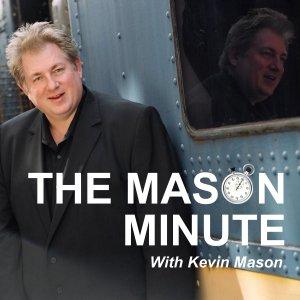
    When Kevin Mason created Musings From the Mind of Kevin Mason, he didn’t set out to reinvent himself—he simply refused to give up the microphone.

    A second-generation broadcaster, Kevin quite literally grew up on the radio. He made his on-air debut at just three years old and spent the next 40 years behind the mic, building a career rooted in storytelling, observation, and the rhythm of daily life. Even after stepping away from traditional radio, one thing never changed: he still had something to say.

    And so, The Mason Minute was born.

    The Mission: A Daily “Palate Cleanser”

    At its core, The Mason Minute is simple by design. Everyday, Kevin delivers a 60-second reflection on life—small moments, passing thoughts, everyday observations—all filtered through the lens of a middle-aged guy living a comfortably middle-class life.

    It’s not breaking news. It’s not hot takes. It’s not shouting into the void.

    It’s perspective.

    Kevin describes it best as “Think Andy Rooney meets Paul Harvey—with better eyebrows and less talent.” The humor is self-aware, the tone conversational, and the delivery polished by decades of professional broadcasting experience.

    In just one minute, listeners get something rare in today’s fast-paced world: a thoughtful pause.

    Behind the Mic: A Lifetime of Broadcasting

    Kevin Mason didn’t stumble into podcasting—he evolved into it.

    Spending four decades in radio means he understands pacing, storytelling, and the subtle art of saying more with less. His voice carries the confidence of experience and the ease of someone who has spent a lifetime connecting with audiences.

    While many podcasters are still learning how to “sound natural,” Kevin simply is. His background allows him to turn a fleeting observation into a memorable moment—without overproduction, overthinking, or overcomplicating the message.

    Even after leaving the traditional radio business behind, Kevin proves that true broadcasters never really retire. They just find new platforms.

    Why It Resonates

    In a world filled with long-form interviews, deep dives, and endless scrolling, The Mason Minute offers something refreshingly brief and human.

    Listeners tune in for a quick mental reset—a small reflection that feels relatable, grounded, and often gently humorous. It’s the kind of show you can fit into your commute, your coffee break, or the quiet moment before your day begins.

    There’s comfort in Kevin’s voice. There’s familiarity in his perspective. And there’s something reassuring about knowing that even the simplest thoughts can be worth sharing.

    It’s proof that great podcasting doesn’t have to be complicated. Sometimes, all you need is a microphone—and a lifetime of stories behind it.

    Blubrry’s Podcaster of the Month Spotlight

    Blubrry Podcasting is proud to recognize Kevin Mason as our February Podcaster of the Month, celebrating his decades-long dedication to the craft of broadcasting and his continued passion for connecting with listeners.

    Through Musings From the Mind of Kevin Mason and The Mason Minute, Kevin reminds us that the microphone isn’t just a tool—it’s a lifelong companion.

    🎧 Listen to The Mason Minute on your favorite podcast platform and enjoy a daily dose of thoughtful, 60-second perspective.

  • Why Podcasts Became a Powerful Platform for Black Voices

    Why Podcasts Became a Powerful Platform for Black Voices

    Historically, traditional media has controlled the stories that find their way into the mainstream. This often meant that Black stories, as well as those from other minority communities, went untold. Podcasting helped change that and continues to empower Black voices.
    Anyone with a microphone, a laptop, and a story to tell can now reach listeners directly. That accessibility has created opportunities that didn’t exist before — allowing Black creators to share narratives on their own terms, without needing approval from executives who may not understand or value their perspective. African Americans now listen to podcasts at a rate that matches or exceeds the national average, with around 43% reporting monthly listening in recent research.

    Ownership Means Freedom

    One of the biggest advantages podcasting offers is control. When podcasters own their content and distribution, they decide the topics, the tone, and the pace. There’s no editor trying to shorten or change your message to fit a broadcast window or a network’s agenda.

    Shows like Code Switch and The Nod built their audiences organically because they could experiment and speak authentically. We’ve seen creators at Blubrry start with just a basic setup and no prior experience, and within months, they’ve grown communities of thousands of engaged listeners. That kind of freedom is empowering, and it’s a big reason why podcasting resonates so strongly with Black creators.

    Depth Over Soundbites

    Another reason podcasts are powerful is the long-form format. Studies indicate that Black weekly podcast listenership has climbed, and many Black listeners prefer podcasts hosted by Black creators — showing real demand for diverse voices. Unlike traditional media, which often relies on quick soundbites or rigid formats, podcasts allow creators to explore topics in depth. Black podcasters can share personal stories, cultural history, political insights, or comedy without being forced to oversimplify.

    This nuance matters. Listeners get authentic perspectives, learn from experiences they might not encounter elsewhere, and engage in conversations that mainstream media often overlooks. Podcasts become more than entertainment; they’re archives of lived experience and platforms for education.

    Challenges Along the Way

    Of course, podcasting isn’t without its hurdles. Monetization, discoverability, and audience growth can be challenging for independent creators. But the podcasters who focus on community, consistency, and authenticity often find sustainable success.

    At Blubrry, we’ve seen creators monetize through sponsorships, listener support, and merchandise — but the real foundation is trust. Serving an audience well and telling stories that resonate leads to growth and stability in ways that flashy shortcuts never do.

    The Bigger Picture

    Podcasting has democratized storytelling. It allows Black voices to thrive, communities to form, and conversations that matter to happen outside traditional media. Every podcast created by a Black storyteller adds richness to the ecosystem — reflecting experiences, history, and culture that might otherwise be marginalized.

    At Blubrry, we see this every day. We see creators taking ideas that were once whispered in small circles and turning them into conversations heard across the globe. Supporting independent creators isn’t just a business choice; it’s a way to help culture evolve and ensure diverse voices are heard.

    Why This Matters

    Podcasting didn’t invent storytelling. But it invented a medium where Black voices can thrive on their own terms. That freedom to create, share, and connect directly with listeners is powerful. And it’s something worth celebrating, not just in Black History Month, but all year long.

  • How Are Podcasters Really Making Money? Real Monetization Methods That Actually Work

    How Are Podcasters Really Making Money? Real Monetization Methods That Actually Work

    podcast-monetization

    At Blubrry, we talk with podcasters every week. Support calls, onboarding sessions, Office Hours, random tickets and emails that start with “quick question…” It adds up. On top of that, we keep an eye on what people are asking publicly on Reddit, X, and podcasting forums.

    And honestly, the same monetization questions keep popping up:

    • When should I start monetizing my podcast?
    • Is it too early to run ads?
    • What monetization option actually works for smaller shows?
    • Which platforms give the best monetization tools?

    So instead of guessing what podcasters want to know, we pulled from those real questions and built this around what creators are actually doing, not what sounds good in theory.

    Let’s talk about what’s really working.

    The Biggest Monetization Myth We See

    A lot of podcasters assume monetization equals ads. Pre-roll, mid-roll, post-roll; that’s the picture in their head.

    But in practice, most shows that make their first dollar do not start with ads.

    They start with trust and a monetization method that fits their audience size and topic.

    Ads can absolutely work, but they are rarely step one. We’ve seen plenty of podcasters earn their first revenue from listener support, affiliate links, coaching offers, or a small niche sponsor long before any ad network says yes.

    If you’re waiting for a big ad deal before you call your show “monetized,” you might be holding yourself back.

    When Does Podcast Monetization Actually Start?

    From what we see across creator conversations and customer stories, monetization usually happens in phases.

    Early stage podcasts often start with things like:

    • Affiliate links
    • Consulting or coaching tied to the topic
    • Listener donations
    • Small niche sponsors
    • Selling a simple digital product

    As the show grows and the audience becomes more engaged, we see creators add:

    • Host read sponsorships
    • Membership programs
    • Premium episodes
    • Private feeds for supporters

    Then once download numbers and consistency are there, that’s when bigger scale options show up:

    • Dynamic ad insertion
    • Programmatic ads
    • Larger brand partnerships

    There isn’t a magic download number where a switch flips. It’s more about audience connection and relevance than raw volume. A focused show with 1,000 loyal listeners can out earn a general show with 10,000 casual ones. We’ve seen that play out more than once.

    Monetization Methods That Actually Work

    Let’s walk through the methods we see working repeatedly, across different podcast sizes and categories.

    Host Read Sponsorships

    Still one of the strongest performers.

    When a host talks about a product in their own voice, in their own style, listeners treat it more like a recommendation than an ad. That trust carries weight.

    What tends to work here:

    • Reaching out directly to brands in your niche
    • Partnering with tools you already use
    • Starting with smaller companies before chasing big names

    A tight niche audience helps a lot. Sponsors care about fit, not just reach.

    Dynamic Ad Insertion

    Dynamic ad insertion lets you place ads across your catalog without re-recording episodes. That includes your previous episodes that still get downloads months or years later.

    That matters more than people expect. Evergreen episodes often keep pulling traffic.

    With Blubrry hosting, dynamic ad insertion and monetization tools are built into the platform, so you can manage placements and campaigns without stacking extra services together. It keeps things cleaner and easier to control.

    This model usually makes sense once your show has steady, consistent download activity.

    Listener Support and Memberships

    This one has grown a lot over the past few years.

    Many podcasters are building direct support from their audience through memberships and supporter programs. Not huge numbers, just steady backing from people who want more.

    Common perks include:

    • Bonus episodes
    • Ad free versions
    • Early access
    • Private feeds
    • Subscriber only content
    • Community access

    Private podcast feed tools, like the ones we offer at Blubrry, make this much simpler than it used to be. No complicated delivery setup, no weird workarounds.

    This works especially well for education, commentary, faith based shows, and tight community podcasts.

    Affiliate Partnerships

    Affiliate revenue is often the easiest place to start.

    You recommend a product that makes sense for your listeners, and you earn a commission if they buy through your link. Simple setup, low risk.

    Good affiliate fits usually include:

    • Podcast gear
    • Software tools
    • Editing services
    • Training programs
    • Industry specific products

    The key is relevance. If it feels forced, people can tell. If it comes from real use, it converts better and feels better to talk about.

    Selling Your Own Products or Services

    A lot of podcasters are not just creators. They are coaches, consultants, founders, authors, and educators.

    For them, the podcast is the front door. It builds trust at scale.

    Revenue often comes from:

    • Coaching programs
    • Courses
    • Books
    • Workshops
    • SaaS tools
    • Professional services

    In many cases, this ends up being the biggest revenue stream connected to the show. The podcast warms up the audience, the offer closes the loop.

    Premium and Private Podcast Content

    Premium podcasting is no longer niche. It’s becoming normal.

    Creators are packaging deeper content into paid audio products like:

    • Private series
    • Deep dive topic tracks
    • Audio courses
    • Subscriber only episodes
    • Paid newsletters in audio form

    With private podcast tools inside your hosting platform, delivery is much easier to manage and protect. Blubrry supports private feeds, so creators can control access without duct taping systems together.

    What Successful Podcasters Do to Monetize

    monetize-podcast

    After years of watching shows grow, stall, pivot, and succeed, a few patterns show up again and again.

    Podcasters who make money tend to:

    • Speak to a clearly defined audience
    • Solve a specific problem
    • Match the monetization method to their stage
    • Stack more than one revenue stream
    • Treat the podcast like a long term asset, not a short term experiment

    They don’t wait for perfect conditions. They start with what makes sense now, then build from there.

    How Should You Choose Your First Monetization Path?

    If you’re unsure where to begin, ask yourself:

    • Is my audience more focused or broad?
    • Do I already sell a product or service?
    • Are listeners asking for more depth or bonus content?
    • Does my hosting platform support the monetization tools I need?

    Your answers usually point to the right starting move.


    A Quick Note From Us at Blubrry

    We put this together because we kept seeing the same monetization questions from podcasters everywhere. Instead of repeating generic advice, we based this on real creator conversations and what we actually see working for our podcasters.

    There’s no single “correct” way to monetize a podcast. But there are practical, proven paths.

    Start with your audience. Pick one method that fits your show right now. Use solid hosting and monetization tools that won’t fight you as you grow. Then, expand step by step.

    If you want podcast hosting built with monetization in mind—including dynamic ad tools and detailed analytics—that’s exactly what we built Blubrry for.

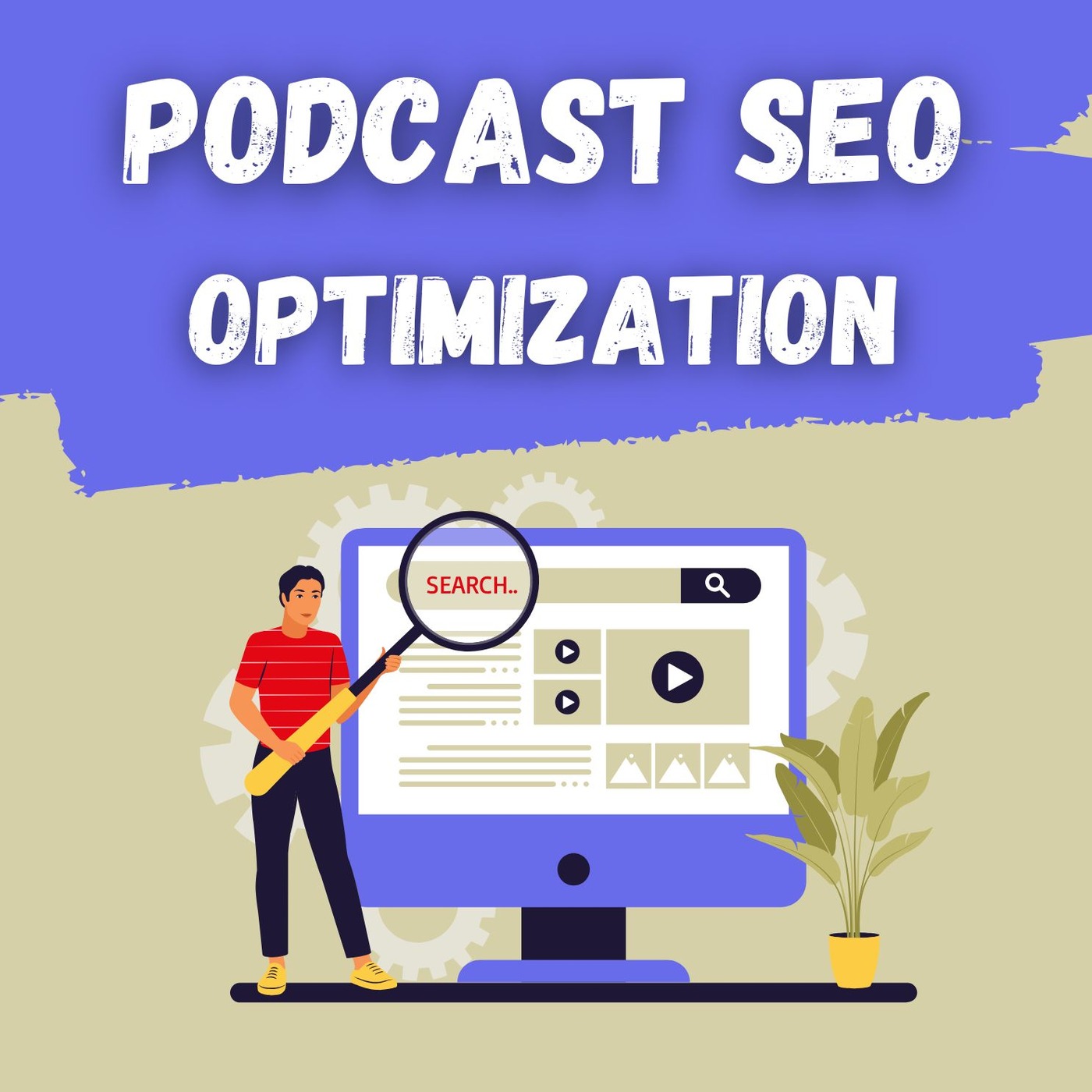
  • Podcast SEO in 2026: How Listeners Find Your Show – PCI 471

    Podcast SEO in 2026: How Listeners Find Your Show – PCI 471

    🔍 Podcast SEO in 2026: How Listeners Find Your Show

    Podcast SEO still matters in 2026, but it’s no longer about gaming algorithms. It’s about clarity, structure, and helping the right listeners find your content across search engines and podcast platforms like Apple Podcasts and Spotify.
    In this episode of Podcast Insider, we break down what actually moves the needle when it comes to podcast discoverability.


    🎧 Podcast SEO Basics (Quick Version)

    Podcast SEO works because platforms rely on written context, not audio alone. That means:

    • Clear show and episode titles
    • Descriptive show notes
    • Clean, accurate RSS feeds
    • Transcripts when possible

    Each episode should stand on its own as searchable content.


    🧠 Keywords, Titles & Show Notes

    • Focus on real listener questions and topics
    • Use natural language, not keyword stuffing
    • Front-load clarity in episode titles
    • Use the first lines of show notes to explain the episode clearly
    • Break descriptions into short sections or bullets

    📝 Transcripts & Your Website

    • Transcripts improve accessibility and search visibility
    • A dedicated podcast page gives you full SEO control
    • Fast load times, mobile-friendly design, and embedded players all help

    📡 Platforms, Reviews & Promotion

    • Keep your RSS feed clean and up to date
    • Choose accurate categories
    • Encourage ratings, reviews, and shares
    • Repurpose episodes across blogs, email, and social media

    📊 Keep Improving

    • Track downloads and listener behavior
    • Review which episodes get discovered most
    • Refresh older titles and descriptions when needed

    Podcast SEO is ongoing—but small improvements add up.


    For the best support, please use our Blubrry ticket system so our full team can help. Join the Blubrry Podcasting Facebook Group for general podcasting discussion.

    Share your feedback at surveys.blubrry.com/podcastinsider.

    Blubrry hosting customers can schedule a one-on-one tech checkup with Mike (mike@blubrry.com)

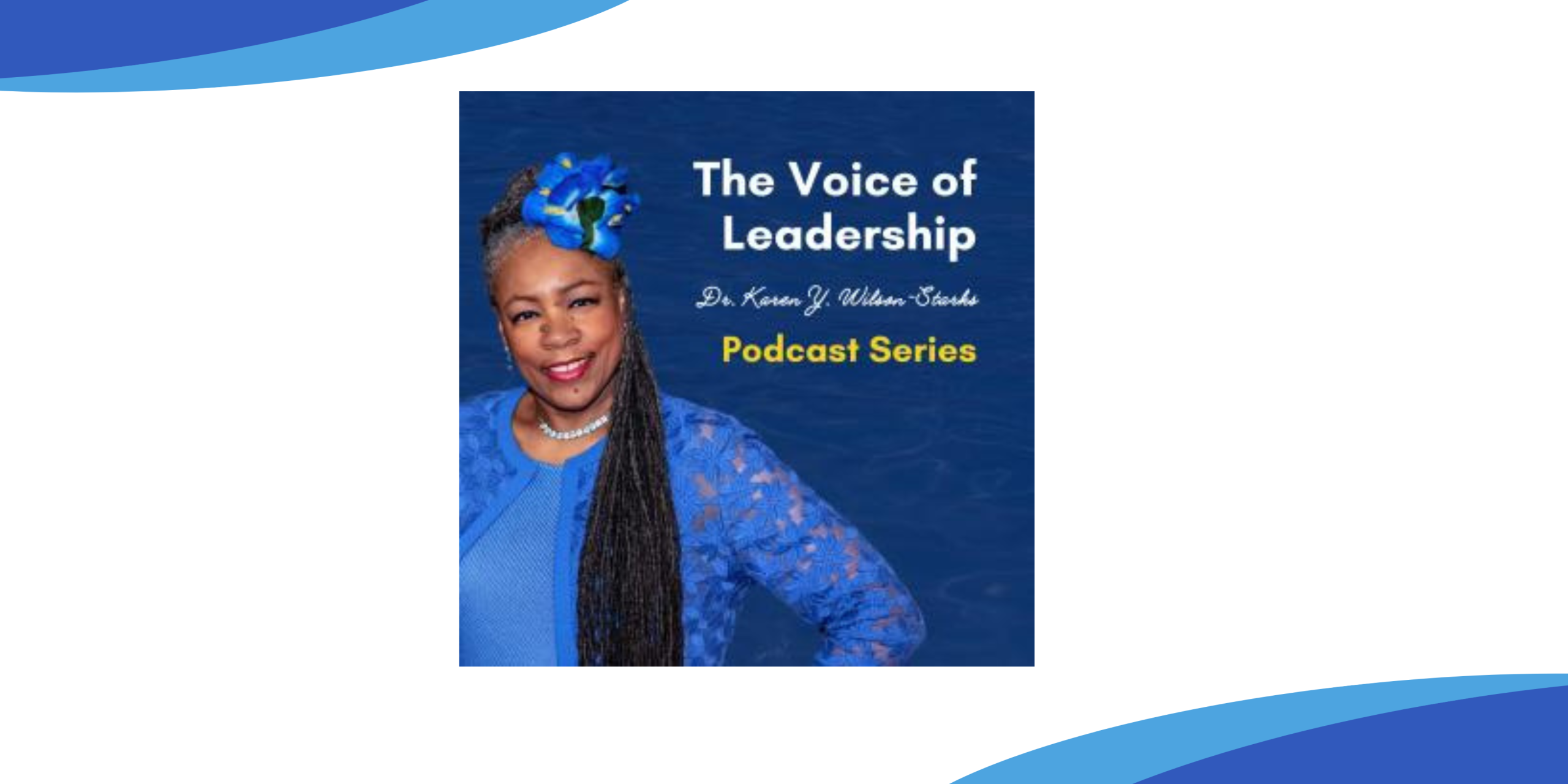
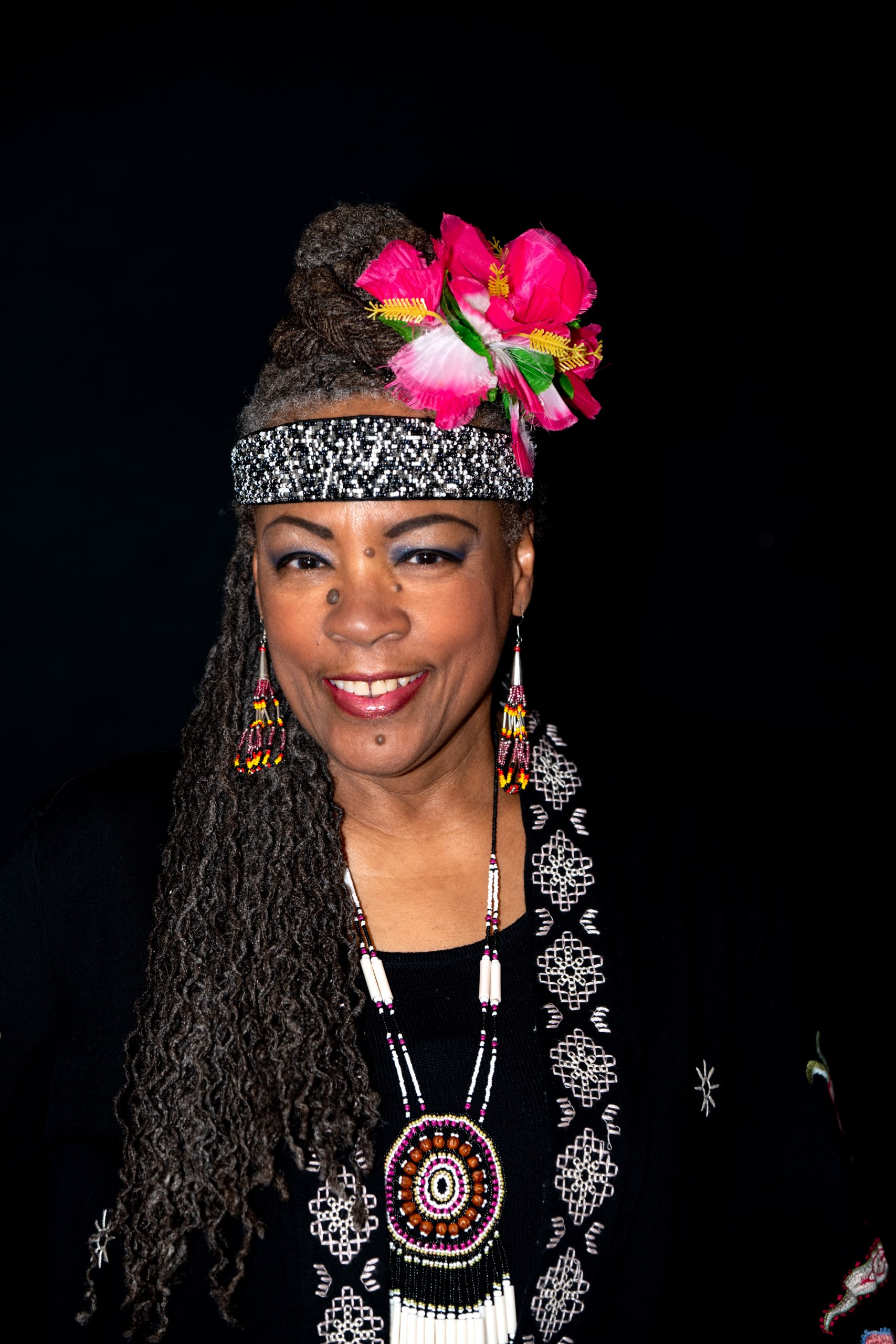
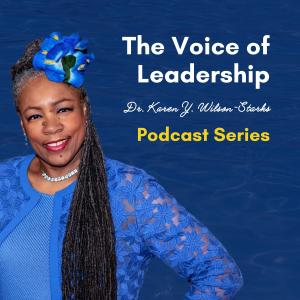
  • A Voice of Leadership with Purpose: Dr. Karen Y. Wilson-Starks

    A Voice of Leadership with Purpose: Dr. Karen Y. Wilson-Starks

    When Dr. Karen Y. Wilson-Starks created The Voice of Leadership, she set out to do more than talk about leadership—she created a platform for principled, purpose-led conversations that inspire and prepare leaders to think clearly, decide wisely, and lead with integrity.

    As the President and CEO of TRANSLEADERSHIP, INC.®, Dr. Wilson-Starks brings more than 30 years of global experience as a trusted advisor to executives across corporate, military, government, nonprofit, and faith-based organizations. Her podcast extends that legacy, offering leaders practical wisdom shaped by real-world experience at the highest levels of decision-making.

    The Mission: Leading from the Inside Out

    At the heart of The Voice of Leadership is a powerful belief: sustainable leadership starts with leading yourself first.

    Each episode explores what it truly means to lead with clarity, courage, and purpose—whether navigating organizational change, building strong executive teams, or creating cultures that are both positive and profitable. Dr. Wilson-Starks combines psychological insight, systems thinking, and leadership strategy to help listeners understand not just what to do as leaders, but who they must become.

    Her approach invites leaders to reflect deeply, act intentionally, and align their decisions with mission, values, and long-term impact.

    Behind the Mic: Experience That Shapes Perspective

    Dr. Karen Y. Wilson-Starks is an award-winning consulting psychologist, executive leadership advisor, and Fellow of the American Psychological Association (APA), recognized for the global impact of her work in consulting psychology. She is the recipient of the RHR International Award for Excellence in Consultation, the highest practice award in her field.

    Her career includes serving as Chief Assessor and Senior Faculty member at the Center for Creative Leadership (CCL), where she served as a senior faculty member and led a team of 70 PhD-level executive coaches supporting leaders across major global organizations.

    Dr. Wilson-Starks also served as an active-duty Army officer and psychologist, with assignments ranging from Clinical Director at the U.S. Military Academy at West Point, to Division Psychologist for the First Infantry Division, and service at Walter Reed Army Medical Center—supporting leaders and teams in some of the most complex, high-stakes environments imaginable.

    This rare combination of corporate, military, and clinical experience brings depth and credibility to every conversation she leads.

    Why It Resonates

    Listeners of The Voice of Leadership describe the show as thoughtful, grounding, and deeply relevant—especially for leaders facing complexity, transition, and responsibility.

    Rather than offering quick fixes or surface-level advice, Dr. Wilson-Starks challenges leaders to slow down, reflect, and lead from a place of purpose. Her calm, insightful presence creates space for meaningful dialogue that supports better decision-making, stronger organizations, and healthier leadership cultures.

    It’s a podcast for leaders who understand that impact is built from the inside out.

    Blubrry’s Podcaster of the Month Spotlight

    Blubrry Podcasting is proud to recognize Dr. Karen Y. Wilson-Starks as a Podcaster of the Month, honoring her commitment to elevating leadership conversations across industries and communities.

    Through The Voice of Leadership, Dr. Wilson-Starks continues to guide leaders toward clarity, integrity, and lasting impact—one powerful conversation at a time.

    🎧 Listen to The Voice of Leadership on your favorite podcast platform and explore what it truly means to lead yourself first.

  • Recap: 2025 Podcasting in the News

     What’s Happening in Podcasting: 2025 Highlights

    • The Growing Market & Shifts in Listener Behavior

    • Podcast audience numbers continue climbing: in 2025, over 584 million people listened to podcasts globally, and consumption habits are shifting. Riverside
    • At the same time, more creators are embracing video podcasts — blending traditional audio with video content, to meet changing listener expectations and platform algorithms. EMARKETER+1
    • The industry forecast remains strong: some estimates project the North American podcast market will expand significantly over the next decade. Yahoo Finance+1

    • Business & Monetization Trends

    • As competition grows, creators and podcast networks are exploring different monetization strategies — from subscriptions and listener support, to sponsorships and multi-format distribution. TechWyse Internet Marketing+1
    • But 2025 hasn’t been smooth for everyone: Wondery — once among the leading podcast studios — underwent major restructuring, with layoffs and integration into broader corporate content teams. The Verge

    • Recognition & Cultural Shifts for Podcasts

    • For the first time ever, Golden Globe Awards introduced a “Best Podcast” category, acknowledging podcasts’ growing influence and mainstream cultural relevance. EW.com+1
    • The move signals a broader shift: podcasts are no longer a fringe medium, but a respected form of entertainment and storytelling on par with film and TV.

    • Platform Moves & Discovery Changes

    • Spotify introduced new podcast-discovery features this year to boost podcasts’ visibility — a sign of how platforms continue to fight for listener attention. TechCrunch
    • Meanwhile, Apple Podcasts dropped its 2025 “Top Charts” and “Top New Shows” lists — giving creators and listeners a fresh look at what’s trending globally and locally. Apple+1

    🎯 What This Means for Independent Creators

    • Visibility matters even more. With major platforms pushing discovery tools and new formats, it’s more important than ever to optimize for search, video distribution, and discoverability.
    • Flexibility is key. As more listeners embrace video or multi-format podcasts, creators who adapt — for example, offering both audio and video versions — may gain a competitive advantage, but that isn’t guaranteed; audio is still special and leading.
    • Diversified monetization can increase resilience. Audiences are expanding, but ad markets and studio budgets are shifting. Relying solely on traditional ad revenue is riskier than ever.
    • Quality and consistency still win. Even with all the noise, creators who deliver regular, high-value content — whether audio, video, or both — remain relevant.
    • Recognition for long-form storytellers and niche creators is growing. With podcasts entering award shows and mainstream entertainment conversations, creators have new opportunities to be discovered and validated beyond listener counts.


    Our favorite shows of 2025:

    Mike  Midlife Pilot Experience

    Dave Worlds Beyond Number

    MacKenzie  Song Exploder

    The best place for support with any Blubrry product or service is our ticket system. Tickets give the whole team access vs. direct emails or calls. General podcasting discussion and more can be shared on the Blubrry Podcasting Facebook group.
    Fill out our listener survey at surveys.blubrry.com/podcastinsider

    Hosting customers can schedule a one-on-one call for a tech checkup with Mike. mike@blubrry.com