
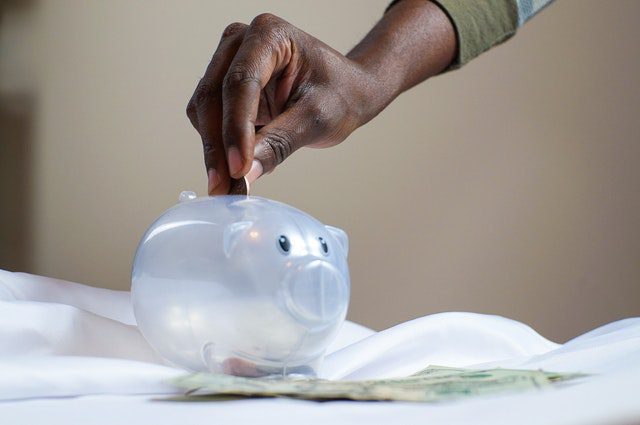
 Why are you podcasting? Is your plan to make lots of money so you can retire from your day job? Or is your podcast all about your passion? Do you want to find other people who love your topic too? Podcasting for money is certainly an option but choosing to not monetize your podcast is a valid choice.
When people find out you’re a podcaster, there are always two reactions from people who know what a podcast is. (Those people who don’t know what a podcast will get to these questions eventually.) One question is “What’s your podcast about?” and the other one is always “Do you make any money with your podcast?”
If people know anything about podcasts, they know that someone is making lots of money. And that’s true -– the big-name podcasters are the ones who are making a lot of money. The amount of money itself is newsworthy. Who else do you know is making $100 million dollars except celebrities?
Podcasting ROI
When you’re podcasting because of love of your topic, the ROI isn’t return on investment, but return on involvement. It is completely okay not to make money with your podcast.
Choosing to produce a podcast and not monetize is a personal decision. Not everything in our lives produces income. Do we charge to ride our bikes? Go hiking? Bake? Play games? There are things we do just out of love, not expecting a financial benefit. Podcasting could be a hobby just as much as gardening or NASCAR.
When you’re producing a podcast without planning to make money from it, it’s likely that you’re looking for your tribe – the people who want or need what you’re providing. A smart option would be to develop a strong social media presence. A Facebook community where your audience can interact with you and each other will add to your success.
Money or Message?
There’s this concept out there that if you truly believe in your message, you don’t need to be paid for it.
Maybe that’s why you’re not monetizing your podcast. You don’t feel that it’s right to capitalize on what you’re sharing. That’s up to you. Whether it’s religion, personal improvement, or commitment to the world, choosing to spread your message without expecting compensation from either sponsors or patrons does make it easier for people to hear you. Instead of putting your content behind a paywall or expecting patronage from your audience, you extend your reach to a wider audience. And to some degree, people give more esteem to the street preacher because the preacher isn’t motivated by money.
Motivation to Monetize Your Podcast
In the end, choosing to not monetize has many benefits. You’ll meet the people who love what you love, who respect you for putting your message out there regardless of financial support, and you will build a platform to impact the world.
We know that podcasting does cost money, and it’s appealing to think that you can regain it with sponsors or patrons, but getting started with monetization may be as simple as putting affiliate links on your podcast website.
What’s an affiliate link?
You’ve seen them on blogs, videos, and podcasts. An affiliate link is a link to a product or service where you get paid for each person who makes a purchase through that link. Amazon has an affiliate program set up, so if you are recommending a product or a book, you can get a commission on the sale. This type of affiliate marketing isn’t limited to just Amazon. Blubrry has its own affiliate marketing program. If you refer them to our platform and they decide to host their podcast our on servers, we’ll be glad to pay you a commission for that sale.
This type of marketing doesn’t depend on the number of downloads you have. Some websites have requirements for sponsorship but will be glad to offer you an affiliate code that you put in your podcast and on your website.
Be sure to read the contract. These links have some limits in how you publish them. But you may find that you can start monetizing your podcast in this one simple way to start.
____________
 Kim Krajci, host of Toastmasters 101 podcast, has been podcasting for 7 years and writing since the creation of the stylus and clay tablets. She also teaches speech and debate and works as a social media manager.
 You have been doing your show for years, week after week after week. And now you have some good ideas for episodes, but they really do not fit with your current show. When is it time to call it a wrap and start a new show?

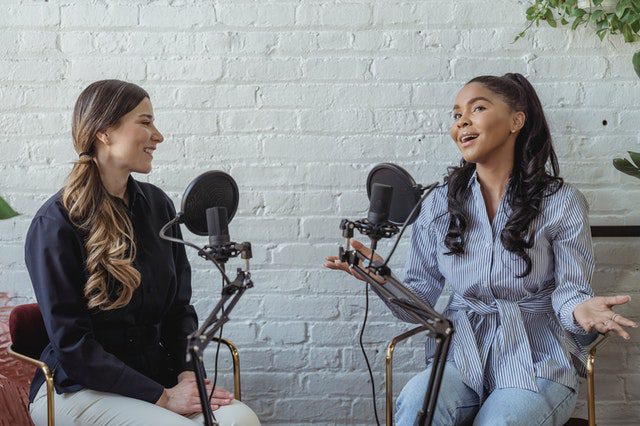
 You want to start a podcast, but you have an inkling of the amount of work it takes. Also, let’s face it, it would be nice to have a conversation with someone instead of having to riff every episode.
 David Day is the co-founder and co-host of Horror Movie Talk Podcast. When he isn’t watching horror movies he is focused on growing the podcast. Listen to his show Horror Movie Talk
 You’ve been podcasting for a while. You’ve got a good amount of episodes in your

 Some creators have been podcasting for close to 15 years, and that is the case with Alan Petersen. Hosting an interview show to chat with thriller authors, he’s interviewed numerous authors and knows that at the end of the day a podcast should be fun.

 Starting a podcast? Want to start a podcast? Stuck on your podcast? We’ve been there. The barriers to podcasting don’t end, they just change over time. These barriers don’t have to be what stops us. Instead, they can be the place where we start to find our voices, our messages and the unique value we bring to our audience.
 Over the past two years, Blubrry has been focused internally on making it easier for you to use our products and services. That focus has provided — and continues to provide — outstanding outcomes and we are now only weeks away from rolling out the first of many updates to our statistics platform. And while these will make everyone in the industry sit back and say, “Wow,” it is only the beginning of what we have planned to help you grow your shows.
 Podcasting since 2005, founder of Blubrry (and RawVoice), now residing in Quincy, MI, Todd spent the majority of the past 25 years in Honolulu, HI with his family.
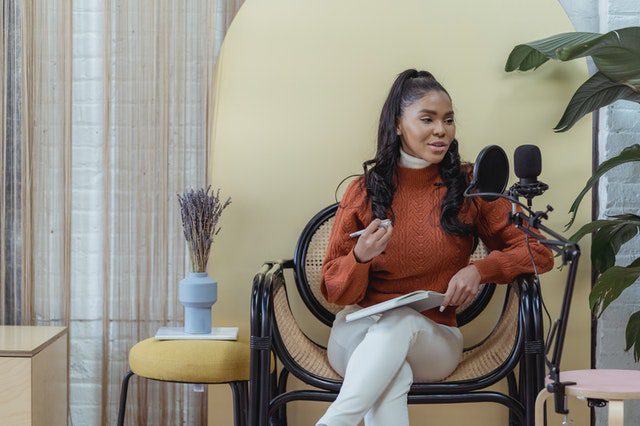
 Appearing on a podcast is exciting. You get to spend an hour or two doing everyone’s favorite pastime, talking about yourself. Hopefully, somewhere in there as well is connecting with the host, sharing your story and inspiring the audience. To make sure you are as prepared as possible and get the most out of your experience, we’ve come up with four quick-and-easy tips to help you become a great podcast guest and knock it out of the pod park every time.

 A
 When we released our new podcast publishing
 The most important thing, to me, is to be true to yourself, and do what makes you happy. Don’t go into podcasting expecting to become famous or rich or awesome. You’re probably already awesome as you are, and those other goals aren’t promised to anyone. So, take a deep breath, figure out what you want to do, do some research — if that floats your boat, get your setup established, and then get to it. Don’t be afraid to try things out, and have it not work. Trying things is how you learn. Ask yourself a million questions. Don’t pigeon-hole yourself. Also, try not to take any advice from bears. Not to bear shame, but — it has always been my experience that they have their own underlying motives that will almost certainly not always line up with what you are trying to do — whatever that is!