
Blog

  • Why Sub-Accounts Make Podcast Teams Easier to Manage

    Why Sub-Accounts Make Podcast Teams Easier to Manage

    Let’s be honest.

    Most podcast teams don’t break because of bad content.

    They break because of access.

    Who can log in.

    Who can publish.

    Who just “checked something” and accidentally changed everything.

    We’ve seen this play out more times than we’d like to admit.

    The Login Everyone Shares (And Regrets)

    It usually starts simple.

    One account.

    One login.

    Shared across the team.

    “Just use this for now.”

    That “for now” turns into months.

    Then one day:

    • Someone uploads the wrong file
    • Someone edits a live episode
    • Someone deletes something they shouldn’t

    And suddenly, nobody knows who did what.

    Because everyone had access.

    Control Gets Messy Fast

    Look, the moment more than one person touches your podcast, things change.

    You’re not just creating anymore.

    You’re managing.

    And most teams don’t adjust to that.

    They keep the same setup they had when it was just one person running the show.

    That’s where things start slipping.

    We Learned This the Hard Way

    We once worked with a small team running three shows under one brand.

    They had a shared login for everything: hosting, website, even analytics.

    At first, it felt efficient.

    Until an episode went live… half-edited.

    Wrong title. Draft description. Missing intro.

    No one owned it. No one caught it.

    Everyone assumed someone else had it handled.

    That’s when it clicked.

    Access without structure isn’t teamwork.

    It’s risk.

    Sub-Accounts Fix What Teams Break

    Here’s the shift.

    Instead of one login for everyone…

    You give each person their own access.

    Not full access. The right access.

    That means:

    • The editor can upload—but not publish
    • The host can review—but not change backend settings
    • The manager can publish—but not accidentally break integrations

    Now suddenly, things are clear.

    Who does what.

    Who touches what.

    Who’s responsible for what.

    And more importantly, what they can’t touch.

    Not Everyone Needs the Keys

    This is where most teams hesitate.

    “But we trust our team.”

    Good.

    This isn’t about trust.

    It’s about structure.

    You don’t give everyone full control of your RSS feed the same way you don’t give everyone access to your bank account.

    Not because they’ll mess it up…

    But because if something goes wrong, you need to know where and how.

    Scaling Without Breaking Things

    This matters more as you grow.

    One show turns into two.

    Two turns into five.

    Then suddenly you’re dealing with:

    • Multiple hosts
    • Editors
    • Guest coordinators
    • Maybe even sponsors or partners

    Now imagine running all that through one login.

    That’s not a system.

    That’s a bottleneck waiting to happen.

    This Isn’t Just Theory

    Look at how networks like Gimlet Media or Wondery operate.

    They’re not sharing one login across the team.

    They have producers, editors, hosts, and publishing teams, all with defined roles and controlled access.

    Because at that level, one mistake doesn’t just affect an episode.

    It affects the entire network.

    Here’s the kicker.

    Smaller teams run into the same problems.

    They just feel it faster, because they don’t have structure yet.

    The Publishing Layer Matters More Than You Think

    Here’s the part people underestimate.

    Your podcast isn’t just audio.

    It’s a system:

    • Your RSS feed
    • Your episodes
    • Your metadata
    • Your distribution

    One wrong change can ripple everywhere: Apple Podcasts, Spotify, all of it.

    And once that’s out?

    Good luck pulling it back cleanly across all the RSS scrapers.

    We’ve seen teams spend hours fixing something that started as a small mistake.

    And it’s not instant.

    Feeds cache. Platforms refresh at different times. Errors stick around longer than you expect.

    If you want to see how strict this layer is, Apple literally documents it.

    So yeah. Access control isn’t optional.

    It’s protection.

    The Invisible Stress Goes Away

    Here’s something people don’t talk about.

    When everyone has full access, there’s this quiet tension in the background.

    “Did someone already update this?”

    “Can I change this, or will it mess something up?”

    So people either:

    • Overstep
    • Or avoid doing anything at all

    Neither works.

    Sub-accounts remove that friction.

    You log in. You see your role. You do your job.

    Done.

    This Isn’t About Tools

    You can have the best hosting platform.

    The cleanest workflow.

    The most organized content calendar.

    None of it matters if the wrong person clicks the wrong thing at the wrong time.

    We’ve seen teams blame tools for problems that were really just access issues.

    Fix the structure first.

    Everything else gets easier.

    The Real Benefit No One Talks About

    It’s not just control.

    It’s accountability.

    When everyone has their own login:

    • You know who published what
    • You know who made changes
    • You know where things went wrong

    And more importantly…

    You know where things went right.

    That’s how you improve.

    Teams That Know Roles Move Faster

    This isn’t just about avoiding mistakes.

    It’s about speed.

    When roles are clear, execution gets faster.

    Less back-and-forth. Less second-guessing. Less waiting.

    Even outside podcasting, this shows up everywhere.

    Research from Harvard Business Review shows that teams with clearly defined roles perform better because they reduce confusion and decision friction.

    Same thing here.

    If your podcast team is guessing who owns what…

    You’re already slower than you should be.

    So What’s the Actual Shift?

    Stop thinking:

    “One account for the team”

    Start thinking:

    “A system for the team”

    Because once you separate access, roles, and responsibility…

    Everything becomes clearer.

    Faster.

    Safer.


    Final Thoughts

    Most teams don’t think about this until something breaks.

    An episode goes out wrong.

    A setting gets changed.

    Something disappears.

    Then it becomes urgent.

    But by then, you’re reacting.

    Not building.

    So here’s the real question:

    Are you setting your podcast up to run smoothly…

    Or just hoping nothing goes wrong?

    Because those are two very different approaches.

  • Managing a Podcast Team Without Losing Control

    Managing a Podcast Team Without Losing Control

    Let’s get this out of the way.

    Building a podcast team sounds like the upgrade.

    A producer to keep things moving.
    An editor to clean it up.
    A host to carry the show.
    Someone booking guests.

    On paper, it feels like you’ve got everything covered.

    That’s the pitch.

    Reality?

    Dead air between decisions.
    Episodes stuck in editing.
    Guests booked for the wrong direction.
    And a host wondering what the show is even about this week.

    We’ve seen this play out more times than we can count.

    Too Many Cooks, No Showrunner

    Here’s where it usually breaks.

    Nobody owns the show.

    Everyone contributes. Nobody decides.

    And that sounds collaborative… until you’re stuck in a Slack thread debating episode titles for two days while your release schedule quietly dies.

    Look, a podcast isn’t a group project.

    It needs a showrunner. Someone who can say, “This is the direction,” and move things forward without asking for five approvals.

    Without that?

    You don’t have a podcast.

    You have a committee.

    They Learned It the Hard Way

    A few years back, we saw a branded podcast with a small team—host, producer, content lead, plus two people from marketing who “just wanted to be involved.”

    Bad sign already.

    At first, it felt productive. Everyone had input. Ideas were flying.

    Then came episode three.

    They had three outlines.

    Two different tones.

    One confused host asking, “So… what are we actually talking about?”

    They shipped it anyway.

    It flopped.

    Not because the content was bad. It just didn’t feel like anything. No identity. No spine.

    That’s when it clicked.

    More people didn’t make it better.

    It made it diluted.

    Control Isn’t the Enemy

    There’s this weird idea that structure kills creativity.

    No.

    Lack of structure kills consistency.

    And consistency is the only thing that builds an audience.

    You can’t grow a show if every episode feels like a different experiment.

    You need guardrails.

    Not to limit the team—but to keep the show recognizable.

    Decide Once. Not Every Week.

    Here’s a mistake most people kept making.

    Re-deciding things they already decided.

    Format. Tone. Episode length. Audience.

    Every meeting turned into a reset.

    “Should this be more casual?”

    “Should we try something different this week?”

    Stop.

    Make those decisions once.

    Write them down. Stick to them.

    Because every time you revisit the basics, you slow everything down—and your audience feels that inconsistency immediately.

    Access Is Not Ownership

    This one’s subtle, but it matters.

    Just because someone can upload an episode… doesn’t mean they should control the feed.

    We’ve seen teams hand out backend access like it’s nothing.

    Next thing you know, someone renames an episode, changes the description, or uploads a draft version to your live RSS feed.

    And once that hits Apple or Spotify?

    Good luck cleaning it up across all the RSS scrapers.

    Your feed is your distribution engine. Treat it like it matters.

    Because it does.

    The Invisible Mess Behind the Mic

    From the outside, a team podcast can look polished.

    Clean audio. Strong guests. Consistent drops.

    Behind the scenes?

    Absolute chaos.

    Google Docs everywhere.

    Multiple versions of the same script.

    Feedback coming in at random times from people who weren’t even part of the original plan.

    Sound familiar?

    Here’s the kicker.

    Listeners can feel that chaos—even if they don’t know why.

    It shows up as hesitation. Lack of clarity. Weird pacing.

    That’s not a production issue.

    That’s a team issue.

    Not Everyone Needs a Voice

    This one usually gets pushback.

    “But we want everyone involved.”

    Cool.

    Do they all need to be on the mic?

    Because those are two different things.

    Some people are better behind the scenes—research, prep, booking guests, shaping the narrative.

    Putting everyone on the mic just because they’re part of the team?

    That’s how you lose focus fast.

    And focus is everything.

    The Revenue Side Gets Messy Fast

    Now let’s talk about the part nobody wants to say out loud.

    Money.

    Or the lack of it.

    The moment a team podcast starts getting traction, the revenue grind shows up—DAI deals, baked-in ads, sponsorship conversations.

    And suddenly:

    “Who owns this?”

    “How do we split it?”

    “Who decides what deals we take?”

    If you didn’t define that early, it gets awkward.

    Fast.

    We’ve watched solid teams fall apart over this.

    Not because of greed.

    Because of confusion.

    Meetings Won’t Fix This

    More meetings won’t save a messy podcast.

    Clear roles will.

    Defined ownership will.

    A simple system will.

    You don’t need another call to “align.”

    You need fewer decision-makers and clearer boundaries.

    So… How Do You Keep Control Without Killing the Team?

    You don’t control everything.

    You control the direction.

    There’s a difference.

    Let the team contribute ideas, prep, execution.

    But the final call?

    That has to sit with one person.

    Otherwise, every episode becomes a negotiation.

    And that’s not sustainable.

    The Real Trade-Off

    Here’s the question nobody asks upfront:

    Do you want a collaborative process…

    or a growing podcast?

    Because you can have both—but only if someone is willing to lead.

    Not manage.

    Lead.

    Make decisions. Hold the line. Protect the show.


    What This Actually Comes Down To

    A team podcast doesn’t fail because of talent.

    It fails because of blurred lines.

    Too many opinions. Not enough direction.

    Too much access. Not enough ownership.

    And the worst part?

    Most teams don’t even realize it’s happening until the show starts slipping.

    Fewer downloads. Slower production. Less excitement.

    Then someone says, “Maybe we just need better topics.”

    No.

    You need structure.

    Because without it, you’re not running a podcast.

    You’re just reacting every week and hoping it works.

  • How to Turn Your Podcast Into a Long-Term Growth Engine

    How to Turn Your Podcast Into a Long-Term Growth Engine

    Most podcasts don’t fail. They stall.

    Big difference.

    They don’t crash and burn. They just… sit there. A few episodes in, maybe some early traction, then nothing moves.

    We’ve seen this a thousand times.

    People think growth comes from more content. More episodes. More clips. More posts.

    It doesn’t.

    It comes from direction.

    And if you look at actual listener behavior, it makes sense. According to Edison Research’s Infinite Dial, podcast listeners are intentional. They choose what to listen to. They don’t just randomly stick around unless something pulls them in.

    That “something” isn’t more content.

    It’s structure.

    Stop thinking in episodes

    Here’s the first shift.

    Your podcast is not a collection of episodes.

    It’s a system.

    Or at least, it should be.

    Because if every episode is doing its own thing, chasing its own idea, trying to stand alone… then nothing compounds.

    No momentum. No buildup. No reason for someone to stick around beyond a single listen.

    And that’s the problem.

    Growth doesn’t happen episode by episode.

    It happens when everything connects.

    The day it stopped working

    We remember this clearly.

    We had a show that was doing “fine.” Decent downloads, good guests, solid feedback. On paper, it looked like it should grow.

    But it didn’t.

    We tried everything. Better titles. Different formats. Even tweaked the intro music like that was going to change anything.

    Nothing.

    Then someone emailed us and said, “I like your show, but I don’t know where to go after the first episode.”

    That was it.

    No path.

    We were building content, not a journey.

    Growth comes from what happens next

    Not the first play.

    Not the click.

    What happens after.

    Do they keep listening?

    Do they move to another episode?

    Do they start recognizing your voice, your patterns, your thinking?

    Because here’s the kicker.

    If someone listens once, you have attention.

    If they listen five times, you have influence.

    And there’s data behind that. Nielsen’s podcast insights show that podcast listeners often consume content in longer sessions compared to other formats.

    That’s binge behavior.

    That’s where growth lives.

    Most people are chasing the wrong thing

    Downloads.

    Always downloads.

    We get it. It’s the easiest number to look at. It feels like progress.

    But downloads don’t mean much if no one comes back.

    We’ve seen shows with thousands of plays per episode that don’t convert into anything real. No business. No audience loyalty. Just numbers.

    And we’ve seen small shows, really small, turn listeners into clients, partners, opportunities.

    Why?

    Because they built trust.

    The engine you didn’t build

    Let’s call it what it is.

    A growth engine isn’t about traffic. It’s about movement.

    Episode to episode. Listener to listener. Content to outcome.

    If your podcast doesn’t guide people somewhere, it’s not an engine.

    It’s a collection.

    And collections don’t grow.

    You don’t need more content

    You need connection.

    Between episodes.

    Between ideas.

    Between you and the listener.

    “This ties back to what we talked about last week.”

    “Next episode, we’re going deeper into this.”

    Simple lines. But they matter.

    They create continuity.

    Without that, every episode feels like a dead end.

    Let’s talk about the revenue grind

    Look, no one says it out loud, but most people start a podcast because they want it to lead somewhere.

    Leads. Clients. Sales. Something.

    But here’s where it falls apart.

    They start thinking about cashing in too early.

    Running ads before there’s an audience. Thinking about DAI or baked-in spots when there’s barely any consistent listenership.

    We’ve seen people set up full monetization systems for shows getting 50 downloads.

    That’s not strategy. That’s impatience.

    The real money doesn’t come from ads early on.

    It comes from trust.

    From someone listening enough times to think, “Okay, these people know what they’re talking about.”

    That’s when doors open.

    And if you’re wondering whether podcasting actually drives revenue long-term, it does—but not instantly. The IAB Podcast Advertising Revenue Study shows steady growth in podcast-driven revenue year after year.

    But that growth is built on consistency and audience loyalty.

    Not shortcuts.

    The quiet signals that it’s working

    You won’t see it in your dashboard right away.

    It shows up differently.

    Someone references your episode on a call.

    A listener emails you about something you said weeks ago.

    You get a message that starts with, “I’ve been listening for a while…”

    That’s it.

    That’s the engine starting to move.

    Most podcasts are built to start, not to last

    That’s the truth.

    They’re built around excitement, not structure.

    Around ideas, not systems.

    And when the excitement fades, there’s nothing holding it together.

    So it slows down.

    Then it stops.

    So how do you actually build this thing?

    Not with a full overhaul.

    Not with a rebrand.

    You start asking better questions.

    If someone finds your podcast today, what happens next?

    Is there a clear path?

    Do your episodes build on each other?

    Is there a reason to stay?

    And even outside podcasting, this behavior is consistent. According to HubSpot’s conversion research, people are far more likely to take action when the path is clear and simple.

    Same idea here.

    Clarity drives action.


    One last thought

    A growth engine doesn’t feel bigger.

    It feels smoother.

    Easier to follow. Easier to stay. Easier to trust.

    And that’s the part most people miss.

    They’re trying to grow by adding more.

    When they should be fixing what’s already there.

    Because when it works, you don’t need to push it.

    It starts pulling people in on its own.

  • Build Your Own Podcast Network — Now Available to All Blubrry Hosting Customers

    Build Your Own Podcast Network — Now Available to All Blubrry Hosting Customers

    Podcast networks used to feel like something only major media brands could build.

    Today, independent creators, businesses, educators, nonprofits, and growing podcast teams are creating their own networks — bringing multiple shows together under one shared website, one mission, or one recognizable brand.

    Now, Blubrry is making that easier than ever. 👉 View the Podcast Network Tool

    With the latest update to PowerPress, the Podcast Network tool is now available to all Blubrry hosting customers. Previously associated with higher-tier plans, this feature is now included so more podcasters can build something bigger than a single show.

    That means if you host with Blubrry, you can now create a professional network website that showcases multiple podcasts from one central hub.

    What Is a Podcast Network Website?

    A podcast network website is a single website that promotes multiple podcasts together.

    Instead of every show living separately with no connection, your website can become a central destination where listeners discover all the podcasts in your ecosystem.

    This can be useful for:

    • A creator with multiple podcasts
    • A business with shows for different audiences
    • A creator community supporting each other
    • A local media group with several niche podcasts
    • An organization featuring multiple voices or departments
    • A growing brand expanding beyond one show

    The goal is simple: make discovery easier for listeners and growth easier for creators.

    One Website, Multiple Shows

    The PowerPress Network Website tool helps turn your WordPress site into a home base for all your podcasts.

    Your network website can showcase:

    • A branded homepage for your network
    • A list of all podcasts in the network
    • Podcast artwork and show descriptions
    • Direct links to listen or subscribe
    • Easy navigation between shows
    • A professional destination for listeners, sponsors, and partners

    Instead of sending audiences to multiple disconnected places, you can bring everything together under one roof.

    Your Shows Do Not Need to Be Hosted With Blubrry

    One of the most valuable parts of this tool is its flexibility.

    The podcasts featured on your network website do not all need to be hosted with Blubrry.

    That means you can create a network page that includes:

    • Blubrry-hosted podcasts
    • Shows hosted on other platforms
    • Partner podcasts
    • Client podcasts
    • Community creator podcasts
    • Legacy shows from older systems

    If a show has a valid podcast feed, it can be part of your larger network strategy.

    This gives you the freedom to build the creator ecosystem you want — without forcing every show onto the same host.

    Why This Is Powerful for Podcasters

    Many podcasters eventually outgrow the “one show only” mindset.

    You may want to launch:

    • A second show in a new niche
    • Seasonal bonus content
    • A business companion podcast
    • A spin-off with a co-host
    • A community creator lineup
    • A full content brand with multiple voices

    The Network Website tool helps you grow naturally when those opportunities arrive.

    Instead of starting from scratch each time, you can add new shows to a network that already has momentum.

    Better for Listeners Across All Shows

    This update benefits listeners just as much as creators.

    When someone enjoys one of your podcasts, there’s a strong chance they’ll enjoy another show connected to the same style, topic, or mission.

    A network website makes that discovery easier.

    Listeners can:

    • Find more shows they’ll likely enjoy
    • Stay inside your brand ecosystem longer
    • Explore creators they already trust
    • Subscribe to multiple shows in one visit
    • Feel more connected to your overall community

    Instead of ending the relationship after one podcast, you create more ways for listeners to stay engaged.

    Built on WordPress With PowerPress

    Because this tool works through PowerPress, your network can be built on your own WordPress website.

    That means:

    • You own the website
    • You control the branding
    • You manage the experience
    • You choose which shows to feature
    • You grow on your terms

    PowerPress has long helped creators publish podcasts directly from WordPress, maintain ownership of their RSS feeds, and build stronger discoverability through their own sites.

    Why This Matters Now

    Podcasting continues to mature.

    Creators are no longer just launching shows — they’re building communities, brands, and media ecosystems.

    The podcasters who think beyond one feed often create stronger long-term opportunities for monetization, collaboration, and audience loyalty.

    Now more Blubrry customers can start building that future earlier.

    Start Building Your Podcast Network

    If you’re already hosting with Blubrry, the Podcast Network Website tool is now available to you.

    Whether you manage two shows or twenty, you now have a smarter way to organize your podcasts, showcase creators, and help listeners discover more.

    Because sometimes the best way to grow a podcast…

    …is to grow a network of them.

    👉 Explore the Podcast Network Tool

  • Can Your Podcast Grow Your Business?

    Can Your Podcast Grow Your Business?

    Lets stop pretending.

    Yes… but not the way most people think.

    That’s the honest answer.

    We’ve seen too many business owners start a podcast thinking it’s going to magically bring in leads, close deals, and somehow turn into this passive revenue machine.

    Then three months later?

    Silence.

    No traction. No ROI. Just a bunch of episodes sitting there.

    So what went wrong?

    It’s not a marketing channel first

    Here’s the part people don’t like hearing.

    Your podcast is not a sales tool.

    At least not at the start.

    It’s a trust builder. A credibility engine. A long game.

    Look, people don’t listen to podcasts to get pitched. They listen because they’re trying to learn something, solve something, or just feel like they’re not the only one figuring things out.

    And the moment your show feels like a funnel?

    They’re out.

    And this isn’t just a gut feeling. Listener behavior backs it up. According to Edison Research, podcast listeners are highly engaged, but they choose content intentionally they’re not passively consuming whatever shows up.

    Which means if you lose their trust early, you don’t get a second shot.

    The weird call we still remember

    We once spoke with a business owner, smart guy, solid offer, knew his stuff.

    He launched a podcast and within five episodes, he was already talking about running ads, setting up funnels, pushing listeners to book calls.

    We asked him one simple question:

    “How many people are actually listening right now?”

    He paused.

    “Uh… like 30.”

    Exactly.

    Thirty people.

    And he was trying to optimize conversions like he had an audience of 10,000.

    That’s the disconnect.

    Audience first. Always.

    You don’t get to cash in if no one’s paying attention.

    And attention doesn’t come from having a podcast.

    It comes from having something worth coming back to.

    We’ve said this before and we’ll say it again, growth isn’t about getting listeners. It’s about what those listeners do next.

    Do they stick around?

    Do they binge?

    Do they start trusting you?

    Because that’s where business actually starts.

    And there’s real data behind that. According to Podgagement, podcast listeners are far more likely to stay engaged for longer sessions compared to other content formats.

    That’s your advantage, if you use it right.

    The shows that actually drive revenue

    They don’t sound like ads.

    They don’t even sound like marketing.

    They sound like someone who knows what they’re talking about… and isn’t trying too hard to prove it.

    That’s the difference.

    We’ve seen shows with small audiences bring in real business, not because of volume, but because of alignment.

    Right audience. Right message. Right timing.

    You don’t need thousands of downloads.

    You need the right hundred people.

    And if you’re wondering whether podcasting even moves money, the answer is yes, but not in the way people expect. The shows consistent growth in podcast-driven revenue, but that’s built on audience trust and consistency, not quick wins.

    The trap: chasing downloads

    Here’s where most people mess it up.

    They start tracking downloads like it’s the only thing that matters.

    Refresh. Refresh. Refresh.

    Meanwhile, they’re ignoring the bigger question:

    “Is this actually helping my business?”

    Because downloads don’t pay you.

    People do.

    And people don’t convert just because they listened to one episode.

    They convert because they trust you.

    That takes time.

    Even conversion research outside podcasting proves this. According to HubSpot, too many choices and premature CTAs actually reduce action. People need clarity and trust before they move.

    Same applies here.

    This is where it starts working

    There’s a shift that happens.

    It’s subtle at first.

    Someone mentions your podcast on a call.

    A client says, “I’ve been listening to your episodes.”

    You get an email referencing something you said three weeks ago.

    That’s when you know.

    The podcast is doing its job.

    Not loudly. Not instantly.

    But effectively.

    Let’s talk about the revenue grind

    Yeah, you can run ads later.

    DAI, baked-in, sponsorships, all of that comes into play once you have consistent listenership.

    But that’s not where most business podcasts make their money.

    They make it through:

    Conversations → Relationships → Clients

    That’s the path.

    Not:

    Episode → CTA → Sale

    Big difference.

    So… can your podcast grow your business?

    Yes.

    But only if you stop treating it like a shortcut.

    It’s not there to replace your sales process.

    It’s there to make it easier.

    Warmer leads. Better conversations. Less convincing.

    Because by the time someone reaches out, they already know you.

    They’ve heard you.

    They trust you.


    One last thing

    If your podcast disappeared tomorrow…

    Would it impact your business?

    Would anyone notice?

    Would it change how people see you?

    If the answer is no, that’s where to start.

    Not with more episodes.

    Not with better gear.

    But with a clearer role for your podcast in your business.

    Because when it’s done right, it’s not just content.

    It’s leverage.

  • Podcast Workflow for Consistency

    Podcast Workflow for Consistency

    podcast-workflowYou don’t have a motivation problem
    You have a workflow problem.

    Many podcasters quit early due to inconsistency, not lack of ideas

    We’ve seen this a thousand times—someone starts a podcast, drops 3–5 episodes, maybe even hits a groove… then disappears. Not because they ran out of ideas. Not because they weren’t talented.

    They just couldn’t keep up.

    Consistency isn’t about discipline. It’s about having a system that doesn’t fall apart the moment life gets busy.

    The week everything almost fell apart

    Let’s be real for a second.

    Years into podcasting, we hit a wall. Publishing weekly, doing everything—recording, editing, writing show notes, uploading, dealing with RSS hiccups, all of it.

    One missed episode.

    Then another.

    Then overthinking every release. Downloads dipped. Everything started feeling off. It wasn’t the show—it was the workflow.

    Stop treating every episode like it’s special

    This one stings.

    Every episode does not need to feel like a masterpiece.

    If we’re constantly reinventing the process—new format, new outline, new editing style—we’re setting ourselves up to burn out. Fast.

    What works? Repetition.

    Same structure. Same segments. Same flow.

    Think of it like a show, not a one-off project. Even the biggest podcasts out there? They’re running tight systems behind the scenes.

    That’s why they don’t miss.

    Batch or fall behind

    We can try to wing it every week. Most people do.

    And most people quit.

    Batching isn’t exciting. Recording 2–3 episodes in one go doesn’t feel creative. But scrambling the night before a release? That’s worse.

    Here’s the kicker—momentum doesn’t come from inspiration. It comes from stacking work ahead of time.

    Record ahead. Edit ahead. Schedule ahead.

    Give yourself breathing room.

    Your real workflow isn’t what you think it is

    People say their workflow is:

    “Record → Edit → Publish”

    That’s just the surface.

    The real workflow includes:

    • How long it takes to start recording
    • How often editing gets delayed
    • How messy file organization is
    • How many steps it takes just to publish one episode

    All the little friction points? That’s what kills consistency.

    Fix those.

    Tools don’t save you—but bad ones will slow you down

    We all like good tools. Hosting platforms, DAI setups, analytics dashboards—they help.

    But let’s not pretend tools solve everything.

    Switching platforms won’t fix inconsistency.

    But using clunky tools that make publishing harder? That’ll absolutely slow everything down.

    The workflow should feel smooth. If uploading an episode feels like a chore every time, something’s off.

    The 80% rule nobody talks about

    Not every episode needs to be perfect.

    80% is enough.

    Clean audio. Clear message. Done.

    There’s no need to obsess over every cut, every pause, every tiny detail. Most listeners won’t notice. The ones who do care more about the message than the polish.

    Perfection is where podcasts go to die.

    Consistency builds trust (and yeah… money too)

    Let’s be honest.

    You can’t really start cashing in if you’re inconsistent.

    Sponsors don’t trust it. Listeners don’t rely on it. Even the data becomes messy and hard to read.

    Want to run DAI later? Want baked-in ads that actually perform?

    Then show up. Regularly.

    That’s the baseline.

    So what actually works?

    Simple system.

    Not easy—but simple.

    Record on the same day.

    Edit within 24–48 hours.

    Schedule before even thinking about the next episode.

    Repeat until it feels automatic.


    One last thing

    You don’t need more ideas.

    You don’t need better gear.

    You don’t need a bigger audience—yet.

    You need a workflow that holds up on your worst week.

    Because that’s the week that decides whether the podcast survives.

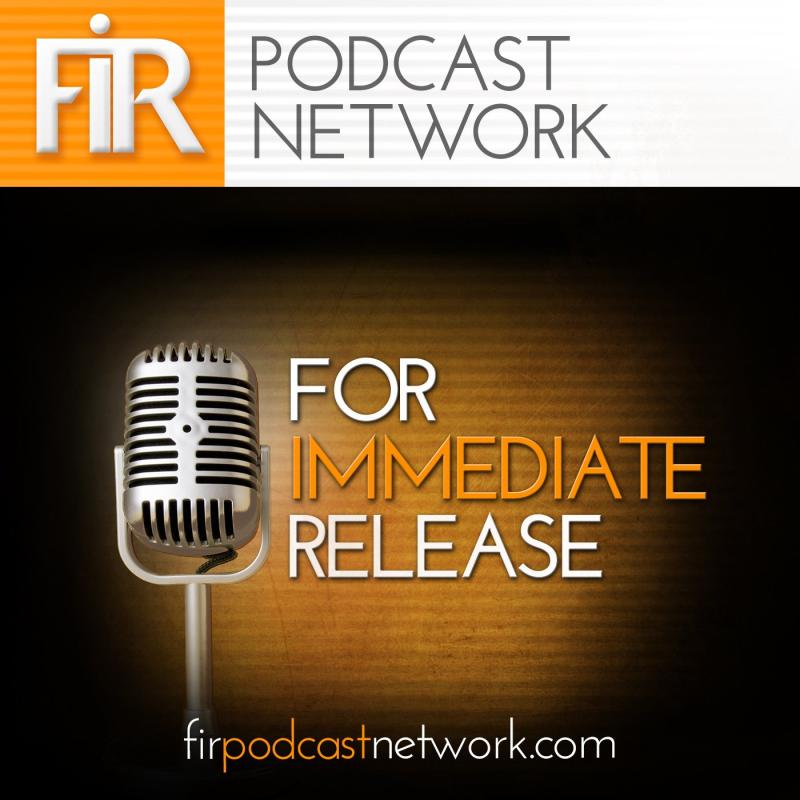
  • Real Conversations on Communication and Tech: The FIR Podcast Network

    Real Conversations on Communication and Tech: The FIR Podcast Network

    Long before podcasting became what it is today, before apps, before easy distribution, before anyone thought about downloads or analytics,there were a handful of people experimenting with what this medium could become.

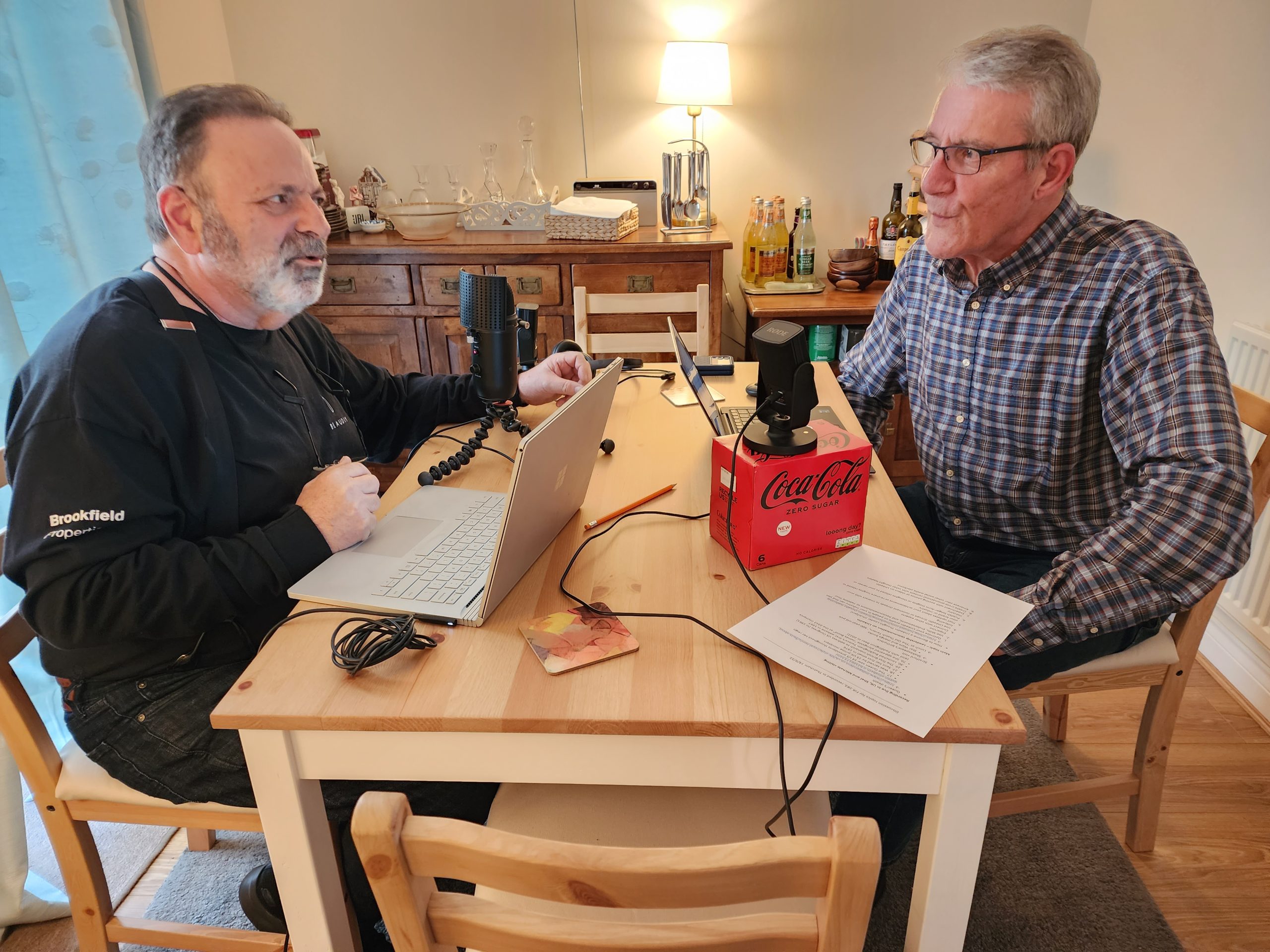
    Neville Hobson and Shel Holtz were two of them.

    When they launched For Immediate Release in early 2005, they weren’t chasing an audience. They weren’t building a brand. They were trying to understand a new way to communicate,and share that understanding with others.

    What started as curiosity turned into something much bigger.

    Today, that same spirit lives on through The FIR Podcast Network.

    The Beginning: Before Podcasting Was “Podcasting”

    Back in 2004, podcasting barely existed.

    No iTunes support. No smartphones. No real discovery. Just a small group of people figuring things out as they went.

    Neville, based in The Netherlands at the time, and Shel, in Northern California, saw an opportunity,not to capitalize on a trend, but to learn it.

    Both were already deeply involved in communication and consulting. They understood how fast the industry was evolving, and they knew this new format could change how people shared ideas.

    So they started a podcast.

    Not perfectly. Not with a roadmap.

    Just with a purpose.

    A Show That Grew With the Industry

    The first episode of For Immediate Release went live on January 3, 2005,joining only a few hundred podcasts in existence at the time.

    Since then, a lot has changed.

    The format evolved. The schedule shifted. The length adjusted. Technology improved. Neville relocated back to the UK.

    But the core idea never changed.

    Each month, Neville Hobson and Shel Holtz explore how communication, technology, and business continue to evolve,and what that means for the people working in those spaces.

    And it’s not just long-form episodes.

    The FIR Podcast Network also includes shorter reports and discussions throughout the month, reacting to trends, breaking down news, and sharing insights as things happen.

    The Focus: Where Communication Meets Technology

    At its core, The FIR Podcast Network isn’t about chasing headlines.

    It’s about understanding them.

    Each episode takes a closer look at how shifting technologies and changing behaviors impact organizations and communication professionals today.

    From digital transformation to emerging tools, from workplace changes to evolving audience expectations,the conversations stay grounded in real-world impact.

    And that’s what makes it valuable.

    It’s not just information.

    It’s perspective.

    Built on Consistency and Curiosity

    More than two decades in, one thing stands out.

    Consistency.

    Not just in publishing,but in purpose.

    Neville and Shel didn’t stick around this long by accident. They kept showing up, adapting when needed, and staying curious about where communication is heading next.

    They didn’t try to chase every trend.

    They focused on what mattered,and kept building from there.

    Why It Resonates

    Podcasting today looks nothing like it did in 2005.

    But the fundamentals haven’t changed.

    People still come for insight. For clarity. For conversations that help them make sense of what’s happening around them.

    That’s exactly what The FIR Podcast Network delivers.

    In a space that often moves fast and forgets quickly, FIR continues to provide thoughtful, steady analysis,grounded in experience and shaped by years of watching the industry evolve.

    Blubrry’s Podcaster of the Month Spotlight

    Blubrry Podcasting is proud to recognize The FIR Podcast Network as our Podcaster of the Month, celebrating Neville Hobson and Shel Holtz for their pioneering role in podcasting and their continued commitment to meaningful conversations.

    More than 20 years later, they’re still doing what they set out to do from the start:

    Learning, sharing, and helping others make sense of a changing world,one episode at a time.

    🎧 Listen to The FIR Podcast Network with Neville Hobson and Shel Holtz and discover how meaningful conversations can shape the way we understand communication, business, and technology.

  • How to Structure a Podcast for Long-Term Growth

    How to Structure a Podcast for Long-Term Growth

    Let us save you a year.

    Your podcast isn’t growing because it has no structure.

    Not because of your mic.

    Not because of your host.

    Not because “the algorithm hates you.”

    Structure.

    That’s the thing no one wants to fix because it’s not sexy.

    This Is Where They Messed It Up

    Early on, we observed someone that has a show and he was convinced it would take off.

    Good guests. Solid downloads. People even emailed him saying they loved it.

    And still… flatlined.

    One listener actually replied to his newsletter and said, “I like your show, but I never know where to start.”

    That one stung.

    Because he was right.

    He built episodes. He didn’t build a path.

    People Don’t “Follow” Podcasts the Way You Think

    Look, listeners don’t behave like subscribers on a blog.

    They don’t politely wait for your next drop.

    They go all in… or they disappear.

    And when they stay, they really stay. Research from Nielsen shows podcast listeners are highly engaged, often listening in longer sessions than other types of content.

    Someone finds your show, hits play, and within 20 minutes decides:

    “Am I sticking with this?”

    And if the answer is yes?

    They binge.

    If the answer is “eh”… you’re done.

    So the real question is:

    What happens after Episode One?

    The Random Episode Trap

    We’ve seen this a thousand times.

    Creators treat their podcast like a dumping ground for ideas.

    One week it’s a solo episode.

    Next week it’s an interview.

    Then a trend reaction.

    Then something completely off-topic because “it felt right.”

    That’s not strategy.

    That’s improvising in public.

    And yeah, it might feel creative.

    But to a listener?

    It feels like work.

    Nobody Wants to Work to Listen to You

    Harsh, but true.

    If we have to figure out which episode to play next, we won’t.

    We’ll go find a show that makes it easy.

    That’s your real competition, by the way.

    Not other podcasters.

    Friction.

    Give Me a Reason to Keep Going

    You know what works?

    Continuation.

    Not in some overproduced, cinematic way.

    Just… connection.

    “This builds on what we talked about last episode.”

    “Next episode, I’m breaking this down further.”

    That’s it.

    Now I have a reason to stay.

    Without that?

    Every episode feels like a dead end.

    The Binge Factor Is Everything

    Here’s the part most people underestimate.

    Growth doesn’t come from new listeners.

    It comes from what those listeners do next.

    Do they listen to one episode?

    Or five?

    Or ten?

    That difference is your growth curve.

    Not your social posts. Not your clips. Not your ads.

    Binge behavior.

    That’s the game.

    Your First 60 Seconds Are Carrying Too Much Weight

    We skip intros. Everyone does.

    If you spend 45 seconds warming up, thanking people, teasing nothing…

    We’re gone.

    We’ve literally dropped shows mid-sentence because we could feel the rambling coming.

    You don’t get patience anymore.

    You get a shot.

    Use it.

    “But My Content Is Good”

    We hear this all the time.

    And yeah, it probably is.

    That’s not the issue.

    Good content in a bad structure still loses.

    It’s like handing someone a great book with the chapters out of order.

    Technically valuable.

    Practically useless.

    The One Thing Most Shows Refuse to Do

    Commit.

    That’s it.

    Commit to a direction long enough for it to work.

    Everyone wants flexibility.

    “I don’t want to box myself in.”

    “I want to talk about different things.”

    Cool.

    Just don’t expect growth to follow that.

    Because audiences don’t rally around randomness.

    They rally around clarity.

    Let’s Talk About CTAs (Yeah, I Know…)

    Most podcasters either ignore this…

    or turn into late-night infomercials.

    “Follow, subscribe, join this, click that, check the link, download this—”

    Stop.

    You’re not running a clearance sale.

    One episode. One move.

    Maybe it’s “listen to the next episode.”

    Maybe it’s “check out the link.”

    But pick one.

    Because when everything is important, nothing sticks.

    There’s a reason for that. Conversion research shows that fewer choices lead to higher action rates. Too many options kill momentum.

    The Revenue Side Nobody Wants to Admit

    Here’s the uncomfortable truth.

    If your structure is weak, your revenue will be too.

    Doesn’t matter if you’re doing DAI, baked-in ads, affiliate plays, whatever.

    If listeners aren’t sticking around…

    they’re not hearing your pitch.

    And if they’re not binging…

    they’re not building trust.

    No trust, no clicks. No clicks, no cashing in.

    It’s that simple.

    You Don’t Need More Episodes

    You need better continuity.

    That’s the shift.

    Because right now, most podcasts feel like a series of one-offs.

    No thread. No progression. No payoff.

    Just… content.

    And content alone doesn’t build anything.

    So What’s the Fix?

    Not a full rebrand.

    Not a new logo.

    Not even more downloads (yet).

    Just start thinking like this:

    If someone lands on your show today… what path are they walking?

    If you can’t answer that in 10 seconds…

    there’s your problem.


    Before You Go

    If you’re serious about building a podcast that actually grows, structure is only half the equation.

    The other half? Having the right foundation behind it—hosting, analytics, and tools that actually help you understand what your audience is doing after they hit play.

    Because guessing your way through growth only gets you so far.

    If you want to see how it all connects, take a look at Blubrry’s podcast hosting and what it’s built to support—from better insights to smarter growth.

    It’s a good place to start if you’re done winging it.

  • Spring Clean Your Podcast for Growth

    Spring Clean Your Podcast for Growth

    Let’s be honest.

    Most podcasts don’t stall because the host ran out of ideas.

    They stall because things got messy.

    Old titles that don’t mean anything.

    Descriptions written years ago.

    Broken links.

    CTAs that point nowhere.

    We’ve seen this over and over.

    Creators jump straight to “I need more content.”

    No. You don’t.

    You need to fix what’s already sitting there.

    The 80% You’re Ignoring

    Here’s something most podcasters underestimate.

    Your back catalog is doing more work than your latest episode.

    According to Edison Research, a significant portion of podcast listening comes from older episodes, as listeners tend to binge shows once they discover them. You can see this behavior in reports like the Infinite Dial, where ongoing consumption`—not just new releases—drives total listening time.

    And it’s not just casual listening.

    Research from Nielsen shows that podcast listeners are highly engaged, often consuming content in longer sessions compared to other digital formats.

    So think about that.

    Someone finds your show today…

    they don’t just listen once.

    They go deeper.

    And what they find either builds momentum—or kills it.

    Titles That Kill Discovery

    Let’s not overcomplicate this.

    People click what they understand.

    Platforms like Spotify and Apple Podcasts rely heavily on your titles and metadata to determine what gets surfaced.

    There’s also a search layer most people forget.

    Google is indexing podcasts more aggressively now, meaning your episode titles can show up directly in search results.

    And yes — clarity matters.

    Research around discoverability shows that strong titles and keywords directly influence visibility.

    If your title doesn’t say what it delivers, it doesn’t get clicked.

    Simple as that.

    Your Description Is Doing Nothing

    Look, most podcast descriptions are filler.

    But behind the scenes, they matter more than people think.

    Search engines and platforms use descriptions to understand your content and decide where to place it. That includes platforms like Google, where podcasts now appear in search results, carousels, and voice search.

    And here’s the kicker.

    If your description doesn’t clearly explain the value of your show, even interested listeners won’t convert.

    Because confusion kills momentum.

    Dead Links, Dead Opportunities

    Here’s where it starts costing you.

    Broken links.

    Outdated landing pages.

    Expired offers.

    Old signup forms.

    And most creators don’t even check.

    Meanwhile, listener behavior tells a very different story.

    More than half of podcast listeners have taken action after hearing a call-to-action.

    And according to HubSpot, reducing friction in the user journey is one of the biggest drivers of conversion performance.

    So if your links are broken, you’re not just losing clicks.

    You’re losing conversions that were already halfway there.

    The CTA Problem Nobody Talks About

    Most podcasters either say nothing…

    Or they say everything.

    Neither works.

    Listeners don’t respond to noise. They respond to direction.

    There’s a reason conversion research consistently shows that fewer choices lead to higher action rates.

    This is often called decision fatigue.

    Too many options = no action.

    So instead of stacking CTAs, simplify:

    One episode. One action.

    That’s how you move people forward.

    Your Back Catalog Is a Growth Engine

    Here’s what makes podcasting different.

    Listeners don’t just scroll.

    They commit.

    They binge.

    Data shows that once a listener connects with a show, they’re likely to consume multiple episodes in one sitting.

    And this behavior is part of why podcast advertising performs so well compared to other channels — higher attention leads to higher recall and action.

    Your older episodes are not passive content.

    They’re active entry points into your ecosystem.

    You Don’t Need More Content (Right Now)

    This is where most creators go wrong.

    They think growth = more output.

    But if your system is messy, more content just creates more friction.

    Fix what already exists:

    • Top episodes
    • Descriptions
    • Links
    • CTAs

    That’s where the leverage is.


    The Real Shift

    Spring cleaning your podcast isn’t about aesthetics.

    It’s about performance.

    You’re removing friction.

    You’re tightening the experience.

    You’re making it easier for someone to:

    • Find you
    • Understand you
    • Trust you
    • Act

    Content gets attention.

    Clarity is what turns that attention into growth.

  • Monetization Isn’t Luck: Systems That Build Revenue

    Monetization Isn’t Luck: Systems That Build Revenue

    Look, we’ve heard this story a hundred times.

    A creator uploads consistently.

    The show grows slowly.

    Maybe an episode pops.

    Maybe a clip goes viral.

    Then the thought creeps in: “If the audience keeps growing, the money will follow.”

    Sometimes it does.

    Most of the time it doesn’t.

    Because revenue in podcasting and creator media rarely shows up by accident. It shows up when there’s a system behind the content.

    The podcast industry itself proves the point. Globally, podcasting generates billions in revenue each year, with estimates placing the market around $3.9–$4.9 billion annually across advertising, listener support, and related services.

    There’s clearly money in the ecosystem.

    But here’s the catch: it doesn’t distribute itself evenly.

    Attention is easy to measure.

    Revenue requires design.

    The Viral Myth

    We’ve seen it happen plenty of times.

    A clip spreads across social media.

    An episode trends.

    Analytics spike.

    And then… nothing changes financially.

    Why?

    Because traffic without structure rarely converts.

    Even in the larger creator economy, platforms generate massive revenue while most creators earn very little. Advertising across creator-driven platforms is projected to surpass $235 billion globally, yet only a fraction of that money reaches individual creators directly.

    Visibility creates opportunity.

    It does not automatically create income.

    A spike in downloads might feel like progress, but if a listener arrives, enjoys the episode, and leaves without a next step, the moment disappears.

    Moments are temporary.

    Systems stick around.

    Content Alone Doesn’t Pay the Bills

    Here’s the uncomfortable truth.

    Most creators obsess over production:

    • Recording
    • Editing
    • Posting
    • Promoting

    But very few spend the same amount of time designing what happens after someone becomes a listener.

    That’s where the real business lives.

    Podcasting alone now has millions of active shows worldwide, yet only a small percentage generate meaningful income.

    The creators who do earn consistently usually have something else operating quietly behind the scenes:

    • Consulting
    • Courses
    • Membership communities
    • Affiliate partnerships
    • Events
    • Products

    Content opens the door.

    The business happens behind it.

    The Quiet Power of Audience Trust

    Podcasting has a strange advantage that short-form platforms struggle to replicate.

    Time.

    Listeners don’t just scroll past a podcast episode. They stay with it.

    In fact, research shows that 73% of podcast listeners listen to most or all of an episode, which is an extraordinary level of attention compared to most digital media.

    Even more interesting:

    54% of podcast listeners say they’ve purchased a product or service after hearing about it on a podcast.

    That’s not passive consumption.

    That’s influence.

    Trust grows when someone spends thirty minutes with your voice every week. Over time, that familiarity becomes the foundation for real revenue.

    Ads Are a Tool, Not a Plan

    Let’s talk about advertising.

    Host-read ads, baked-in sponsorships, dynamic ad insertion — they’re all part of the podcast economy. In fact, advertising still represents the largest slice of podcast revenue, accounting for more than $3 billion globally each year.

    But here’s the part new creators miss.

    Ads depend on factors you don’t control:

    • Advertiser budgets
    • Economic cycles
    • Campaign demand
    • Seasonal spending

    Podcast CPM rates typically range between $20 and $50 per thousand downloads, which means meaningful ad revenue requires significant audience scale.

    Ads can absolutely work.

    They just shouldn’t be the only lever.

    Systems Beat Moments

    Here’s something most new creators overlook.

    A moment can bring attention.

    A system turns attention into income.

    And systems don’t have to be complicated.

    Sometimes they look like:

    • A clear consulting offer for listeners who want deeper help.
    • A simple membership community where fans gather between episodes.
    • An affiliate relationship with tools the audience already uses.
    • Or even a newsletter where listeners stay connected outside the platform.

    None of these depend on an algorithm behaving nicely this week.

    They depend on relationships.

    One Question That Changes Everything

    Try asking yourself this:

    If someone discovered your show today and loved it… what’s the next step for them?

    Not just the next episode.

    The next layer.

    Can they work with you?

    Learn from you?

    Join something?

    Support the show in a meaningful way?

    If there isn’t a clear answer, the system probably isn’t built yet.


    Revenue Is Designed

    Creators sometimes talk about monetization like it’s a lucky break.

    A sponsor arrives.

    An episode pops.

    An opportunity appears.

    But most sustainable revenue doesn’t come from chance.

    It comes from intentional structure — content that leads somewhere, relationships that deepen over time, and offers that actually serve the audience.

    Content starts the conversation.

    Systems keep the conversation — and the revenue — going.