Blog

  • Grieve Explains the Impacts of Holistic Nutrition, from Healthy Soil to the Soul

    Grieve Explains the Impacts of Holistic Nutrition, from Healthy Soil to the Soul

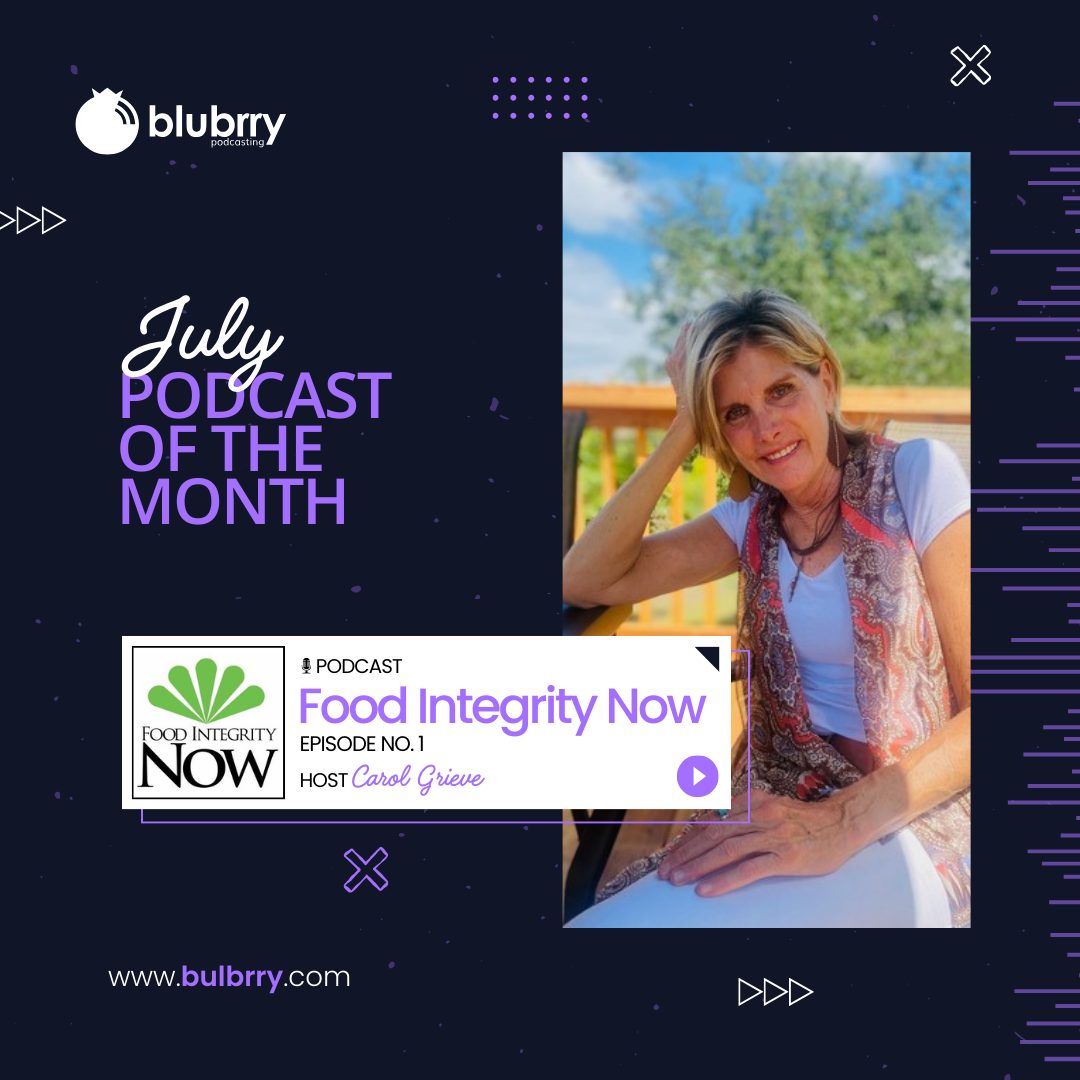
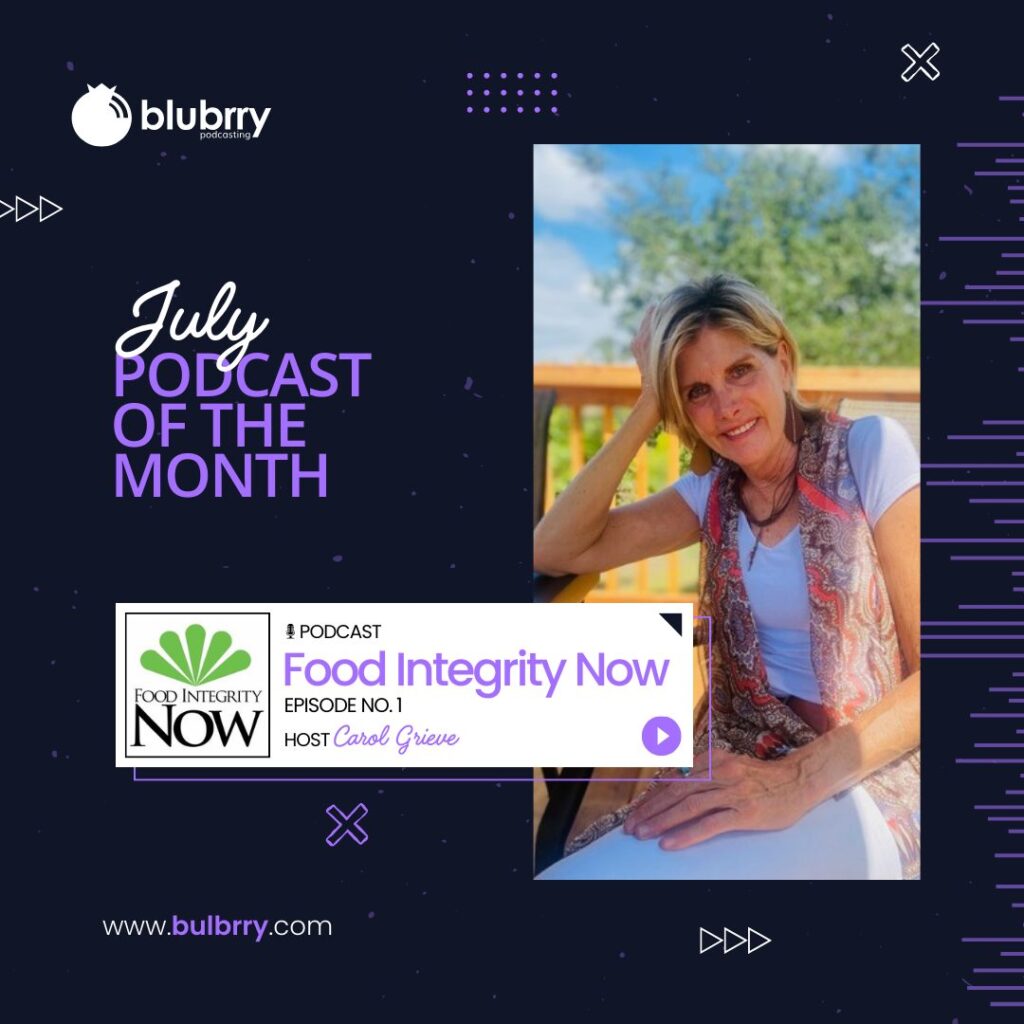
    A holistic nutritionist, life coach, journalist, speaker, and host of the acclaimed podcast Food Integrity Now, Carol Grieve’s mission is to spread the message of full-body wellness. Grieve, our July Podcaster of the Month, is deeply dedicated to helping people understand the impact of their dietary choices on their overall health. Through her work, she guides individuals and groups on how to thrive by consuming quality, nutrient-dense foods . . . a challenge in today’s fast-paced world.

    Grieve believes in the healing power of food and the necessity of harmony between the body, mind, emotions, and spirit to achieve true health. She emphasizes the importance of making informed lifestyle choices that contribute to overall well-being. 

    The philosophy of “Food Integrity Now” revolves around the idea that the key to improving global health lies in educating individuals to love themselves enough to make good choices. Grieve’s approach is not only about self-care but also about fostering a supportive community where people encourage each other to adopt healthier lifestyles. By promoting self-empowerment and wellness, Grieve believes we can collectively bring positive change in ourselves and in the world.

    Grieve shares with us some best practices and surprising insights on what is being “sold” as healthy for humans and good for the planet, but in many cases just isn’t. 

    People often do not understand the difference between a dietician and a nutritionist, can you explain? Also, how would you describe a “holistic nutritionist using the functional medicine model” to a layperson?
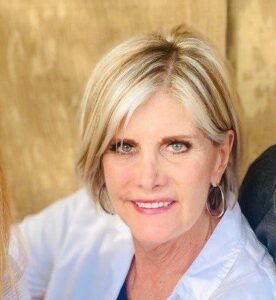
    Carol Grieve
    Carol Grieve

    I am a holistic nutritionist, which means that when I work with my clients, I not only assist them with their physical diet and lifestyle but also assist them to come into balance with all their bodies. This means I help them with their mental, emotional, and spiritual bodies as well. To obtain great health and wellness, it is important to address all of the bodies or the whole. That in essence is what I do as a holistic nutritionist. The functional medicine model means that we address the core issue that may be creating disease in the body, versus just treating the symptoms. There is always a reason why someone is unwell, and we get to the core or the why. Once we discover why, I assist them in making changes in their diet or lifestyle. When they make the changes that are needed to become well, that is where the magic happens. I guide them but they do the work! I also empower them to become their own healer.

    Your shows feature trailblazing and diverse experts, ranging from Dr. Dale Bredesen, a leading expert on Alzheimer’s prevention and reversal, to Jeffrey Smith, founder, and executive director of the Institute for Responsible Technology. How do you choose your topics and your guests? Do they also reach out to you? 

    Carol and Jeffrey Smith
    Carol Grieve with Jeffrey Smith, Jeffrey Smith, Founder and Executive Director of Institute for Responsible Technology.

    I stay very current with what is happening in the area of health, wellness, and nutrition. When I interview someone like Dr. Dale Bredesen, who I have interviewed three times, the information is usually the most updated and latest information available at that time. For example, Dr. Bredesen is considered one of the leading experts in the world on Alzheimer’s disease. As we know, neurological and brain diseases are on the rise. Everyone knows someone with this disease, and it is so relevant. Also, Jeffrey Smith is one of the leading authorities on GMOs and his information is always relevant and current. I like to interview people who are the best in their fields to assist my audience with their health.

    I have many publishers that ask me about one of their authors who has a current or unreleased book out. So yes, they contact me often. Sometimes I reach out to an expert myself and they see who I have interviewed on Food Integrity Now and are always eager to say yes to an interview.

    The show suggests that a healthy diet comes from all areas of life – starting with the soil ranging to all-natural herbs to off-the-shelf food. How have you found that adopting this holistic approach to diet benefited your clients and listeners? 

    Soil is the most important when it comes to nutrient density. I encourage those who can grow some of their food to do this. This is the ideal way to eat, and they can control what goes into their soil, food and ultimately into your body. Obviously, not everyone can grow their own. The next best thing to growing your own is buying local and organic. It is very important to include as much whole foods in your diet, which includes a variety of fruits and vegetables. Everybody is different and there is not one specific diet (i.e., keto, paleo, vegan, carnivore, vegetarian, etc.) that I recommend. I work with the individual as to what is the healthiest for THEIR body. Some people do well with grass-fed and finished meats while others do well just eating a plant-based diet. It is an individual choice for them. I make suggestions as to their diets – but it is always their choice of course. One thing that is imperative is that they eat Organic, mostly! You cannot get well by continuing to put toxins in your body and there are many. 

    I also educate them about GMOs, glyphosate and other toxic chemicals that may be in their foods. We discuss not only their food, but what they drink, put on their skin, household cleaning products and toxins in general in their home. Again, we address the whole! 

    You’re also a life coach, journalist, and speaker. Was there any angle or element (or even several) in particular that inspired you to share your knowledge in a podcast?

    In 2010, I realized there was a need to educate the public about what was happening in our food supply. It became apparent that many did not know about GMOs and other toxins that had invaded our foods by Monsanto, now Bayer. I was part of the GMO labeling campaign here in California as well. I started out as a food activist during this time. The more I learned, the more of a desire I had to educate those who did not know and wanted to know. 

    Being a life coach for over 20 years and a Toastmasters graduate, I realized that I had the confidence and skills to become a public speaker and over the years have spoken at events like the National Heirloom Expo, which is the largest whole food event in the world and other many other health and wellness events. Public speaking comes naturally to me. Doing a podcast and interviewing guests about health and wellness, which is my passion, was easy for me. I started out doing “live” interviews on a couple of different venues like Teller Netcast and Castlerock Radio and then moved to doing podcasts. 

    What steps do you take to prepare and schedule your podcasts? 

    If the interviewee is an author, I read the book and then formulate the questions. I do research on the subject and the author as well. I like to know the subject but always want to be open and curious to ask questions that I may not know the answers to. Curiosity drives me.

    If you could share just one fact or figure or data point that drives home the importance of eliminating toxicity in our food supply, what would it be? 

    Disease is at epidemic proportions and mostly because of our toxic food supply. There is scientific evidence that if we just started eating organic fruits and vegetables, we could reduce our pesticide/herbicide toxic load in our bodies by over 98%. 

    Are there any trends in food integrity, and if so what are the good and the bad of those?

    People are starting to wake up to what is happening with our food supply and the organic food movement is assisting with this greatly. More people are buying organic food! 
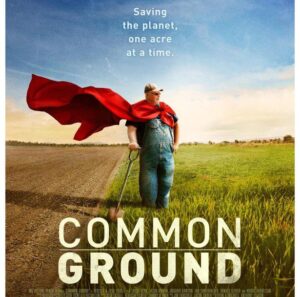
    Common Ground movie poster

    A trend that concerns me is that the “fake” meat industry is on the rise. Foods like lab-grown meats and Impossible Burgers, Beyond Meat, and others have hoodwinked many into thinking they are doing something good for the planet and their health. This could not be further from the truth. Organic Regenerative Farming practices are the way out of the mess we have created with our soil and environment. I highly suggest that everyone watch the movie Common Ground to learn more about what we need to do to regenerate the soil and heal the environment.

    Impossible Burger is highly processed and uses much energy and some of the ingredients are toxic. The Impossible Burger uses an ingredient called heme, which makes it look like it is bleeding. The soy leghemoglobin (heme) in this fake meat that makes it look like blood is made from GMO soy. We know GMO soy contains harmful herbicides like glyphosate, a known carcinogen, and endocrine disruptor, which wreaks havoc with our health. There is much I can say about the dangers of glyphosate, and I have interviewed the best on this subject. If you search the blog, you will find many interviews and articles about glyphosate.

    What do you think are the most prevalent myths about our food supply?

    The most prevalent myth about our food supply is that it does not make much of a difference in your health whether you eat organic or conventional. It makes a huge difference when you eat organic. Many people have given up on their health because they may feel it is too overwhelming to eat a clean diet. I think we have given up much for the sake of convenience — i.e., fast food. 

    Many of your podcasts mention the dangers of GMOs (genetically modified organisms) and you even have a counter at the top of your web page. Do you consider those the greatest threat to human health? Is that just in the U.S. or is it prevalent elsewhere? If GMOs are not the greatest threat, what is?

    I do think that GMOs are a huge threat to human health and our overall well-being. GMOs and glyphosate (RoundUp) are toxic to the body and that includes our brain. I have written much on this subject over the last 14-15 years. Corporate greed and corruption and their total lack of respect for human health are rampant. If enough of us would just stand up, speak up, and say, “NO MORE,” it would end. This is why I will continue to educate those who want to know. GMOs and glyphosate are prevalent in most countries, but the US has one of the worst diets in the world. We are also the sickest country in the world. This is sad but true. There is much more work to do here! 

    Food Integrity Now on Social:

  • Crafting the Perfect AI Image Prompt for Your Podcast: Best Practices and Tips

    Crafting the Perfect AI Image Prompt for Your Podcast: Best Practices and Tips

    Horse over hurdles
    “Please create an image of a horse going over a series of hurdles.”

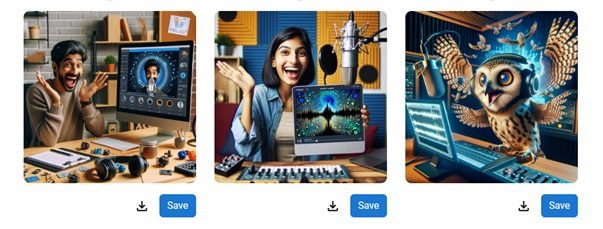
    Harnessing the power of AI to generate images for your podcast can significantly elevate your brand’s visual appeal. Whether you’re looking to create compelling cover art (such as with Blubrry’s AI Album Art generator) social media visuals (such as with Blubrry’s Podcast AI Assistant) or promotional materials, writing an effective AI image prompt is crucial. But, as anyone who has worked with AI images knows, writing the prompt is trickier than it seems and artificial intelligence cannot read minds. At least not yet. Let’s dive into some best practices for crafting prompts to get you the images you envision.

    Understanding Your Needs

    Before you start writing your prompt, it’s essential to have a clear understanding of what you need. Consider the purpose of the image:

    • Cover Art: Should capture the essence of your podcast, its theme, and its personality.
    • Episode Thumbnails: Need to reflect the specific content of the episode.
    • Social Media Posts: Should be engaging and visually appealing to draw attention.

    Know Your Audience

    Who are you trying to reach with your images? Knowing your target audience will help you tailor your prompts to create images that resonate with them. For example, a tech podcast might benefit from sleek, modern visuals, while a storytelling podcast might need more whimsical, illustrative art.

    Crafting the Prompt

    Be Specific, But Not Overly Detailed

    “Please create an image of a horse leaping over a series of hurdles.”

    When writing your prompt, strike a balance between specificity and flexibility. Provide enough detail to guide the AI, but leave room for creativity. A good prompt should cover the following:

    1. Subject Matter: Clearly describe what should be in the image.
      • Example: “A futuristic city skyline at sunset.”
    2. Style: Indicate the desired artistic style or mood.
      • Example: “In a cyberpunk style with neon lights and dark shadows.”
    3. Elements and Composition: Specify any particular elements or composition rules.
      • Example: “Include flying cars and towering skyscrapers, with a focus on depth and perspective.”

    Use Descriptive Language

    Descriptive language helps the AI understand the nuances of your vision. Instead of saying “a nice background,” you could say, “a serene beach background with golden sand and gentle waves under a pastel sky.”

    Incorporate Contextual Information

    Adding context can greatly enhance the relevance of the generated image. For instance, if your podcast episode is about a historical event, include relevant time periods or cultural references in your prompt.

    • Example: “A 1920s jazz club with musicians playing, art deco decorations, and people dancing in flapper dresses.”

    Avoiding Common Pitfalls

    Vague Descriptions

    Vague prompts often result in generic images. Avoid phrases like “interesting design” or “cool picture.” Instead, be precise about what makes the design interesting or what elements make the picture cool.

    Overloading the Prompt

    While it’s important to be descriptive, overloading your prompt with too many details can confuse the AI. Focus on the most crucial elements that define your vision.

    Ignoring Visual Harmony

    Ensure that the elements you describe in your prompt work well together. Clashing styles or incongruent elements can result in a disjointed image. For example, avoid mixing futuristic elements with medieval themes unless that juxtaposition is intentional.

    Testing and Iteration

    Creating the perfect AI-generated image might require a few attempts. Don’t be afraid to tweak your prompts based on the results. Experiment with different levels of detail, styles, and compositions to find what works best.

    Review and Feedback

    Once you receive the generated images, review them carefully and provide feedback to refine future prompts. This iterative process helps in honing your ability to communicate effectively with the AI.

    Crafting the perfect AI image prompt for your podcast is both an art and a science, and Blubrry Podcasting is doing all it can to marry both and simplify the process. By understanding your needs, using descriptive language, incorporating context, and avoiding common pitfalls, you can create compelling visuals that enhance your podcast’s appeal. Practice makes perfect, and the more you experiment with your prompts, the better you’ll get at producing stunning AI-generated images.

  • Celebrating Blubrry Podcasting’s AI-Generated Podcast Album Art

    Celebrating Blubrry Podcasting’s AI-Generated Podcast Album Art

    In the often-crowded world of podcasting, visual appeal is crucial. Your podcast’s album art is the first impression potential listeners have, and now Blubrry Podcasting is revolutionizing this with the introduction of AI-generated podcast album art. Available to all Blubrry hosting customers, this feature is designed to be a simple-to-use, flexible, game-changer for podcasters aiming to elevate their visual branding.

    If you’re already a Blubrry hosting customer, you will find the AI Album Art feature on your Dashboard at the Show > Manage section under the Settings tab. Head there and viola! You will see a new option next to your existing album art. We encourage you to write an excellent prompt for your show art, and the art generator will create something stunning that will get listeners’ attention.

    In three steps, you can easily add your show title, hostname, and social media handle to the art. Indeed, studies have found that regularly updating your podcast album art allows listeners who may have previously overlooked your podcast to discover your show.

    Simplicity at Its Best

    We have always been at the forefront of providing user-friendly solutions for podcasters, and our AI-generated podcast album art is no exception. The free feature for all hosting customers is comprehensive, flexible, and straightforward.

    The AI-powered tool with easy prompts will create art that aligns with your content’s essence. This simplicity is a boon for podcasters of all levels. Whether you’re a seasoned professional or just starting, creating eye-catching album art. Blubrry’s Podcast Art Generator offers an intuitive interface and step-by-step guidance to eliminate the need for extensive design skills or expensive software, making high-quality visual branding accessible to everyone. 

    Some details:

    • You can generate nine album art prospects every 90 days (when best practices dictate it’s a good time to switch it up).
    • You can store 10 designs in your library. After the 10th design, the earliest version is removed.

    Flexibility for Every Podcaster

    One of the standout features of Blubrry’s AI-generated album art is its flexibility. The tool offers a wide range of customization options, allowing podcasters to tweak colors, fonts and images to their liking. This flexibility ensures that every podcast, regardless of its genre or style, can have a unique and visually appealing album cover.

    Ultimately, the AI adapts to your preferences as you refine the prompt you give the art generator.

    Optimizing Your Visual Appeal

    Research and best practices in the podcasting industry suggest that updating your podcast album art every three months is optimal. Regularly refreshing your visual branding keeps your podcast modern and professional and helps attract new listeners. Fresh album art can reignite existing subscribers’ interest and capture potential new listeners’ attention scrolling through podcast directories.

    Our AI-generated album art makes this practice easy and efficient. With the ability to quickly generate new, stunning designs, podcasters can stay ahead of the curve without investing significant time or resources. This regular update cycle ensures that your podcast remains visually appealing and engaging, which is crucial in a competitive market.

    If you’re using the Blubrry Publisher, you can automatically refresh your album art with a button from the AI tool. If using PowerPress, easily download and then upload the album art to your settings in PowerPress. 

    Always on the leading edge, our AI Album Art is simply the latest feature to make the podcasting process streamlined, comprehensive, and fun for our hosting customers. Keep a look out for what’s coming next!

  • Blubrry Unveils New Podcast Statistics to Enhance Creator Insights

    Blubrry Unveils New Podcast Statistics to Enhance Creator Insights

    Two New Data Points for Podcasters

    We are excited about this release with a change to our monthly trending chart for all stats users and a brand new metric.  

    Primary category comparison of your show to other shows in your category. (Thrive Feature)

    As a podcaster, staying on top of your metrics is crucial for understanding your audience and growing your show. That’s why we’re constantly working to improve our data and provide you with valuable insights. In this latest update, we have two new data points that will give you even more information about how your podcast is performing.

    The first change is to our monthly trending chart for all stats users. This chart shows the overall trends of your show’s downloads and plays over the past month. With this update, we have also added a comparison feature that allows you to see how your show stacks up against other podcasts in the same category.

    This new metric, known as the “Primary Category Comparison,” gives you a better understanding of where your show stands in

    This new data metric compares your show performance against other shows in the same podcast category. We will compare your primary category set in show settings to other shows Blubrry measures in the same category. Satisfy your curiosity! Make insightful decisions for your show based on this new information and reach your full potential.

    Commitment to Clarity Monthly Trend Chart Update (All Stats Users)

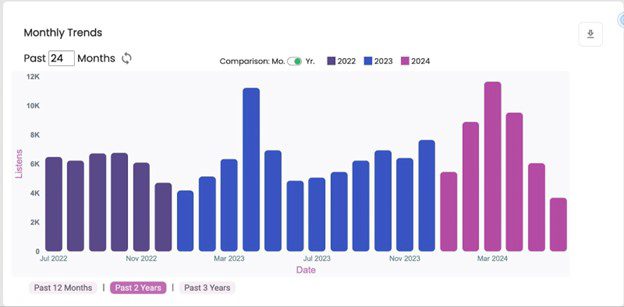
    You asked us for more details in the trend chart, and we have re-designed it to give you more clarity, allowing you to see how your show has progressed over time
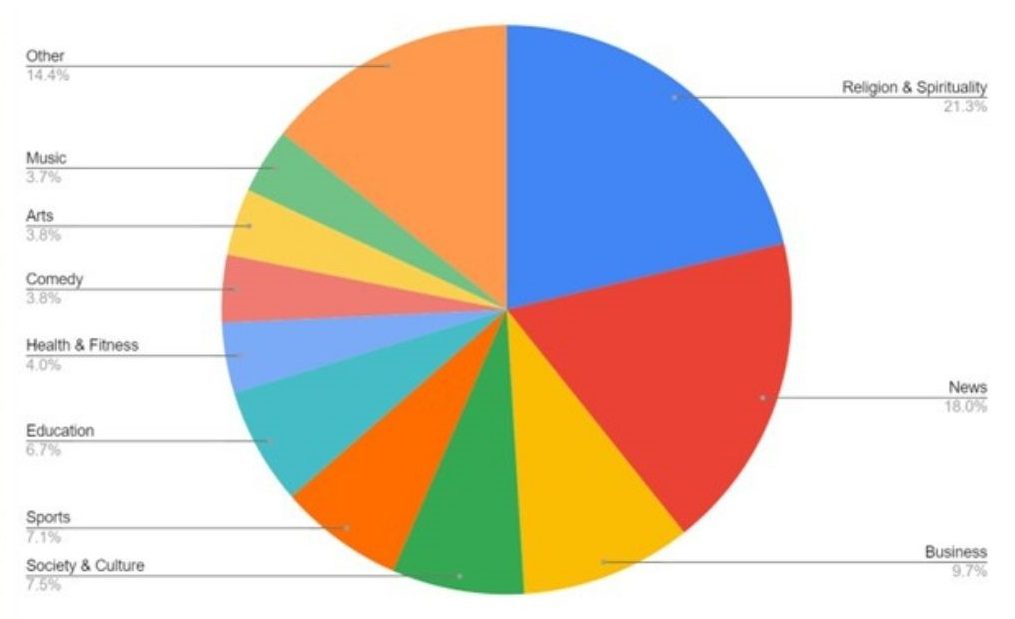
    1. Podcasters can now go back any number of months up to 36, whereas before, they could only do 12, 24, or 36 (we always offered three years back, but you are now not limited to full-year amounts)
    2. Podcasters can now toggle the monthly chart between a chronological view and a month-by-month comparison

    We strive to offer detailed insights into your show performance and your understanding of your overall reach. Based on your request, we aim to give you the best overall picture possible that we can provide.

    Utility of the Dashboard

    This is a reminder that our stats dashboard contains multitudes of information about your podcast and is a potent tool for giving you actionable information. By leveraging this data correctly, you can make informed decisions to enhance your show, optimize marketing tactics, and make a podcast with purpose.

    The new trend chart is available to all podcast stats customers, and the category comparison is available to all thrive customers. Those who want these new metrics can order Thrive as an add-on under Manage Subscriptions in the podcaster dashboard. Learn more about the Thrive Bundle here.

  • May 2024 Stats Report (b)

    May 2024 Stats Report (b)

    Yes, we’re calling this the May 2024 Statistics Report, just like last month’s report. We’ve listened to feedback from our Blubrry family, and although the report is released this month (June), we are now labeling it based on the month the statistics cover, which is May.

    A lot has changed in the past month. You’ll note that there are fewer new episodes in the Blubrry Directory — 209,767 in May vs. 577, 073 in April‘s numbers. That took us by surprise, but we double-checked and that’s accurate. It seems like some content creators are taking the spring off — and depending on where they’re located, who can blame them?  That said, let’s get back at it vacationers! 

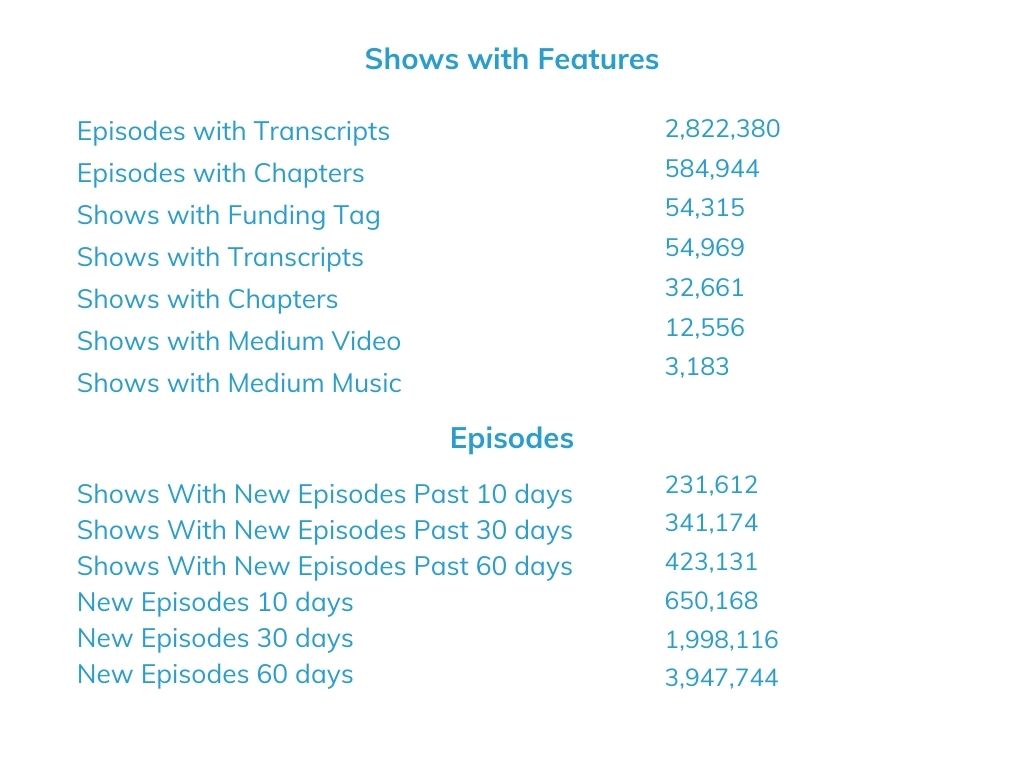
    We’re excited to see higher numbers of shows taking advantage of Podcasting 2.0 features, such as transcripts, funding tags, chapters, and more. If you're not using these features yet and need more information, feel free to reach out to us at we-moved-the-blog-to-this-site-when-we-made-a-new-website.blubrry.com/contact.

    209,767 New Episodes
    in the Blubrry Directory

    TOTAL EPISODES
    Top 10 Published by Category

    Top 10 total May 2024

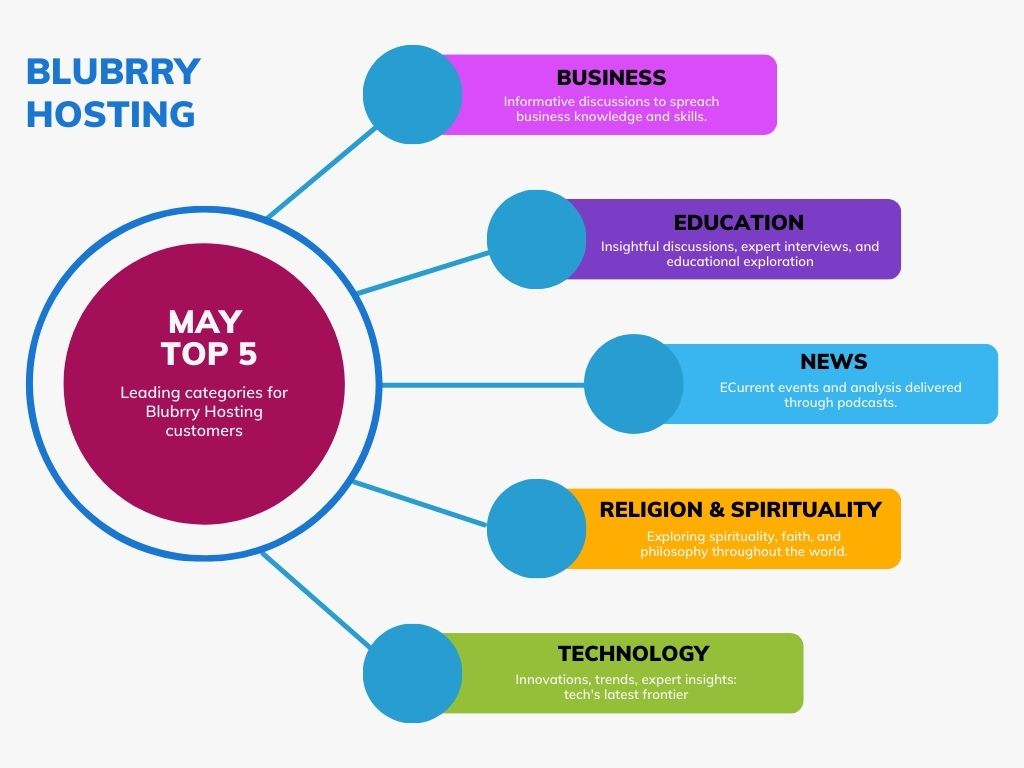
    BLUBRRY HOSTING
    Top 5 by Category

    Top 5 Blubrry Categories for April report

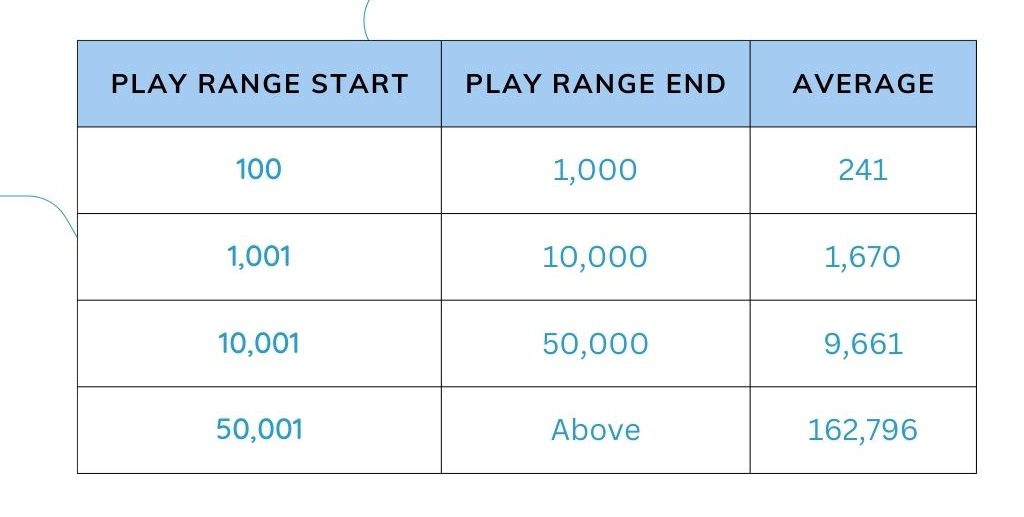
    AVERAGE EPISODE LISTENS
    By Show Size

    Average Episode Listens by Show Size

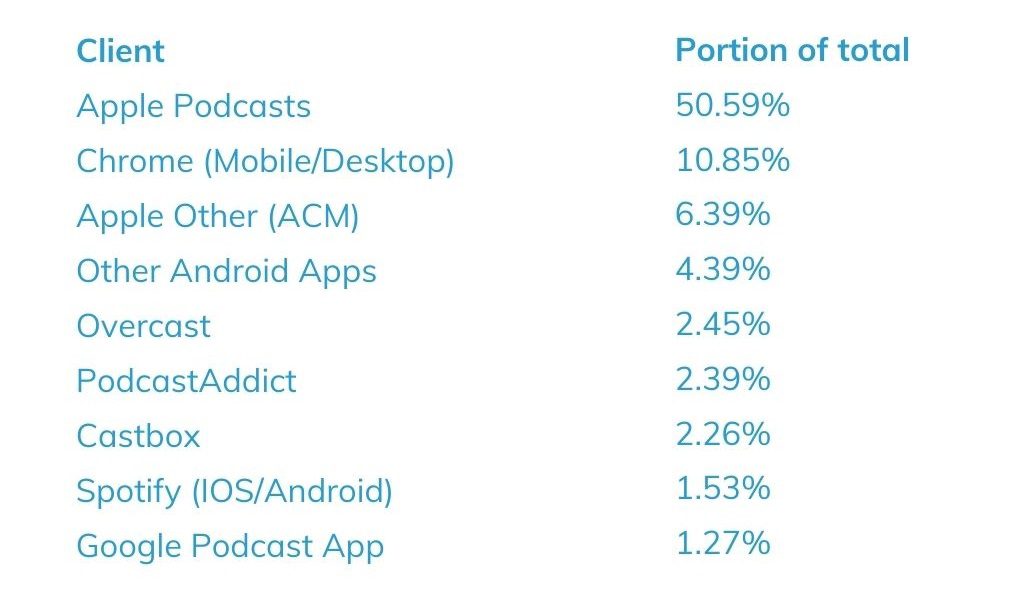
    TOP CLIENTS
    How Podcasts Were Consumed in April 2024
    by Platform

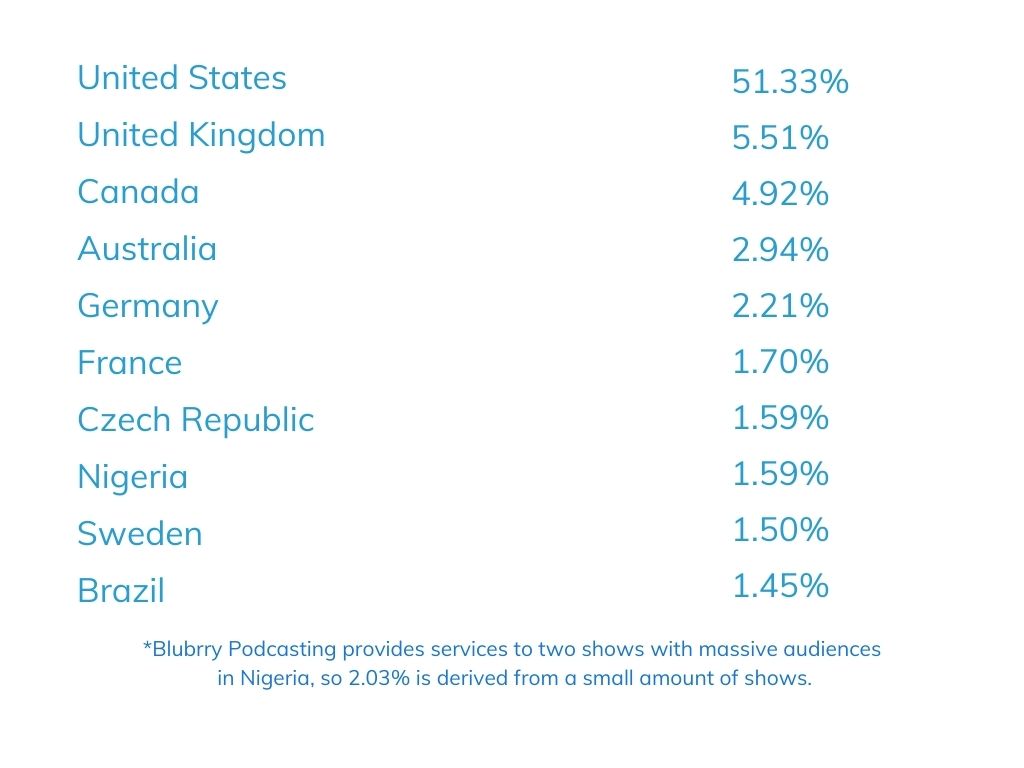
    BLUBRRY TOP 10 COUNTRIES

    Blubrry Top 10 Countries

    WORLDWIDE GROWTH TRENDS
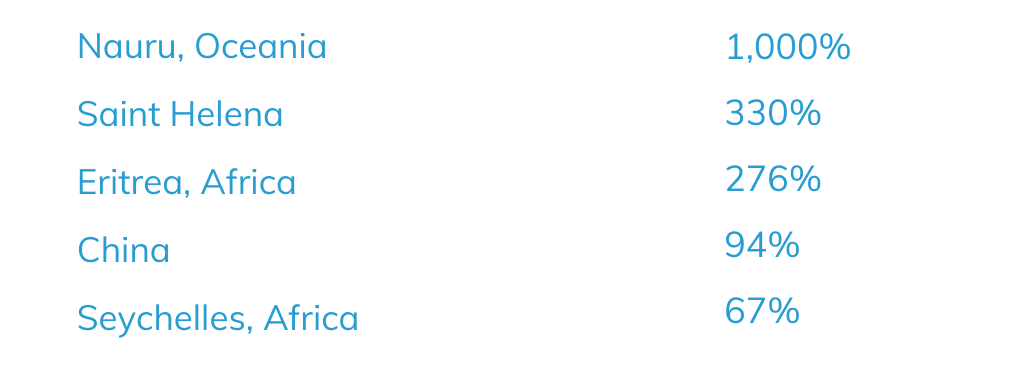
    Locations with the Largest Podcast Growth in May

    BLUBRRY GLOBAL LISTENER RETENTION

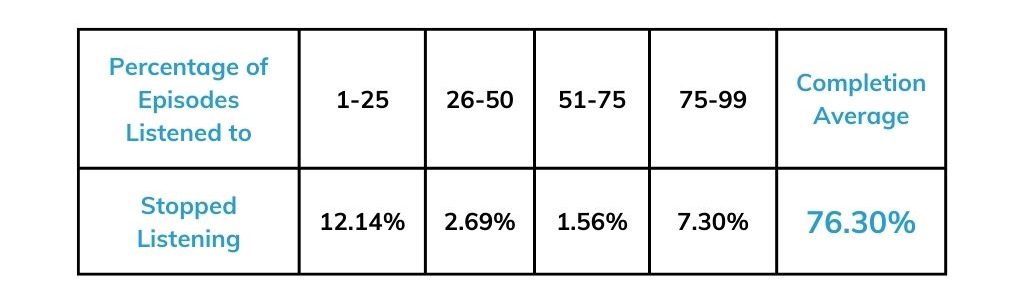
    Blubrry Global Listener Retention

    GLOBAL PODCAST INDEX STATS
    Total Podcasts (as of June 5): 4,200,009


  • Podcasting: Hobby vs. Business

    Podcasting: Hobby vs. Business

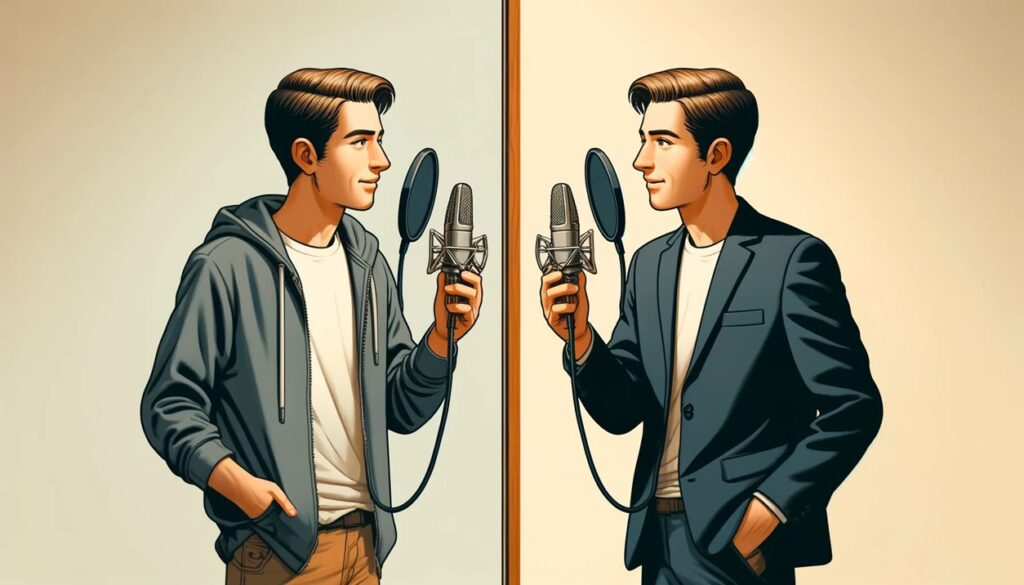
    Business or Hobby podcastPodcasters are often divided into two camps: the hobbyists and the serious business moguls. For hobbyists, podcasting is the ultimate excuse to talk incessantly about their niche obsessions — like the history of pine-needle basket weaving or the intricacies of cheese-making — without being interrupted by eye rolls. They relish the freedom to record in their pajamas while sipping coffee and revel in the joy of having at least three listeners who aren’t related to them. 

    On the flip side, serious business podcasters are armed with marketing strategies, high-end microphones, and dreams of sponsorship deals that rival Super Bowl ads. They meticulously plan each episode, aiming for viral content while obsessively tracking metrics. Whether it’s a passion project or a path to fame, every podcaster finds their groove — often while editing out those pesky pauses and ‘ums’ at 2 a.m.

    Podcasting has become the go-to medium for sharing stories, ideas and expertise. For folks considering starting a podcast, whether for fun or profit, understanding the nuances of hobby podcasting and professional podcasting is an important starting point. 

    Podcasting as a Hobby

    Launching a podcast as a hobby is an excellent way to dive into audio content without significant pressure. Here are some key aspects to consider when podcasting for fun:

    1. Passion-Driven Content: Hobbyist podcasters typically choose topics they are passionate about. This can range from discussing favorite books or movies to exploring niche interests like bird watching or vintage car restoration. The primary goal is to share enthusiasm with like-minded listeners.
    2. Flexibility: As a hobbyist, you have the freedom to create and publish content at your own pace. There’s no strict schedule to adhere to, allowing you to balance podcasting with other commitments.
    3. Minimal Investment: Starting a hobby podcast requires minimal financial investment. Basic equipment, such as a good-quality microphone and headphones, along with free or low-cost editing software, is sufficient to get started.
    4. Personal Growth: Podcasting as a hobby can help develop new skills, such as public speaking, content creation, and audio editing. It’s a great way to learn and grow without the pressure of financial success.

    Podcasting as a Business

    Turning a podcast into a business requires a more strategic approach. Here are key considerations for making podcasting your job:

    1. Target Audience and Niche: Successful business podcasts often target a specific audience or niche. Identifying a gap in the market or addressing underserved topics can help attract a dedicated listener base.
    2. Consistent Content Production: To build a loyal audience, consistency is crucial. This means setting a regular release schedule and sticking to it. Whether it’s daily, weekly, bi-weekly, or monthly, listeners should know when to expect new episodes.
    3. Quality and Professionalism: High-quality audio, engaging content, and professional presentation are essential for attracting and retaining listeners. Investing in better equipment, professional editing, and even a dedicated recording space can make a significant difference.
    4. Monetization Strategies: There are several ways to monetize a podcast, including sponsorships, advertising, merchandise sales, and premium content. Blubrry Podcasting offers programmatic advertising, Dynamic advertising, Premium Podcasting, Value4Value and more monetizing options through its platform. Building relationships with brands and understanding different revenue streams is key to financial success.
    5. Marketing and Promotion: Business podcasters need to actively promote their shows to grow their audience. This involves leveraging social media, guest appearances on other podcasts, collaborations, and possibly even paid advertising.

    Transitioning from Hobby to Business

    For hobbyists looking to turn their passion into a profession, here are some steps to consider:

    1. Evaluate Your Content: Assess whether your current podcast content can appeal to a broader audience or if it needs refinement to become more marketable.
    2. Plan and Strategize: Develop a business plan that includes your goals, target audience, monetization strategies, and marketing plan. Setting clear, achievable objectives will guide your transition.
    3. Invest in Quality: Upgrade your equipment and software to ensure professional-grade production. Consider taking courses or hiring professionals for tasks like editing and marketing.
    4. Build a Brand: Create a strong, recognizable brand for your podcast. This includes a professional logo, consistent branding across platforms, possibly a catchphrase and a compelling story that resonates with your audience.
    5. Network and Collaborate: Engage with other podcasters, industry professionals, and potential sponsors. Networking can open doors to opportunities that help grow your podcast into a business.

    Podcasting for Business Success Statistics

    Hobby or BusinessWe asked ChatGPT about the potential for earning the big bucks via podcasting and this is what it said:
    The earnings of podcasters can vary significantly based on factors such as audience size, niche, and monetization strategies. On average, podcasters with around 10,000 downloads per episode can expect to make between $500 to $900 per episode from sponsorships and ads​ (FinanceBuzz)​​ (Captivate Unlimited)​. For instance, with a CPM (cost per mille) rate of $18 to $50, podcasters can earn between $180 and $500 per episode if they have 10,000 downloads​ (Wired Clip)​.

    However, only a small percentage of podcasters achieve substantial earnings. According to various sources, top-tier podcasters such as Joe Rogan can earn up to $800,000 per episode, with overall annual earnings reaching millions​ (FinanceBuzz)​​ (What To Become)​. On the other hand, many podcasters earn modest incomes, often supplementing their revenue through affiliate marketing, merchandise sales, and listener donations​ (Captivate Unlimited)​​ (DemandSage)​.

    The path to significant earnings in podcasting involves growing a dedicated and engaged audience, which can take time and consistent effort. Successful podcasters often combine multiple revenue streams, including advertising, subscriptions, premium content, and live events, to maximize their income​.

    Ultimately, while it’s possible to make podcasting a full-time job, it requires strategic planning, audience growth, and effective monetization methods to achieve substantial financial success.

    Does that all sound right to you? We’d like to know whether you approach podcasting as a hobby, business or both! Let us know how you podcast by taking our poll.

  • Popular Host from California’s ‘SLOCAL’ Shares Insights

    Popular Host from California’s ‘SLOCAL’ Shares Insights

    Photo credit: Jennifer Olson

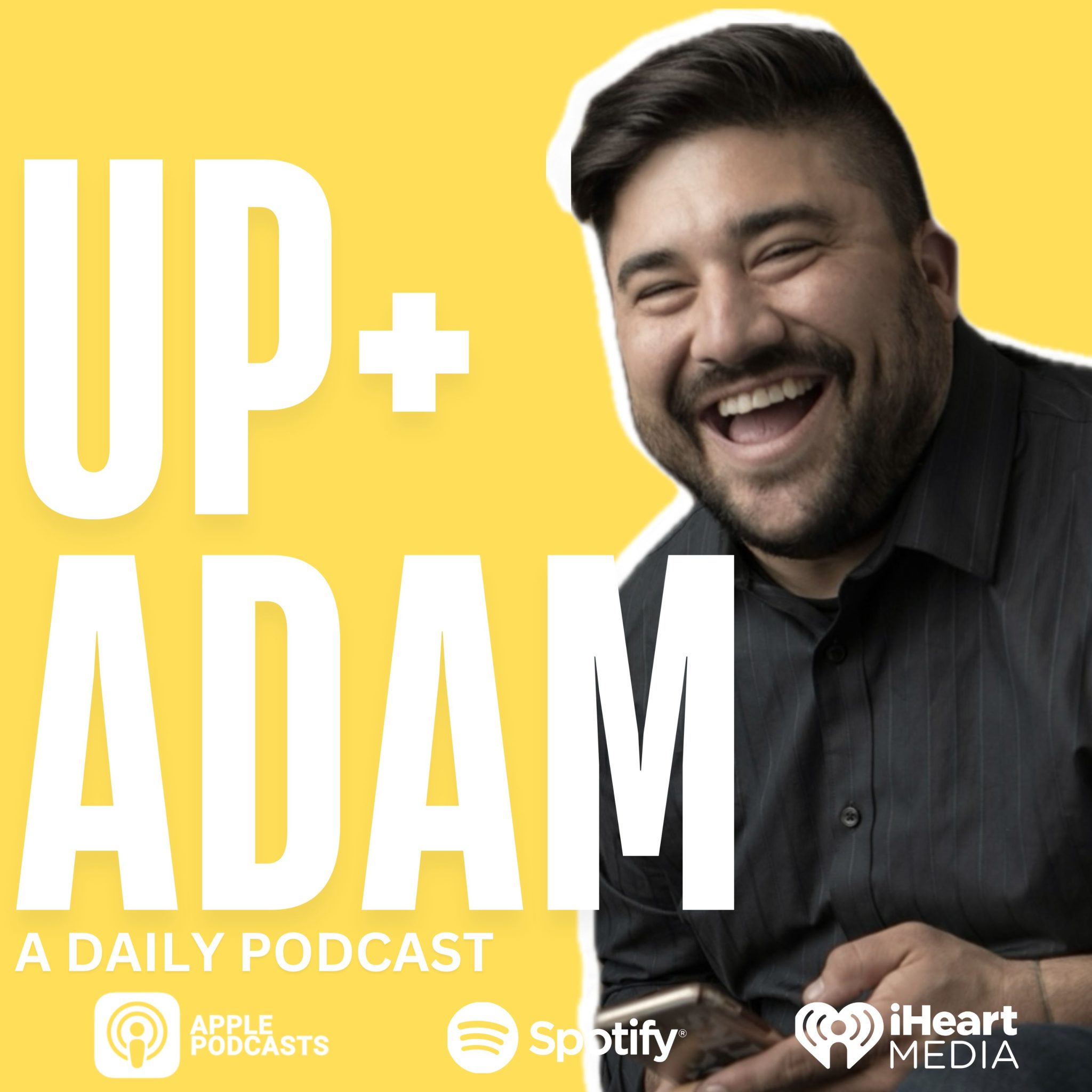
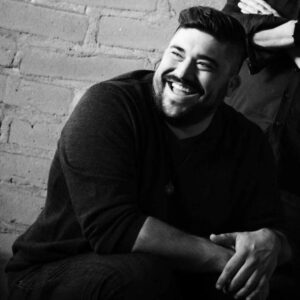
    With a rich and storied career in broadcast media, voiceovers, and live event hosting, Adam Montiel has long been a vital member of California’s Central Coast community and San Luis Obispo County, or SLOCAL. Always eager to explore new and exciting ventures, he naturally gravitated toward the podcast universe – perhaps even foreseeing the significant decline of traditional radio. Now, having transitioned from terrestrial broadcast media, Montiel leverages his extensive on-air expertise in his podcasting adventures. Recently, he transformed his once-popular live morning show into the Up + Adam Show, a podcast published Monday through Friday. 

    Yet Montiel is far more than simply ‘talk.’ He actively serves his community, through local and national charities and is dedicated to event promotion and tourism growth in the area. And as he transitions from the profit-first radio industry to the engagement and intimacy of narrowcasting, you may soon be able to catch up with him at a podcasting event. 

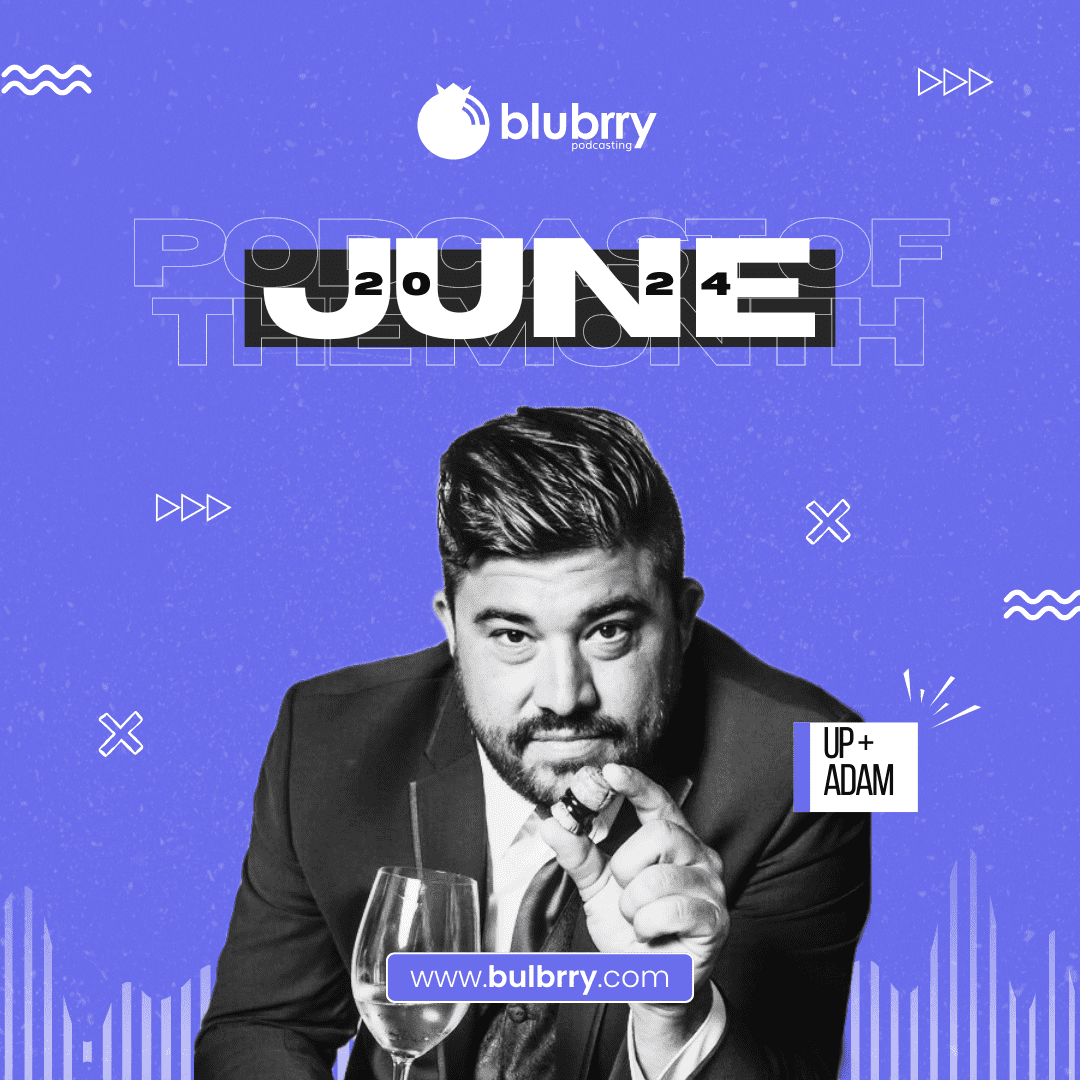
    As our June Podcaster of the Month, Montiel shares outstanding professional insights, offering best practices to make your podcast more compelling, cleaner, and engaging by returning to the fundamentals.

    Between hosting and producing, you manage four podcasts. Each publishes on different time schedules. How do you plan your schedule for recording and production? Do you have any recommendations for other podcasters who manage multiple shows?
    It’s tough sometimes. I prioritize my daily podcast, Up+Adam with Adam Montiel, cause it’s just that – it needs to be fed daily.

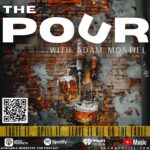
    Where Wine Takes You: A Paso Wine Podcast is biweekly so the idea is to publish alternating weeks to my other content called The Pour. WWTY is specifically about the Paso Wine scene, and the people and stories that make it the most exciting wine by farm region right now and The Pour covers my winemaker and producer interviews from all over, also including beer, spirits, and cocktails in addition to wine.
    In addition to podcasting, you’ve been a radio personality, as well as doing voiceovers, event hosting and more. What are the benefits and challenges you’ve faced when comparing your roles in radio and podcasting?

    Adam Montiel
    Photo credit: Brittany App

    It has been really helpful to me. I think if more podcasters adopt some old-fashioned radio broadcasting fundamentals, it would help them greatly. For instance ‘Quarter-Hour Maintenance’ is a heavy theme in radio. Not just what you’re doing now, but what are you doing in 15 min? What can you tease and then pay off? This is how radio stations and shows keep listeners longer than the listener may have intended to stay. In radio, it’s called TSL (time spent listening). 

    Also, a simple fix any podcaster can do is a Radio 101 hack, and that’s to lose the collective references. Meaning, avoid saying things like, “What’s up everybody!” or “Hey you guys…”, etc. Radio (and podcasting for that matter) is an intimate medium, and despite the fact you are indeed broadcasting to many, your delivery should be to just one. You just talk to the other set of ears on the other end. For example, instead of, “Do you guys like mint chip ice cream as much as I do?” try, “I don’t know about you, but mint chip ice cream, I mean is there anything better?” Getting into the habit of just talking to one person and saying, ‘you‘ in those times, will make the listener feel closer to you.

    Based in California, you are dedicated to making your community a better place for all. Can you tell us about some of the charities you’re involved with and why it is important to you?

    I work closely with the Woods Humane Society, which is a leader in the country for how effectively they find homes for dogs and cats and how they even relieve pressure on other shelters, both locally and across the country. I work with them on and off the air throughout the year and just love them and what they do. I also work with the Cancer Support Community, Lumina Alliance (which raises awareness/resources for victims of sexual and intimate partner violence), and Big Brothers Big Sisters, among others.

    I work with nonprofits because I believe in the power of community and the important role these organizations play in strengthening it. Each nonprofit I support represents a cause I’m passionate about and is worthy, whether it’s helping youth, promoting arts and culture, or assisting those in need.

    Using any platform I am blessed with to amplify their voices and missions is the least I can do and it’s incredibly fulfilling to see the positive impact we can make together. Being involved with nonprofits isn’t just about giving back; it’s about connecting, learning, and being inspired by the dedication of those in these spaces.

    Up + Adam launched as a podcast last fall and is the continuation of a traditional broadcast media show you hosted with American General Media. Was it challenging to make that transition from morning radio to a daily podcast?

    When I was laid off from a terrestrial radio gig I had already dipped my toes in the podcast space and could see it was the future of radio. We are no longer broadcasting, we are narrowcasting, and it’s exciting. Listeners can check out a show about whatever they want, listen in the car, washing dishes, on a run, and pause whenever they want to as well. 

    Photo credit: Dina Mande Studios

    A lot of things at their time were said to be the death of radio: Napster, iPods, Spotify, you can think of others, but they did not kill radio. When radio cared less about curating an art form, and more about balancing cells on a spreadsheet, it slowly started to kill itself. That along with ad revenue migrating to digital, terrestrial radio is seeing its best days behind it, unfortunately.

    Less than a week ago, I was a guest speaker to a media class at Cal Poly. No one in this class raised their hand when I asked, “Who here makes FM radio a pattern in any part of their day or their commute?” These are men and women in their early 20’s. Teens, late teens, barely even know what a radio is. It’s sad. I grew up loving broadcast radio, I still do, but I also am not going to stick my head in the sand and not evolve and get better with the times. 

    Up + Adam highlights news, fun events such as a local chihuahua costume contest for a popular Tamale Fest, and outstanding guests the likes of Beau Bridges and Elizabeth Hurley. How do you determine what and who to feature? Do you seek out your guests, do they find you or do you have a team that undertakes the scheduling for you? 

    I am currently producing and scheduling the show myself but as it grows, it’s challenging. I live and serve the central coast of California (SLOCAL they call it – for San Luis Obispo county) because we are a heavy spot for people who vacation here, there is a good mix of locals who appreciate the local coverage, but also many who like to keep their finger on the pulse here even when they don’t live here. Guests like Elizabeth Hurley and Beau Bridges are ones anyone can enjoy because of their widespread name recognition. I am always looking for people to interview, and I am lucky that organizations, musicians, producers, and artists, know the show has its following and they call to be a part of it as well.

    Having been in the media industry for a fair amount of time, what equipment have you chosen to record and produce your personal podcasts? Do you have a team that helps with the process or are you flying solo?

    I am flying solo but I will soon need help to edit. It’s tough because I am picky about editing, and find it hard to pass that off although I know I need to (badly). I use a Rodecaster Pro II in my home studio. I use a Rodecaster Pro 1 when I am on location. My home mic is Electro-Voice 320. On the road I use Audio Technica BPHS-1 – the headsets and quality make them great in public show situations.

    I was seriously cracking up at the Homicide Hotline and Sidewalk Shoes intros to two of your episodes. Can you tell us more about the background and production of these sorts of clips? 

    Haha, thanks. Bits and parodies are fun, and they made me want to get into radio when I was a kid. They are still fun to this day, and those two were just examples of parody commercials I created and produced. Homicide Hotline was for a call-in line when you are so mad, you’re (facetiously) ready to kill someone. In the bit, an overworked mom with screaming kids calls in after her husband just let the dog out, and a college kid whose roommate drew a phallic rendering on his cheek the morning of a job interview. It’s light and airy, and just funny. Sidewalk Shoes have more of a local flavor, which people in the 805 [area code] can identify with. We have a hippie little beach city called Los Osos, and there are barely any sidewalks there. We made Sidewalk Shoes so those people could feel the joy we take advantage of by using sidewalks. But they are literal shoes with concrete slabs drilled to the bottom so it’s just absurd. They are fun to make (the parodies, not the sidewalk shoes), they are evergreen, and people enjoy them too.

    Two of your podcasts, The Pour and Where Wine Takes You, are centered around wine. What do you find about wine and the vintners who create it that is so compelling?

    Adam and Wine
    Photo credit: Jennifer Olson

    Winemaking and radio have surprisingly shown me so many parallels. One, you don’t get into either to get rich. Two, when they are done right, it’s about as close to magic as you can get. I love telling the stories of these winemakers and producers.

    Now, it’s far more than wine, we have world-class craft brewing, spirits, even cider and more. The wine scene really paved the way, and it’s the majority of the chats, but I love it all here as well.

    What are your short and long-term goals for yourself and each of your shows? 

    Just grow each brand. I also want to use my storytelling to help tourism, as well as get into other genres I see as interesting, like true crime, and more. I definitely want to grow these podcasts and get more advertising interest in them as well.

    Can you share one tip or trick (or several) you employ when podcasting that you’d like other podcasters to know?

    • Having a solid format for the show – benchmarks are important too. 
    • We all get into crutches. Always listen to your show so you can identify yours and fix them.
    • Audio consistency. Find a good means to process, and hard limit your pieces. 
    • If you have questions, reach out to me, or YouTube these things. 
    • Editing: If you have a guest with tons of ums and ahs, it’s unlistenable. Your listener hates it and will tune out. It also does not make your guest look good, which you want your guest to come across as GREAT! It’s a pain, but it’s worth it. 
    • Interviews should be prepped, but also very ‘in-the-moment’. 
    • Don’t be afraid to follow up to ask questions they weren’t ready for, but only as you make them feel more comfortable. 
    • And like I mentioned earlier, 86 the ‘you guys’, and the ‘hey everyone’ kind of delivery. Your delivery should be like you are talking to one person. That’s the way listeners feel like they know you, and they are there with you.

    Do you attend podcast conferences, shows, etc. and if so what is your favorite?

    That is a goal of mine in 2024-25. I have attended radio ones, but not podcasting ones. I’m excited to learn about the don’t-miss ones and certainly hope to check them out and participate in the future.

    Instagram: @adamontheair  

  • Podcast Your Way for Memorial Day

    Podcast Your Way for Memorial Day

    Memorial Day, with its solemn undertones of remembrance combined with the lighter notes of barbecues and parades, offers a unique canvas for podcasters and podcast enthusiasts alike. Whether you’re lounging in your backyard, participating in the Bolder Boulder 10K race, or simply enjoying a day off, incorporating podcasts can add depth and enjoyment to your holiday experience. Here’s how podcasts can enhance your Memorial Day traditions and even inspire you to create your own.

    Finding New Podcasts on Memorial Day

    Holidays like Memorial Day are perfect for discovering new podcasts. With more leisure time, you can explore shows outside your usual playlist. Look for podcasts that delve into history, focusing on military stories or episodes that discuss the origins and significance of Memorial Day. Alternatively, you might find shows that celebrate the start of summer with topics on outdoor activities, travel, gardening, or summer book recommendations. Be sure to surf through the Blubrry Podcast Directory for shows in all genres that will pique your interest. 

    Podcasts as a Memorial Day Tradition

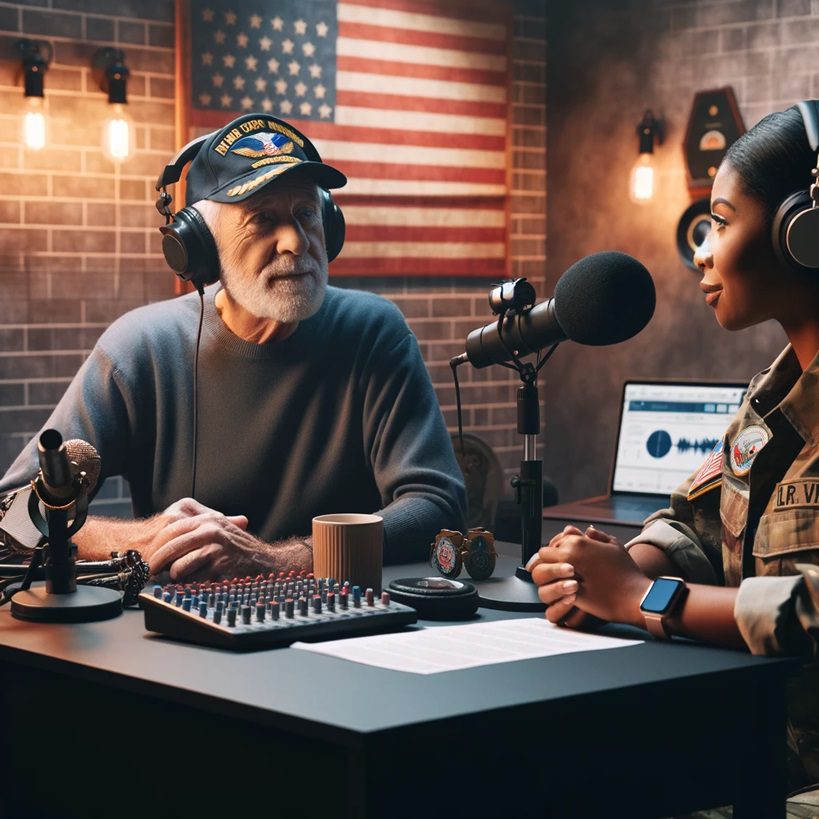
    Traditions help shape our experiences of holidays, and introducing a podcast listening tradition can add a new layer to your Memorial Day. Consider recording an annual special featuring Memorial Day themes or guest veterans sharing their stories. Listening to such episodes can become a part of your holiday routine, like watching the parade or grilling in the backyard.

    Listening While Running the Bolder Boulder . . . or Other Holiday Events
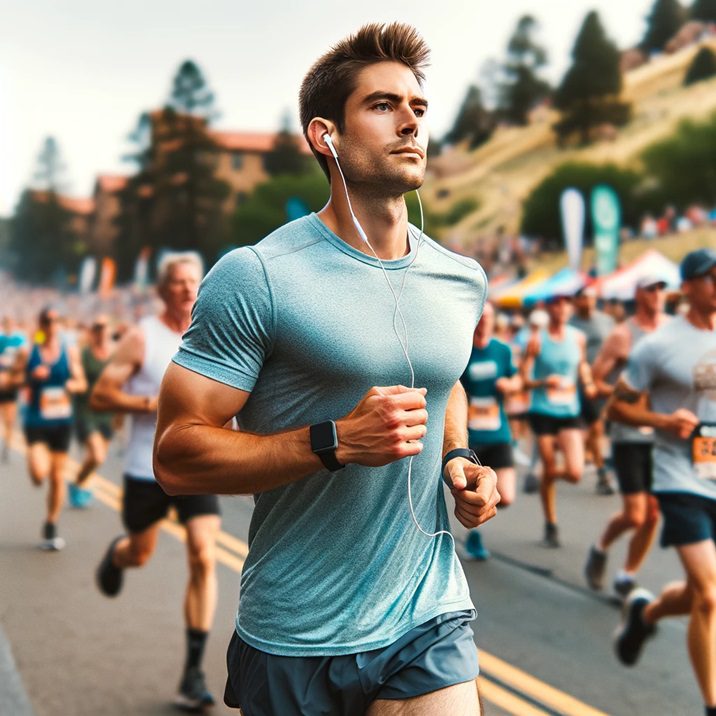
    Podcasts can be a fantastic companion for those participating in Memorial Day races, such as the Bolder Boulder. Choose inspiring episodes that keep your energy up and motivate you to cross the finish line at Folsom Field. Running-based and other podcasts focused on personal stories of resilience, interviews with athletes, or even curated playlists of energetic music and motivational speeches can enhance your race experience, making every mile more meaningful.

    Creating Your Podcast Over the Holiday Weekend

    Memorial Day is for memorializing and could be the perfect opportunity to start that reflective podcast you’ve been thinking about. (Blubrry can help you get going!) You can begin recording your first episode with an extra day off and perhaps fewer commitments. Whether it’s a solo or a group podcast, use the relaxed holiday vibe to let your creative juices flow. Talk about what Memorial Day means to you, share anecdotes from past holidays and your unique traditions, or discuss summer plans and aspirations. (If you want to skip a few steps, Blubrry can set your podcast up with its Concierge Onboarding service.) 
    Taking Time to Record

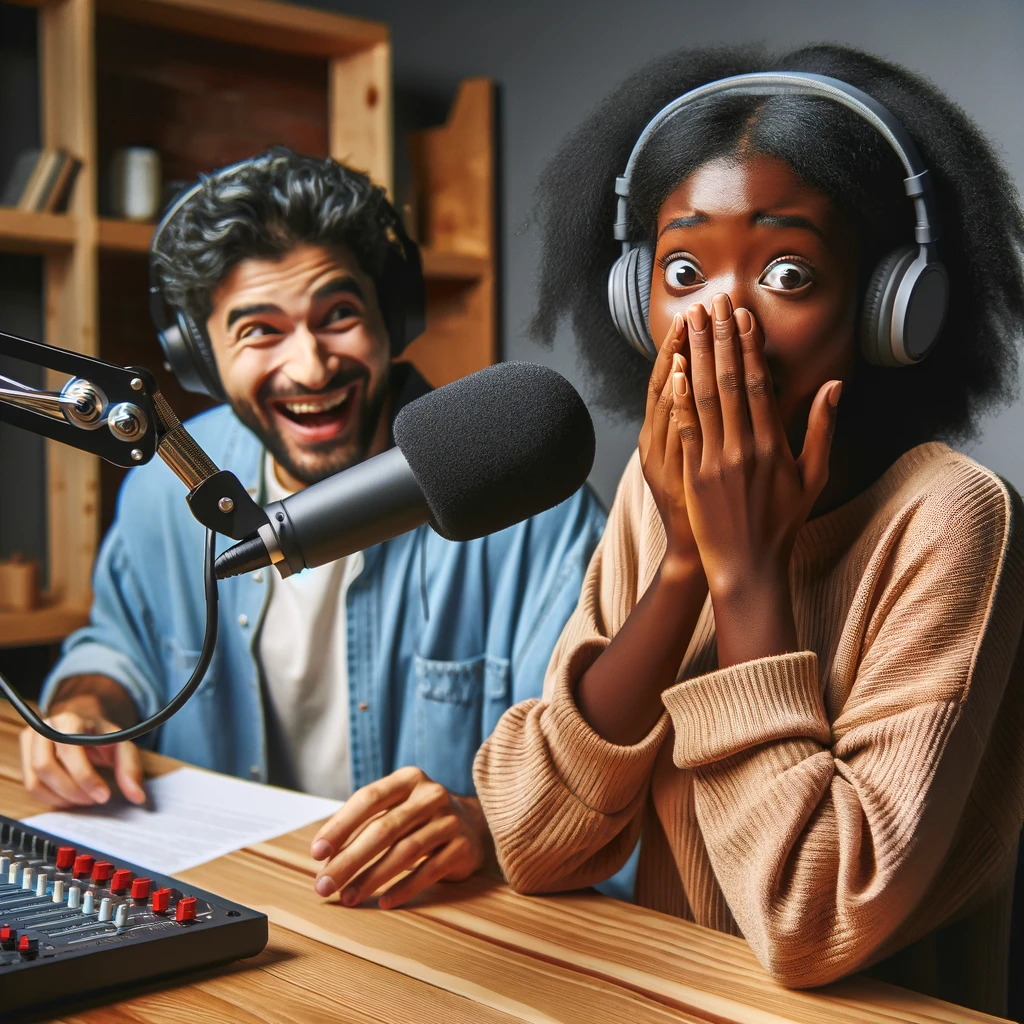
    The long weekend is an excellent time to record extra content for existing podcasters. Consider special holiday-themed episodes. For instance, if your podcast typically covers historical topics, a Memorial Day special could focus on important battles, military heroes, or the impact of wars on society. If your podcast is more casual, a light-hearted episode on the best summer barbecues or a roundtable discussion on summer blockbuster movies could be perfect.

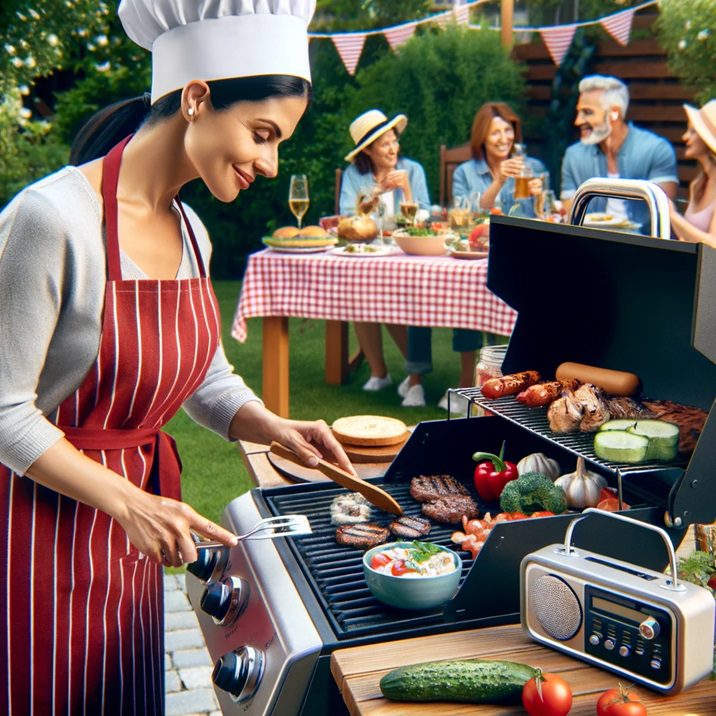
    Podcasts offer a unique medium to enrich your Memorial Day experience, whether through discovery, tradition, or creation. They can provide companionship during a race, inspiration through historical tales, or a platform for you to share and connect with others. This Memorial Day, let podcasts be a part of your celebration and reflection, adding depth and enjoyment to your holiday rituals. Whether you’re firing up the grill or lacing up your running shoes, there’s a podcast to match every moment of your day.

  • Finding the ‘Funny’ in Your Faux Pas

    Finding the ‘Funny’ in Your Faux Pas

    Bloopers are inevitable in podcasting, where every word and pause can be scrutinized. But don’t despair; they are a hidden goldmine of humor and human connection. Whether you’re a seasoned podcaster or a newbie, learning to embrace and highlight these moments can transform your show from strictly professional to delightfully relatable.

    Here’s why finding humor in podcast bloopers can make the process more enjoyable and endear you to your audience.

    Humanizing the Host

    First and foremost, bloopers remind your listeners that you are human, especially when you’re livestreaming. Mispronunciations, unexpected sneezes, or the sudden intrusion of a pet cat during a recording — these incidents bring a smile and create a shared moment of amusement. By showing your audience that mistakes happen and that you can laugh at yourself, you build a connection that polished, error-free content rarely achieves. 

    “I have been known to destroy the English vocabulary, only Grammarly saves me now. But on my podcast, my audience calls my flubs ‘Todd’isms,’ aka my pronunciation of certain words seems to always trip me up and today the audience – while slightly annoyed – have coined a phrase for them.” ~ Todd Cochrane, Blubrry CEO

    Creating Relatable Content

    When listeners hear you flub a line or giggle through a mistake, they relate. Everyone has had a moment where things didn’t go as planned, and hearing someone else navigate this familiar territory can be comforting and entertaining. Sharing these moments can make your podcast more accessible and engaging.

    “The phrase ‘I’ve never had an original experience.’ seems to have blown up in recent years, more so due to the growth of TikTok and social media usage showing the ins and outs of everyday life. If you found it funny, most likely your audience will as well; post the funny screw-up version, someone will relate.” ~ MacKenzie Bennett, Marketing

    Enhancing Engagement

    Consider dedicating a segment of your show or an entire bonus episode to bloopers and funny behind-the-scenes stories. This provides additional content with little extra effort and encourages listeners to stick around, knowing that these enjoyable snippets could pop up any time. Moreover, it’s a unique way to engage with your audience, perhaps even inviting them to vote on their favorite blooper or share similar experiences they’ve had.

    Lightening the Mood

    Podcasting on serious topics? Bloopers can provide the necessary comedic relief to balance the tone of your show. They offer a break from the heaviness and inject a light-hearted element that can make intense subjects more approachable. Even in lighter shows, bloopers can amplify the fun, keeping the atmosphere buoyant.

    “I’m new to podcasting and as I review the shows I have published I realize that because the subject matter can be dark, I need to allow some of my misspeaking or bloopers to remain in there. I’m even trying to keep a nervous laugh in there once in a while to add a little lightness to the often otherwise dark matter.” ~ Cathy Beuten, Communications

    Promoting Through Humor

    Bloopers make excellent promotional material. Share clips of your funniest mishaps on social media (or even as a special episode, such as for a holiday like Memorial Day) to showcase the personality behind the podcast. This humanizes you and provides potential new listeners a glimpse into the show’s less formal side. It’s a way to pique interest and attract an audience who enjoys a well-rounded show.

    Learning from Mistakes

    Beyond just the laughs, bloopers offer a chance to learn. Each mistake provides insights into what can go wrong and how it can be fixed. Discussing these on your podcast can help fellow podcasters learn from your experiences, and detailing how you corrected (or plan to correct) these issues can be incredibly instructive and reassuring.

    “Be prepared for anything if you are interviewing someone you don’t know. I had a guest on my show who seemed articulate when we talked before recording but when I hit the record button and started the interview, the guest froze. I had to drag him through the interview with tons of questions. Fortunately, I did research prior to this interview and I knew where I wanted to go with the interview. Actually, it was a bit comical. I started the show with the introductions and then turned it over to the guest and there was silence. That was an oh sh… moment.” ~ Barry Kantz, Legal

    Fostering Community

    When you share your bloopers, you invite your audience to share in the joke rather than merely consume content. This fosters a sense of community and partnership. Engage with your listeners by asking them to submit their own funny stories or podcasting bloopers, and share these in your episodes. This interaction enriches the listener’s experience and builds a stronger listener community.

    Bloopers are more than mistakes; they are opportunities to connect, laugh, and learn. By embracing the imperfections in your podcasting journey, you enhance your show’s appeal and create a more engaging and enjoyable experience for you and your listeners. So next time the unexpected happens, laugh it off, hit record, and know you’re enriching your podcast in ways that perfect polish never could. Embrace the bloopers; your audience will love you all the more for it.

    What do you do when you make a faux pas in your podcast? Do you edit it out, keep it if it’s not too bad or, heck, just roll with it? Let us know in the comments.

  • Starting a Podcast After 60

    Starting a Podcast After 60

    Start a Podcast After 60Ah, retirement! When you get to be around 60 years old it is top of mind for many a lifelong worker. But the question remains, when you’re not on achy knees gardening, on that cruise ship in the Caribbean, or touring Italy on a moped, how will you stay engaged in life and keep your mind sharp?

    It’s easy: Launch a podcast!

    If you’re older than 60, you’re bound to have wisdom to share and stories to tell. Do you have children, grandchildren or younger family and friends in general? Too often the ancestral stories of your youth go to the grave when they could and should be shared with the coming generations. Stories that might seem menial or insignificant to Boomers offer immeasurable insights and life lessons to those coming after us.

    Share Your Knowledge

    Heck, if you’ve worked in one job or even 20 throughout your lifetime, you have a bunch of insights, best practices and colorful stories to share. What was it like before the internet? How could you bear sharing a phone number with all of your family members – and (gasp) being tied down by a gadget strapped to the wall with only a three-foot curling cord? Were there really only three channels you could watch on TV? Did you ever have a pet dinosaur? (Joking!)

    Starting a podcast after 60 offers the silver generation a unique chance to share stories, insights, and wisdom, which younger podcasters may not yet possess. It allows you to captivate and inspire an audience, formed not only within their age group but also among younger folks eager to learn from your experiences. 

    Podcasting for the grandkidsYou’re never too old to learn new tricks and technology. And podcasting can be a remarkable adventure filled with boundless opportunities for self-expression, creativity and fun. It challenges your brain: Even if there are times when you’re swearing and maybe even crying from frustration, the result will be satisfying. 

    The best news as you consider launching a podcast is that Blubrry Podcasting will be with you every step of the way. Not only does it provide helpful insights on starting and growing your podcast – check out the free online Podcast Manual – it has by far the latest and greatest tools and features, and the best support team in the business. 

    If you want to take this ease of podcast production a step further, check out the Concierge Onboarding service, through which Blubrry’s experts get your show set up for you with the support team walking you through the process as you prepare to launch. 

    Another idea, if you have a YouTube channel and/or prefer video-first, Blubrry’s Vid2Pod video-to-automatic podcast conversion feature transitions your audio from ‘film’ to a bonafide podcast! It’s easy. Sign up for Advanced Hosting or above. Import your channel and viola! You’re a podcaster!

    AI is Your Friend . . . For Now

    Don’t be scared. There is a lot of buzz and apprehension about artificial intelligence, but although some theorize that AI could destroy humanity, here and now it can be your friend. (And if you’re like me, always be polite and say thank you so if the time of mass extinction arrives, you and your family might be spared.) Blubrry’s Podcast AI Assistant, part of its multifaceted Thrive Bundle, can help you through the rough patches when planning, producing and promoting your podcast.

    Guess what else? You can make money at podcasting! Anyone hosting with Blubrry can take advantage of programmatic advertising, Value4Value through Podcasting 2.0, and in higher-level hosting plans, Dynamic Ad Insertion.

    That said, a lot of us won’t be looking for a payout. Maybe simply another layer added to our legacy. For some of us, although it’s a ton of fun to watch the listeners/downloads statistics tick upward, posterity and just getting the story chronicled is the goal. 

    No Audience? No Worries!

    For those who enjoy attention and notoriety, the notion of starting a podcast with no audience can incite apprehension. But consider this: every renowned podcaster started with zero listeners. Every venture begins with a leap of faith and the promise of growth over time. The key here is patience, persistence, and understanding that you have something valuable to talk about. With these qualities, the initial lack of audience becomes less discouraging, rather a motivating factor to strive for progress.

    The benefits of starting a podcast post-60 are manifold. It provides an avenue for creativity, personal expression, a legacy and even fun. It not only holds personal significance but has the potential to impact society by fostering inter-generational dialogues and influencing perspectives, shaping a more inclusive world for all ages.

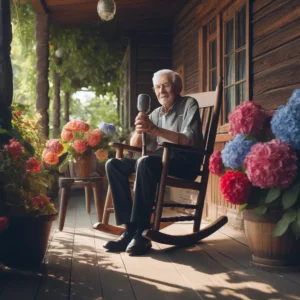
    If you see retirement on the horizon and you know darn well you’ll need something to keep you on your toes, consider starting a podcast. You can even record it on your iPhone while nestled in your cozy armchair or front porch rocking chair (kidding) or via Facebook surrounded by virtual friends from across the globe. 

    For, like the wind in your face on the deck of a mighty cruise ship, or letting go of the handlebars rolling down the hills of Tuscany, you can feel the thrill of shaping narratives and embarking on a path to be heard in the podcasting world. It is never too late to start something new. So, are you ready to tune into the podcasting frequency? Let us know – we’re here to help!


    The author has been with Blubrry for 18+ years as a writer/editor, but only last month started her podcast. And, yes, she’s over 60 and thus very familiar with “What was it like before . . .” questions from grandchildren.