

Category: Trends

  • So Many Ways To Approach Advertising In Podcasts!

    So Many Ways To Approach Advertising In Podcasts!

    With a wide variety of podcast advertising options available for businesses and brands to explore, advertising in podcasts will continue to grow and Blubrry Podcasting will continue to be there to help you find the best approach for your show. Blubrry understands that your approach to advertising can be as unique as your podcast. Will the immediacy of programmatic ads work best? Or maybe dynamic ad insertion is optimal for your professionally hosted podcast. Of course, Podcasting 2.0’s Value4Value option is a great choice for many! Maybe mid-roll is the way to go?

    Here are some thoughts to consider when cashing in on your show’s success. Podcast advertising provides an engaging and effective way for companies to reach their target audiences while also allowing podcast creators to monetize their content. 

    Learn More About Those Options

    Podcast advertising can be categorized into several types based on the format and placement of ads within a podcast episode. 

    • One popular format is mid-roll advertising, wherein ads are strategically placed within the middle of an episode to maximize engagement and retain listeners’ attention. 
    • Programmatic advertising is another method that uses automated systems to purchase ad space across various podcasts based on predefined criteria such as audience demographics or interests. 
    • Podcasting 2.0 introduces Value4Value model where listeners can directly support their favorite shows by sending small contributions through cryptocurrency payments. 
    • Dynamic advertising allows advertisers to insert targeted ads into episodes dynamically based on factors like listener location or preferences.

    Apple Podcasts Subscriptions is a prominent player in premium podcasting services that collaborates with content creators to produce exclusive shows for paying audiences while keeping these ad-free. And, great news! Blubrry is putting the finishing touches on premium podcasting options in tandem with Apple. Through these innovative options, brands can tap into this growing market of dedicated listeners who value high-quality content without interruptions from advertisements.

    Advertising Examples

    Some notable podcast advertising examples include host-read endorsements where the host discusses or endorses a product or service during the show’s runtime. These advertisements are typically perceived as more authentic and trustworthy by listeners compared to pre-recorded ads. Another example is branded segments where sponsors produce content related explicitly to their brand or industry expertise.

    To make informed decisions about the best podcast advertising opportunities, businesses should analyze podcast advertising statistics and trends. In recent years, podcast advertising revenues have experienced remarkable growth, with projections indicating continued progress in the coming years. This surge reflects an increasing interest in leveraging the unique reach and engagement potential of podcasts for marketing purposes.

    Choosing the best podcast advertising platform is crucial for maximizing return on investment (ROI) and achieving campaign goals. Top platforms offer comprehensive analytics and targeting options to ensure that ads are reaching the intended audience effectively. Furthermore, these platforms should provide support for different ad formats and collaboration with trusted industry partners like Apple Podcasts.

    The Importance of Analytics

    It is crucial for brands to assess metrics such as increased brand awareness or sales conversions resulting from their advertising efforts within podcasts. Blubrry Statistics give the most trusted and comprehensive analytics, which help you understand your audience and build your show. In fact, Blubrry Podcasting with the first podcast company to earn the IAB Certified Statistics designation. Understanding listener demographics and preferences can help advertisers tailor their messages more accurately for better results.

    Advertising in podcasts offers diverse opportunities for brands and businesses to reach engaged audiences through various ad formats tailored to suit individual campaign requirements. By monitoring trends in podcast advertising statistics and collaborating with top podcast advertising platforms, networks, and agencies, companies can craft successful campaigns that resonate with listeners and yield measurable returns on their investments.

    Want more options? Podcasters can also monetize their shows by joining Blubrry’s Affiliate Program, which allows them to earn revenue by promoting Blubrry services alongside providing ad space within their episodes. Podcasters retain control over which ad offers they accept or decline to maintain the show’s quality standards while generating income from multiple streams. 

    Overall, this multifaceted approach allows advertisers and podcast creators to collaborate effectively in delivering valuable, engaging content that benefits both parties and the podcasting community at large.


  • Could You Get Canceled?

    Could You Get Canceled?

    Black X in black circleIt might feel like we’re living in a world where “cancel culture” is making daily headlines, but how much should you really worry about it when it comes to your podcast? Do you have to examine every word you say before you publish an episode? Do you need to vet your guests to know every detail about them including what they tweeted in 2012 and what divisive things they once said about carbs? Or is this buzzphrase over-hyped and on its way out?

    FRAME RATES

    If you create content for a public audience, you’re inviting your opinions to be weighed in on by the masses. That’s the beauty, and the curse, of being a creator. You hope to share your values and insights with like-minded people, but you’re also sharing your views with people who might stridently disagree with you.

    A healthy discourse should never be a bad thing; being challenged opens us up to ways of thinking we might not have considered previously, or even shores up our own beliefs. Even extreme opinions have value whether they open a dialogue to lesser-known ideas or provide opportunities to learn and grow. But how any discourse is framed matters.

    PROTECTED SPEECH

    The ability to share an opinion, and to respond to an opinion is an important – and special – thing. If the First Amendment was an influencer, instead of just a stuffy, old, governing principle of American democracy, it would be the most followed account on social media because everyone is obsessed with it. Whether you think the First Amendment is on your team or not, it’s in the hot seat when it comes to “cancel culture.”

    This VIP amendment allows podcasters from Joe Rogan to Rachel Maddow to freely speak their minds and find their audience. But it doesn’t protect them, or you, from facing the consequences of how others interpret their words. The First Amendment is applied equally to the creator and the listener. Essentially, you are free to say what you want, but you aren’t free from the impact of what you say, especially if its intent is dangerous or inflammatory.

    YOU ARE WHAT YOU SPEAK

    We’re all lucky to live in an age and place where expression matters and is protected, but how far does that protection extend? Should you be able to publish a podcast that calls for the inhumane treatment of certain people, the boycott of a company, or the overthrow of a government? Companies such as YouTube, Facebook, and Reddit are now taking up this debate and saying, in some cases, nope, that’s not okay with them and, consequently, deplatforming users.

    Deplatforming users can mean the end of income streams. It can tank influencers and stoke the ire of extremist groups. In some cases, it might bring more attention to unappealing opinions. However, there are multiple studies that link the rise in hate speech and disinformation directly to behavior on public platforms. So what’s a podcaster to do?

    USE YOUR VOICE

    As it’s been stated over and over, content that becomes popular always has a specific and unique take based on its creator’s point of view. Sticking to authenticity is a winning strategy no matter what your podcast is about. 

    However, if you’re creating content purely for publicity, spectacle, or taking advantage of others to get attention to your content, what end are you willing to go to defend your message? Do you care that others might take your content and use it to justify the harm they’ve caused? What if their actions directly affect something or someone you love? It’s important to remember that your podcast has your name on it and even if you take it down in the future, it’s really difficult to separate yourself from negative associations. Your podcast will impact you beyond the world of podcasting.

    BE OUR GUEST

    Just like what you say on your podcast matters, who you invite is also a reflection of your show. It’s important to know who your guest is and what their appearance means on your show beyond just download numbers.

    While you shouldn’t have to do a full police background check of every guest, and you shouldn’t be held responsible for your guests past or future actions, it is vital to do some basic research about your guests. Heck, learning fun facts about them might even lead to a more robust interview!

    We must recognize that some people hide things to get what they want and your platform might get used in a negative way. Ultimately, have a guest on your show to add value to your content. If you’ve done your due diligence, you’ve done your part.

    TAKE A DEEP BREATH…

    The bottom line is if you’re thinking about best practices and the impact of your words, you’re unlikely to have to worry about being canceled. After all, getting “canceled” isn’t really about the act of banishing someone just because they aren’t well-liked. It’s about identifying behavior that is harmful, ignorant, or puts others in objectifiable positions. Asking to be respected, no matter who you are, isn’t unreasonable and we can all do our part to lift each other up.

    _________________________________

    Written by: Tara Jean O’Brien

    Tara Jean O'BrienTara Jean O’Brien has been a writer, actor, improviser, podcaster, and stand-up for nearly 800 years. When not producing, editing, and hosting her podcast, Single Vs. Married, or co-hosting, Cinema Craptaculus Presents: B-sides, she also writers on Medium and recently found a floor safe hidden in her coat closet.

  • What to Consider When Choosing a Length for Your Podcast

    What to Consider When Choosing a Length for Your Podcast

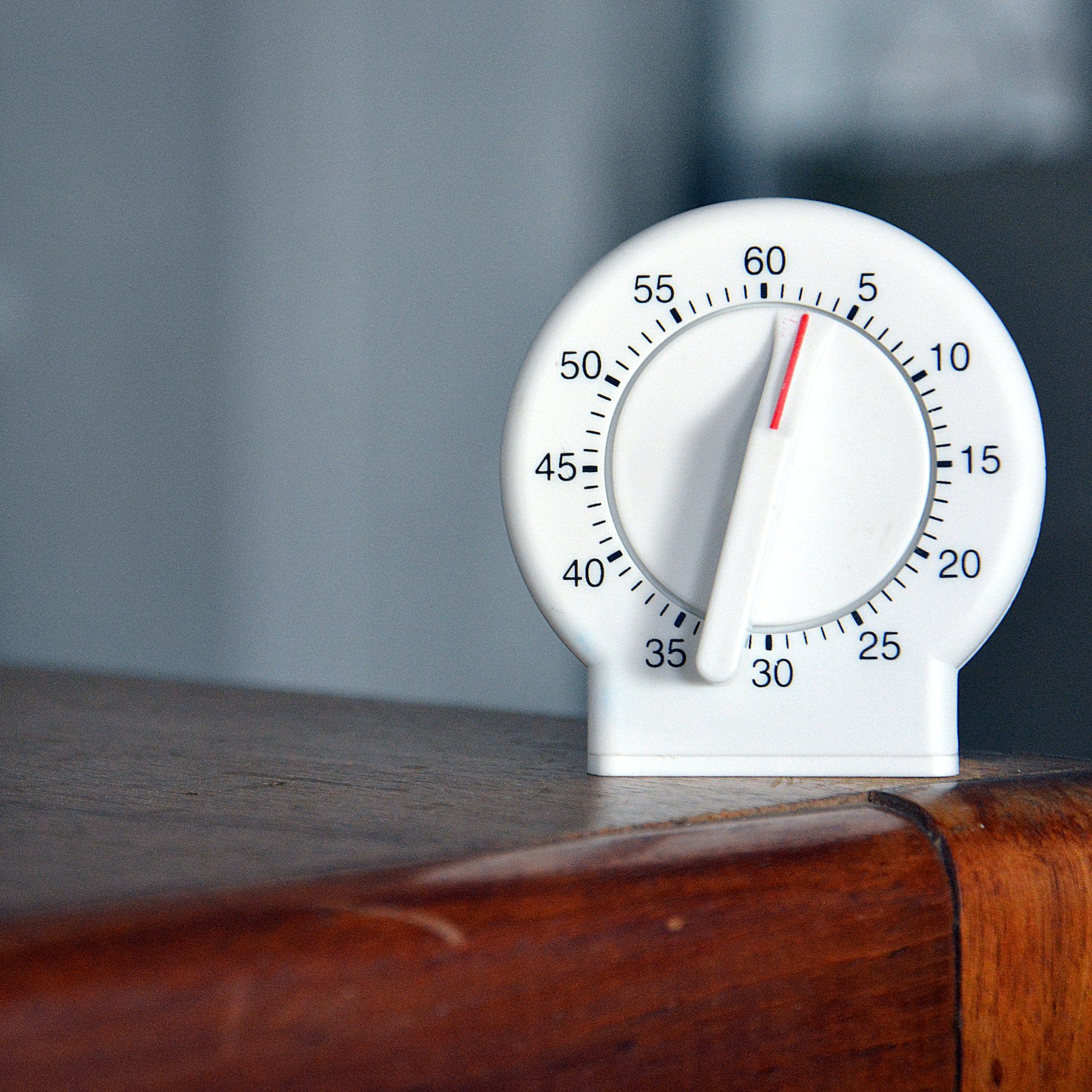
    Timer sitting on tableOne thing that podcasters need to consider is a question that will take some thought and planning. How long should a podcast be? There is no “one-size fits all” answer to that question, and this can cause your decision making about the length of your show to be complicated.

    A good way to sort out this problem is to consider some variables. Are the majority of your episodes approximately the same length of time? How often do you release your podcast? Is the cost of hosting manageable, or has the price gone higher than you would like? Do you take the time to consider the space the ads in your show will take up? 

    Consistency is key

    Fans of your podcast are expecting consistency. They trust that a new episode will regularly appear. This is true whether you release a new episode once a week, once every two weeks, or once a month. If your current schedule works for you, and your listeners keep downloading new episodes – keep doing what you do!

    What if you feel that your podcast isn’t going very well? Now might be a good time to make a change. Keep the topic and format you have been using. Let your listeners know ahead of time that you want to switch from a weekly podcast to one with longer episodes. Make it clear that the new episodes will be released every other week. Your audience will likely be willing to stick around to hear them.

    How long should your podcast episodes be?

    This question requires some context. Your podcast should be as long as it needs to be. 

    That might not sound very helpful, at first glance. Every podcast is different and unique, so there is no simple answer about exactly how long your episodes run.

    Here are some things to consider:

    What does your audience say? Your audience is your best indicator as to how long your show could or should be. By using the Audience Survey and the Advanced Statistics on the Blubrry Dashboard, you’ll definitely know when/if they start to lose interest in your show as the minutes roll past – and whether they are craving more!

    How much time do you have to record your podcast? Podcasters who make their living from their “day job” will have limited time to podcast. You might need to record your show on your days off. Podcasters who are parents of small children could potentially record their podcast while the kids are at daycare or school. Edit the audio after the kids go to bed.

    Do you have disabilities or chronic illnesses? As a person who has chronic illnesses that can hit at any moment and completely ruin my day, I sometimes lack the energy it takes to record a good episode. This is especially true for people who have illnesses that include “brain fog.” My solution to this problem is to keep the episodes to around 30 minutes.

    How much time is allotted to the ads in your podcast? There are a variety of ways to include advertisements in your episodes. Some are host-read, others are automatically placed within episodes, like with Blubrry’s Programmatic Advertising. Podcasters who include ads in their shows often are hoping to make money from those ads and will need to take heed of the length and placement of the add as they’re determining the perfect show length. And for podcasters who choose not to include ads, that’s easy! No time allotment needed.

    How high are your hosting fees? Every podcast episode needs to be on a platform that will distribute the show to the people who want to listen to it. This is going to cost the podcaster some money. If you are comfortably able to afford your hosting fees, you have nothing to worry about. However, if your income has changed or dropped, you might need to consider a smaller show and/or shopping around for a less expensive hosting plan. We offer a variety of plans, including annual options.

    Did you do NaPodPoMo? National Podcast Post Month takes place in November every year. Created by Jennifer Navarrete, the goal of NaPodPoMo is for podcasters to produce and publish one episode every day during the month of November. It is a perfect time to make shorter podcast episodes than you typically would, and can be a fun challenge!

    ____________

    Jen Thorpe wearing glasses, hat and face maskJen Thorpe has been podcasting since 2005. They are the host of the Shattered Soulstone podcast, which releases new episodes every week. When they aren’t podcasting, they are playing video games or Dungeons & Dragons.
  • Leaning Into Adult Content

    Leaning Into Adult Content

    View finder looking at oceanContent that involves risqué humor, cursing, or a joke you wouldn’t want your toddler to repeat at preschool, is commonly called “blue material.” Doing blue material limits your listening audience in various ways in terms of listening age and style preference (both of which are stats you can track using Blubrry’s podcasting statistics). Is going blue and leaning into adult material a bad thing for podcasts? Or are there benefits to embracing the limitations of blue material?

    KNOW THY NICHE

    Consider that successful podcasts all have one thing in common – they know their niche. They’ve boiled down their shows to their finest points and honed in on who connects with their content. If pushing the boundaries or examining taboo topics is what your show is about, then going blue is going to be an important part of your niche. Knowing that your material isn’t for everyone can actually help focus your marketing plans.

    STAY AUTHENTIC

    Brian Regan and Amy Schumer don’t generally draw the same crowd to their shows, and yet they are both very successful comedians. Their audiences connect with these comedians because each is true to their own authentic point of view. Schumer’s jokes would sound wrong if Regan tried to perform them and vice versa.

    The same thing holds true in podcasting. As long as you stay faithful to your material, it doesn’t matter if you stay squeaky clean or go for the dirtiest jokes of all time. There is room for both in podcasting so long as it’s authentic to your show.

    GO BIG OR GO BLUE?

    Though the decision to go blue is easier for a podcast hosted by a comedian or a famous person, it is worth taking a beat to consider if your show would benefit by keeping things clean. If allowing the errant curse word on your show doesn’t bother you or change the pace of your episode, go for it. But allowing colorful language and themes does limit who has access to your content. Sure, your target audience may not be young people, but what do you gain by letting guests swear or tell stories that parents wouldn’t allow their kids to hear? Does it add to your show’s unique perspective? Does it make the content more relatable? 

    Going blue just once during an episode could turn off a listener if it’s unexpected. Remember that listeners don’t always listen to shows in order, so if they happen to listen to a particularly “colorful” episode first, they may not listen again even if every other episode you’ve produced is clean.

    PEEK INTO THE FUTURE…

    Consider your podcast content six months, five years and far into the future. If you are confident that what you’re producing is representative of your brand and ideas, then the choice to go blue or stay clean is easy. Don’t be scared of going blue if it’s what fits your show. There will be people who don’t like a show, a comic, a movie, a podcast, or literally anything in entertainment no matter what you say. Detractors and party poopers will always be around but remember, they aren’t your audience. You don’t have to make a show that appeals to your grandma AND your fantasy football pals. Pick a lane and go confidently toward producing the best show you can!

    _________________________________

    Written by: Tara Jean O’Brien

    Tara Jean O'BrienTara Jean O’Brien has been a writer, actor, improviser, podcaster, and stand-up for nearly 800 years. When not producing, editing, and hosting her podcast, Single Vs. Married, or co-hosting, Cinema Craptaculus Presents: B-sides, she also writers on Medium and recently found a floor safe hidden in her coat closet.

  • When to Rebrand Your Podcast

    When to Rebrand Your Podcast

    Rebranding: journal with pencil of ideasNo matter where you are in your podcasting journey, there are plenty of reasons to consider rebranding your show. Perhaps the download numbers are stagnant, or you feel like you’ve said just about everything there is to say about your podcast’s topic, or your team is changing. Whatever your specific challenges are, it can be a lot easier to rebrand elements of what you’re already doing instead of starting over from scratch.


    ASSESS AND ADDRESS

    Every podcast should periodically take a close look at the overall state of their show and assess what is working and what areas could use improvement. On the statistics side, Blubrry’s dashboard can help you assess the raw numbers. The data can tell you everything from where people listen, how they listen, and what kept them most engaged.

    On the content creation side, what parts of the show do you love? Are there parts of your show that feel a bit stale? What do the other people that work on your show think? If it feels confrontational to directly ask these questions, consider sending out a confidential form so your team (or even your audience) can give you honest feedback.

    A SENSORY EXPERIMENT

    Being honest with yourself and your team about what’s working and what’s not is the first step when considering rebranding.

    A simple way to start is with a visual facelift. Hire a graphic designer to create new logos and show artwork. Use these images to create a whole new line of merchandise. Or, book a session with a photographer who can take great shots of you at the mic, with guests, or wherever makes the most sense for your show.

    Or, maybe a new sound is what your show needs. Contact your favorite musician, or post the listing on a job website, to have them create a new show jingle. Or purchase licensed music from SourceAudio and download something you love right now!

    NEW SHOW OR NEW SEASON?

    You should be able to identify a few core elements about your show that are worth holding onto. Do those elements warrant an entirely new take on the topic, i.e., a new show, or, can you treat it as the next season of the same show?

    Let’s say you host your podcast by yourself. While flying solo may have worked for a long time, you’ve always considered bringing in guests. If you have an audience that loves hearing your point of view, odds are they’re going to like the people you’d be interested in talking to as well. Your show is still essentially the same, but you’re taking a new approach by periodically adding new voices.

    Another way to rebrand is to call a change in format, tone, or topic, the “next season.” Let’s say you have a show about classic cars. You’ve interviewed people who own the coolest cars made before 1960 and you don’t really think you can talk about white-walled tires for another minute! But you would love to learn more about the rising popularity of electric vehicles. This subject shift on the same topic sounds like a great way to ‘plug in’ to a new season of the same show!

    REINTRODUCE YOURSELF

    If you’ve had a long-running podcast, you’ve grown and changed, and so has your audience. The audience you started with might be completely different today, or, your content might different and you don’t realize you actually appeal to a different audience entirely. 

    Consider re-posting old episodes with new introductions or previously unheard portions of old shows. It’s not only a great way to appeal to people who are new to your show, but it’s another way to monetize content you’ve already created.

    JOIN A NETWORK

    There are many benefits to combining forces with a network no matter how big or small. In every case, joining a network will expose your show to a wider audience. The transition to the new group is a great time to make adjustments to your show and brand. 

    LEARN FROM YOUR MISTAKES

    Your mistakes don’t define you—they help you grow! No matter what your show’s challenges are, you can build on what you’ve learned, and channel that energy into making each episode of your show better than the last. And you have the building blocks there to help you rebrand your way to the top.

    _________________________________

    Written by: Tara Jean O’Brien

    Tara Jean O'BrienTara Jean O’Brien has been a writer, actor, improviser, podcaster, and stand-up for nearly 800 years. When not producing, editing, and hosting her podcast, Single Vs. Married, or co-hosting, Cinema Craptaculus Presents: B-sides, she also writers on Medium and recently found a floor safe hidden in her coat closet.

  • Should You Start a Podcast in an Oversaturated Market?

    Should You Start a Podcast in an Oversaturated Market?

    BurstingWith a seemingly endless amount of podcasts available, should would-be podcasters, or even established podcasters, be concerned that the market for their particular show is oversaturated?

    The podcasting community has definitely grown by leaps and bounds in the past decade. Whether that’s because most of us were stuck indoors and low-key panicking for a couple of years, or because listening to podcasts makes us feel more connected to one another, it seems as if there’s a podcast that covers nearly every topic under the sun.

    No matter how many podcasts fill your favorite podcasting platform, there are plenty of reasons not to get discouraged by the prospect of an oversaturated market.

    ONCE UPON A TIME…

    For a deep dive into the history of storytelling, 19th-century writer Georges Polti theorizes that there are only 36 dramatic situations from which all stories are derived. While that initially seems brain-bendingly implausible, he’s right when stories are broken down to their essential elements. We’ve told versions of the same stories for centuries and somehow, we are still entertained or engaged.

    Take, for instance, movies set in high school. Think of your top three favorites. Are they telling the exact same story because they’re all set in a high school?

    Thinking in even broader terms. Consider your top three favorite comedy podcasts. Do those three shows make you laugh at the exact same things? In some cases – yes, they may both cover the topics of the day. But you laughed at both shows in different ways, even if they covered the same topic.

    Your take on a story or a topic is what makes it interesting.

    AUDIENCE WARM-UP

    Whether you’re considering a narrative podcast, a show about robots, or a show that already has 50 podcasts in the same category, you can set your show apart by considering your listening audience.

    Your grandma might not want to listen to your show about cryptocurrency, but your hip, retired uncle who drives a Tesla could be your No. 1 Patreon subscriber. They might be around the same age, but they sure have different interests. Is there a crypto podcast that’s not specifically geared to tech bros? Cool, older uncles with money to burn, and time to listen to podcasts, could be your untapped market.

    Getting hyper-specific about your show’s intended audience, especially in a saturated genre, is key to identifying what sets your show apart from all the others. 

    EVERYTHING OLD IS NEW AGAIN 

    Much like the stories we tell, we’ve recycled how we tell those stories for centuries. From theater to the traveling circus, to radio, to movies, to television, to YouTube, to TikTok, podcasting – and beyond – the content can vary, but the act of sharing stories continues.

    For instance, just because people have told stories of the women’s suffrage movement, doesn’t stop it from being a topic of interest. How can you tell one of these well-known stories in a new and unique way? Maybe you want to revive the feeling of an old-timey radio hour, or you want to interview women who were alive when that happened. The interest in this topic is there. What people are interested in is your unique take on the material.

    LOOKS CAN BE DECEIVING

    Another element to consider is that although the podcasting market does look oversaturated in just about every category, most podcasts flame out quickly. One study concludes that 56% of podcasts have less than 10 published episodes, and of the approximately 2.2 million podcasts available, 44% of those only have three published episodes. Just in raw numbers, if you want to be in it for the long run, the odds are in your favor.

    NEW YEAR’S RESOLUTION?

    If one of the goals on your upcoming resolutions list is to start a podcast, don’t let thoughts of an oversaturated market get you down. There’s no one out there like you and no one else who can share the content you want to share.

    When you’re ready, reach out to the rad folks at Blubrry to help get you started on firm footing for a successful, unique and long-running podcast.

    _________________________________

    Written by: Tara Jean O’Brien

    Tara Jean O'BrienTara Jean O’Brien has been a writer, actor, improviser, podcaster, and stand-up for nearly 800 years. When not producing, editing, and hosting her podcast, Single Vs. Married, or co-hosting, Cinema Craptaculus Presents: B-sides, she also writers on Medium and recently found a floor safe hidden in her coat closet.

  • Connecting With Your Local Community

    Connecting With Your Local Community

    8 Fun and Easy Ways to Connect With Your Local Community as a Podcaster

    Local communityRegardless of where you live, your local community can be a great place to support your podcast and find both new listeners and fans of the show. Whether you live in a big metropolitan area or a small town, there are some simple and fun ways to connect with the folks who live there and to let them know about your podcast.


    We’ve put together eight ideas to build up your local community and take your podcast from off the apps and into a town near you.

    1. Strategize. Where Are Your Target Listeners Hanging Out? 

    This is where you list the different hobbies and activities your podcast listeners typically tend to gravitate toward, and you can build out from there. Are they interested in yoga, education, coffee, real estate, etc.? Even if it’s not podcast-related, you can attend events that align with your listeners and begin to meet community members who might just naturally be interested in what you’ve got.

    2. Sponsor Something Local! Big or Small 

    There’s a local podcast that sponsors a freeway exit sign on my commute, and that show lives in my head for at least 30 seconds every day. While a highway exit sign may not be the road you want to travel, look for sponsorships at local 5ks, local festivals, farmer’s markets, nonprofit events, and more. If you set aside a marketing budget for your show annually, you can divvy out sponsorship dollars. One idea is also to ask the event if you can do half the sponsorship in cash and the other in podcast ads or social media posts. 

    3. Throw a Podcast Party! 

    Find something to celebrate about your show. The 100th episode? Ten thousand downloads? Your fourth anniversary as a podcaster? Have a podcast-themed party where all attendees get show-related swag as a parting gift. Go out of your comfort zone and invite not only close family and friends, but those local community members you think could be future fans of the show. 

    4. Identify Local Tastemakers and Invite Them On Your Show

    Even if your show is not locale based, create a segment every couple of episodes that features some local influencers and key people. Depending on your show topic, this can include politicians, local musicians, authors who have a new book to promote, chefs, local reality stars, etc. 

    5. Pitch Yourself To Local Media 

    Introduce yourself and your show to local news, radio, newspapers, weekend magazines, etc. Offer yourself as an expert on podcasting in general, or about the topic your show is about. Don’t be a pest, but check in every couple months to say hello and see how you can help them. 

    6. But, Like, Actually Get Out in the Community

    I’ve found that it’s the everyday community members who get more excited about my podcast than actual family and friends. Talk with your barista, local grocers, dog groomers, etc. about your show when it seems appropriate. 

    7. Connect With Other Local Podcasters

    If you live in a larger city, chances are there may already be podcast meetups. If not, be the one to start it. Host a podcast party where you rent out a small venue, charge tickets and pick three to four podcasts to do mini live versions of their show. We did this in Los Angeles and it was SUPER fun, even if it’s mildly scary to do your podcast live if you’re used to the comfort of in-home recordings. 

    8. Add Your City as a ‘Character’ on Your Show. 

    I often hear from our listeners that even though they don’t live in Southern California, they love hearing all the annoying “LA” stories and horrific tales of traffic from me and my co-host. If you want to get extra fancy, contact your local Chamber of Commerce or hotels and see if there’s any special giveaway or discount they can give your audience for visiting your city. Figure out some great touristy things about your town and make the non-locals interested in planning a trip there someday. 

    Follow Blubrry on Podcast Insider to stay up to date on all podcast news while you are enjoying that break. Be sure to follow @Blubrry or @Blubrry_podcasting on Facebook, Twitter, LinkedIn and Instagram.

    ____________

    Meryl Klemow

    Meryl Klemow is a podcast writer, guest booker, and co-host of the Campfire Sht Show podcast. Meryl is a part of the Blubrry content team, and a Senior Copywriter at Podfly Productions. She also has a T-shirt line, Pre-Canceled. Say hi to Meryl on Instagram at @MerylKlemow.
  • Making the Most of Your Summer Break

    Making the Most of Your Summer Break

    SummerVacation is all we ever wanted, but it’s hard to take quality time off when you are a podcaster with a consistent show to keep moving along. Taking a summer break is something that is completely up to you; and it’s your choice how long you decide to be off. If you are feeling the pull to take some time off this summer but still keep your show moving and grooving, check out our tips below.


    The advantages of taking a podcasting summer break include: 

    • Time spent with family, friends or even just by yourself 
    • The ability to pause and look at the past season to see what worked, the upcoming shows you plan for after your break and how you want to shape them from your previous experience 
    • The chance to keep recording even without releasing a new episode and get ahead for when you do return. You can use this time to bank recordings, get them edited and even start to create marketing materials.

    I caught up with podcaster Ian Shoff of the Movie Cinema Film Club podcast, who has a great perspective on taking a summer break. “After a year of recording on a nearly weekly basis, I’m taking off from mid-August to October to bicycle across America. It has been a bucket list item of mine for 10 years and I’m finally going for it! Being on the bike will be good for me to disconnect and dream up new content for the show.”

    If you choose to, there are plenty of options to stay top of mind with your subscribers.

    • Everyone loves a good “best of” or recap episode. Podcaster and Purely Elizabeth CEO Elizabeth Stein ran a Season 3 wrap-up to her show, where she included some top tips she learned over the season run.
    • Give your audience advance notice by mentioning the break on your show for the two to three episodes before you take off.
    • Post about what you are doing while on break, and your audience will feel more connected with you and as though they are on your journey with you. Keep that parasocial relationship strong.
    • Take this time to really hone in on your strongest social platform and post-behind-the-scenes content, respond to trends or create audiograms from recent episodes and repurpose them as shareable posts.
    • Ask your audience via IG poll or email list what they want to see more of when you return.
    • Consider premium content or a subscription model like Patreon to stay in touch. Maybe premium subscribers still get an episode, while general subscribers have to wait it out.

    Fears may arise of your audience moving on and forgetting about you, or the show losing the momentum you worked so hard to create. As long as it’s clearly communicated with your audience in as many ways as possible, they will support you and will be even more excited about your return.

    Follow Blubrry to stay up to date with all podcast news while you are enjoying that break. Be sure to follow @Blubrry or @Blubrry_podcasting on all social media places.  Facebook, Twitter, LinkedIn, and Instagram. They’ll be releasing the 300th episode of their company show, Podcast Insider, this week, stay tuned for a lively conversation!

  • How to Build a Podcast Buffer

    How to Build a Podcast Buffer

    CalendarPodcasting offers a beautiful, creative outlet that can turn into a real side hustle if pursued with vigor. One thing that successful podcasts always do is release with regularity. Sure, there are big podcasts that don’t have a dedicated release schedule, but they are releasing at least one episode a week. So, how do top podcasters ensure they never let their audience down?

    Never Miss a Scheduled Episode Release and Never Disappoint Your Audience

    Your podcast can be replaced. No one likes to hear this, but it’s important to hear. Listeners want something to get them through the day, and if they’ve got your podcast in their queue every week, they depend on you for that time.

    If your podcast doesn’t release for even one week, they will try to fill that time with something else, and they may end up liking that as much or more than your show. So please don’t allow them to replace you.

    Podcast Buffer Replacement

    It’s great to have a buffer episode to use in a pinch, but using it will exact a toll. After you use a buffer episode, you should consider replacing it when you have some time to do so. This will mean recording a new buffer episode.

    It can be exhausting to record an extra episode, but the benefits far outweigh the drawbacks.

    Ways to Build a Podcast Buffer

    Having a few episodes sitting in the wings is critical to the long-term success of your podcast. If you need to take a week off from recording because of sickness or complications in your personal life, you can rest easy knowing you have a few episodes ready to be released.

    Build a Buffer Before Podcast Launch

    This is the ideal way to give yourself some padding, and the way I have done it on my second and third podcasts. Recording a bunch of episodes before you release your first episode requires a lot of forethought and strategy, but it pays off big time!

    By recording podcast episodes before your podcast launches, you can record with no pressure from a release schedule. If you have enough patience, you can build such an incredible buffer that you won’t have to worry about backlog replacement for years.

    Double Your Recording Schedule Temporarily

    My co-host and I just took a vacation for a few weeks. During that time, we used a few of our buffer episodes, and now we need to restock them. To do so, we will be recording two episodes whenever we would typically have recorded one episode.

    Alter Your Normal Show Format

    Your show format is a great way to keep the quality consistently high. It also gives listeners the comfort of knowing what to expect, but switching up your normal format can make it much easier for you to replace your episode buffer.

    On my show, we review one movie. This includes a synopsis, review, our thoughts and an in-depth spoiler section where we go over the beats of the movie. That format is great for us, but it requires a lot of prep on our part. We have to watch the movie, take notes, build a show script, record the episode together, and more.

    But if we record an episode where we simply watch a movie with the mics running to get our reactions to the movie and whatever fun quips we can come up with (similar to RiffTrax) we cut down on prep time.

    There are lots of ways to alter your format to achieve an easy-to-record show that will spice up your normal feed. Who knows, your listeners could really love the occasional change of pace!
    How do you keep your buffer episodes stocked? Let us know any tips you have in the comments section. And for more tricks of the trade, be sure to refer to Blubrry’s free, online Podcast Manual.

    ____________

    David DayDavid Day is the co-founder and co-host of Horror Movie Talk Podcast. When he isn’t watching horror movies he is focused on growing the podcast. Listen to his show Horror Movie Talk here.
  • New Year’s Resolutions For Your Podcast That You’ll Love – And May Actually Keep!

    New Year’s Resolutions For Your Podcast That You’ll Love – And May Actually Keep!

    Make 2022 your best year yet in podcasting.

    New Years Resolution written on paper, pen underneathWhether you are the type to set resolutions and actually follow them, falter somewhere around mid-February (stop glaring at me, dusty treadmill in the corner), or prefer to call them something else such as goals or a business plan, having a vision provides you a roadmap of what you’re doing, and why you are doing it. The new year is a great time to recalibrate and reframe how you go about recording and promoting your show, plus seeing what’s already working and how far you’ve come!

    We don’t need more holiday stress, so I wanted to keep it simple with FOUR easy and fun New Year’s Resolutions you may consider this year for your podcast. Feel free to focus on all four throughout the year, or just pick one and try to really get comfortable with it.

    1. Get Specific About What It Is You Want

    It’s very common to just desire more followers, downloads and a larger social media network, but what exactly does that mean to you. For some podcasts, having 60 downloads and reaching that 200th Instagram follower is fantastic and is the next ladder up on the step. For others, reaching their millionth download and selling 20 merch pieces a week may be their next move. I invite you to get REALLY nerdy in early 2022 and write down specific numbers and goals for almost every aspect of your podcast.

    It’s easier to gauge progress when you say “I’d like 30 more email subscribers per month” than “a bigger email list.”  If you have other podcasters in your life, host a “pod party” where everyone does this together and brainstorm how they can help one another. Over pizza and drinks, you can write down your specific goals and check in every couple months to see how it’s going. Please invite me to this party, it sounds nice. 

    2. Go Deeper With Your Guests

    Deep and insightful conversations are not just reserved for Oprah and Eckhart Tolle, they can be for you too. I spoke with Jeff Sirkin, host of the Long Story Short podcast, where he shares the stories of marketers and their brands in a compelling way. For 2022, he plans to dive in even more. Jeff said, “A resolution that I  have is to focus on having conversations that interest me and going DEEPER with our guests.

    Often, the thought is that if you go too deep into conversations, they will become less interesting to your audience. However, when you keep things surface-level, it can be too generic. The audience isn’t really that interested, and it’s easier to find myself checking out of the conversation. If something is interesting to me, it will only make it more interesting to listen to!” 

    3. Realize That Whatever Stage of the Game You Are In, You Can Always Learn

    For podcast vets, it’s easy to feel like we’ve put in the work and now get to curl up in the sunshine and take a nap. Unfortunately for us, but good for this article, there’s always more to learn. For me personally, my 2022 podcast resolution is to learn how to actually use TikTok to promote my show, and then post one video on the platform a week. For podcast newbies, the goal itself may be just to keep consistently growing and getting into a rhythm of promoting your show.

    Historian and comedian Dawn Brodey recently launched her show, HILF: History I’d Like To F**K, and the response to it has been even better than she imagined. Dawn hit it out of the park with her launch, and now shares her resolution for 2022. “For me, it’s about getting to the next layer outside my family, friends and social media. I’ll be inviting guests on that I don’t know personally, and promoting in groups outside of my initial sphere.”

    4. Get In Shape – But In Podcast Shape

    There is typically so much of an emphasis on health and wellness for our resolutions, which is great, and we can copy that over to podcasting. It’s a great resolution to “trim the gristle” off your show and make sure your description is current, your art is high quality, and your RSS feed is healthy and working in all areas. Once a year in January, I’ll pour an extra large eggnog and go through all the places I know our show is, and make sure they are working and everything is in order. I keep an excel spreadsheet so I know my progress.

    Be sure to tell us about any of your resolutions, and be sure to check out our Editor’s Pick section on Blubrry for some inspiration for examples of both great guests and shows.

    Happy podcasting!

    ____________

    Meryl Klemow

    Meryl Klemow is a podcast writer, guest booker, and co-host of the Campfire Sht Show podcast. Meryl is a part of the Blubrry content team, and a Senior Copywriter at Podfly Productions. She also has a T-shirt line, Pre-Canceled. Say hi to Meryl on Instagram at @MerylKlemow.