Madness Amid H.H. Holmes and the 1893 World’s Fair
In the newly released, nine-episode podcast No Holmes Barred, Daniel Ciarrocchi casts listeners into the chilling world of H.H. Holmes, America’s first documented serial killer, who stalked the streets of Chicago during what was supposed to be one of the city’s most celebrated events – the 1893 World’s Fair. Holmes, whose real name was Herman Webster Mudgett, was a cunning and charismatic sociopath who constructed a labyrinthine mansion, later dubbed the “Murder Castle,” explicitly designed to ensnare and kill his victims. Behind its deceptively mundane facade, Holmes committed acts of unspeakable horror, murdering between 20 to 200 people, dismembering their bodies, and disposing of them in his hellish home.
But Holmes’s gruesome spree was not the only dark tale unfolding in Chicago during the World’s Fair. Billed as the “White City,” this grand event was rife with greed, narcissism, and a disturbing undercurrent of racism. The fair’s planners – who were more concerned with outdoing one another than with the welfare of their workers among their many sins – created an environment riddled with human rights violations. Workers toiled under perilous conditions for meager wages, and the fairgrounds themselves hosted dehumanizing “human zoos” that displayed individuals from around the world as mere curiosities for Western amusement.
Our September Podcaster of the Month, Ciarrocchi notes that amid these grim realities, some light did manage to pierce through the shadows. The 1893 World’s Fair also gave birth to enduring innovations and cultural icons, such as the Ferris wheel and the coveted caramel popcorn treat, Cracker Jacks, which would become a staple of American snacking. Tight-knit communities came together and took a stand against the deplorable working conditions. Surprisingly, the bizarre spectacle that was the 1893 Chicago World’s Fair provided momentum for workers’ rights.
With a launch that correlated with Ciarrocchi’s appearance (and two-time winner) on Jeopardy in the spring of 2023, No Holmes Barred explores the dichotomy of these many worlds in a laugh-outloud, dark satire and unsettling examination of the sinister and spectacular elements that coexisted in the heart of 1893’s Windy City.
In the case of No Holmes Barred, it’s kind of like it’s nonfiction and yet kind of historical fiction and what is it? Yeah. How would you describe it?
That’s a good question because I still haven’t figured out the elevator pitch of how to describe it. I would say that it is an audio fiction story; an old-time radio play in that sort of style. It is a true crime story. It is a historical fiction story. It’s also a dark satire based on all the events that happened at the time, which were too strange for fiction. So, I had no interest in trying to shoehorn plot points because these real events were already so fascinating. How did this get from point A to point B? Because we know the ‘what’, we don’t know enough about the ‘how.’ That was also where the fun part came in for me. I kept asking myself, ‘What were these conversations like?’ and soon I had a script and now we’re here.
What was it about H.H. Holmes and the 1893 Chicago World Fair that piqued your interest? What was the trigger that made you think, ‘Oh my gosh, this is what I need to write about?’
It’s interesting because I don’t think it was any one thing. I don’t think there was an ‘a-ha’ moment for me. I think it was just a lot of things coming together at once.
Daniel Ciarrocchi
My stepmother grew up in Chicago during the 40s and 50s, which of course was not during the 1893 World Fair. But I got to go there as a kid and got a feel for the city. And later in life, I think being curious and coming across true crime stories, led to reading about H.H. Holmes. At first glance, he’s a guy who built a house dedicated to murdering people, but it wasn’t just that. So I did delve into the subject, but weirdly enough, I became much more fascinated by the story that was surrounding all of the murders, not the murders themselves.
A lot of information out there on Holmes kind of paints him as a boogeyman. And don’t get me wrong, he 100% is. But I think he’s actually even scarier than that because he had very ‘human,’ and relatable motivations. I think it’s deeply unsettling but worth exploring when people find themselves relating to those sorts of things—like prosperity and power—even if they wouldn’t kill to achieve that. I also thought the backdrop of 1893 Chicago was even more fascinating. So that’s what I wanted to bring to the listeners; just a sense that there is something deeper going on with this story. This show does not lionize Holmes, but there’s definitely some depth to this story and these characters that I wanted to bring to light.
Many of us were aware of Holmes before, and I was aware of the Murder Castle correlation with the World Fair. But until researching your podcast, I had no idea how bizarre and absolutely absurd the spectacle of the World Fair was. You do a really good job of combining his story with the World Fair and how these things came together in madness! If there were a positive outcome of that world fair, other than Cracker Jacks, what occurred that furthered us as a society?
Well, you’re right about the Cracker Jacks, and thank you for not just glossing over that! You did have some debuts of some products that we still use, Wrigley’s Gum, also Pabst Blue Ribbon beer, which I think actually debuted considerably before the fair, but it’s where it got its actual blue ribbon. But as I was reading about this fair and just everything that went on behind it, I just couldn’t ignore the parallels—between this kind of ruthless industriousness of 1893, and a lot of corruption and societal issues we have today.
We just tend to think, ‘Hey, we’re so far removed from this ridiculous time,’ and it’s implied that we’ve progressed since then. But have we? So those are the kinds of things that I really lean into, as the story evolves. That being said, it’s still very much a true-crime historical-fiction satire, and it sticks to its roots.
Well, I guess there are no human zoos anymore or are there?
Thankfully there have been huge strides for workers rights in particular and Chicago was often in the middle of it. In 1890s America, there were little to no protections for workers, whatsoever. And Chicago—and just the Midwest, in general—was a really inspiring region during that time just because of how much tight-knit communities did stand up to people who were literally trying to exploit them. I think you have to look at events like Haymarket, and the podcast also touches on the Waukesha Spring Water Co. that literally tried to build a pipeline from a town in Wisconsin all the way to the fair in Chicago, and tried to by coming in the night. I won’t give too much away though, but I’ll say the town was ready.
You outline all the chaos and the weirdness of the World Fair, and it was about greed and racism and narcissism and corruption. But when it comes to Holmes, did you find out what his actual motivations were?
I want to preface that this is coming from me as a consumer, not as an expert in criminology or psychology. But from what I understand with serial killers, there are ‘process killers’ who just enjoy the act inherently, and ‘product killers,’ who do it for the end result. Holmes, I think, was not only both, but I think there was a deeper motivation for him that a lot of other serial killers hadn’t typically exhibited.
H.H. Holmes
For starters, I think Holmes was motivated by the grift; there was just no end to what he would do to get ahead. There, for sure, was a motivation of the thrill for him. But there’s also this entirely separate component where he was this ruthless, power-crazy entrepreneur at the same time, and he was a savvy one if you consider pure crookedness to be savvy.
He was very persuasive and charismatic. He would find ways to sign off his debt to unsuspecting people who trusted him. He never seemed to embark on any relationship with anybody unless he thought he could exploit them in some way, shape, or form. He killed for money, he killed for power, he killed maybe because someone just got in his way. It was all of those things. But at the core, he was just a conman who simply had no limits to what he would do.
What was your process of finding the voice actors and honing in on the characters and what was the whole production process? I would like to know what kind of equipment you use. I mean, just the whole back end of it.
I live in a great city. I live in Baltimore, and there’s such a thriving arts community here, and to be honest, it is a community that I would love to get more acquainted with. I was lucky enough to have a network of people who had theater experience and also just were really good actors. Some people had less experience, but a lot of raw talent and distinctive voices. I lucked out in having so many people come to be a part of this.
I was really happy that Sam Sessa came along; he has such a smooth radio voice and a lot of range that he put into Daniel Burnham as one of the lead characters. Another great actor named Matt Gal—who I did meet while I was in L.A. taping Jeopardy, funnily enough—was perfect for the role of Patrick Prendergast. So that was another added bonus of that experience for sure.
There are also not just voice actors, there are sound effects, there’s music too, and you have to think of the whole story as an entire soundscape when you’re producing it. So compound that again, with the fact that it’s 2024, there’s just so much capability these days for tracking and working on things from home. So I actually had a lot of submissions of vocal tracks from people who were in their own home setups, and that can be challenging to put together into one cohesive show. I would be extremely remiss if I did not mention the absolute sterling work of my engineer, Evan Kornblum, who succeeded in that and also tracked all my lines in particular. He tracked so many lines during this, and he mixed and sequenced everything.
We did have a lot of constraints with resources. But those constraints, I think, kind of force you to be creative as well. So I loved just pouring through the public domain and a lot of free-use sound effects and assets like that. At times, we found really fun challenges in seeing how to fit some really stupid elements into the podcast. I can’t wait to have that chance again.
Did you guys ever get together in the same room in record, or was it remote and then your engineer put things together?
It depended on feasibility and preference. A lot of people like to work alone, I think. For me, I have a background in music, and whenever I would be playing guitar and recording in a studio, I could do it myself, but I prefer having a producer there telling me, ‘Dude, that sucked. Do it again.’ And just having that extra push, really, that’s the kind of worker I am. I like being challenged. But to answer your question, yes we would have people in the same room at times, but all of the lines that we recorded were always one at a time, individually. Sometimes we’d have someone recording, but I’d be in the room maybe reading from a script, acting that scene with them. But overall, it depended on preference and circumstance.
We could get creative, too. If the character is supposed to be out of breath, I’d be like, go jump up and down for 30 seconds, or something. Or ‘here, bite into this sandwich and then say this next line with your mouth full,’ or something like that.
That sounds like a blast! No Holmes Barred is great – it’s kind of like an old-fashioned radio show that you would hear in the 40s 30s and 50s, but how long did each episode take, and how often did you publish each?
Daniel Ciarrocchi on Jeopardy
Truth be told, I backed myself into a little bit of a corner. To start off, I had already written the script and the show was in pre-production when I was filming my Jeopardy appearance, which would’ve been February 2023. I knew that the Jeopardy episode was going to air in April 2023. So in one of my interview segments with Ken Jennings, he asked me what I’d been working on and I got to talk about the podcast. And as soon as those words left my mouth, I was thinking, ‘Huh, I probably should give people something to listen to by April. What do you think?’ So, I flew by the seat of my pants, honestly, just to release that first episode. Thankfully, it was ready and became a fun sneak preview.
I went on to just release the episodes sporadically, whenever they were done. I wasn’t too caught up with consistent release dates, even though consistency is king with podcasts. At the time, I simply wanted the idea to be out there. I just wanted people to have something to listen to. I was also eager to show the world what kind of stories I like to tell and the way I like to tell ’em. So yeah, I definitely jumped the gun a bit, but now that I’ve got all the episodes out and ready, I can sell people on a finished product instead of just Chapter One.
On that note, when you were talking about being a writer you said something about your writing style. How would you classify that and what other sorts of creative ventures have you delved into?
I love subversion. I love satire. I love writing because it helps me process the world around me or far away from me. I know that sounds a little over-inflated, but really, what I like most about writing is that it helps me connect with people; It helps me express what I’m feeling in ways I can’t always articulate. But as the idea gets more and more fleshed out, I realize, ‘Hey, maybe I’m not the only one who feels this way. Maybe there are other people who might feel seen if I put this out there.’ I understand just how powerful that feeling can be as part of the audience. I mean, just speaking from my experience, just when somebody conveys to you that, ‘yeah, I get what you’re going through,’ and there’s comfort in that. I do like to pay that feeling forward as much as I can—if I can manage to at all.
As far as what else I’ve done, well, it is probably a little too early to talk about, but I can say I did sell a movie script recently to a small, independent studio and production will get going in early 2025. So I am excited about that.
As far as what a lot of what I’ve done publicly though, I am a recovering journalist. I actually wrote about fantasy football for SB Nation about 10 years ago. I actually won an award for ‘Newcomer of the Year’ from the Fantasy Sports Writers Association. That’s where I kind of got started when it comes to publishing. But as you can see, that is a far cry away from the kind of stuff I’m doing now.
And what is your next step now that you’ve gotten all nine episodes of No Holmes Barred published? What are you looking at? Is there something else in U.S. history that just goes beyond the absurd and spectacular that you’re going to follow up with this?
Chicago World Fair 1893
I’m always looking at absurd history, especially absurd American history. I’ve always wanted to do something about the early days of Major League baseball because it was a similar era as Holmes’s story, and I just remember hearing so many ridiculous stories.
As far as what’s next, I know there is a community out there for No Holmes Barred. There are true-crime fans, there are people who are interested in history and people who just need to turn their brains off and laugh sometimes at just the state of the world—not just the state of today, but how it’s kind of always been. There are also people who like all three of those things, so I want to build a space with No Holmes Barred, because it would be a space for those people to nerd-out together with me. I think that it is also a topic that people can take some solace in, apply some lessons from, and hopefully make life a little bit easier.
At Blubrry, we take great pride in celebrating our podcasting community’s unique stories and achievements each month in our Podcaster of the Month feature. However, this August, we’re turning the spotlight inward to recognize one of our own. Our very own VP of Customer Relations, loyal team member, and longtime podcaster Mike Dell has been chosen as Blubrry’s Podcaster of the Month. This honor highlights his exceptional contributions to the podcasting world and serves as a testament to the incredible talent within our team.
Blubrry’s mission has always been to amplify the voices of our customers, helping them share their stories with the world. It’s also important to look inward and acknowledge the remarkable stories within our own ranks. Dell, a customer favorite for a good reason, embodies the spirit of podcasting excellence, blending a skill for storytelling with an unwavering commitment to supporting our Blubrry family.
Mike Dell’s World album art
Your Podcast Mike Dell’s World is your first (or a derivative thereof) and has been around just about as long as podcasting itself. In the show, you talk about tech, beagles, and life in general. What can you tell us about your audience?
At this point, Mike Dell’s World is listened to mostly by family and friends. I tend to talk about stuff going on around Northern Michigan, so I get some listeners from the area or people wanting to visit Traverse City. It’s not a big audience, but it’s a loyal one!
You’re also the host of Blubrry’s official podcast, Podcast Insider, along with MacKenzie Bennet and Todd Cochrane, which recently celebrated its 400th episode. What is your key to consistency and longevity?
Having help with show prep, post-production and other people to bounce off of on the show. We plan it out a month in advance, so we have plenty of time to get the content we want to put out ready. With our Blubrry Pro Production team in place, it’s like we are writers and talent, but we do not have to do all the production stuff. It’s a nice change from being an Indy podcaster.
Tell us about your latest podcast endeavor, Auto History Podcast!
That one has been slow to start but will be in full production soon. It’s a collaboration with Mike Wilkerson from the 2 Guys Talking network. We cover a particular car make or model and do a deep dive into its history.
Audio or video podcasting? You do both for the Auto History Podcast. What tips do you have for audio podcasters who would like to do video, and video-first creators who would like to have a podcast? (Sure, we can plug our products here, but there are other insights you can share, too?)
Video podcasting has been a “thing” since podcasting started. It’s never been super popular until lately. There has been a loose definition of “video podcast,” including YouTube, in recent years. I prefer audio (I have a face for radio, not TV), but video podcasting is something I’m playing with a bit. Along with the video channel on YouTube, we are also doing a true RSS-based video podcast. So you can get the video version on podcast apps that support video.
You have been podcasting since April of 2005. You’ve seen a lot of changes! In the overall industry, what innovation have you witnessed that you feel has had the greatest impact on podcasting?
Mike Dell
I started podcasting before Apple got into it by adding it to iTunes. In the old days, yes nearly 20 years ago, we had to do a lot more manual work to get a podcast out. Listeners had to be a bit geeky to listen to them. You used to have to download the mp3s to your computer on slow internet connections and then transfer them to an mp3 player (anyone have any of those now?). It was a bit of education to get listeners and podcasters on board. Now, everyone has the internet in their pocket. Phones are the majority of how people listen now. Much easier to open an app, put your earbuds in and hit play.
Working with podcasters at Blubrry has changed over the years. Being that everyone involved had to be techy in the beginning, most podcasters were geeks. Now, just about anyone can podcast. All they need is a phone. They can record, edit and publish all from the smartphone (although I don’t recommend it). The tech level of podcasters has gone down a bit (which is a good thing, really).
As a member of the Blubrry Podcasting Team for most of your time in podcasting, what Blubrry innovation do you feel has had the greatest impact?
Our PowerPress plugin for WordPress allows people to do their podcasts on their own platform, and we get out of their way. They own it. We do the stuff we are good at (hosting, distribution, stats, and other features). They do what they are good at (creating great content). The goal of PowerPress, and everything else we do here at Blubrry, is to make the tech disappear after a bit of setup.
What are some of the exciting trends in podcasting that you’re looking forward to?
I’m seeing a lot of younger people getting into podcasting. When I go to conferences, I see a lot more people in their 20s or 30s, which wasn’t the case a few years ago. There are still plenty of all ages, but it’s really good to see younger people getting into listening and creating podcasts.
Podcasting 2.0 is another project that almost feels like the beginning of podcasting all over again. The project mainly adds features to RSS-based podcasting, many of which Blubrry has implemented and supported. RSS was very stagnant for a long time, with nothing new added since it started. With Podcasting 2.0’s new (ish) namespace, we can have some cool features that were not possible before. (Check it out at podcastindex.org)
What are some of the troubling trends you’re concerned about?
The dilution of what can be called a podcast. I know the listeners/viewers don’t care, but when someone only has a YouTube channel (which is cool on its own) but calls it a “Podcast”, it just bugs me. Not that I get to define the word podcast.
The beauty of podcasting to me is that I can listen on my own schedule. I don’t have to “tune in” or “watch.” I can be driving down the road, on an airplane or mowing the lawn, and still listen to content that I want to listen to, WHEN I want to listen. Again, I have nothing against YouTube (it’s my main TV these days) but it’s not as flexible as audio.
Can you give us an overview of your podcast preparation plans and how you set aside time to podcast?
For my personal shows, I squeeze it in when I can. I do almost no show-prep for Mike Dell’s World. I just turn on the mic and it happens. Which most people can tell :). It’s not a great example of how to do a podcast. But that is the great part! No Rules!
Mike’s officemates are Benny (left) and Percy.
As for the Auto History Podcast, I do the research on the history of whatever car we are talking about. It takes a couple of hours. Then I send that to my co-host and he adds stuff he knows or finds about it. We batch-record two or three episodes.
In Podcast Insider, MacKenzie and I come up with topics that we have on a production calendar. We split up the duty of researching and preparing a show doc. The show doc is mostly bullet points about the subject. It’s much more structured than my other shows.
Your podcasting experiences are playfully diverse and vast. Are there any new avenues of podcasting you’re looking at exploring down the road?
Yes, I am the king of Podfade! I have started and killed more shows than NBC does in a few years.
I like to experiment. I’ve done daily shows, including a daily weather show for Traverse City, available on Alexa briefings. I’ve also done history shows, Tech shows, and even a political show.
I’m thinking about (but likely will think better of it) doing a nearly daily video show about the day’s news, recording live every morning before work. But that takes a lot of time commitment so we will see. I figure, if I do that, I can use our Vid2Pod to make the audio-side simple, record live on YouTube and that’s it. Easy peasy.
Here is the list of shows I’ve done, as I remember it. There are likely more that I forgot.
Benzoid Report (Which turned into Mike Dell’s World)
Geek of the North
Aviation History Today (a daily show)
Aviation History this week (after I decided a daily show was too much)
A holistic nutritionist, life coach, journalist, speaker, and host of the acclaimed podcast Food Integrity Now, Carol Grieve’s mission is to spread the message of full-body wellness. Grieve, our July Podcaster of the Month, is deeply dedicated to helping people understand the impact of their dietary choices on their overall health. Through her work, she guides individuals and groups on how to thrive by consuming quality, nutrient-dense foods . . . a challenge in today’s fast-paced world.
Grieve believes in the healing power of food and the necessity of harmony between the body, mind, emotions, and spirit to achieve true health. She emphasizes the importance of making informed lifestyle choices that contribute to overall well-being.
The philosophy of “Food Integrity Now” revolves around the idea that the key to improving global health lies in educating individuals to love themselves enough to make good choices. Grieve’s approach is not only about self-care but also about fostering a supportive community where people encourage each other to adopt healthier lifestyles. By promoting self-empowerment and wellness, Grieve believes we can collectively bring positive change in ourselves and in the world.
Grieve shares with us some best practices and surprising insights on what is being “sold” as healthy for humans and good for the planet, but in many cases just isn’t.
People often do not understand the difference between a dietician and a nutritionist, can you explain? Also, how would you describe a “holistic nutritionist using the functional medicine model” to a layperson?
Carol Grieve
I am a holistic nutritionist, which means that when I work with my clients, I not only assist them with their physical diet and lifestyle but also assist them to come into balance with all their bodies. This means I help them with their mental, emotional, and spiritual bodies as well. To obtain great health and wellness, it is important to address all of the bodies or the whole. That in essence is what I do as a holistic nutritionist. The functional medicine model means that we address the core issue that may be creating disease in the body, versus just treating the symptoms. There is always a reason why someone is unwell, and we get to the core or the why. Once we discover why, I assist them in making changes in their diet or lifestyle. When they make the changes that are needed to become well, that is where the magic happens. I guide them but they do the work! I also empower them to become their own healer.
Your shows feature trailblazing and diverse experts, ranging from Dr. Dale Bredesen, a leading expert on Alzheimer’s prevention and reversal, to Jeffrey Smith, founder, and executive director of the Institute for Responsible Technology. How do you choose your topics and your guests? Do they also reach out to you?
Carol Grieve with Jeffrey Smith, Jeffrey Smith, Founder and Executive Director of Institute for Responsible Technology.
I stay very current with what is happening in the area of health, wellness, and nutrition. When I interview someone like Dr. Dale Bredesen, who I have interviewed three times, the information is usually the most updated and latest information available at that time. For example, Dr. Bredesen is considered one of the leading experts in the world on Alzheimer’s disease. As we know, neurological and brain diseases are on the rise. Everyone knows someone with this disease, and it is so relevant. Also, Jeffrey Smith is one of the leading authorities on GMOs and his information is always relevant and current. I like to interview people who are the best in their fields to assist my audience with their health.
I have many publishers that ask me about one of their authors who has a current or unreleased book out. So yes, they contact me often. Sometimes I reach out to an expert myself and they see who I have interviewed on Food Integrity Now and are always eager to say yes to an interview.
The show suggests that a healthy diet comes from all areas of life – starting with the soil ranging to all-natural herbs to off-the-shelf food. How have you found that adopting this holistic approach to diet benefited your clients and listeners?
Soil is the most important when it comes to nutrient density. I encourage those who can grow some of their food to do this. This is the ideal way to eat, and they can control what goes into their soil, food and ultimately into your body. Obviously, not everyone can grow their own. The next best thing to growing your own is buying local and organic. It is very important to include as much whole foods in your diet, which includes a variety of fruits and vegetables. Everybody is different and there is not one specific diet (i.e., keto, paleo, vegan, carnivore, vegetarian, etc.) that I recommend. I work with the individual as to what is the healthiest for THEIR body. Some people do well with grass-fed and finished meats while others do well just eating a plant-based diet. It is an individual choice for them. I make suggestions as to their diets – but it is always their choice of course. One thing that is imperative is that they eat Organic, mostly! You cannot get well by continuing to put toxins in your body and there are many.
I also educate them about GMOs, glyphosate and other toxic chemicals that may be in their foods. We discuss not only their food, but what they drink, put on their skin, household cleaning products and toxins in general in their home. Again, we address the whole!
You’re also a life coach, journalist, and speaker. Was there any angle or element (or even several) in particular that inspired you to share your knowledge in a podcast?
In 2010, I realized there was a need to educate the public about what was happening in our food supply. It became apparent that many did not know about GMOs and other toxins that had invaded our foods by Monsanto, now Bayer. I was part of the GMO labeling campaign here in California as well. I started out as a food activist during this time. The more I learned, the more of a desire I had to educate those who did not know and wanted to know.
Being a life coach for over 20 years and a Toastmasters graduate, I realized that I had the confidence and skills to become a public speaker and over the years have spoken at events like the National Heirloom Expo, which is the largest whole food event in the world and other many other health and wellness events. Public speaking comes naturally to me. Doing a podcast and interviewing guests about health and wellness, which is my passion, was easy for me. I started out doing “live” interviews on a couple of different venues like Teller Netcast and Castlerock Radio and then moved to doing podcasts.
What steps do you take to prepare and schedule your podcasts?
If the interviewee is an author, I read the book and then formulate the questions. I do research on the subject and the author as well. I like to know the subject but always want to be open and curious to ask questions that I may not know the answers to. Curiosity drives me.
If you could share just one fact or figure or data point that drives home the importance of eliminating toxicity in our food supply, what would it be?
Disease is at epidemic proportions and mostly because of our toxic food supply. There is scientific evidence that if we just started eating organic fruits and vegetables, we could reduce our pesticide/herbicide toxic load in our bodies by over 98%.
Are there any trends in food integrity, and if so what are the good and the bad of those?
People are starting to wake up to what is happening with our food supply and the organic food movement is assisting with this greatly. More people are buying organic food!
Common Ground movie poster
A trend that concerns me is that the “fake” meat industry is on the rise. Foods like lab-grown meats and Impossible Burgers, Beyond Meat, and others have hoodwinked many into thinking they are doing something good for the planet and their health. This could not be further from the truth. Organic Regenerative Farming practices are the way out of the mess we have created with our soil and environment. I highly suggest that everyone watch the movie Common Ground to learn more about what we need to do to regenerate the soil and heal the environment.
Impossible Burger is highly processed and uses much energy and some of the ingredients are toxic. The Impossible Burger uses an ingredient called heme, which makes it look like it is bleeding. The soy leghemoglobin (heme) in this fake meat that makes it look like blood is made from GMO soy. We know GMO soy contains harmful herbicides like glyphosate, a known carcinogen, and endocrine disruptor, which wreaks havoc with our health. There is much I can say about the dangers of glyphosate, and I have interviewed the best on this subject. If you search the blog, you will find many interviews and articles about glyphosate.
What do you think are the most prevalent myths about our food supply?
The most prevalent myth about our food supply is that it does not make much of a difference in your health whether you eat organic or conventional. It makes a huge difference when you eat organic. Many people have given up on their health because they may feel it is too overwhelming to eat a clean diet. I think we have given up much for the sake of convenience — i.e., fast food.
Many of your podcasts mention the dangers of GMOs (genetically modified organisms) and you even have a counter at the top of your web page. Do you consider those the greatest threat to human health? Is that just in the U.S. or is it prevalent elsewhere? If GMOs are not the greatest threat, what is?
I do think that GMOs are a huge threat to human health and our overall well-being. GMOs and glyphosate (RoundUp) are toxic to the body and that includes our brain. I have written much on this subject over the last 14-15 years. Corporate greed and corruption and their total lack of respect for human health are rampant. If enough of us would just stand up, speak up, and say, “NO MORE,” it would end. This is why I will continue to educate those who want to know. GMOs and glyphosate are prevalent in most countries, but the US has one of the worst diets in the world. We are also the sickest country in the world. This is sad but true. There is much more work to do here!
With a rich and storied career in broadcast media, voiceovers, and live event hosting, Adam Montiel has long been a vital member of California’s Central Coast community and San Luis Obispo County, or SLOCAL. Always eager to explore new and exciting ventures, he naturally gravitated toward the podcast universe – perhaps even foreseeing the significant decline of traditional radio. Now, having transitioned from terrestrial broadcast media, Montiel leverages his extensive on-air expertise in his podcasting adventures. Recently, he transformed his once-popular live morning show into the Up + Adam Show, a podcast published Monday through Friday.
Yet Montiel is far more than simply ‘talk.’ He actively serves his community, through local and national charities and is dedicated to event promotion and tourism growth in the area. And as he transitions from the profit-first radio industry to the engagement and intimacy of narrowcasting, you may soon be able to catch up with him at a podcasting event.
As our June Podcaster of the Month, Montiel shares outstanding professional insights, offering best practices to make your podcast more compelling, cleaner, and engaging by returning to the fundamentals.
Between hosting and producing, you manage four podcasts. Each publishes on different time schedules. How do you plan your schedule for recording and production? Do you have any recommendations for other podcasters who manage multiple shows?
It’s tough sometimes. I prioritize my daily podcast, Up+Adam with Adam Montiel, cause it’s just that – it needs to be fed daily.
Where Wine Takes You: A Paso Wine Podcast is biweekly so the idea is to publish alternating weeks to my other content called The Pour. WWTY is specifically about the Paso Wine scene, and the people and stories that make it the most exciting wine by farm region right now and The Pour covers my winemaker and producer interviews from all over, also including beer, spirits, and cocktails in addition to wine.
In addition to podcasting, you’ve been a radio personality, as well as doing voiceovers, event hosting and more. What are the benefits and challenges you’ve faced when comparing your roles in radio and podcasting?
Photo credit: Brittany App
It has been really helpful to me. I think if more podcasters adopt some old-fashioned radio broadcasting fundamentals, it would help them greatly. For instance ‘Quarter-Hour Maintenance’ is a heavy theme in radio. Not just what you’re doing now, but what are you doing in 15 min? What can you tease and then pay off? This is how radio stations and shows keep listeners longer than the listener may have intended to stay. In radio, it’s called TSL (time spent listening).
Also, a simple fix any podcaster can do is a Radio 101 hack, and that’s to lose the collective references. Meaning, avoid saying things like, “What’s up everybody!” or “Hey you guys…”, etc. Radio (and podcasting for that matter) is an intimate medium, and despite the fact you are indeed broadcasting to many, your delivery should be to just one. You just talk to the other set of ears on the other end. For example, instead of, “Do you guys like mint chip ice cream as much as I do?” try, “I don’t know about you, but mint chip ice cream, I mean is there anything better?” Getting into the habit of just talking to one person and saying, ‘you‘ in those times, will make the listener feel closer to you.
Based in California, you are dedicated to making your community a better place for all. Can you tell us about some of the charities you’re involved with and why it is important to you?
I work closely with the Woods Humane Society, which is a leader in the country for how effectively they find homes for dogs and cats and how they even relieve pressure on other shelters, both locally and across the country. I work with them on and off the air throughout the year and just love them and what they do. I also work with the Cancer Support Community, Lumina Alliance (which raises awareness/resources for victims of sexual and intimate partner violence), and Big Brothers Big Sisters, among others.
I work with nonprofits because I believe in the power of community and the important role these organizations play in strengthening it. Each nonprofit I support represents a cause I’m passionate about and is worthy, whether it’s helping youth, promoting arts and culture, or assisting those in need.
Using any platform I am blessed with to amplify their voices and missions is the least I can do and it’s incredibly fulfilling to see the positive impact we can make together. Being involved with nonprofits isn’t just about giving back; it’s about connecting, learning, and being inspired by the dedication of those in these spaces.
Up + Adam launched as a podcast last fall and is the continuation of a traditional broadcast media show you hosted with American General Media. Was it challenging to make that transition from morning radio to a daily podcast?
When I was laid off from a terrestrial radio gig I had already dipped my toes in the podcast space and could see it was the future of radio. We are no longer broadcasting, we are narrowcasting, and it’s exciting. Listeners can check out a show about whatever they want, listen in the car, washing dishes, on a run, and pause whenever they want to as well.
Photo credit: Dina Mande Studios
A lot of things at their time were said to be the death of radio: Napster, iPods, Spotify, you can think of others, but they did not kill radio. When radio cared less about curating an art form, and more about balancing cells on a spreadsheet, it slowly started to kill itself. That along with ad revenue migrating to digital, terrestrial radio is seeing its best days behind it, unfortunately.
Less than a week ago, I was a guest speaker to a media class at Cal Poly. No one in this class raised their hand when I asked, “Who here makes FM radio a pattern in any part of their day or their commute?” These are men and women in their early 20’s. Teens, late teens, barely even know what a radio is. It’s sad. I grew up loving broadcast radio, I still do, but I also am not going to stick my head in the sand and not evolve and get better with the times.
Up + Adam highlights news, fun events such as a local chihuahua costume contest for a popular Tamale Fest, and outstanding guests the likes of Beau Bridges and Elizabeth Hurley. How do you determine what and who to feature? Do you seek out your guests, do they find you or do you have a team that undertakes the scheduling for you?
I am currently producing and scheduling the show myself but as it grows, it’s challenging. I live and serve the central coast of California (SLOCAL they call it – for San Luis Obispo county) because we are a heavy spot for people who vacation here, there is a good mix of locals who appreciate the local coverage, but also many who like to keep their finger on the pulse here even when they don’t live here. Guests like Elizabeth Hurley and Beau Bridges are ones anyone can enjoy because of their widespread name recognition. I am always looking for people to interview, and I am lucky that organizations, musicians, producers, and artists, know the show has its following and they call to be a part of it as well.
Having been in the media industry for a fair amount of time, what equipment have you chosen to record and produce your personal podcasts? Do you have a team that helps with the process or are you flying solo?
I am flying solo but I will soon need help to edit. It’s tough because I am picky about editing, and find it hard to pass that off although I know I need to (badly). I use a Rodecaster Pro II in my home studio. I use a Rodecaster Pro 1 when I am on location. My home mic is Electro-Voice 320. On the road I use Audio Technica BPHS-1 – the headsets and quality make them great in public show situations.
I was seriously cracking up at the Homicide Hotline and Sidewalk Shoes intros to two of your episodes. Can you tell us more about the background and production of these sorts of clips?
Haha, thanks. Bits and parodies are fun, and they made me want to get into radio when I was a kid. They are still fun to this day, and those two were just examples of parody commercials I created and produced. Homicide Hotline was for a call-in line when you are so mad, you’re (facetiously) ready to kill someone. In the bit, an overworked mom with screaming kids calls in after her husband just let the dog out, and a college kid whose roommate drew a phallic rendering on his cheek the morning of a job interview. It’s light and airy, and just funny. Sidewalk Shoes have more of a local flavor, which people in the 805 [area code] can identify with. We have a hippie little beach city called Los Osos, and there are barely any sidewalks there. We made Sidewalk Shoes so those people could feel the joy we take advantage of by using sidewalks. But they are literal shoes with concrete slabs drilled to the bottom so it’s just absurd. They are fun to make (the parodies, not the sidewalk shoes), they are evergreen, and people enjoy them too.
Two of your podcasts, The Pour and Where Wine Takes You, are centered around wine. What do you find about wine and the vintners who create it that is so compelling?
Photo credit: Jennifer Olson
Winemaking and radio have surprisingly shown me so many parallels. One, you don’t get into either to get rich. Two, when they are done right, it’s about as close to magic as you can get. I love telling the stories of these winemakers and producers.
Now, it’s far more than wine, we have world-class craft brewing, spirits, even cider and more. The wine scene really paved the way, and it’s the majority of the chats, but I love it all here as well.
What are your short and long-term goals for yourself and each of your shows?
Just grow each brand. I also want to use my storytelling to help tourism, as well as get into other genres I see as interesting, like true crime, and more. I definitely want to grow these podcasts and get more advertising interest in them as well.
Can you share one tip or trick (or several) you employ when podcasting that you’d like other podcasters to know?
Having a solid format for the show – benchmarks are important too.
We all get into crutches. Always listen to your show so you can identify yours and fix them.
Audio consistency. Find a good means to process, and hard limit your pieces.
If you have questions, reach out to me, or YouTube these things.
Editing: If you have a guest with tons of ums and ahs, it’s unlistenable. Your listener hates it and will tune out. It also does not make your guest look good, which you want your guest to come across as GREAT! It’s a pain, but it’s worth it.
Interviews should be prepped, but also very ‘in-the-moment’.
Don’t be afraid to follow up to ask questions they weren’t ready for, but only as you make them feel more comfortable.
And like I mentioned earlier, 86 the ‘you guys’, and the ‘hey everyone’ kind of delivery. Your delivery should be like you are talking to one person. That’s the way listeners feel like they know you, and they are there with you.
Do you attend podcast conferences, shows, etc. and if so what is your favorite?
That is a goal of mine in 2024-25. I have attended radio ones, but not podcasting ones. I’m excited to learn about the don’t-miss ones and certainly hope to check them out and participate in the future.
One can never tell where the road in life will take them. While the endpoint offers great triumph, the miles traveled in between ultimately matter most. Nobody knows this more than truckers, who spend hours on the highways navigating life, sometimes away from their families for days or weeks at a time. And few understand the trucking industry more than Greg Thompson.
When Thompson launched his career in journalism, little did he know that he would find his true calling in the trucking industry. Thompson is invested in the long haul, spending more than one-quarter of a century in the transportation industry and becoming the founder and executive producer of PodWheels Network.
For more than a decade Thompson worked in media as a producer, reporter, and feature writer, interviewing the likes of NFL Hall of Famer Joe Namath and triple Grand Slam tennis legend Arthur Ashe. Yet his path took a turn when he joined the transportation industry in 1998 as part of a public relations team for a large truckload carrier. There he created content highlighting and engaging the carrier’s driving community.
Over 14 years and hundreds of interviews with drivers and executives for feature stories, video segments, and audio recordings, Thompson realized that a high-quality audio interview of a driving professional is a highly effective form of communication.
“Observations made by professional drivers during a podcast speak directly to listening drivers,” Thompson explains. “They hear stories about themselves told by themselves.”
This drove the establishment of PodWheels.
Since its launch in 2016, PodWheels has produced more than 1,500 podcast episodes while generating more than 200,000 downloads of those productions. Thompson, our May 2024 Podcaster of the Month, shares with us the long and winding road that led his career from sports celebrity interviews to the shared wisdom and important insights of truckers.
Whether they’re listening to podcasts or creating them, truckers are unique individuals and long hauls offer unique challenges and opportunities. How have you seen the introduction of podcasting benefit truckers? Do you have specific stories or anecdotes?
Greg Thompson
I began working in the trucking industry in 1998 after 13 years at a local newspaper, and I quickly gained an immense appreciation for the work and the lifestyle associated with being a professional truck driver. One of the biggest challenges of working as a professional driver is filling the time. In addition to up to the legal maximum of 11 hours per day behind the wheels, drivers can have significant amounts of downtime, waiting at shippers and receivers, waiting for maintenance on their trucks or waiting for their next assignment. It can be a lonely existence and, until the arrival of cell phones, drivers had limited ways to connect to the rest of the world, especially when it comes to drivers who are out away from home for weeks at a time.
The advancements in technology, particularly with smartphones, have provided drivers with platforms to be better connected to their families, friends and their interests. Professional truck drivers are no different than other smartphone owners who have discovered the multitude of media platforms available to them. We are all building our own channels of information and entertainment. The growth of podcasting has obviously been part of the new media landscape.
We started PodWheels eight years ago by working with a single trucking company. Since 2016, our PodWheels team has produced 20 to 25 series related to some aspect of the trucking industry. Through those series, we have released over 1,500 episodes. Some of those series have provided the foundation for what you see today on PodWheels.com as we began working with the Blubrry Team in the early part of 2023.
Every time we launch a podcast series, we ask what are the goals for this series and who is the audience. Like any podcast series, our productions can be very niche in their focus. And when it comes to podcasts tailored to an audience of professional drivers, our overarching focus is to provide content that speaks to our audience and helps them improve their lives. We want to make the road a little smoother in a number of directions, and we have worked to engage clients who can share insights that can help inform professional drivers while also highlighting what their company is bringing to the trucking industry.
With our current set of offerings, visitors to PodWheels.com and mainstream service subscribers to the podcast series we host through Blubbry.com can find valuable information and perspectives on health topics, business planning, accounting, tax planning, safety, logistics management and a ground-level look from trucking entrepreneurs who are on the road and making it happen mile-by-mile. We also have offerings on the lighter side of the industry with National Truck Driving Championships (NTDC Podcast), PodWheels Destinations and the scripted Snake Pontchartrain series.
In addition to our current listings, we have a number of series on the drawing board and we have client sales efforts happening as well. At this point in time, we’re not in a position to give you a timetable on when the new additions will be online and available. One thing is for certain, PodWheels.com will be continuing to add podcasts throughout 2024 and for years to come.
You asked about examples of the impact that our podcast series has made on audiences within the trucking industry. When we entered podcast development eight years ago, we helped our trucking company client save money and build stronger relationships with the men and women behind the wheel in their fleet through the content we produced. Our series for the carrier, which ran for over four years, focused primarily on the variable cost areas that are most impacted by the company drivers and the owner-operators in the fleet. We used an internal podcast platform that PodWheels had developed to work on the trucking carrier’s fleet app to give the company the ability to go into deeper topics on a private podcast platform.
In recent years and since we began working with Blubrry, we’ve gotten great feedback from listeners and our clients that our productions have helped people save money through tax services and business planning, for example. We’ve also heard from listeners and clients who told us that we helped improve the quality of their lives on the road. We are seeing a growth in the interest in our Highway To Health series, for example, and our St. Christopher Trucker’s Relief Fund series has had a number of episodes on insurance topics that have been very helpful to professional drivers.
Coming from a journalism background, where you interviewed greats such as Joe Namath, what led up to the switch to a focus on trucking?
Greg Thompson, right, interviewing Joe Namath
I’ve been quite fortunate to have enjoyed a career in broadcasting, journalism, public relations, marketing and media relations that now has spanned over 40 years. I see the arc of my career now becoming a long circle that began in the early 1980s and it has finally brought me back to doing something I truly love – producing long-form audio programming.
The initial step in my career arc came when I joinedKVSC-FM, the college radio station forSt. Cloud State Universityin Minnesota. At SCSU, I was introduced to multitrack analog recording and I eventually landed a work-study gig as a producer/audio engineer in the university’s library studio. While I was at SCSU and through KVSC, I developed some opportunities to interview some big-name musical acts, including Charlie Daniels as well as Gregg Allman, Chuck Leavell and Dickey Betts from the Allman Brothers.
For me, one of the beauties of podcasting is that, if you’re lucky, you can take something really old that is interesting and make it new again by placing great audio content within a podcast episode. Two years ago, I made a podcast episode out of a 1983 interview I conducted with Ronnie Hammond, who was the lead singer for the Atlanta Rhythm Section. We framed it well with a nice set-up and closing, and the episode was well received when it was released through PodWheels.
We are currently in the process of working on an episode of our PodWheels Destinations series that will feature significant portions of a July 1983 interview I did while I was a junior at SCSU. We made the short road trip to the Twin Cities to talk with Leavell and Betts. Of course, on April 19, we got the news that Betts had passed away that day at the age of 80 following a battle with cancer. I immediately thought of the time I got to spend with him with another friend of mine, Al Neff, who has been part of our PodWheels Team since 2016. Al is someone I’ve known and I’ve worked with periodically since 1982. When we interviewed Dickey Betts in 1983, Dickey was just 38 years old and he was one of the nicest music stars I’ve ever met. Dickey was quite down to earth and very generous with his time when we met him. While Dickey’s passing is very sad for his family, friends and fans, it’s amazing that we will be able to celebrate his contributions to music and pop culture through an upcoming podcast episode of PodWheels Destinations with a moment in time that happened in 1983.
Getting back to my career arc and your question of how did a sports writer become a podcaster involved with trucking, I tried to pursue work in audio production houses doing long-form, weekend-type special programming for radio following my graduation from St. Cloud State University. While I sent demo tapes out to a number of smaller production companies around the country, I had also sent the same demo tapes (basically on a you’ve-got-nothing-to-lose lark) to Dick Clark Productions, Westwood One and the BBC. Amazingly, I heard back from all three companies. No job offers came out of those outreaches, but I did receive some great feedback from Dick Clark, who actually sent me a personally signed letter that was a critique of my demo. I still cannot believe that Dick Clark actually listened to my demo tape and that he liked the portions of the demo that I had been most proud of producing. I still have his letter somewhere among my keepsakes.
The reality was that jobs were pretty hard to find anywhere in the mid-1980s, especially in the type of production work I was looking to do. My godparents, who are also my aunt and uncle, lived in my hometown of Chattanooga, Tennessee, and they encouraged me to leave the Twin Cities and come back to Chattanooga in late 1985. My uncle, Jack Payne, had a number of local connections, and he introduced me to Roy Exum, who was the Executive Sports Editor of the Chattanooga Free Press at the time. My uncle got me a job interview with Roy, who hired me part-time to take game reports over the phone. I had done a good bit of news reporting for the KVSC and I had some news-producing experience with the university’s television stations. I also had written a couple of stories for the campus newspaper at SCSU, and I had always been a sports fan. So, while it wasn’t my passion and focus in college, I had an opportunity to learn more about reporting and developing the skills needed to become a feature writer – two disciplines that I have found serve me well as a podcast producer.
Along with taking game reports over the phone, I was given some opportunities to cover some high school basketball and then spring sports. Eventually, the Free Press offered me a full-time job as a sports and feature writer. My primary converge focus was high school sports in Chattanooga and the surrounding area (encompassing some 60 high schools). Over a decade of covering hundreds of games and writing weekly feature pieces and human interest stories, I became recognized as one of the best high school sports writers in the state of Tennessee, winning multiple awards from the Tennessee Sports Writers Association.
In addition to the high school sports coverage as a primary assignment, I also got the opportunity to do interviews and feature stories with some major sports figures, including Joe Namath in 1989 as he became the original spokesperson for Flexall Sports Cream. The photo with Joe and myself holding a microcassette recorder is the one we included on the PodWheels.com website.
I also interviewed fellow Hall of Fame quarterback Terry Bradshaw in the back of a limousine as he changed out of his suite following a speaking engagement in Chattanooga. What you have seen on TV over the years with Terry is pretty true to how he is in everyday life.
My other high-profile interviews included Hall of Fame Defensive Lineman and Chattanooga native Reggie White and Hall of Fame hockey player Bobby Orr. I had the privilege of speaking with and writing about Arthur Ashe during the last year of his life. I had the opportunity to contribute to the Chattanooga Free Press’s coverage of the 1991 World Series between the Atlanta Braves and Minnesota Twins, and I wrote a feature story on World Series MVP Jack Morris, who pitched a 10-inning shutout to clinch the title for the Twins,
Along with sports coverage, I provided feature stories to other sections of the paper. One of those highlights was the feature story I wrote from the Presidential Inauguration in 1993,
After a decade of working as a sports and feature writer, I began to look at other opportunities in communication that would keep me closer to home and free up Friday nights and weekends – when most sporting events take place for high schools. In 1998, I found an opportunity with U.S. Xpress, one of the largest trucking companies in the country at the time. I became the company’s Public Relations Manager, overseeing all of the internal and external communications as well as media relations and public appearances.
I served in my position at U.S. Xpress for 14 years and I essentially studied the trucking industry and the people in the industry like it was one of my sports beats. One of the true pleasures of my time at USX was getting to spend time with the company drivers and owner-operators in the USX fleet – a hard-working, down-to-earth diverse group of more than 8,000 men and women. During my tenure, we produced between 50 to 100 videos that either involved drivers or focused on drivers and owner-operators as our target audience. In addition, I was involved in the production of some long-form audio programming that was highlighted by the Driving To Xcellence cassette tape and our Driver InfoLine series.
The Driver InfoLine Series would be a precursor to the podcast series that we are developing today through PodWheels. USX needed a platform that could reach drivers in the cab of their trucks with tailored messaging from the company. Starting in 2002, we began by producing what was essentially a form of a podcast before podcasting became a platform. Using the company’s PBX phone system, we started by using an option that allowed us to record what basically was an extended voicemail greeting. We could record up to 7:59 because the system cut us off at 8:00. Once we had the recording uploaded, we would send a satellite message to the trucks inviting them to call a toll-free, 800-number to hear our latest message on the Driver InfoLine.
The real spark for the Driver InfoLine came when USX had a major operational change that needed to be communicated quickly to the fleet. So, we put the company’s Co-Founder and CEO in a studio setting and we recorded 30 minutes of material that we released over a series of days in six- to eight-minute segments. We then sent a message out to the trucks that notified the drivers and contractors that the CEO had recorded a message for them and they needed to call the 800 number.
Greg Thompson
No one could believe the response following the initial interview series on the operational change. Now, I was pretty sure it would be effective, but I was blown away by the volume of calls in that first week and subsequently the first month. I was also stunned by the call completion rate. By the end of the first month, we had generated over 24,000 calls through a very crude system that we had quickly set up. Also, the call completion rate stood at 98 percent following the first month.
From years of talking with drivers and getting to know their lives on the road, I understood the desire to fill their time on the road and waiting with substantial content. We could give them meaningful conversations that can help make the road a little smoother. With the Driver InfoLine at U.S. Xpress, we had truly captured lightning in a bottle. The company’s management got fully behind the program. We updated the PBX system to accommodate recordings of any length. (Our longest episode was a 22-minute interview with the CEO). The PBX enhancement also included expanding to a 16-port system that could accommodate 16 callers at one time. We began to post weekly releases of the Driver InfoLine. From 2002 until the time I left U.S. Xpress in 2012, we produced approximately 500 episodes of the Driver InfoLine. The series averaged just over 60,000 calls per year and our call completion rate for the 10-year run of the series was 96%.
Between 2012 and early 2016, I had done a series of freelance jobs for some of my trucking contacts who, like me, had moved on from U.S. Xpress. Russ Moore was a former USX colleague who had become the VP of Driver Recruiting and Communications at Dart Transit. In early 2016, we began exploring the Driver InfoLine concept for Dart, and I began looking into podcasting serving as a low-cost alternative to the overhaul of the company’s PBX system.
I pitched Russ and his team at Dart on a long-form audio program using podcasting as the distribution. Our goal was to develop a ride-along companion for the men and women in the Dart fleet. The concept was based on several efforts I had led throughout my career, and the long-form production would essentially be an audio newsletter. Russ green-lighted three long-form productions. The debut episode production landed at a running time of 97 minutes. The first episode of the Dart Network Podcast had multiple features, interviews and news from across the company. It was a mix of information and fun while being an outreach that focused on building stronger relationships between the fleet and the company’s management.
The debut edition of the Dart Network Podcast had a great download response within the fleet of 1,800 drivers and contractors. As part of the second episode release, we followed up the long-form release by dropping breakouts of the individual segments into their own podcast episodes. We then moved to a format of releasing three to four 15- to 20-minute episodes a month from the fourth quarter of 2016 through the second quarter of 2020. Over this four-year period, PodWheels was responsible for producing over 300 episodes of the Dart Network Podcast and we generated over 22,000 downloads during our time working on the series.
One of the more interesting initial aspects of developing the Dart Network Podcast was the opportunity for me to take my career full circle and return to my roots, engaging many of the audio production skills I had first learned in the multitrack studio at St. Cloud State University. However, in 2016, I was now using Adobe Audition to edit my recordings rather than a grease pencil, cutting block and a razor blade. It was basically the same concept – just a whole lot easier than the analog days of the 1980s.
Our work and success with the Dart Network Podcast opened the doors to more opportunities, allowing what we started in 2016 to become the PodWheels.com platform that you see today.
The PodWheels Network is a veteran podcast group aiming to create momentum in the trucking industry. What kind of momentum is the network’s goal? How has that been accomplished?
One of the primary functions of our PodWheels Powered By RadioNemo platform is to serve as an audio-based storyteller within the trucking industry. For those who are not familiar with this industry, trucking is critical to the American economy. About 90% of the goods we see on the store shelves are moved by a truck at some point in the product transit/supply chain process. Trucking is a vital part of e-commerce. Even if it’s only the final miles to your house, trucking is nearly always involved in delivering what we have ordered online to the front doors of our homes.
Yet, despite the essential role that trucking plays in our everyday lives, the people who work in this industry are often overlooked and taken for granted. So, when our team at PodWheels talks about creating momentum in the trucking industry, we are talking about sharing stories and perspectives of the people involved with trucking, providing them with a platform that can create momentum for the appreciation of the important daily work performed by this industry.
Over our first year of utilizing we-moved-the-blog-to-this-site-when-we-made-a-new-website.blubrry.com/ as our distribution service, PodWheels has created momentum through our expanded storytelling in a number of ways. In terms of specific illustrations of that work, I will share the three examples:
1) Beginning in 2022, PodWheels and RadioNemo began providing onsite coverage on the National Trucking and National Step Van Driving Championships, which is hosted by the American Trucking Associations. The NTDC is a precision driving competition. It’s a skills event with state competitions, and those drivers who qualify for the nationals by winning at the state level are some of the most accomplished professional drivers in the country. The interviews that we can do and special segments we can create over the three days of the NTDC event are more than plentiful. And, as we have shared these stories from the NTDC and the competitors, we have grown a very loyal and highly interested audience who want to hear these stories,https://podwheels.com/national-truck-driving-championships-podcast/.
Over the first two years of covering the NTDC, we have produced 60 episodes of this podcast, and, due to the interest in people wanting to know more about the competitors and the event itself, we recently launched our 2024 coverage in March as the state competitions began. Listenership continues to grow and that, in turn, creates the momentum I mentioned.
2) At PodWheels, we have the ability to spotlight a single person within essentially any of our series. Long Haul Paul Marhoefer is a veteran professional driver who is also a talented singer/songwriter. A few years ago, Long Haul Paul got the opportunity to record some of his music, and he has since released a series of albums. Last April, I had the opportunity to do a sit-down interview with Long Haul Paul aboard his truck. It turned out to be a very cool interview and we are looking forward to doing more of these kinds of segments in the future. I would invite you to check out this segment,https://podwheels.com/part-1-long-haul-paul-discusses-legends-of-the-lost-highway-cd/. I have revisited it a few times just to hear Paul recount the story of working with the drummer who started his career as part of the Jerry Lee Lewis Band back in the 1950s and the earliest days of rock and roll.
3) One of the newest additions to our collection of podcast series on PodWheels is the Road Warrior Entrepreneurs. This podcast is co-hosted by Jeff Morton and Charley Mahon, the co-founders of Contractors Corner Consulting Group, LLC. Jeff and Charley are active owner-operators who are running their respective small businesses while they are also hauling freight on the road. They host a YouTube Live Show every Tuesday, and they reached out to PodWheels when they were looking to develop an audio-only podcast to complement their YouTube Live sessions, highlighting the work that they are doing through Contractors Corner.
Our PodWheels Team walked them through some options and worked with them to land on a format that works on a number of levels. To date, they produced eight episodes with six of them released and two waiting in the wings. Because they are running their businesses while they are out on the road, they are true Road Warrior Entrepreneurs. The content of the shows, including the give-and-take between Jeff and Charley, provides the kind of observations and perspectives that have real depth as well as an ability to resonate with their audience. You can access the entire catalog through this link:https://podwheels.com/category/rwe/
PodWheels is powered by RadioNemo, whose namesake, Dave Nemo, has served professional drivers for 50-plus years. With the partial retirement of Dave Nemo next year, what are the next steps to continue and grow the network?
One of the unique features of the collaboration between PodWheels and RadioNemo is that both entities are separate companies. PodWheels is essentially a division of Missing Word Solutions, LLC, which I founded in 2016. As your question notes, Dave Nemo is one of the founders of the trucking radio that we see in the market today, with a history in professional broadcasting that dates back to 1969. What Dave has accomplished over the course of his career is absolutely astounding. If someone ever decides to create a Mount Rushmore of Trucking Radio, Dave Nemo would be on that mountain.
I had the privilege of spending a good deal of time with Dave over the course of the days our collective group was together for the Mid-America Trucking Show in Louisville this past March. Dave and the RadioNemo Team have taken great care to plan out this next year and the Last Ride of The Road Gang. And, during his on-air retirement announcement as well as in subsequent interviews, Dave has made a special note to remind his listeners and the trucking industry that he plans to stay involved with the trucking industry and continue to contribute to the radio show that carries his name as it moves forward. When it comes to retirement, Dave has repeatedly said, he is planning “an active retirement.”
While all of us were together in Louisville this March, we began to kick around some ideas related to potential podcast development involving Dave’s Last Ride of The Road Gang, which is currently slated to run through Dave’s official retirement from day-to-day on-air responsibilities on June 1, 2025. We have also discussed some podcast development possibilities that would feature Jimmy Mac and Lindsay Lawler, the dynamic duo who are the co-hosts of Dave Nemo Weekends. Both the Dave Nemo Show (Monday through Friday) and Dave Nemo Weekends (Saturday and Sunday) are broadcast nationally on SiriusXM’s Road Dog Trucking Radio Channel 146. The Dave Nemo Show and Dave Nemo Weekends each air from 7:00 to 11:00 am Eastern Time on Road Dog Radio and they are also available on demand through the SiriusXM app.
As we look to the future with PodWheels Powered By RadioNemo, one of the reasons that we are quite excited about what we can do with the platform is the collaboration that we have with the talented team at RadioNemo. We are well positioned because we can take our time with podcast development. We can really think it out and not have to rush to get a series out the door and up on the website. For example, if Dave would like to do something on the podcast side, we can build a plan – again based on those basic principles of who is our audience and what are our goals. Earlier this year, we talked with the RadioNemo Team about a number of interesting concepts that we could develop into podcast content at some point in the future. There’s never a shortage of programming options, especially when you have the opportunity to field ideas from someone with the list of accomplishments that Dave Nemo has. In addition, it’s a joy to be able to work with Jimmy Mac and Lindsay Lawler on a regular basis. And, I would be remiss if I didn’t mention the RadioNemo folks behind the scenes with sales, production and talent coordination. Our PodWheels Team has really enjoyed our collaboration with RadioNemo, and we look forward to great things happening in the years to come. As for what’s next, stay tuned.
Plans For Growth…
Now, when we are talking about the overall growth of the platform, I have to take a moment and highlight the work that has been done byWebtyde Digital Marketing and the company’s extremely talented founder, Morgan Biggs. Before our introduction to Morgan and her company through Jimmy Mac at RadioNemo, Missing Word Solutions had worked with a very good independent IT development resource who built a PodWheels app and an entire backend podcast hosting system that worked in concert with our PodWheels app. While we also had websites associated with our initial efforts and all of our previous work had given PodWheels a presence in the market, none of those websites had a robust backend system or the best infrastructure for SEO.
With all of that noted, it was the evaluation of our previous system by Morgan that opened my eyes to what could be possible through the combination of a well-managed WordPress website and utilizing we-moved-the-blog-to-this-site-when-we-made-a-new-website.blubrry.com/ as our hosting and distribution system. We then commissioned Webtyde to build PodWheels.com and we worked with Mike Dell from the Blubrry Team to make the transition from our legacy system to what we have today on Blubrry.
As we look to the future and our growth plans, you will see us invest in SEO and other recommendations through a strategy that Morgan and her Webtyde team will be developing for PodWheels. We are also planning to work closely with Mike Dell and Blubrry on the options that you have available to us, including upgrading to Thrive and adding transcriptions of our podcast releases into the mix.
While our Missing Word Solutions Group and PodWheels Team have been navigating what has been a winding road for seven years before arriving at what is now PodWheels.com, I am highly optimistic about the future. As you can see through what I have noted here, my optimism stems from the talents RadioNemo brings to the table going forward as well as the work that we are planning to do with Webtyde and Blubrry. I truly believe that PodWheels is well-positioned for growth and we will have the ability to grow at a pace that fits the needs of the business as we pursue available opportunities in the market.
In addition to PodWheels, you are the founder ofMissing Word Solutions. Can you summarize its mission and goals?
Missing Word Solutions was launched in 2016 when I made the decision to commit to full-time communications consultant work following my second corporate layoff in four years after turning age 50. I had done plenty of communications-related projects as an independent contractor, and I had a strong network of people who knew what I could bring to the table. At the same, I had watched a number of sole practitioners build a decent business with a handful of clients. Most of them stopped growing when they reached their capacity to work or the number of hours they wanted to work in a week. That type of business operation strategy for a small, creative services company has more than its share of pitfalls.
Business needs change so rapidly these days that, especially if you are a company with the size and capabilities of Missing Word Solutions, you have to be very nimble and look for what could be next while also working on what you have in hand. If you end up depending on that handful of initial clients, you will always be at risk of putting your business at risk in the blink of an eye. So, my concept was to build a business that could be diversified and utilize a network of providers who could collaborate together.
With that as a backdrop, here is the Philosophy and Approach for Missing Word Solutions that I developed in 2016, and it still holds true to this day:
Missing Word Solutions specializes in the areas of public relations, journalism, corporate thought leadership, marketing content development, website development and content management, social media strategies and podcast development. We are not an advertising agency or a marketing group. Missing Word Solutions is a creative services brokerage with the capability to provide a broad range of scalable options designed to meet the marketing and communications needs of most businesses and organizations, especially smaller to mid-sized companies that do not have their own in-house creative resources.
Understanding the Key Questions
At Missing Word Solutions, we have identified what has become a no man’s land for decision-makers with limited budgets. These leaders can sometimes reach a point of agony while searching for the right solutions at an affordable price. This search can lead to the following questions:
Do we hire in-house professionals or add more full-time employees to an existing marketing department?
Do we engage an advertising agency or marketing group?
What kind of long-term financial commitment do we have to make to market our business?
At the end of the day, how do we find the right people, the people we can trust?
The team Missing Word Solutions has assembled through our network of providers believes all of these questions are valid and must be addressed. Most importantly, we believe the success of any communications effort comes down to relationships and a simple question: Can you build a bond between your organization and your target audience?
In addition to these principles, I also believe that it’s important to understand the talents of your team and what your business does well. We focus on what we can do well, understanding the value of staying in your lane and not trying to be something that you can’t reach. At the same time, whether it’s developing podcasts or writing a Case Study to show the value of a client’s business, I want the work of Missing Word Solutions to stand out. We want to deliver the kind of performance that earns us an encore from our clients. If you are interested, I wrote a column about the value of staying in your lane when we launched the Missing Word Solutions website. Part of the column cites a wild scene in the 1950s when Jerry Lee Lewis, Chuck Berry and Little Richard were on tour together. You can access the column by clickinghere.
Podcast development is part of the foundation of Missing Word Solutions, and it will continue to be a primary service offering as the company moves forward. While we will also continue to do consulting work as well, we are currently exploring some further diversification for the company with a couple of new media-related horizons that could prove to be very interesting moving into the future.
Can you share the summaries of active podcast titles on PodWheels Powered By Radio?
The following are the podcasts we are currently featuring through PodWheels.com as well as distribution to the mainstream podcast services through Blubrry…
The Business Of Trucking With John Turner CPA: Launched in 2024, this series features the insights of Certified Public Accountant John Turner, who has many years of experience and trusted expertise working with owner-operators, independent contractors, company drivers, small business owners and aspiring trucking entrepreneurs. With a long track record of success helping professionals behind the wheel, John has become a highly valued resource who specializes in tax preparation, tax planning, accounting, bookkeeping and tax problem resolution.This series is a combination of edited segments from John’s appearances on the Dave Nemo Show and podcast-exclusive segments that John will be recording with PodWheels over the coming months. For the listings in this series, please click here.
The Highway To Health: Developed in collaboration with RadioNemo of North America, Highway To Health offers listeners the latest information on timely topics by featuring guests who offer valuable perspectives for professional drivers to help you stay healthy while you are out on the road. To access the catalog of listings shared through the Highway To Health, please clickhere.
Safety Matters: Developed in collaboration with Reliance Partners, the largest independent insurance agency focused on trucking and logistics, Safety Matters is a podcast exploring the dynamic world of commercial trucking and transportation safety. Hosted by Thom Albrecht, the Chief Financial Officer and Chief Revenue Officer of Reliance Partners. Safety Matters is a must-listen for company drivers, owner-operators, independent contractors, operations management, safety professionals, and fleet executives. Safety Matters offers a deeper understanding of the crucial aspects of safety and security within the trucking industry. Each episode of Safety Matters features noted experts from the transportation and logistics industry addressing key issues while sharing valuable insights on industry updates and essential safety practices. To access the listings available through the Safety Matters series, please click here.
The Grawe Pod: Hosted by Doug Grawe, the founder and CEO of the Grawe Group, the Grawe Pod is Transportation’s General Counsel Podcast examining key issues for the trucking and logistics industry. The Grawe Pod serves as a thought leadership outreach by the Grawe Group addressing timely topics of interest to all levels of trucking and logistics management. Since 2010, the Grawe Group has served family-owned and closely-held businesses up and down the supply chain with legal, operational, financial and executive leadership support. The Grawe Group is a law firm and business consultancy that is focused on helping trucking and logistics companies through special projects, interim and fractional leadership, and general counsel services. To access the listings available through The Grawe Pod, please clickhere.
Road Warrior Entrepreneurs: Referenced in response to an earlier question, this podcast is hosted by Jeff Morton and Charley Mahon, who are also the founders of Contractors Corner, LLC. As seasoned entrepreneurs who have hustled their way through countless challenges, Jeff and Charley understand that the road warrior lifestyle is like no other, especially for professional drivers who have chosen to run their own businesses from the road. As you will hear, they deliver a hearty serving of wisdom, candid conversations, and a dose of tough love as well as interesting guests. To access the listings available through Road Warrior Entrepreneurs, please clickhere.
The National Truck Driving Championships: Earning the name “the Super Bowl of Safety,” National Truck Driving and National Step Van Driving Championships feature a collection of the best and most accomplished professional drivers in the country from nine different classifications. To qualify to be a part of the championship, each of the competitors had to win their respective state championship within one of those categories. Plus, they had to also stay accident-free for the past 12 months.Hosted by the American Trucking Associations and the organization’s Safety Management Council, the home for NTDC 2024 will be Indianapolis. In addition to the competition, the NTDC always features great personal and inspirational stories. PodWheels Powered By RadioNemo is proud to share those stories throughout the state competitions, and we’re thrilled to be onsite for the Nationals in August. As noted in an earlier response, we have already begun recording and releasing new episodes for 2024. The entire catalog of 65 episodes over the history of the podcast is available by clicking here.
SCF Highway To Hope: Created in association with the St. Christopher Truckers Relief Fund, The SCF Highway to Hope Podcasthighlights the programs and the support available through SCF, a truck driver charity helping over-the-road/regional semi-truck drivers and their families when an illness or injury causes them to miss work. SCF is also dedicated to providing programs beneficial to professional drivers and the trucking industry. But at its core, the SCFHighway to Hope tells inspiring stories of recovery within the trucking industry. To access the full listings of the SCF Highway To Hope Series, please clickhere.
Destinations From PodWheels: This series is one of our newest editions and it allows our PodWheels Production Team to explore and produce podcasts in a variety of directions. As we noted in earlier responses, Destinations can feature a music segment with Long Haul Paul or a revisiting the 1983 interview that I facilitated with Dickey Betts, a founding member of the Allman Brothers Band. In March, we used Destinations to serve as the home of edited-for-podcast segments from RadioNemo that were originally broadcast during RadioNemo’s coverage of the Mid-America Trucking Show. We are thrilled with the content we have shared to date under this title. We are also very excited about the possibilities for the future. To access the full catalog of releases from Destinations, please clickhere.
Snake Pontchartrain: This is a very fun scripted adventure fantasy series, using trucking as its primary vehicle. The series is the creation of Jimmy Mac from RadioNemo and it features the amazing sound designs of Clare Marie. The series description reads as follows: Snake Pontchartrain’s Places You Wouldn’t Want to Go Unless You’re With Snake Pontchartrain follows a super trucker and ghost hunter investigating the haunted legends of the road at the request of fellow drivers. If you are interested in taking a smartly scripted adventure ride filled with a great sound experience, check out all the releases from Snake Pontchartrain by clickinghere.
What other areas of focus would you like to have within the network? What criteria do you observe when choosing trucking-based podcasts within the network?
When it comes to these questions, the evaluation actually begins with a series of questions that we ask ourselves or the people responsible for producing the content. Here are the questions that we ask: Will this make interesting podcast content? Does this subject matter speak to our target audience? Will it provide insights that will help our target audience? Is it a fun diversion that can entertain or give our target audience a break on a difficult day? How many episodes can we generate? Is it an ongoing series, a limited series or even a single episode? (We have production plans and options that can be a fit for most concepts). Obviously, one of the most important questions is how much will it cost to produce. Is it workable under our business model? Of course, those questions lead to the dollars and sense points involved in our planning: How much work will it take to post the episodes and maintain the series on PodWheels.com? (The production cost and the time commitment needed are critical elements, especially when we are looking at client-based or paid productions).
In looking at the future and what we are seeking to bring to PodWheels.com to share through Blubrry’s distribution platform, I think it’s important to be mindful of what’s happening in the world around us and within our focus industry of trucking. It’s equally important to be open to listening and accepting feedback and new ideas.
One of the many things our PodWheels Team loves about podcasting is that podcasting is still very much a new frontier. In my view, the only boundaries are the limits of your imagination while working with a piece of audio. Those boundaries are also defined by your ability to effectively execute the idea you have in mind to share with your audience.
Those of us involved in podcasting in 2024 live in a wondrous time when there are an infinite number of possibilities for creating compelling audio content that can truly engage your audience. Audio storytelling has traveled light years since my college radio days of editing reel-to-reel analog tape with a grease pencil and a razor blade. At PodWheels, we just want to continue to learn and seek to excel at what we do. If we can be committed to improving a little each day, we will always serve our audiences, our clients and the trucking industry at a sustained level of excellence. That’s the goal we want to aspire to reach.
What else would you like people to know about PodWheels PodWheels Powered by RadioNemo?
Our entire PodWheels Team is extremely grateful and humbled for being recognized as a Podcaster of the Month by Blubrry. As I noted, we have been working in podcasting for eight years running. It’s been both fun and challenging. To be selected for this type of honor by one of the leading podcast distribution networks in the world tells our team the journey we have taken has been worth every step, It also tells us that we are on target with what we have established on PodWheels.com, using Blubrry and WordPress as the infrastructure. We’re thrilled about the future and we know that we have the platform with Blubbry and WordPress that will allow us to grow with confidence that the systems we have in place are trusted and reliable.
At PodWheels, we are very proud of the processes we have established and the work that we do with clients and others to bring a podcast to life. As most people in podcasting know from the abandonment rates within podcast titles that can’t make it past five episodes, it’s not easy to consistently develop quality content. There are a long list of details that go into a quality production and keeping that podcast on its regular release schedule. This is one of the leading reasons so many podcast series ideas remain ideas and it’s also a huge reason for people walking away from a series after only a couple or just a handful of episodes.
Our team respects that podcast development can be challenging, but we also know it’s fun. We enjoy the challenge of bringing ideas to life. One of the greatest satisfaction points that comes from our work is to help our clients ease the grade of the hill that they have to climb in order to have podcasting become part of a company’s regular outreach. With the processes we have developed over the years, we can actually limit the direct involvement of a client’s time to one hour or less per month while covering everything that is needed to consistently deliver a quality production.
Lastly, on behalf of our entire PodWheels Team, I wanted to express my appreciation for this honor. I also want to thank you for the opportunity to reflect on more than 40 years in my career and how PodWheels has brought me full circle, doing something I really enjoy.
While we have been hammering away at podcasting for the past eight years, it still feels like we are just getting started on this adventure. What’s really cool is that I sincerely believe that the best is yet to come for PodWheels.
One of the most beautiful and compelling aspects of podcasting is the ability to spread kindness, self-awareness, and resilience to those who need it most . . . all without having to be face-to-face. Our April Podcaster of the Month, Cheryl Jones understands and fully appreciates how life’s burdens don’t become easier as the years roll on, rather they can build and multiply throughout the aging process. Jones shares her wisdom and supports others through her podcastThrive55+, which reaches people of all backgrounds and life experiences. Launched in January, the podcast allows individuals to uncover and celebrate more of who they are so they can heal and thrive.
In Thrive55+ Jones shares her expertise and, soon, interviews with inspiring health professionals to offer fresh ways to think. “I introduce practical wellness skills you can apply immediately to feel optimistic and well in body, mind, spirit, heart and soul.”
Jones earned a master’s degree in exercise science and was the director of mindfulness at the American healthcare company, Aetna. She authored Thriving When Your Cosmic Egg Is Cracked: A Mindful Journey, a book about her personal story from surviving to thriving. She was chosen as one of the most powerful women in the mindfulness movement by Mindfulness Magazine and is a staunch proponent of embracing uncomfortable periods in our lives and being curious about what lies behind our fears.
In Thrive55+, you draw on your own experiences of resilience and use your expertise in exercise science and mindfulness to help others 55 and older. At what point did you determine, hey, I need to share these insights in a podcast?
I’ve been experimenting with the best way to bring my authentic voice forward for the past few years. And to find the right medium. I tried videos, blog posts, newsletters, and social media posts. But my message kept getting diluted. I’m a writer and people have always commented that I have a soothing voice. With podcasting being so popular and with encouragement from a friend, I decided to give it a try.
You tackle some uncomfortable topics that older people face daily but typically don’t want to discuss. Why do you feel it’s important to discuss difficult topics such as divorce, death, pain, and the loss of body functions?
All these topics represent loss and they are part of the human journey. So often we don’t deal with our losses and end up developing negative coping strategies like workaholism, emotional eating, substance abuse, inappropriate sexual behaviors, isolation, and other harmful actions that keep us from healing and eventually thriving. I want to teach people how to integrate loss into the whole of their beings. This is what the journey toward health and wholeness is all about. This is what I am trained to do. This is who I am.
One theme in Thrive55+ is somewhat counterintuitive to our culture of ‘keep going, going, going’ to get through life’s challenges. You recommend taking a step away from the expectations we place on ourselves. How have you found this supports wellness for the 55+ crowd?
Many people over 55 want to develop a new sense of purpose for this next chapter. Those of us with childrenno longer have daily parenting demands. Some people are retired. In general, we have more time available. Slowing down and stopping to gather ourselves up helps us to go forward with more clarity and intention. It’s about expanding beyond the expectations we put on ourselves to doing more of that which nourishes and energizes.
As a relative newcomer to the podcast industry, what were some of the greatest challenges for you in starting your podcast?
I think the biggest barrier I had to overcome was believing that I had something to say. I asked myself, what might I offer that is unique based on my background and training? And based on some of my unique life experiences? Creating the Thrive55+ podcast was like starting a new business. I needed to create a system to support my need for organization and to ensure that things would run smoothly.
What kind of feedback have you received thus far?
Listeners have been cheering me on. They’ve thanked me for my vulnerability and for keeping it real and relatable. Plus my statistics are above average. All of this is very encouraging and I feel incredibly grateful.
What is your planning protocol for each of your shows?
I’m always thinking of my listeners and what I believe will help them most. Determining the first episode took months. Then I needed to create a flow for the first five episodes. I’ve created a production and release calendar which I’m training myself to follow. It’s helped me to create my own workflow to stay on top and ahead so that I can enjoy this process, and not be stressed out about it. And Blubrry has most certainly made uploading and distributing my podcast a breeze.
What topics can we look forward to in the near future?
My priority for launch was to become a trusted resource for listeners. Soon I’ll be introducing guests who will talk about things like what spirituality is, the role of exercise in managing cancer, sex, romance, and aging, how to overcome ageism in the workplace, and more. I’m asking listeners what they want to hear more about and researching topics addressed by industry leaders on healthy aging.
You mention that there is no AI-generated content in your podcast. With the introduction of Blubrry’s artificial intelligence option in the production process (actually that launches later today), will that still be a steadfast rule for you? If so, why? Or, when do you feel AI could be helpful to you in creating your podcast?
I think it’s great that Blubrry will have this capability and there may be a time when I take advantage of this AI option. The Thrive55+ podcast is my legacy. It represents my desire to share all that I’ve learned over my career in wellness spanning 40 years. And to learn and grow in the process through my guest interviews. I want to continue discovering my authentic voice.
What is your overarching goal for Thrive55+ and how will you measure success now and in the long run?
My overarching goal for Thrive55+ is to illuminate a pathway to healing and wellness. And to uplift as many people as possible during these very difficult times. Success for me now is all about gaining listeners and hearing their stories. Success long-term will be the same plus growing my coaching business and hosting annual retreats for Thrive55+ listeners.
There’s nothing like topping off a meal, sitting in the garden or ending the day with an earthy red, crisp white, or refreshing rosé. No matter the occasion, the world of wines offers endless combinations, palettes of flavors, aromas and textures, each with a unique character and story. Our March Podcaster of the Month, David Wilson, explores and shares those stories as host of the Grape Encounters Radio Podcast. And he does it sans the snootiness of many a sommelier.
Contrary to what hoity-toity critics would like you to believe, wine is meant to be enjoyed by all (at least those of legal age), and Wilson creates a safe space for wine lovers to explore. His extensive audience comprises oenophiles who don’t necessarily care to analyze wine’s harmonious balance of aroma, flavor, body, acidity, tannins or finish (yawn). In other words, these connoisseurs don’t whine about wine.
A marketer and radio personality by trade, Wilson launched Grape Encounters Radio 16 years ago and has traveled the world with an unquenchable thirst for new and exciting vinos and the delectable foods with which they pair. Having moved to Italy from California some two years ago, Wilson retains a deep appreciation for U.S. wines but believes American consumers would be happier if they were enjoying wine the way their European counterparts do – less expensive, greater options, and free-flowing.
As our March Podcaster of the Month, Wilson shares just how he got to the point every dedicated podcaster strives for: His guests are guaranteed and his advertisers are booked indefinitely.
You have a broad set of talents that include public speaking, MCing, advertising and marketing. What about wine piqued your interest and steered you toward that topic for your podcast?
I was a heavy-duty wine enthusiast. I had a wine cellar in my house that could seat about 18 people, so I would have small groups of people come to my house on a pretty regular basis. We would go down to the wine cellar in the evening and remain down there for hours. I was not a wine collector; I wasn’t interested in that. I was interested in wines that were excellent but mostly reasonably priced. I hated, and I mean truly hated, wine snobs, and I would often go into a rant about these people who were going on and on about what they tasted in a wine, knowing in my heart that most of it was total B.S.
The thing is, the wine industry catered to these folks, and they were only maybe 5% of the wine-drinking population. The marketing and wine events catered to these people, and I saw this as an opportunity for some kind of programming that was for everyday people who wanted to know more about wine but were afraid to open their mouths because the vocal 5% would typically make fun of anybody who was a novice.
A guy that I met had a small cluster of radio stations, and he offered me the opportunity to do a show on the weekend. I took him up on it, and within a few months, he called me and told me that he was moving me to a prime slot because my show was the most popular show on the weekends. I would go on the air and rail against wine snobs and offer meaningful information to my audience that did not dumb down wine. I also talked a lot about wine-oriented events and adventures, and even ways to tinker with your wine if you open a bottle and it wasn’t to your liking.
As far as podcasting is concerned, we were posting my shows on a website that we had created specifically for the program, and it wasn’t long before we had a pretty good inventory online for people to hear the show. It was a very organic thing, and though I didn’t really take it all too seriously, we started adding a lot of radio stations.
We went for years without a single advertiser because I just didn’t have enough confidence in myself to ask somebody to pay to listen to me drone on about wine. Eventually, that changed, and the program started paying its own way. And here we are 16 years later. I could never have imagined a run that long.
You moved to Italy two years ago, awesome! What part of Italy and what was the philosophy behind the move?
David Wilson enjoys spending time with community in his new home in Italy.
I interviewed a winemaker on the eastern side of the country who had a very interesting project. They were recreating wines in the way that wines were made 2000 years ago. Not long after that, he sent me some wine, and it was terrific.
Some months after that, things were beginning to open up, and I took a trip to Italy to visit this fellow and also explore the Abruzzo region, which is in the central-eastern part of the country and extends from the middle of the country to the Adriatic Sea. I visited the winemaker in the village of Atri; a very tiny village about seven or eight miles from the Adriatic Sea.
The people there were so lovely, and I kept saying to myself, “David, maybe the time has come for a monster change in your life.” On the third day of my visit, I rented a house. The cost was about U.S. $350 for a really lovely little apartment right in the center of this historic village.
The philosophy behind my move is that I had been doing my show for 14 years in California, and since California produces 90% of the domestically produced wine consumed nationwide, I realized that the focus of my radio program was largely centered on the California industry.
There’s a whole world out there and I was missing most of it and I had come to believe and understand that people in other parts of the world see wine very differently and they don’t pay ridiculous prices for it like we do. American consumers would be so much happier if they were enjoying wine the way their European counterparts do. I still talk about California wines because they are still my favorites by and large. But, now I am located in a place that allows me to visit dozens of wine-producing countries and share that information and lots of cultural and travel insights with my audience.
How has the move benefited the podcast and you personally?
In my village of 11,000 people, they treat me like a celebrity just because I’m on the radio and have the podcast. I would recommend to anybody who wants to live abroad to go for a small community. In small towns ancient culture is thriving and there’s a festival almost every week and shops close down at 1 o’clock and remain closed until four so that people can enjoy the prime hours of the day.
The series from Spain was exciting! How many road trips do you take and what do you look for in studio space when at a remote location?
David enjoys spending time with members of his community, here shown with men who work for a wine project he is consulting on.
The first year and a half I pretty much remained in Italy. It takes a long time to get a residency permit here, and until you have that, you can only stay 90 days at a time. Now all that is settled and I’m starting to travel a lot more. I should point out that if I only did stories about wine in Italy, I could do that for the rest of my life and it would never get boring.
Now I’m committed to traveling once or twice a month. When I land in a particular country, I’m going to do several episodes … Usually, I try to do four or more. My next adventures will probably be in Georgia, the country, and possibly Moldova.
As far as traveling on the road is concerned, I’m a big fan of ambient sound so if I’m in a wine cellar or wine cave someplace, I want that echo … But I will tone it down during the editing process and there are some fabulous tools available to play with audio.
Where do you record when you’re not on the road?
When I’m at home I record in a small studio in my house. Having a fancy studio is not necessary any longer. The room where I record has 3-foot thick stone walls because the building is many hundreds of years old. The acoustics are quite good inside a stone fortress! These days, I use software solutions to get great audio.
Your recording equipment is top-tier. Are there any recommendations for our audiences?
I’m not sure if I wanna answer this question, as I would be giving away a fabulous trade secret. OK, I’m going to give your readers the best advice on the planet. Get a decent four- or eight-channel mixer. The one I use is made by Soundcraft. The mixer is connected to my Mac. I would say to anybody who’s anticipating the purchase of a computer for podcasting, it’s Mac or nothing.
David on the cover of Encore with Kevin O’Leary
For microphones, I use the legendary SM58. This is the classic rock ‘n’ roll microphone that has been used for many decades. The reason I love this mike is because you could pound nails into a board with it. When you’re traveling and things are getting knocked around, the mic is bulletproof.
I now thoughtfully use artificial intelligence. I process all of my audio through a company called Descript. What they can do is simply out of this world. They use artificial intelligence to process audio and give you the most incredible sound. It’s the kind of quality you would get in a major studio. After I process my audio it sounds like I am in the same room with my guest.
I use a piece of software to get my volume levels perfect. I can’t stand listening to a recording that fluctuates too much. I also take out excessive silence. Not too much, but I definitely reduce the big gaps because listeners want you to keep the energy going and sometimes guests pause for a long time while they’re giving their answers to your questions.
All of these things that I do in production are a lot of extra work but I get true broadcast-quality audio. Right now the tools available to podcasters to achieve exceptional sound are just off the charts and that’s my fancy studio.
What fun guests you have! How do you find them . . . or do they often find you?
I have to admit that I really do get exceptional guests. I am very fortunate that I’ve been doing this for a long time, and the best piece of advice that I can give is to shoot for the best. Ask for top-tier people to come on your show. It helps to have a good press kit or something that gets them excited about being on with you.
The main thing is you have to develop relationships, and the most important relationships are with PR companies. Once you get on their list, you’ll start receiving press releases and the good opportunities will start coming into your inbox with any luck.
I have had the biggest names in wine ask their marketing people to contact me so I would say that I don’t really have to seek out guests for my show. But obviously, I look for unusual guests and then just go after them.
What’s coming up?
We’re about to launch a new streamlined version of the program and that will likely use some cutting-edge advertising tools once we get it going. That’s going to happen in the next 30 days. It’s a supplement to the main program but only a couple of minutes long. We call it a microcast.

 In the newly released, nine-episode podcast No Holmes Barred, Daniel Ciarrocchi casts listeners into the chilling world of H.H. Holmes, America’s first documented serial killer, who stalked the streets of Chicago during what was supposed to be one of the city’s most celebrated events – the 1893 World’s Fair. Holmes, whose real name was Herman Webster Mudgett, was a cunning and charismatic sociopath who constructed a labyrinthine mansion, later dubbed the “Murder Castle,” explicitly designed to ensnare and kill his victims. Behind its deceptively mundane facade, Holmes committed acts of unspeakable horror, murdering between 20 to 200 people, dismembering their bodies, and disposing of them in his hellish home.
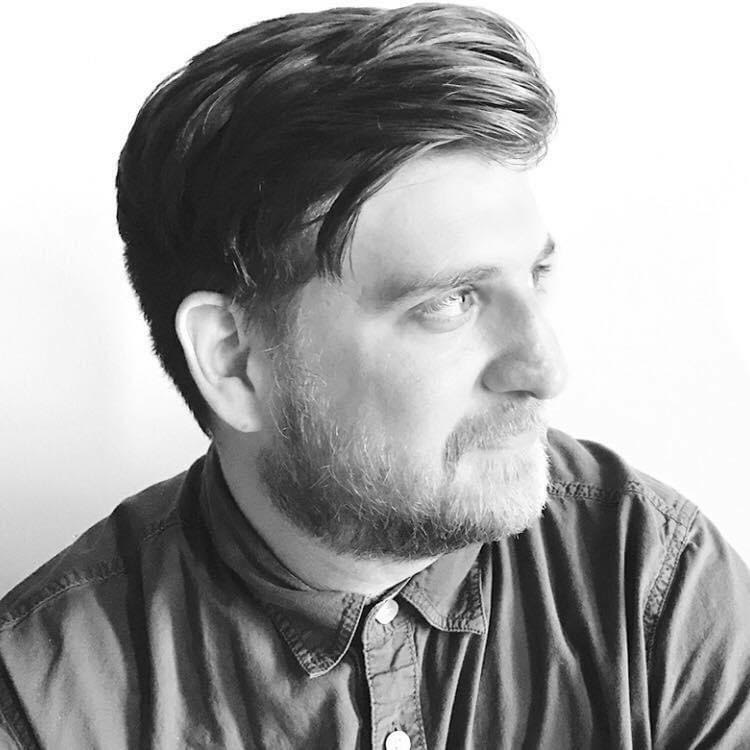
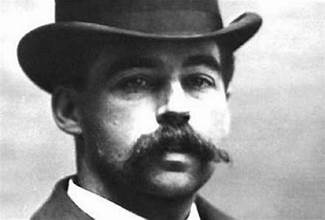
 I live in a great city. I live in Baltimore, and there’s such a thriving arts community here, and to be honest, it is a community that I would love to get more acquainted with. I was lucky enough to have a network of people who had theater experience and also just were really good actors. Some people had less experience, but a lot of raw talent and distinctive voices. I lucked out in having so many people come to be a part of this.

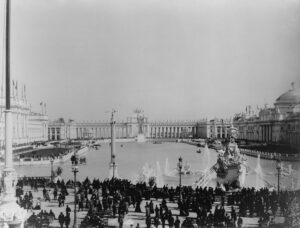
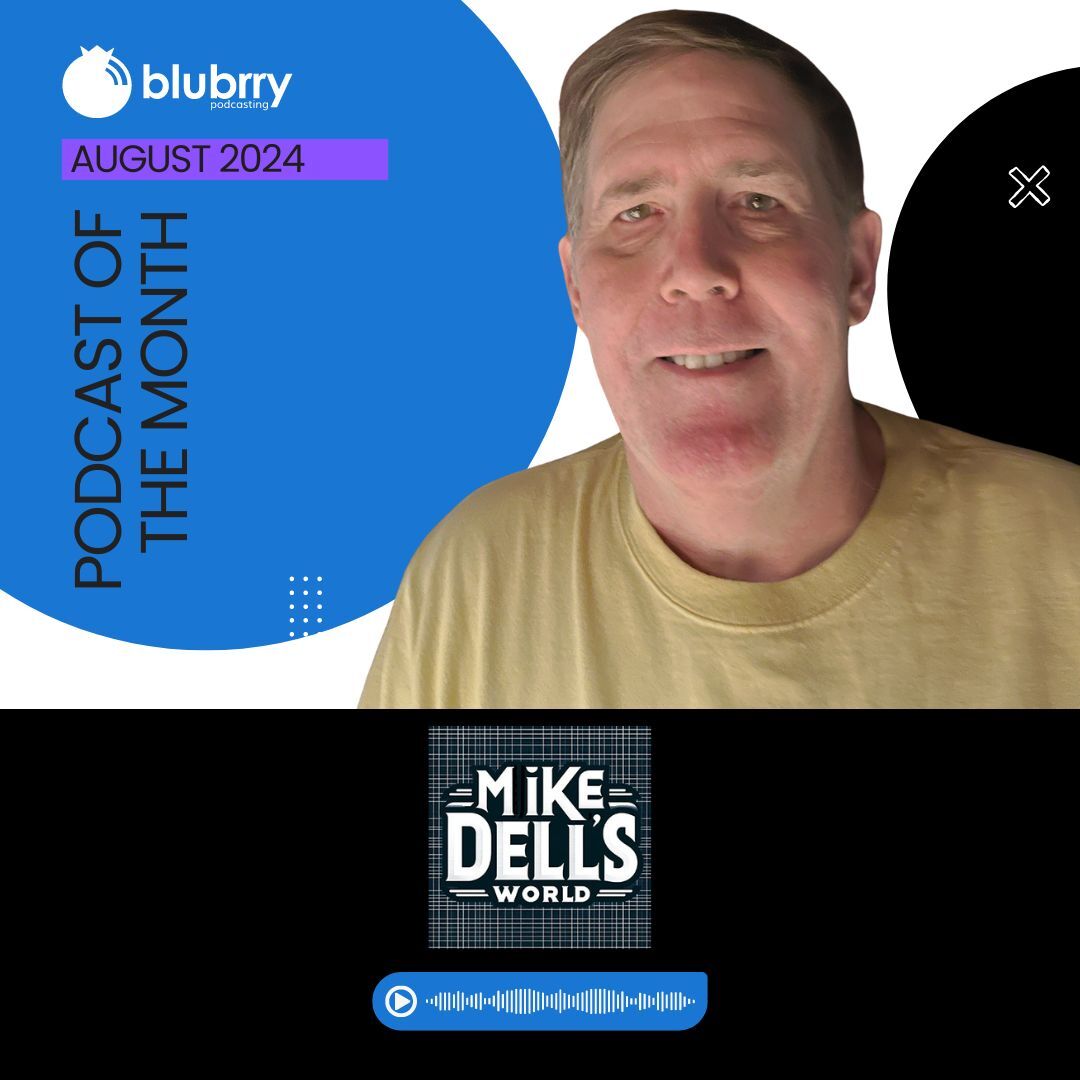
 At Blubrry, we take great pride in celebrating our podcasting community’s unique stories and achievements each month in our Podcaster of the Month feature. However, this August, we’re turning the spotlight inward to recognize one of our own. Our very own VP of Customer Relations, loyal team member, and longtime podcaster Mike Dell has been chosen as Blubrry’s Podcaster of the Month. This honor highlights his exceptional contributions to the podcasting world and serves as a testament to the incredible talent within our team.


 Here is the list of shows I’ve done, as I remember it. There are likely more that I forgot.
 A holistic nutritionist, life coach, journalist, speaker, and host of the acclaimed podcast
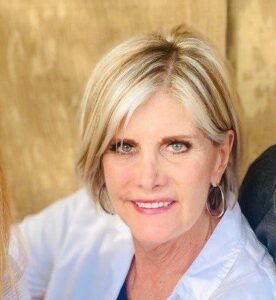

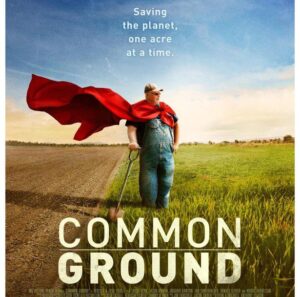
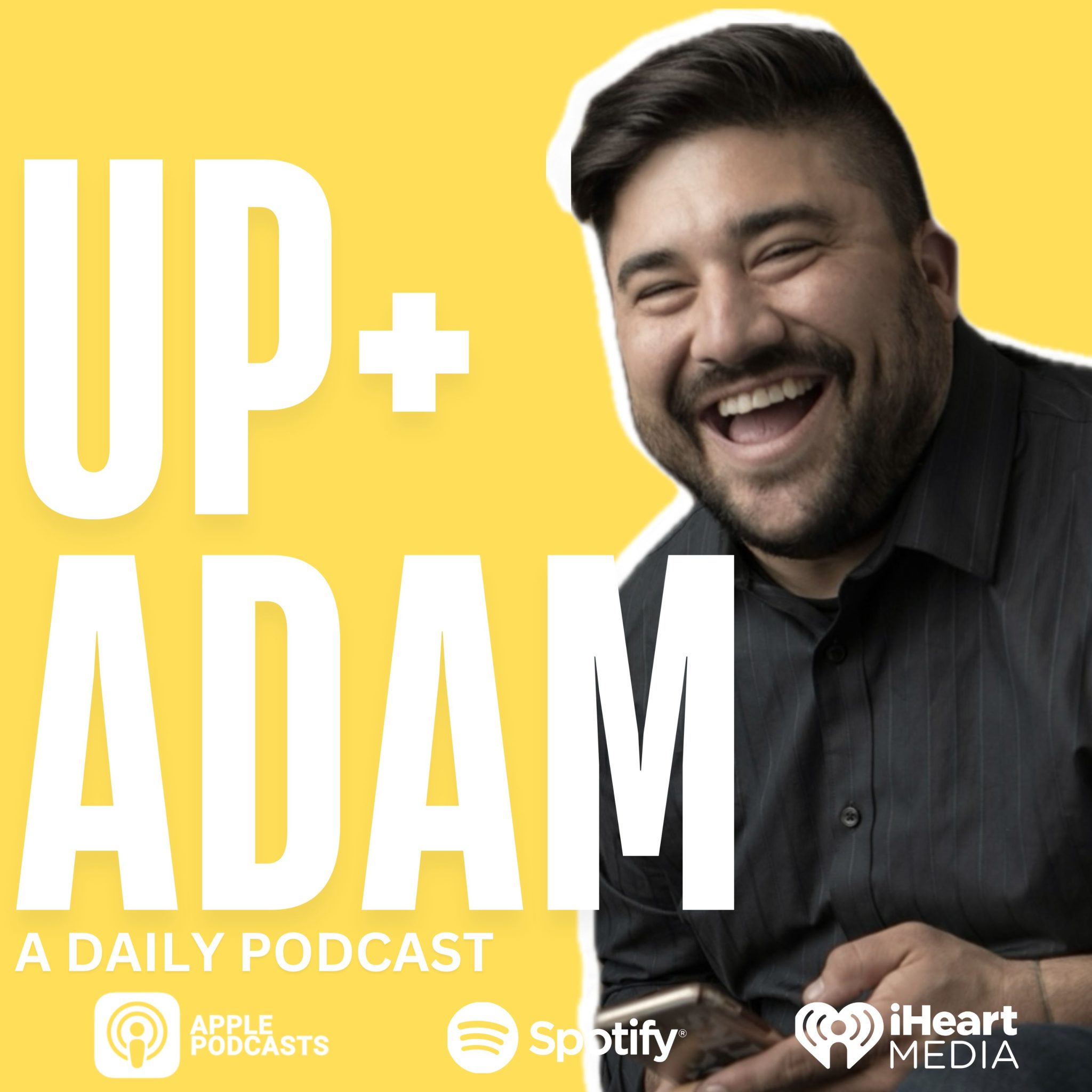
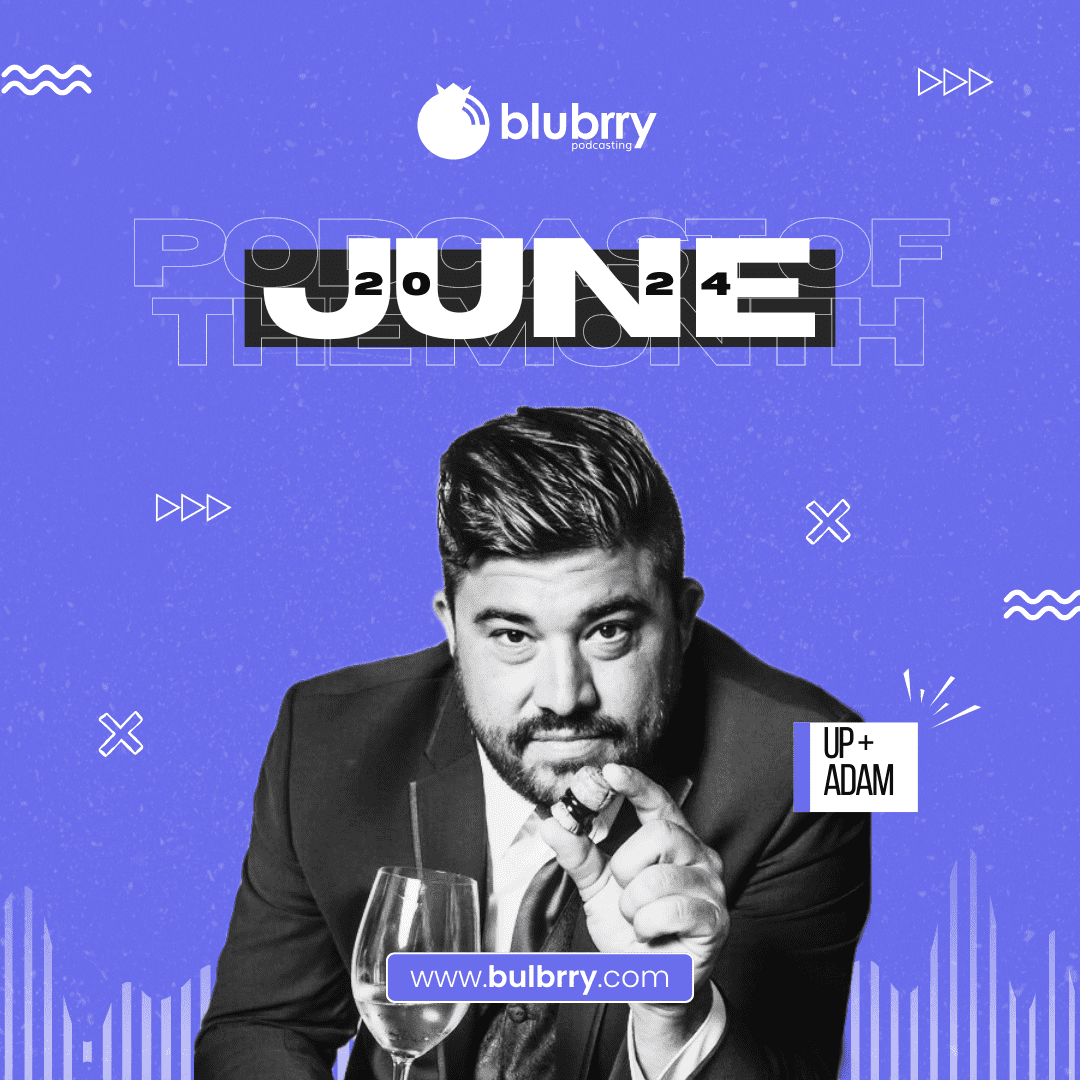
 Between hosting and producing, you manage four podcasts. Each publishes on different time schedules. How do you plan your schedule for recording and production? Do you have any recommendations for other podcasters who manage multiple shows?
 Where Wine Takes You: A Paso Wine Podcast
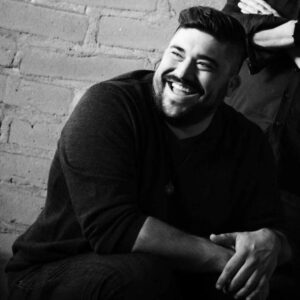

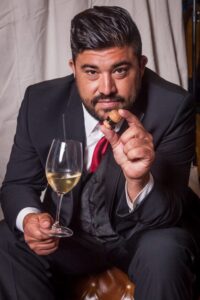

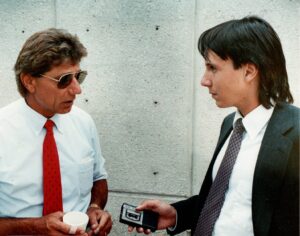
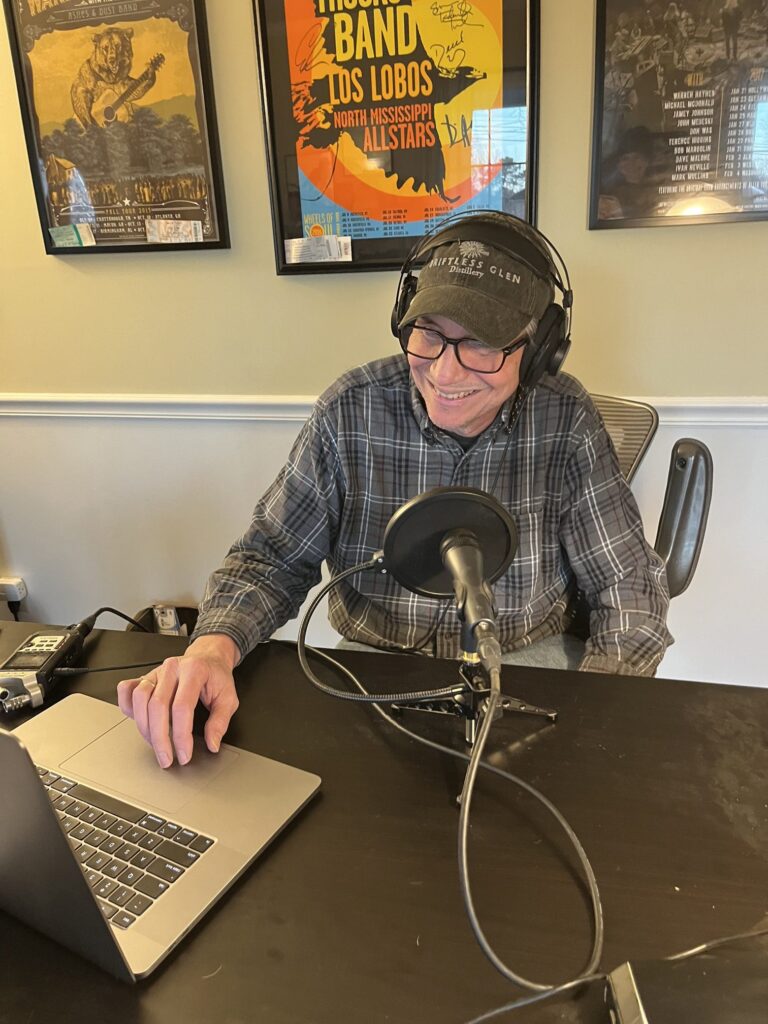
 The Business Of Trucking With John Turner CPA:
 The Highway To Health:
 Safety Matters:
 The Grawe Pod:
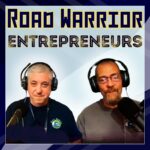 Road Warrior Entrepreneurs:
 The National Truck Driving Championships:
 SCF Highway To Hope:
 Destinations From PodWheels:
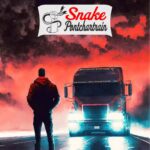 Snake Pontchartrain:
 One of the most beautiful and compelling aspects of podcasting is the ability to spread kindness, self-awareness, and resilience to those who need it most . . . all without having to be face-to-face. Our April Podcaster of the Month, Cheryl Jones understands and fully appreciates how life’s burdens don’t become easier as the years roll on, rather they can build and multiply throughout the aging process. Jones shares her wisdom and supports others through her podcast
 Many people over 55 want to develop a new sense of purpose for this next chapter. Those of us with
 My priority for launch was to become a trusted resource for listeners. Soon I’ll be introducing guests who will talk about things like what spirituality is, the role of exercise in managing cancer, sex, romance, and aging, how to overcome ageism in the workplace, and more. I’m asking listeners what they want to hear more about and researching topics addressed by industry leaders on healthy aging.
 I was a heavy-duty wine enthusiast. I had a wine cellar in my house that could seat about 18 people, so I would have small groups of people come to my house on a pretty regular basis. We would go down to the wine cellar in the evening and remain down there for hours. I was not a wine collector; I wasn’t interested in that. I was interested in wines that were excellent but mostly reasonably priced. I hated, and I mean truly hated, wine snobs, and I would often go into a rant about these people who were going on and on about what they tasted in a wine, knowing in my heart that most of it was total B.S.