Category: Podcast Insider Special Edition

  • Programmatic Advertising in Podcasting: Todd Cochrane’s Final Podcast Insider Special Edition

    Editor’s note: This conversation was recorded as Blubrry CEO Todd Cochrane’s final Podcast Insider Special Video Edition before his unexpected passing on Sept. 8, 2025. We share it here to honor his legacy, his commitment to educating podcasters, and his dedication to this community.


    Programmatic advertising has become one of the most discussed — and sometimes misunderstood — topics in podcast monetization. In this special episode of Podcast Insider, Blubrry CEO Todd Cochrane sat down with two longtime industry colleagues, Rocky Thomas, Chief Strategy Officer at SoundStack, and Matt Kellogg, who leads business development and partnerships at the company. Together, they pulled back the curtain on how programmatic works, what it means for podcasters, and where the opportunities lie.

    What Programmatic Really Means

    As Todd framed the discussion, many podcasters want to know: what exactly is programmatic advertising?

    Rocky compared it to the stock market. Podcasters make their ad inventory — time within their shows — available in an open marketplace. Advertisers then bid in real time for the chance to reach specific audiences, shows, or demographics. This creates a dynamic system where the ad that plays in a California podcast listener’s earbuds might be different from the one heard in Florida at the very same moment.

    “It’s all about supply and demand,” Rocky explained. “When there’s more demand, CPMs rise. When demand dips, they fall. The beauty of programmatic is that it brings efficiency to an industry where wasted impressions were once the norm.”

    CPMs, Bidding, and Realities of Revenue

    Matt emphasized that CPMs — the cost advertisers pay per thousand impressions — can swing widely, anywhere from $2 to $15 or more. “Advertisers want to buy as cheaply as they can. That’s just the nature of the beast,” he said.

    But as shows grow, consistency and demand-side interest often lead to stronger bidding and higher rates. For podcasters, the takeaway is clear: consistency in publishing builds trust not only with audiences but with advertisers, too.

    Todd added his perspective as both a podcaster and a hosting company leader. “I remind creators, you’re not going to get a 100% fill. But even a $2 CPM is better than zero.”

    Programmatic as a Safety Net, Not the Goal
    Rocky and Matt emphasized that direct relationships with advertisers should remain a podcaster’s bread and butter. Programmatic, they said, should be viewed as supplemental revenue — a way to optimize unused inventory, or to generate income while building toward stronger, direct sponsorship deals.

    Rocky explained: “If you’ve got a focused show and community, that’s where the real money is — direct advertisers who want to reach your audience. Programmatic is the extra. It’s the yield optimization layer that fills in the gaps.”

    Todd echoed this, drawing parallels to his own background in radio. “Local direct advertising paid the bills, while national programmatic added the extras. The same thinking applies to podcasting.”

    Quality, Consistency, and Listener Experience

    One worry podcasters often raise is whether programmatic leads to low-quality, irrelevant, or “remnant” ads. But Rocky reassured creators: “Unlike the early days of digital display ads, audio has higher creative barriers to entry. That means fewer bad ads slip through. And with tools like blacklisting and category controls, podcasters have more say than ever.”

    Todd also cautioned podcasters against overloading their episodes with ad slots. “I’ve stopped listening to shows that sound like radio, with five pre-rolls and breaks every few minutes. For an hour show, one or two pre-rolls and a couple of mid-rolls are plenty. Respect your listeners, and the revenue will balance out.”

    Looking Ahead

    The conversation underscored how complex programmatic systems are — and how much potential they still hold. Matt noted that programmatic fill rates vary based on content quality, consistency, and advertiser demand, with some shows reaching up to 100%.

    Rocky added that greater demand, especially from big brands, is emerging. “As more advertisers recognize the power of podcasting, we’re seeing healthier competition, less listener burnout, and better prices for inventory.”

    Todd closed the discussion by urging podcasters to stay consistent, strategic, and open to new monetization tools — while never forgetting the importance of building community and trust.

    Share your photos and write your memories of Todd on our Facebook wall!
  • Dave Hamilton: How Podcast Advertising Works

    Dave Hamilton: How Podcast Advertising Works

    In this special edition of Podcast Insider, Blubrry CEO Todd Cochrane sat down with longtime friend and industry veteran Dave Hamilton, co-founder of Mac Observer and BackBeat Media. Their wide-ranging conversation revisited the early days of podcasting and delved into the ins and outs of podcast advertising — how it’s evolved, what podcasters should expect, and why a personalized approach still matters.

    Dave’s podcasting story began in 2005, when he launched Mac Geek Gab, a show that remains strong and is set to celebrate its 20th anniversary. “Mike Dunn from Hearst told me I needed to start a podcast. I didn’t want to host it, but I never handed it off,” Dave recalled. That decision led to podcast ad representation for others and the evolution of BackBeat Media into a powerhouse of personalized advertising solutions.

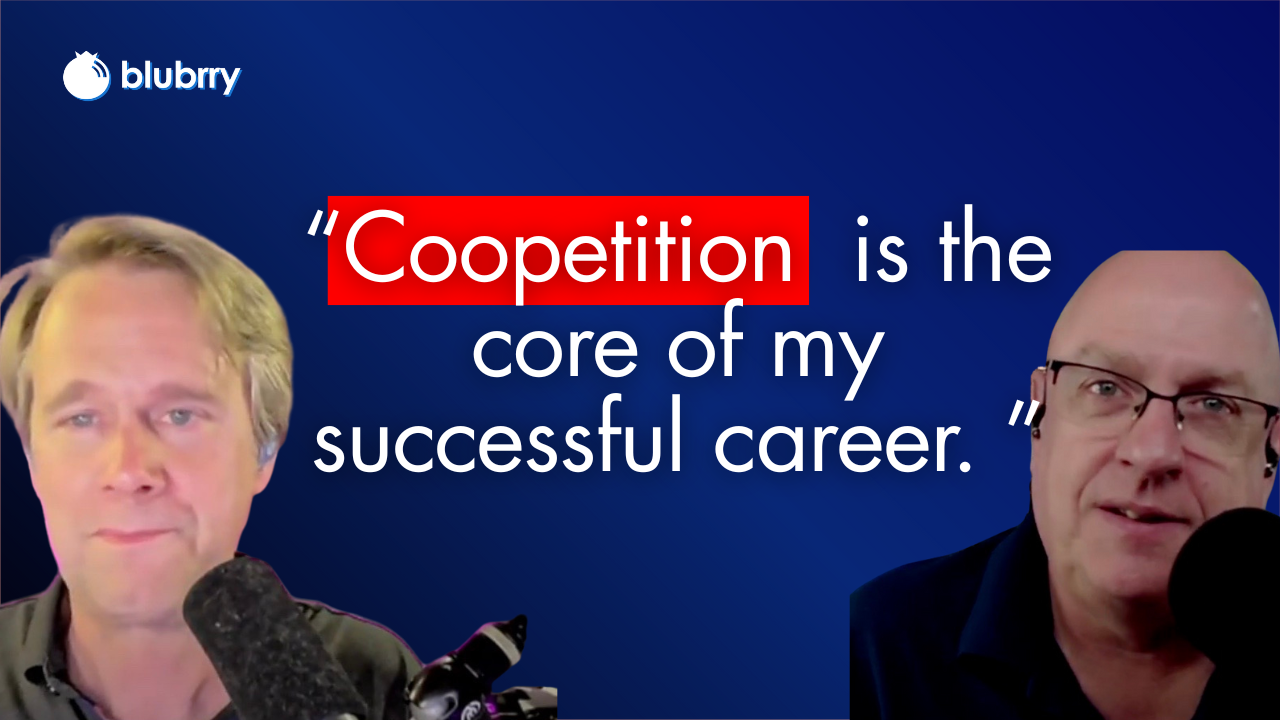
    Todd, whose own deal with GoDaddy helped kickstart Blubrry, praised the spirit of “coopetition” they both embraced. “We were competitors on paper, but it made more sense to share notes. The rising tide really did lift all boats,” Todd said.

    BackBeat Media’s success, Dave explained, stems from its dual identity. “I am a podcaster, and I run BackBeat. We’ve built this business to be what I want as a podcaster,” he said. That means clear qualifications, respectful collaborations, and a focus on long-term partnerships, not quick ad churn. “Every host has veto power at every stage,” Dave emphasized. “If you don’t want a sponsor, we don’t want to give you that sponsor. It (would be) bad for everyone.”

    He outlined the ad process for newcomers: “If you’re getting 3,000 to 10,000 downloads per episode, we can talk. Everything works on a rev-share model, and the majority goes to the podcaster.”
    Once a show is onboarded, BackBeat starts pitching. Hosts are given talking points—“usually a bullet list,” Dave noted — with one required call-to-action line, while the rest stays in the podcaster’s voice.

    Todd discussed the benefits of having a buffer between podcasters and advertisers. “You guys being in the middle — that intermediary role — is crucial,” he said. “You know how to talk to the big ad agencies, and that’s not something most podcasters want to do.”

    BackBeat’s agility has also allowed it to grow responsibly. “We’re not aiming for a thousand-show network,” Dave said. “We prefer representing around a hundred shows well. That way, we can have real conversations and know your show’s unique opportunities, like YouTube or TikTok integrations.”

    Campaign timelines have also changed. “There are test campaigns and core campaigns,” Dave explained. “Test campaigns are usually shorter, 4–6 weeks, to evaluate a show’s performance. If it works, they move to core, longer-term plans.”

    For Todd, it’s about trust. “You built systems that work because you still live this. You know the hustle. You understand the vetting, the urgency, and the reality that sometimes a deal appears overnight.”

    Dave summed it up perfectly: “This business is both ‘hurry up and wait’ and ‘hurry up then wait.’ That’s why we’re here — to be efficient, responsive, and make it work for everyone involved.”

    Their conversation was a reminder that podcasting, despite all its growth, is still rooted in relationships — and that those who honor the craft, the listeners, and the creators are the ones who’ll keep it thriving.

  • Heather Osgood: Podcast Advertising, Then and Now

    Heather Osgood: Podcast Advertising, Then and Now

    On this special edition of Podcast Insider, Todd Cochrane, CEO of Blubrry Podcasting, sat down with Heather Osgood, founder of True Native Media, to discuss the evolution and current landscape of podcast advertising. With a rich background in ad sales and entrepreneurship, she has been at the forefront of connecting podcasters with advertisers for nearly a decade.

    Heather launched True Native Media nine years ago with the mission to represent independent podcasters. At the time, most agencies only worked with shows that had thousands and thousands of downloads per episode. Heather saw untapped potential in smaller shows and proved otherwise to the market, successfully selling ads on more modestly sized podcasts.

    “I started the company really to service the independent creator,” she explained. “At that time, you had to have 50,000 downloads per episode to get representation. I knew I could sell podcasts that were smaller than that.”

    While her agency now partners with larger shows as well, her initial goal to empower indie creators continues to resonate.

    The Rise of Dynamic and Programmatic Ads

    A central theme in Heather and Todd’s conversation was the shift from embedded to dynamic ad insertion. In the early days, ads were baked into episodes permanently, which limited their flexibility. Today, dynamic ad insertion allows ads to be swapped in and out across an entire catalog. This has made smaller shows more attractive to advertisers, enabling higher overall impression counts and better campaign scalability.
    “With dynamic ad insertion, we can serve a much larger number of impressions,” Heather noted. “An advertiser can come to us, and we might say, ‘This show has 10 to 15,000 unique listeners, but we can serve you 50,000 impressions over 30 days.’ That really has helped us.”

    Programmatic advertising has also taken center stage. Osgood highlighted that while CPMs (cost per thousand impressions) in programmatic campaigns may not reach the heights of direct host-read ads, the trade-off in convenience and predictability is significant. Many podcasters value the “set-it-and-forget-it” nature of programmatic ads, especially when those earnings cover production costs or fund growth strategies.

    Attribution, Brand Safety, and Targeting

    With the growing sophistication of podcast ad tech, attribution and brand safety have become top priorities. Heather emphasized the importance of pixel tracking, noting that it has become a non-negotiable for many advertisers.

    “Having pixel tracking is more important than anything else,” she said. “Advertisers don’t really care where the results are coming from—they just care that the results are there. And the pixel can prove that.”

    Brand safety tools also help ensure that ads align with show content, offering contextual targeting and geotargeting options, especially crucial for programmatic ad buys.

    The Video Conundrum

    Todd and Heather also tackled the ongoing discussion between audio and video in podcasting. While video podcasts and simulcasts are gaining popularity, Heather cautioned against abandoning audio.
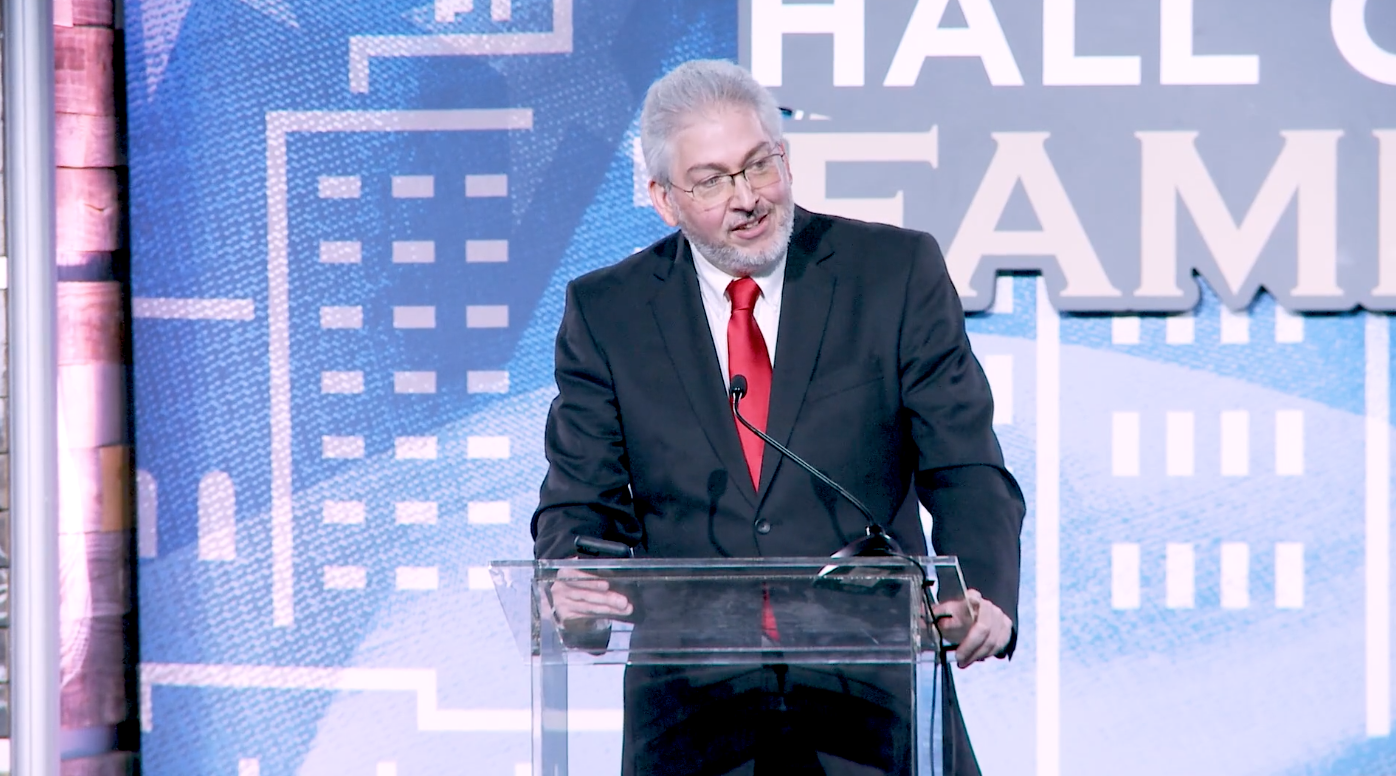

    “Audio is still superior to video in the podcast space from an advertising perspective,” she stressed. “There’s a huge push to video, but we can’t lose sight of the fact that we are an audio platform.”

    Advertisers continue to show stronger interest in audio inventory, and listener engagement tends to be deeper, especially with retention rates around 80%. Meanwhile, YouTube viewership can be unpredictable — some videos explode in popularity while others stagnate.

    A Dual Strategy for Monetization

    Ultimately, Heather advocates for a hybrid model combining direct host-read ads with programmatic placements. This dual strategy allows podcasters to maximize revenue without sacrificing listener experience. For those just starting out or operating on smaller budgets, programmatic can be a lifeline—one that not only offsets costs but also incentivizes growth.

    As podcasting continues to mature, industry leaders like Heather Osgood and Todd Cochrane are helping creators navigate the evolving ecosystem. One thing remains clear: in podcast advertising, flexibility and innovation are key.

  • Dave Jackson: A Podcasting Pioneer and Educator

    Dave Jackson: A Podcasting Pioneer and Educator

    In a special edition of Podcast Insider, Blubrry CEO Todd Cochrane welcomed longtime friend and podcasting legend Dave Jackson to reflect on the evolution of the medium and his trailblazing role in it. With nearly two decades in the space, Jackson has not only witnessed the podcasting world grow — he’s helped shape it.

    Dave Jackson Podcast Hall of Fame Induction

    Jackson launched the School of Podcasting in 2005, becoming one of the first dedicated podcast educators in the industry. His dedication to teaching dates back even further, having once trained people on how to use fax machines and email — a far cry from today’s digital audio tools. Since then, he’s become a guiding voice for aspiring podcasters worldwide, equipping them with knowledge, support, and encouragement.

    From early days filled with creative, experimental shows to today’s ad-heavy, radio-style formats, Jackson has seen it all.

    “Back then, we didn’t want to be radio,” he said. “Everyone was trying something different. Now it feels like everyone wants to do the same thing.” Despite the shift, he’s remained committed to helping podcasters stay authentic and audience-focused.

    In 2018, Jackson was inducted into the Podcasters Hall of Fame, a fitting recognition for someone whose fingerprints are all over the podcasting community. His book Profit from Your Podcast is another milestone, offering actionable advice to creators looking to turn their passion into sustainability — not by chasing charts, but by knowing their why.

    “Most people don’t realize the biggest thing holding them back isn’t tech — it’s their mindset,” Jackson told Cochrane. He shared stories of coaching podcasters through fear, imposter syndrome, and perfectionism. Whether it’s the pilot who was afraid of sounding stupid or the countless would-be podcasters who sign up for hosting accounts and never publish, Jackson continues to meet creators where they are and help them take that vital first step.

    Todd and Dave emphasized the importance of consistency, patience, and purpose. Jackson broke it down: “Year one, you’re finding your voice. Year two, you grow your audience. Year three, your audience starts spreading the word.” It’s a far cry from the fantasy of overnight success — and that’s exactly why Dave’s advice rings true.

    As tools become more user-friendly and platforms expand, Jackson believes that podcasters need less gear and more heart. “When your desire to serve your audience is stronger than your fear of looking dumb, that’s when you finally hit record,” he said.

    Jackson’s impact can’t be overstated. From mentoring thousands through School of Podcasting to championing values like passion over profit and connection over clicks, he’s helped transform podcasting into what it is today — not just a medium, but a movement.

    Dave Jackson isn’t just part of podcasting history. He’s still helping shape its future, one episode, one student, and one voice at a time.

  • Elsie Escobar: Pioneering a Path for Diverse Voices

    Elsie Escobar: Pioneering a Path for Diverse Voices

    In this special edition of Podcast Insider, we delve into the inspiring journey of podcasting pioneer Elsie Escobar, who has been crafting audio content since 2006. As a community leader, she offers unique insights into the evolution of women’s voices in the podcasting landscape.

    Elsie Escobar
    Elsie Escobar

    Elsie’s podcasting path began with a yoga podcast that stood out from the prevalent chat shows of the time. Her unique audio yoga classes quickly gained traction, cementing her position in the early podcasting community. What started as a creative outlet soon transformed into a mission to uplift underrepresented voices in the medium.

    “Podcasting provided me the freedom to be myself, unlike my Hollywood experiences where I was told who I was and couldn’t deviate from that image,” Elsie said, highlighting how podcasting offered liberation from industry constraints.

    The early podcasting landscape in Los Angeles welcomed Elsie through communities like Lance Anderson’s L.A. Podcasters group. Despite being new to the medium, she was invited to participate in a women-in-podcasting panel after just two months of experience — an opportunity that made her feel seen and valued in a space where female voices were scarce.

    Building Communities and Overcoming Barriers

    Around 2014, Elsie co-founded She Podcasts, creating a safe space for women and non-binary podcasters to learn and grow without judgment. The community emerged in response to what Elsie found as intimidating and often condescending advice prevalent in male-dominated podcasting spaces.

    “The initial focus was on encouraging women to simply get behind the microphone,” Elsie explains, addressing the pervasive impostor syndrome many women face. Before tackling brand messaging or monetization strategies, the fundamental challenge was overcoming internal barriers — fear of judgment, aversion to their own voices, and persistent self-doubt.

    Women podcasters face unique challenges beyond content creation itself. Elsie recounts recording on her bed, in hallways outside her children’s classes, and while managing childcare responsibilities — a stark contrast to the assumed image of a podcaster in a dedicated studio. It wasn’t until 2021, after years of improvising, that she achieved a proper studio setup.

    Monetization and Self-Promotion Challenges

    While monetization strategies between male and female podcasters are largely similar, Elsie notes a critical difference: “Women podcasters, deeply connected to their communities, often struggle with asking for money.” This reluctance stems from their strong emphasis on community value, making it difficult to transition to a business mindset.

    Self-promotion presents another hurdle. “There’s a need to claim space and actively seek opportunities,” Elsie emphasized, noting women tend to champion others’ work more readily than their own. Even when women do promote themselves, they often face pushback, creating a persistent struggle.

    Content Style and Representation

    Content analysis reveals interesting patterns. While men’s podcasts tend toward assertiveness, women’s shows often provide more emotional depth and information-rich content. Elsie acknowledges the inspiration drawn from assertive female podcasters, contrasting it with her naturally softer approach and highlighting the effort required to assert positions clearly.

    Despite progress, representation issues persist. Elsie expresses frustration at consistently being the “token woman” on panels, questioning why other successful women aren’t invited. “I’m tired of being the only woman on panels,” she states, emphasizing that organizers need to actively seek diverse voices rather than adding women as afterthoughts.

    Future Outlook and Advice

    Looking forward, Elsie believes women excel in content creation due to their multimodal approach — effectively utilizing various formats and understanding how different content types work together. Women’s creativity often stems from necessity, born from juggling multiple responsibilities and adapting to limitations.

    Her advice to aspiring female podcasters is refreshingly simple: just start. “The act of speaking and giving voice consistently is a valuable lesson in itself,” she suggests, emphasizing that podcasting’s transformative power lies in the process, not necessarily in audience building or business outcomes.

    As the podcasting landscape continues to evolve, voices such as Elsie’s remain crucial in ensuring the medium fulfills its promise as a truly democratized platform where everyone, regardless of gender or background, can share their unique perspective with the world.

  • Daniel J. Lewis: A Voice for Podcasting Excellence and Affordability

    Daniel J. Lewis: A Voice for Podcasting Excellence and Affordability

    Daniel J. Lewis
    Daniel J. Lewis

    Daniel J. Lewis, inducted into the Podcast Hall of Fame in 2024, has been an outspoken and prominent figure in the podcasting industry since 2007. His mission is clear and impactful: “I educate, advocate, and innovate for podcasters and the podcasting industry.”

    Through his shows like The Audacity to Podcast, The Future of Podcasting, and Podcasters Roundtable, Lewis has been a driving force in shaping the evolution of audio production in podcasting.

    What started as a simple desire to make people laugh through a clean comedy podcast has transformed into a career dedicated to elevating the podcasting medium. Lewis’s technical background in production, public speaking, and design positioned him uniquely to identify gaps in podcast education and methodology, leading him to create resources that have helped countless podcasters improve their craft.

    Key Highlights:

    • The Power of Audio Persists: Despite the push toward video content, Lewis emphasizes that approximately 95% of podcasts remain audio-only, highlighting the enduring strength of the medium.
    • Freedom in Distribution: The podcasting landscape offers unprecedented control over content distribution, allowing creators to maintain their authentic voice without traditional media constraints.
    • Quality Over Equipment: While technology has become more accessible and user-friendly, Lewis stresses that technique and recording environment matter more than expensive gear.
    • The YouTube Debate: Lewis challenges the notion that YouTube is the dominant podcast platform, arguing that the distinction between video content and podcasting needs a clearer definition.

    In addressing the video versus audio debate, Lewis offers a balanced perspective. While acknowledging video’s potential benefits, he firmly believes podcasters shouldn’t feel pressured to incorporate video content. “I really do not like this pressure that I see podcasters getting that’s making them feel stressed like they have to do video in order to be successful,” he says.

    Lewis’s technical recommendations for aspiring podcasters remain practical and accessible. He particularly advocates for the Audio-Technica ATR2100X USB microphone, praising its versatility and quality for beginners to experienced podcasters. His emphasis on proper technique and recording environment over expensive equipment has helped demystify the technical barriers to podcast creation.

    As the podcasting industry continues to evolve, Lewis remains committed to his founding principle: helping podcasters succeed by focusing on what truly matters – creating quality content that resonates with their intended audience, regardless of the medium chosen for delivery.