

Category: Learning

  • Tips for Networking

    Tips for Networking

    Networking10 Tips for Networking with Other Podcasters

    Whether you are about to attend a huge event such as the fast-approaching Podcast Movement or a small gathering of podcasters in a city near you, there are a few things you can do to make your experience of networking more fun, productive and effective. The good news is that as a whole, the podcast industry is made up of friendly, curious, intelligent people who know that collaboration and connections are what move the pod-world forward. If you are a seasoned networker or can barely step into an event without breaking a sweat, follow these 10 simple tips and your networking experience may pleasantly surprise you. 

    Quick Reminder: If you want to be there, you belong there! Many people suffer from imposter syndrome or nerves when socializing and you aren’t alone. Instead of focusing just on yourself, think of how your interaction can be of service to others. Listen to the stories of the people you are talking to, and truly try to connect from a level of seeing what they might need and/or how you can help. Instead of getting overwhelmed and bolting, plan small breaks throughout your networking time where you can get a drink of water and get some fresh air. Enjoy the experience. One of my favorite things about podcasting events is how podcasters tend to subscribe to each other’s shows rather than swap business cards. It goes both ways, so make sure you are connecting with others in a way that you would desire yourself.

    1. Make sure you are stocked up on what you need to network. This includes your laptop or notepad, spare pens, phone chargers, business cards and a way to neatly capture the cards of others.

    2. Do your homework. Look at the schedule of events before and plan what you want to see/hear and who you might like to try and get to know. Learn a little about them by going to their LinkedIn or podcast/business page to see what they’ve been up to.

    3. But be willing to adapt and pivot. Don’t stay at a talk or lecture just because you had told yourself you wanted to go if something new comes along that speaks to your heart even more. 

    4. Dress for the type of networking you want. Whether it’s sneakers and a T, or a suit, dress in a way that makes you feel confident and puts your best foot forward. Personally, I’m less excited about networking when my outfit is cutting off circulation or annoying me in some way. I’ll stay longer and be more “myself” when I’m dressed in a way that makes me feel great. 

    5. Plan ahead to order and bring merch or promotional products promoting your podcast or company to give to people as you meet them. This can include keychains, stickers, magnets, shirts, or that chapstick that seems to never run out. Keep them handy and ready to give out at a moment’s notice.  

    6. Know your numbers. It’s important to arm yourself with information about your show – not that you want to offer it up in casual conversation, but in case you meet someone who wants to know from a business standpoint. This includes your weekly and monthly downloads, your overall demographic, age, location, etc. (made easy by Blubrry Stats), and what hosting platform you are on.

    7. Memorize the one- to two-sentence answer for when someone asks you about your podcast. For example, my stock answer when someone asks is: “My show is called Campfire Sht Show. It’s a weekly comedy podcast about the ‘sht show’ moments of life. We interview guests, but also just do episodes where it’s my co-host and me. It’s been going for about five years and I love doing it!” 

    8. Use your network. As you talk to others, even if you directly can’t help them along in their mission, you may know someone who can. Make introductions of people who you think could benefit from lifting each other up. 

    9. It’s about quality over quantity. At every event, I make it my goal to just meet or talk to two new people. Two. That’s it. To me, that’s a success. It’s not about speed networking or trying to get in front of the most popular person in the room.

    10. Network with us! The Blubrry team is super knowledgable, friendly and always ready to high five or just say a friendly hello at networking events. Look for us at Podcast Movement! Follow Blubrry on Podcast Insider to stay up to date on all podcast news while you are enjoying that break. Be sure to follow @Blubrry or @Blubrry_podcasting on Facebook, Twitter, LinkedIn and Instagram.

    ____________

    Meryl Klemow

    Meryl Klemow is a podcast writer, guest booker, and co-host of the Campfire Sht Show podcast. Meryl is a part of the Blubrry content team, and a Senior Copywriter at Podfly Productions. She also has a T-shirt line, Pre-Canceled. Say hi to Meryl on Instagram at @MerylKlemow.
  • Your Company Should Be Podcasting

    Your Company Should Be Podcasting

    CompanyIf you’re ready to be nominated for employee of the month, or possibly employee of the year, it’s time to suggest that your company start a podcast. There’s nary a company in existence that wouldn’t benefit from starting its own podcast. Whether you sell a product, offer a service, or anything in between, there’s no downside to promoting your brand on your own terms and own time.


    ON PITCH

    You may clearly see the value of a podcast for your company, but getting the rest of your team on board might take a little more convincing. The higher-ups could be concerned that this would take time away from the tasks you already have. Or, they may not truly understand how their brand fits within a podcasting format.

    Crafting a convincing pitch involves not only mapping out the format and episode details, but also demonstrating that podcasting is a low-time commitment, yet high-impact means to raise brand awareness. Point out the benefits of crafting your company’s message and making that message available 24 hours a day for possibly years to come.

    A podcast can be about more than just a company’s message; it can also be a fun way to bring a staff together. You likely have coworkers that would love to work on the company podcast, which could potentially boost morale and foster an even greater sense of teamwork.

    LOW COST, HIGH RETURN

    As many of Blubrry’s previous articles have already covered, podcast listenership is increasing with each passing day. Sure, many people listen to the chart-topping podcasts, but niche podcasts have incredibly loyal listeners.

    A podcast gear startup kit can be purchased nearly anywhere and be setup in any quiet space. The only other recurring cost is your hosting site, which should be Blubrry so we can help you grow with your show!

    After those costs, it’s truly up to you and your team what kind of bells and whistles, if any, are needed to help customers find your message and content. Your team can release episodes at whatever rate works for your workflow. Adding special episodes for product releases, holiday sales or any sort of special news may be another way to add value to your podcast, without having to add anything to what has already been spent.

    THE MARVELOUS MARKETING DEPARTMENT

    If your company has a marketing department, odds are they already have money earmarked for advertising and innovative ways to promote the brand. Approaching the marketing department with your podcast idea is a great place to start.

    HOOK A HOST

    Some industries have influential people within their field who are looking to diversify their image. Perhaps you work in design and there’s an artist you’ve been dying to connect with. Why not contact that artist to see if they might want to host the show on behalf of your company? Approaching a like-minded, industry-known host can further broaden the potential for the company’s podcast reach and be mutually beneficial for both sides.

    RECORD TODAY, PODCAST FOREVER

    No matter what gear or episode format you choose, once your episodes are posted, they are out there for as long as your company wants them to be. You can have an episode detailing the benefits of a specific aspect of your brand and you only had to record and produce it once. The upfront effort could pay off for your business for years to come.

    LISTEN IN NEXT WEEK…

    No longer do you have to wait for larger media outlets to tell the world what your business is all about. Your team can craft the message you want your customers to know about your company and you can release that message on your timeline, and on your terms. There isn’t another advertising medium available to businesses of all shapes and sizes quite as powerful as podcasting.

    Written by: Tara Jean O’Brien

    Tara Jean O'BrienTara Jean O’Brien has been a writer, actor, improviser, podcaster, and stand-up for nearly 800 years. When not producing, editing, and hosting her podcast, Single Vs. Married, or co-hosting, Cinema Craptaculus Presents: B-sides, she also writers on Medium and recently found a floor safe hidden in her coat closet.

  • Stalking Your Prospective Audience Without Being Creepy

    Stalking Your Prospective Audience Without Being Creepy

    Using Social Media to Locate Podcast Listeners

    StalkingA podcast audience is usually built slowly, mostly by word of mouth. Personal recommendations have always been the most valuable way to spread the news about any new product. While it might look better to buy social media ads, in many podcasters’ experiences, ads on the social media platforms aren’t very effective.


    Here’s why:

    • The podcaster doesn’t specify the audience they want to reach. 
    • The social media platform has primarily a different audience.
    • The ads themselves are not compelling or don’t stand out to get attention.
    • The investment is too small to make an impact.

    So what do you do to build an audience?

    1. Build Your Credibility

    Social media isn’t a waste of time. It’s simply how you approach it. Your audience is probably on some or several social media platforms. But which one?

    Doing research into your ideal listener will identify what platform you want to be on: It’s not only about what’s the most popular right now. TikTok currently has a large impact, but so did Myspace before Facebook plowed it under. Did anyone predict the recent resurgence of Reddit?

    Once you find out where your people are, get there yourself. But don’t announce your podcast just yet.

    Build your credibility and your name by participating in groups, discussions, comments and messages on the best platform for you. Reddit, for example, has participation restrictions written into the platform and the audience there can be challenging. Drop in and announce your podcast without creating a persona there and the other Redditors will react – often not in the way you want.

    Still, Reddit is becoming a big player these days. Even national news magazines such as Newsweek now use Reddit stories as content. There are podcasters who are publishing content on Reddit, but they’ve been on the platform for a while. When you go on Reddit and find podcasters promoting episodes, it’s because they’ve built an audience.

    This sounds very chicken-and-egg but, in fact, those podcasters did the work on Reddit to start out with and built their credibility before making announcements about their shows. One technique I’ve seen used by new podcasters/Redditors is to enter a conversation with a question for the original poster, and take time before recommending a particular episode of their own podcast. So, if you’re a new podcaster, you’ll need to build up your library at the same time.

    2. It’s About Content and Relationships

    This American Life is a highly regarded, well-known podcast that started on radio. At one point, that organization decided to take the risk of putting its content out for people to listen on their own schedule, aka a podcast. Back in the day, getting a repeat or rerun was subject to the whims of the producers. Now it’s in our hands as listeners. This makes a different dynamic – one that favors podcasters. We reach our audience on their terms.

    This is why our content makes a play for the audience through more personal and intimate methods. We are asking for the most valuable commodity a listener has: their time. If we’re not respecting that, we’ll never gain their attention.

    Great content delivered in an echoey, hard-to-hear format is as useless as perfect sound but useless information. Yet it’s not only about the quality of the sound in the podcast. To provide content in the way our audience wants to hear it, we could reconsider the “throw it on the wall and see what sticks” method of content development.

    Finding out what people want challenges us. But social media platforms have a wealth of answers when you’re willing to do the searches to find out.

    Suppose your podcast is about the television smash hit Bridgerton. The next season’s release date is on the lips of every fan. Promos are coming out, theories are discussed. If you’re into historical romance, those discussions can provide you with potential content:

    • What is it about that first season that people loved and are looking for in the next?
    • What other books/series do these fans follow?
    • How does the book series differ from the show?
    • How did the producers reproduce the look described in the story into the visual world of TV?

    When you know what your audience is asking for, you can provide it. Respect and relate to your audience. When you’ve earned the right to promote your podcast, then you’ll see your audience grow because you’ve invested the time on social media to get to know them.

    But not in a stalker way. Don’t do that. That’s creepy. Keep it professional. Keep it respectful. Keep it fun.

    Need more tips on growing your audience? Check out Blubrry’s free, online Podcast Manual and let us know what has worked best for your show on our social media.

    Twitter
    Facebook
    Instagram
    TikTok
    LinkedIn

    ____________

    Kim KrajciKim Krajci, host of Toastmasters 101 podcast, has been podcasting for 7 years and writing since the creation of the stylus and clay tablets. She also teaches speech and debate and works as a social media manager.

  • Podfaded at Podfest

    Podfaded at Podfest

    Podfest ExpoI’m going to Podfest even though I haven’t posted a podcast episode since last year.

    Yes, I podfaded – I stopped podcasting without wrapping up my podcast. I’ve never posted a “thanks for following me” episode. I just… quit. My most recent show was based on a huge topic pivot, but I used the same feed for the show, Toastmasters 101.

    People podfade for many reasons: interests wane, developing content becomes a drag, circumstances change, your boss decides it doesn’t have enough listeners. Some podcasters put a pin in their podcast and wrap it up with a final goodbye. I haven’t done so and, after eight years, I hope someone at the Toastmasters organization will pick it up instead.

    Podcasting is an emotional medium and I still love my topic, but I am ready for something new. Which brings me to why I will still be attending Podfest in 2022.

    Going to Podfest Anyway

    Yes, I’m going to Podfest anyway for three reasons.

    Getting Started?

    First, I’ve been to a few podcasting events. I won’t say anything negative about the others, but I will say this: Podfest is the most friendly and newbie-supporting podcast conference that you can attend. The amount of attention that the conference hosts – Chris Krimitsos and Andrew Weiss – put into making a Getting Started track for new podcasters is staggering. Every year, we see leading podcasting teachers speak to minimize the lead time to get a podcast launched. That commitment to new podcasters is unmatched.

    I want to start a new podcast. I may know the tech, but I don’t know the techniques of this new podcast field. Podfest has an entire track dedicated to my new interest with smart and talented speakers who will help me get going.

    Making Connections

    I love my Podfest family. Podfest is my family reunion. I’ve met people who have become good friends. I volunteer at Podfest to help with registration because I know that I’ll meet up with those people as soon as they arrive. And the new people who I help during registration will get to know me. I become a reference person who helps them get started not just at registration, but for the rest of the conference.

    Podfest may not be the biggest podcasting conference, yet it’s been building every year. But just like big doesn’t mean successful for the attendees, small doesn’t always mean intimate and personal. Podfest works to make every person’s attendance exceptional. You’ll find people who want to find you and hear your story and your voice. Seriously, you may think it’s so 20th century to have actual paper business cards, but you’ll want to bring them to Podfest. (We also like stickers. Just saying.)

    Vendors

    If you’re just getting started, let me warn you: There are “experts” out there who will want you to spend $1,000 or more for your equipment. Don’t believe it. You can get started far cheaper and still produce quality sound and content for far less. How do you know what you really need? By going to Podfest, you can attend one of the Get Started sessions and then take a stroll through the vendors hall. You can experiment with the equipment that interests you there.

    Experienced and Experience

    If you use basic equipment, you’re going to love the vendors hall. Every year, I’ve tried out new equipment that I’d otherwise continue to wish for but never would attain. If you use an ATR 2100 microphone, you’ll know what I mean when I talk about how low it sounds in recording. But when I spent an hour in the vendors hall, I got to try out different microphones, pre-amps, and gadgets that I never would have known. Because I was there and able to try out equipment, I made smart purchases that upped my podcasting game within my budget.

    It’s not just about equipment. If you’re looking to join a network, those networks who are looking for you are there. Can’t decide which host to pick? Of course, after almost a decade, I’m going to tell you that Blubrry is the best choice, but in the vendor’s hall, you can meet several and make your own choice. (And say hi to Mike Dell at the Blubrry booth.) Check out Todd and Mike speaking there: 17 Years of Podcasting Success & Strategies to Succeed Today and Podcast Rebranding 101.

    Podfaded at Podfest? Yes!

    This year, I may be in-between podcasts. But I’m going because I podfaded.

    I want to try something. I’m in that “new circumstances” point in my life. I don’t want to spend my time flailing, trying to find out what works in this new space that I want to explore. In years past, I’ve spent most of my time learning about marketing. This year, I want to find out about audio drama. I plan to attend as many of the audio drama sessions that I can to speed up my trek.

    Just because one part of my podcasting journey is ending, that doesn’t mean there isn’t more to come. And that’s why I’ll be attending Podfest on May 26 – 29 in Orlando (And I’m bringing friends!).

    If you come to Podfest, look for me. I’ll be the one in the hat, welcoming people at the registration desk. You may not be in my part of the alphabet, but make sure you say hello.

    ____________

    Kim KrajciKim Krajci, host of Toastmasters 101 podcast, has been podcasting for 7 years and writing since the creation of the stylus and clay tablets. She also teaches speech and debate and works as a social media manager.

  • Delegate It or Ditch It

    Delegate It or Ditch It

    DelegateSuccessful podcasts do not become that way by chance. They are the result of the efforts of many talented and dedicated people working together toward the same goal (and partnering with helpful companies such as Blubrry to accomplish those goals). Figuring out effective ways to work with your team is not only important in making your content shine, but it’s the most important element to nurture if you want your show to have a long lifespan.

    Podcasts require more than just a mic, a host and an idea. There’s prepping with writers, pre-interviewing guests, setting up a recording studio, figuring out where to host your content, post-production, not to mention marketing the show, creating a website, artwork, music licensing — the long and the short — there are many people that are involved in bringing a show to life.

    If you begin your show having made a list of tasks to be completed for each episode, split up your show’s tasks fairly among your team, then you’re off to a great start. But that’s often easier said than done.

    ASSESS AND ADDRESS

    What happens if you’re up and running and suddenly you feel like you’re doing the lion’s share of the work and your collaborators are just along for the ride? Address it head on. Communicate to your team what you’re doing and what you need help with. If you’ve started this journey together, the only way to move forward together is to be honest about your feelings and what you want your workload to be.

    DELEGATE

    The worst thing to do if you’re feeling overworked and under-appreciated is to sit on those feelings. If you don’t reach out for help, or don’t communicate to your team what you’d like them to do, there is more room for resentment to grow. More often than not, your team may want to take on more responsibilities. Try delegating one task and build from there. Not only will this take things off your plate, but it will also give everyone else more of a stake in the success of the show.

    GO DEEP

    If you’ve delegated tasks to your team and the tasks aren’t being completed, it could be time to consider what is most important to you. You might be head over heels in love with your show, but is the show worth losing friendships or burning bridges with coworkers over? No matter how hard you try, the inner battles will make their way into your content in some form or another.

    Even if you end a show sooner than you had anticipated, the content you’ve created is still out there. No one can take that away from you! Who knows — ending a podcast that’s burning you out, could be making room for another, even BETTER podcast, to come into your life.

    TEAM UP!

    Cultivating healthy working relationships with podcast team members is crucial to any show’s success. But cultivating a healthy relationship with your own boundaries is equally as important for the future of your podcast.

    Be sure to check out all the resources Blubrry offers to help every person on your team!

    Written by: Tara Jean O’Brien

    Tara Jean O'BrienTara Jean O’Brien has been a writer, actor, improviser, podcaster, and stand-up for nearly 800 years. When not producing, editing, and hosting her podcast, Single Vs. Married, or co-hosting, Cinema Craptaculus Presents: B-sides, she also writers on Medium and recently found a floor safe hidden in her coat closet.

  • How to Build a Podcast Buffer

    How to Build a Podcast Buffer

    CalendarPodcasting offers a beautiful, creative outlet that can turn into a real side hustle if pursued with vigor. One thing that successful podcasts always do is release with regularity. Sure, there are big podcasts that don’t have a dedicated release schedule, but they are releasing at least one episode a week. So, how do top podcasters ensure they never let their audience down?

    Never Miss a Scheduled Episode Release and Never Disappoint Your Audience

    Your podcast can be replaced. No one likes to hear this, but it’s important to hear. Listeners want something to get them through the day, and if they’ve got your podcast in their queue every week, they depend on you for that time.

    If your podcast doesn’t release for even one week, they will try to fill that time with something else, and they may end up liking that as much or more than your show. So please don’t allow them to replace you.

    Podcast Buffer Replacement

    It’s great to have a buffer episode to use in a pinch, but using it will exact a toll. After you use a buffer episode, you should consider replacing it when you have some time to do so. This will mean recording a new buffer episode.

    It can be exhausting to record an extra episode, but the benefits far outweigh the drawbacks.

    Ways to Build a Podcast Buffer

    Having a few episodes sitting in the wings is critical to the long-term success of your podcast. If you need to take a week off from recording because of sickness or complications in your personal life, you can rest easy knowing you have a few episodes ready to be released.

    Build a Buffer Before Podcast Launch

    This is the ideal way to give yourself some padding, and the way I have done it on my second and third podcasts. Recording a bunch of episodes before you release your first episode requires a lot of forethought and strategy, but it pays off big time!

    By recording podcast episodes before your podcast launches, you can record with no pressure from a release schedule. If you have enough patience, you can build such an incredible buffer that you won’t have to worry about backlog replacement for years.

    Double Your Recording Schedule Temporarily

    My co-host and I just took a vacation for a few weeks. During that time, we used a few of our buffer episodes, and now we need to restock them. To do so, we will be recording two episodes whenever we would typically have recorded one episode.

    Alter Your Normal Show Format

    Your show format is a great way to keep the quality consistently high. It also gives listeners the comfort of knowing what to expect, but switching up your normal format can make it much easier for you to replace your episode buffer.

    On my show, we review one movie. This includes a synopsis, review, our thoughts and an in-depth spoiler section where we go over the beats of the movie. That format is great for us, but it requires a lot of prep on our part. We have to watch the movie, take notes, build a show script, record the episode together, and more.

    But if we record an episode where we simply watch a movie with the mics running to get our reactions to the movie and whatever fun quips we can come up with (similar to RiffTrax) we cut down on prep time.

    There are lots of ways to alter your format to achieve an easy-to-record show that will spice up your normal feed. Who knows, your listeners could really love the occasional change of pace!
    How do you keep your buffer episodes stocked? Let us know any tips you have in the comments section. And for more tricks of the trade, be sure to refer to Blubrry’s free, online Podcast Manual.

    ____________

    David DayDavid Day is the co-founder and co-host of Horror Movie Talk Podcast. When he isn’t watching horror movies he is focused on growing the podcast. Listen to his show Horror Movie Talk here.
  • New Year’s Resolutions For Your Podcast That You’ll Love – And May Actually Keep!

    New Year’s Resolutions For Your Podcast That You’ll Love – And May Actually Keep!

    Make 2022 your best year yet in podcasting.

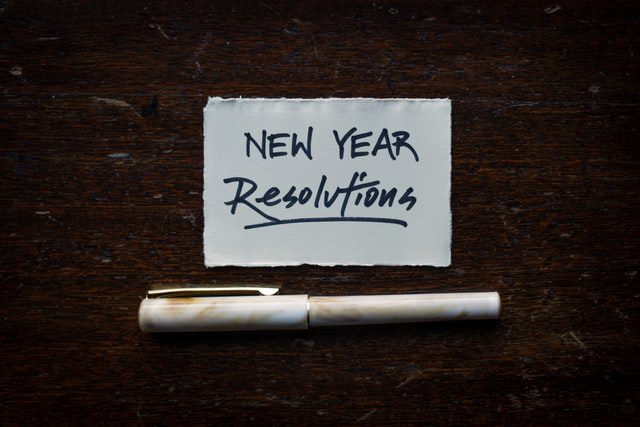
    New Years Resolution written on paper, pen underneathWhether you are the type to set resolutions and actually follow them, falter somewhere around mid-February (stop glaring at me, dusty treadmill in the corner), or prefer to call them something else such as goals or a business plan, having a vision provides you a roadmap of what you’re doing, and why you are doing it. The new year is a great time to recalibrate and reframe how you go about recording and promoting your show, plus seeing what’s already working and how far you’ve come!

    We don’t need more holiday stress, so I wanted to keep it simple with FOUR easy and fun New Year’s Resolutions you may consider this year for your podcast. Feel free to focus on all four throughout the year, or just pick one and try to really get comfortable with it.

    1. Get Specific About What It Is You Want

    It’s very common to just desire more followers, downloads and a larger social media network, but what exactly does that mean to you. For some podcasts, having 60 downloads and reaching that 200th Instagram follower is fantastic and is the next ladder up on the step. For others, reaching their millionth download and selling 20 merch pieces a week may be their next move. I invite you to get REALLY nerdy in early 2022 and write down specific numbers and goals for almost every aspect of your podcast.

    It’s easier to gauge progress when you say “I’d like 30 more email subscribers per month” than “a bigger email list.”  If you have other podcasters in your life, host a “pod party” where everyone does this together and brainstorm how they can help one another. Over pizza and drinks, you can write down your specific goals and check in every couple months to see how it’s going. Please invite me to this party, it sounds nice. 

    2. Go Deeper With Your Guests

    Deep and insightful conversations are not just reserved for Oprah and Eckhart Tolle, they can be for you too. I spoke with Jeff Sirkin, host of the Long Story Short podcast, where he shares the stories of marketers and their brands in a compelling way. For 2022, he plans to dive in even more. Jeff said, “A resolution that I  have is to focus on having conversations that interest me and going DEEPER with our guests.

    Often, the thought is that if you go too deep into conversations, they will become less interesting to your audience. However, when you keep things surface-level, it can be too generic. The audience isn’t really that interested, and it’s easier to find myself checking out of the conversation. If something is interesting to me, it will only make it more interesting to listen to!” 

    3. Realize That Whatever Stage of the Game You Are In, You Can Always Learn

    For podcast vets, it’s easy to feel like we’ve put in the work and now get to curl up in the sunshine and take a nap. Unfortunately for us, but good for this article, there’s always more to learn. For me personally, my 2022 podcast resolution is to learn how to actually use TikTok to promote my show, and then post one video on the platform a week. For podcast newbies, the goal itself may be just to keep consistently growing and getting into a rhythm of promoting your show.

    Historian and comedian Dawn Brodey recently launched her show, HILF: History I’d Like To F**K, and the response to it has been even better than she imagined. Dawn hit it out of the park with her launch, and now shares her resolution for 2022. “For me, it’s about getting to the next layer outside my family, friends and social media. I’ll be inviting guests on that I don’t know personally, and promoting in groups outside of my initial sphere.”

    4. Get In Shape – But In Podcast Shape

    There is typically so much of an emphasis on health and wellness for our resolutions, which is great, and we can copy that over to podcasting. It’s a great resolution to “trim the gristle” off your show and make sure your description is current, your art is high quality, and your RSS feed is healthy and working in all areas. Once a year in January, I’ll pour an extra large eggnog and go through all the places I know our show is, and make sure they are working and everything is in order. I keep an excel spreadsheet so I know my progress.

    Be sure to tell us about any of your resolutions, and be sure to check out our Editor’s Pick section on Blubrry for some inspiration for examples of both great guests and shows.

    Happy podcasting!

    ____________

    Meryl Klemow

    Meryl Klemow is a podcast writer, guest booker, and co-host of the Campfire Sht Show podcast. Meryl is a part of the Blubrry content team, and a Senior Copywriter at Podfly Productions. She also has a T-shirt line, Pre-Canceled. Say hi to Meryl on Instagram at @MerylKlemow.
  • When is it Time to Kill a Podcast?

    When is it Time to Kill a Podcast?

    You have been doing your show for years, week after week after week. And now you have some good ideas for episodes, but they really do not fit with your current show. When is it time to call it a wrap and start a new show? 

    I recently ended a show that I had been doing since 2013, Podcast Help Desk. When I started PHD I also produced three other shows and on every one of them, I would end up talking about podcasting – even though the show was NOT about podcasting. At that time there were not a lot of shows about podcasting by someone who worked in customer support (help desk) for a podcast hosting company. So I started one about podcasting.

    Fast forward eight years and I’m now co-hosting ANOTHER show about podcasting (Podcast Insider) and had been trying to keep up on Podcast Help Desk. In my case, I decided that I would be better off discontinuing PHD and putting any extra energy into the Podcast Insider. 

    Before you kill your podcast, maybe ask on your show if one of your listeners wants to take over for you; that way the show doesn’t have to die. Depending on the agreement you make, you could come on the show once in a while to scratch the podcasting itch. 

    Here are some of the other reasons you may want to kill your show… 

    You have run out of passion for the subject

    It happens. You have a hobby or topic you are really passionate about, and then you fall out of love with it. There’s nothing wrong with that. Your interest in your subject just feels forced and it has run its course.

    Life changes prevent you from doing a good show

    Your work or home situation has changed. You no longer have the time to do show prep, recording, publishing or the marketing of your show. You get married, have kids, change jobs or many other things that can get in the way of podcasting. Maybe the new job doesn’t want you to talk about whatever your subject is. That can happen too. 

    You have nothing more to say

    No really… You can simply run out of things to say about a subject. Some politics-related shows have this issue. The subject of the podcast is closely tied to a candidate or a political movement and when the election is over or the movement achieves its goal, there isn’t much more to say. Or it could be something very personal to you and that subject has resolved itself in one way or another and you really do not need to talk about it anymore.

    Regardless of the reason you want to quit hosting or producing a show, there are a couple of steps that I suggest you do to make the shut-down go smoothly and without any hard feelings from your loyal listeners.

    1. Make a final episode explaining what you are doing and why. Decide if you are going to do another show. Let your listeners know about the new show.
    2. Prepare to keep the show up for at least a month or two (or longer if you can). Some listeners might be taking a few weeks off from your show and when they are ready to come back, and your show is gone, that will be mysterious to them. Let them off the hook by keeping things up for a while. Don’t just podfade!

    There’s a lot to think about when considering killing a show. Do you want to keep going with a different show? Or do you want to just be done with podcasting? (We hope not!)

    ______________________

    ​​Mike DellMike Dell is the co-host of Podcast insider and the host of Mike Dell’s World. Mike is also the Customer Support Manager at Blubrry Podcasting.

  • How to Choose a Podcast Co-Host

    How to Choose a Podcast Co-Host

    You want to start a podcast, but you have an inkling of the amount of work it takes. Also, let’s face it, it would be nice to have a conversation with someone instead of having to riff every episode.

    There are a few things to consider while hunting for a co-host, and they are all important. Here are my best tips on how to find a podcast co-host because there’s more to it than just great conversational chemistry.

    Should it Be a Friend?

    This is the trickiest question, which is why I placed it at the top of the list. A good friend likely shares similar interests as you, enjoys your company and can support you emotionally.

    All the reasons you can list why your friend should be your co-host are the same reasons you should steer clear of your friend filling the role of your co-host.

    Owning and operating a podcast is challenging and will test your relationship in ways you would never have dreamed. My co-host is my best friend, and at this point, our relationship is akin to my marriage. We’ve been through every fight and have had to find ways to treat each other kindly to keep the podcast going and our relationship in good standing.

    Find Someone Capable that You Respect

    You should be looking for a co-host who you can look up to. You are both going to need to do a lot to ensure the continued success of the podcast, and that means being able to:

    • Build and alter websites
    • Record and edit audio
    • Troubleshoot technical difficulties
    • Find creative and fun ways of approaching subjects
    • Brainstorm concepts and bits
    • Build a budget for marketing and growth
    • Manage audience interactions
    • So much more…

    If they are good at figuring things out and providing solutions to problems, they are worth their weight in gold.

    Find Someone Willing to Work

    A common misconception of podcasting is that it takes no effort; it’s just a couple of friends sitting down, drinking, and shooting the shit. If you podcast with consistency for a few months, you will realize that it’s a ton of work.

    You will want to find a co-host who is willing to work, whether it be doing social media promotion or research on subjects for upcoming episodes. Every podcast splits the division of labor their own way, but in my opinion, if it isn’t split equally, someone will end up feeling like they got the short end of the stick.

    Find Someone You Have Chemistry With

    If your co-host doesn’t compliment your thoughts with their interesting thoughts, or vice versa, they might not be the right fit for your podcast.

    This is one of the easier traits to test reliably. If you enjoy discussing tough or interesting topics at length with this person, you probably have good conversation chemistry.

    If they struggle to keep up their end of the conversation, there’s not a lot that you can do to force chemistry.

    Choose a Co-Host Who is Ready for Anything

    This is half me telling you that you need someone who will show up on time reliably and half me telling you that they should be open-minded.

    A regular release schedule is paramount to succeed in podcasting, and if they have a problem showing up on time or at all, that’s a big red flag.

    The other side of being ready for anything can be boiled down to the old improv adage, “Yes, and…”. Podcasting is about rolling with the punches, seeing what works, and pivoting to meet this new and unforeseen challenge.

    You need to choose a co-host who is open to saying yes, even if it’s out of the blue and scary. It’s hard to know what will work for your podcast, so when you see an opportunity, it’s important that you have someone by your side who is happy to take on the new challenge.

    There’s a lot to consider while choosing a podcast co-host, so make sure you choose them carefully. Wondering if you need a co-host at all? Check out our blog on making that podcast decision.

    ____________

    David DayDavid Day is the co-founder and co-host of Horror Movie Talk Podcast. When he isn’t watching horror movies he is focused on growing the podcast. Listen to his show Horror Movie Talk here.

  • Barriers to Podcasting

    Barriers to Podcasting

    Facing the Challenges of Podcasting

    Starting a podcast? Want to start a podcast? Stuck on your podcast? We’ve been there. The barriers to podcasting don’t end, they just change over time. These barriers don’t have to be what stops us. Instead, they can be the place where we start to find our voices, our messages and the unique value we bring to our audience.

    Many new podcasters have something they want to say to the world. That urge drives them to record those first podcasts and then… they don’t publish. What’s the real barrier to podcasting?

    Finding Your Voice and Your Message

    Of course, you have to consider what your message is to your audience. But that’s not always what you start with on your podcast.

    You may look at your early podcast episodes as your rough drafts. Over time, as you record them and listen to them, you’re going to change something. How you speak or the key message — these will be refined as you press record. You might find that as you prepare, you will make different word choices simply because they’re easier to say. Or inspiration will hit you at a random moment and it changes everything.

    We can encourage you to be thoughtful as you get started with your podcast, but frankly, half of the fun of podcasting is discovering your voice and your message as you release your episodes. Don’t wait for those moments to perfect your podcast and then release: They happen spontaneously as you do the work over time.

    Finding the Time

    There are a couple of things that we podcasters know that other people don’t. The first is that your first one-star review is practically a badge of honor. The second is that making time for a podcast recording/editing session is an ongoing battle.

    Experienced podcasters and podcast editors often tell themselves that they are overly critical of how a podcast sounds. If the sound isn’t good enough, we get a bit judgmental – mostly toward our own episodes. We have a standard inside our heads of when the sound is absolutely, utterly perfect. We get crazy trying to eliminate the one-second of throat-clearing in the middle of a sentence, or the doubled word. The rest of the world doesn’t even notice these things, but we do.

    This is why the issue of finding the time can thwart a podcast. Setting aside time, especially for the beginner who also may have the thrills of learning to edit and use a new software package, is a commitment of time that grows. And grows. And grows. It takes experience to learn the tips that cut recording and editing time. (Here, I’ll give you one: When you mess up, don’t start over! Just give yourself five seconds of silence and then pick up where you left off. Then when you’re ready to edit, you’ll find those silences will tell you where to edit.)

    How do you find time? Sometimes, it means you have to sacrifice another activity, or be creative in how you record.

    • Maybe your best time to record is at lunch but you’re at work. Can you get in your car and record in there? (Please, not while you’re driving!) Take your phone out during a walk and record. If you tell your audience where you are, you can create an intimate, personal podcast with birds and crickets and the occasional greeting from a passing biker. Not every podcast needs the perfect silence of a studio.
    •  If making time for an entire episode is impossible, reconsider how long your podcast episodes should be. If you can’t find the hours to record and edit, adjust your podcast length for now. Or consider producing a segmented podcast. Record short segments and link them together in the editing process.
    • Reconsider the frequency of your podcast. Cutting back to biweekly or monthly may be what you need to do for now. If you’re just getting started, you might not have an abundance of audience yet. Ask them if they mind hearing your dog in the background of your recording. They might not. In fact, they might not even notice!

    Connect with Your Audience

    I listened to an interview podcast. I don’t remember whose podcast it was; I don’t remember the guest. What I do remember is that the guest apologized for the sound of his dog’s toenails on the wooden floor around him. I couldn’t hear anything, even after the guest pointed it out. But it was a connection I felt with that guest. Yes, the situation wasn’t perfect, but he wasn’t going to let that stop him from sharing his message.

    The best part of starting with no or little audience is that with a small number of followers, you can connect with them on a level that you’ll never have again. This gives you the chance to build relationships with those who will be your superfans – the ones who will tell others about your podcast. Studies have shown that your audience finds podcasts via word of mouth. When you can connect with them, they’ll tell others. So use this start-up time to share honestly with them.    

    Use the limitations you’re facing to connect with your audience. Everyone knows what it’s like to struggle for time or space to start a passion project. Maybe you don’t want to share it on the podcast, but do share it on social media or when you’re in the presence of your potential audience. You’ll get great feedback when you’re honest and vulnerable.

    Getting Started?

    Trying to learn it all before you get started?

    Good luck with that.

    It’s a lot smarter to learn the basics of podcasting and learn everything else as you need it.

    A great place to start is the Blubrry Podcasting Manual and a free month of Blubrry. This free publication lays out the basics of podcasting from the beginning – what you need to think about before you decide to start, the keys of what to do and what to avoid, and how to consider monetization.

    We want to help you get started. What do you need to know? What challenges do you face? When the big podcasters make it look so easy, we forget that they often have a crew of 20 behind them in a perfect sound studio. Many of us started in our cars or our closets. We want to help you. Let us know in the comments what challenges you face that might stop you from pressing record.

    Read what else Kim had to say about barriers in podcasting,

    ____________

    Kim KrajciKim Krajci, host of Toastmasters 101 podcast, has been podcasting for 7 years and writing since the creation of the stylus and clay tablets. She also teaches speech and debate and works as a social media manager.