

Skip to content

Blubrry Blog Archive

Category: Blubrry

  • Thinking about starting a podcast with your spouse? Learn how this husband-wife podcasting team does it!

    Thinking about starting a podcast with your spouse? Learn how this husband-wife podcasting team does it!

    Spouses podcasting together? It’s a trend that just makes sense. After all, one of the biggest obstacles when starting a podcast is finding a host that complements you. So when one member of a couple provides the creative content-planning chops while the other geeks out over technology and sound quality, the result can be an enviable podcasting partnership.

    One such dream team consists of Paul and Caroline Daley, part of the Blubrry community, a self-professed “black-belt in the nerd arts” and the “coolest nerd-wife in the world,”and hosts of The Daley Review, a podcast dedicated to reviews of TV shows, movies and books. Read on to find out more about Paul and Caroline and how they manage to keep up with a weekly podcast, all while raising three kids with special needs:

    How they got started:

    As parents to three special-needs kids, Paul and Caroline are well aware that the divorce rate in special-needs families is high: 90%, says Caroline. “We saw podcasting together as an outlet that would give us something fun to talk about, besides doctor’s appointments and milestones,” says Paul.

    “It’s a new way to connect that’s just about us and our thoughts,” Caroline agrees.

    The couple says they settled on covering TV reviews and discussion after they attended a TV Festival in Austin called ATX. “A TV show called The Leftovers held a panel there, which led us to both the show and podcasts about the show,” says Paul. “After listening to a couple podcasts, we decided we could do just as well as anything we’d heard so far. So, we started podcasting.”

    While Paul has been a long-time podcast listener, Caroline wasn’t a newbie: she always had a penchant for podcasts about her favorite TV shows, like The Gilmore Guys. But while Paul actually owned the equipment needed to record episodes for a while, it wasn’t until the couple decided to move forward that he connected all the dots of how to create and publish a podcast.
    How they do it:

    At first glance, the workload appears to be split among fairly traditional gender lines, with Caroline doing handling content planning tasks like research and taking notes and Paul handling the post-production technical aspects like uploading, publishing and website maintenance. But, Paul notes, Caroline has taken on about 90% of the editing in the past year, because “she’s faster than me at it.” Lesson to other podcasting duos? Play to your strengths and interests, but keep an open mind: through the journey, you may find that you develop skills you didn’t know you could have.

    What their friends and family think: 

    Are people surprised to find out that Paul and Caroline have a podcast together? Yes! When people find out, “half of their responses revolve around our personal lives,” says Paul. “The people that know us at all ask how the parents of three special needs kids have the time to do it. We tell them we have to make the time. Marriages in special needs families have a much higher rate of divorce than other families, so we see this as a form of self-preservation. There’s not too many questions related to time management after we give that answer.”

    “The other half says, ‘What’s a podcast?’,” quips Caroline. But she agrees with Paul about the importance of the connection podcasting provides. “Many great couples have memories of conversations they had where they stayed up all night laughing or can point to countless inside jokes that only they know,” she says. “One amazing side effect of podcasting together is we have recorded hundreds of those conversations where we are laughing and creating those “inside” jokes and we are able to revisit them any time we want ( I often do). My mom told me one of the saddest things is when someone is no longer with us, you miss their voice – but our voices and silly banter are documented forever.”

    Want to hear more from this inspiring couple? Head to SoManyShows.com to listen to the Daley Review, or catch them at @DaleyReview on twitter and Facebook.
    June 1, 2018
  • Two Great Women Podcasters of Color To Watch

    Two Great Women Podcasters of Color To Watch

    In late March, Spotify announced its Sound Up Bootcamp, an innovative campaign aimed at introducing more women of color to podcasting. 10 women of color who aspired to be podcasters will attend a week-long intensive bootcamp, and at the end of the week, each participant will have the chance to pitch her podcast, with the winning podcast receiving a $10,000 award to develop her show.

    Likely not even Spotify could have predicted the huge buzz the campaign would create, generating over 18,000 entries. One thing is certain, though – the immense success of this initiative proves that interest in podcasting among women of color is huge, and that networks, advertisers, and the entire podcasting industry need to be paying attention.

    Today we’re honored to highligh two women of color podcasters from the Blubrry/PowerPress community:

    Karen Walrond, Make Light

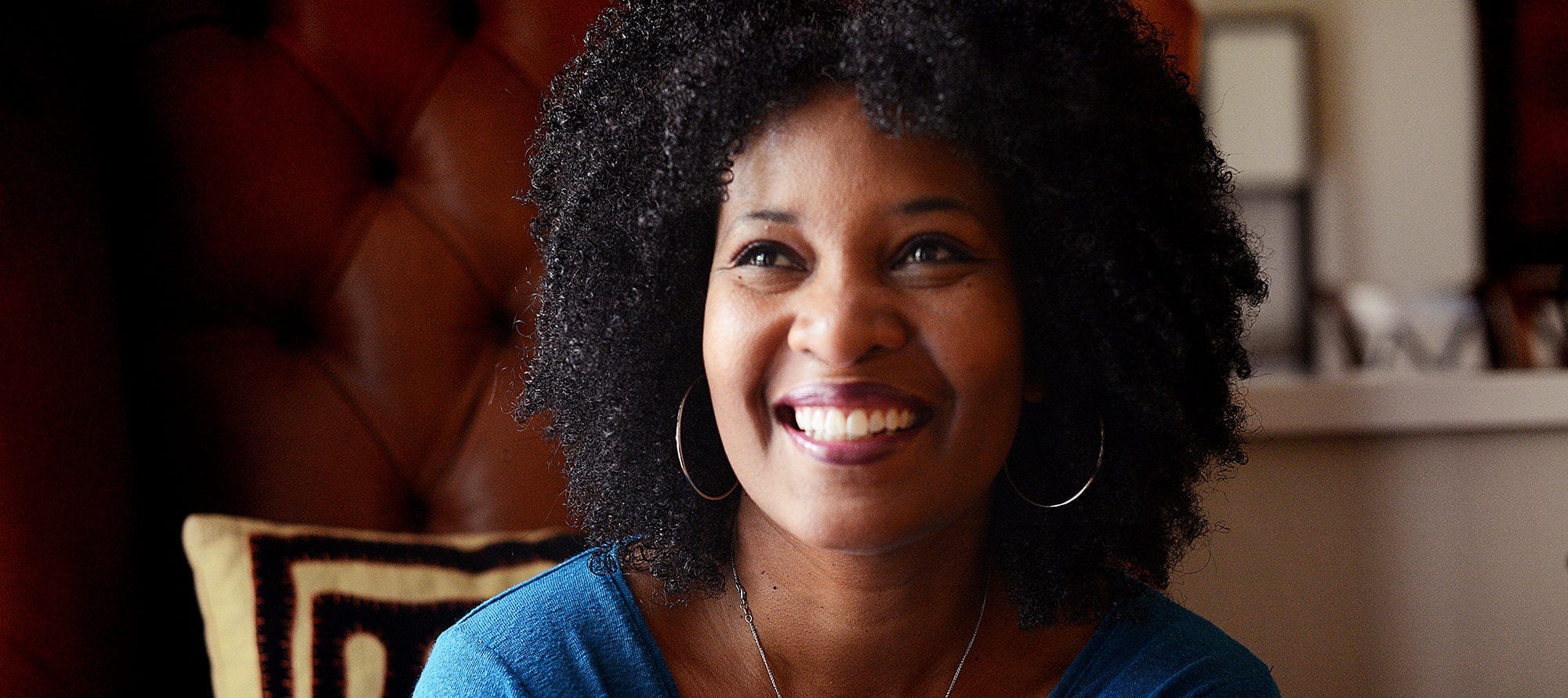
    While Karen is a relatively new podcaster, she’s been a content creator for over 14 years as the voice behind chookooloonks.com. Karen is also a photographer, author, and speaker, and podcasting felt like a natural extension of the content she was creating for other mediums.

    “As a professional speaker, I love and am comfortable talking on a mic – so podcasting seemed like a natural outlet to talk about the things I talk about on the road and with my coaching clients,” Karen explains.

    Karen is excited to see that podcasting is becoming more diverse, and likens the evolution of podcasting to the growth and expansion of blogging ten+ years ago. “There is a lot of amazing content being created by women of color in all spaces – parenting, art, travel, there’s so much of it.” She admits, however, that connecting women of color content creators to a wider audience can still be a challenge. “Where I find there is a struggle is that despite the quality that’s being created by these writers, bloggers, podcasters, and photographers there is still a pervasive perception that those artists are creating work that is created solely for other people of color. But all stories are important and we need to learn about them.”

    Make Light is dedicated to exploring how to live with intention and a sense of adventure, and is proof that beauty, positivity, creativity and kindness make the world go ’round. Season two will drop soon, so now is a great time to subscribe so you don’t miss an episode.


    Pamela Alexander, BizLynks.TV

    When Pamela and her husband Nash first started creating serialized video content aimed at helping the business community 6 years ago, at first they didn’t realize exactly what they were doing. “Finally it clicked, that really, this is video podcasting,” she explains. With over 10 shows total and 3 that are currently active, BizLynks.TV acts both as a network and a syndicator, distributing content via a variety of platforms including Apple Podcasts and Roku and helping businesses, nonprofits and associations to increase brand reach and engage clients while establishing their hosts as experts and thought leaders in their fields.

    Pamela says she has seen an increased interest in podcasting among all demographics, including people of color. But, “we are still seeing the challenges in getting people to truly understand it. We approach so many people that we see and know they have great content, and are encouraging them to make that commitment to creating consistent, regular content and to understand that it’s a great way to set yourself apart as an expert in your industry.” BizLynks.TV helps close the knowledge gap by offering a platform to content creators that gives their content more reach via streamlined distribution.

    With a catalog of active podcasts including the network’s flagship show, That’s My Biz, BizLynks.TV is a resource both for those who want to consume great video content, and those who create it.

    May 18, 2018
  • How To Take Advantage of Google’s Plan To “Double” Podcast Listening

    How To Take Advantage of Google’s Plan To “Double” Podcast Listening

    Google made news last week when the announced a strategy to put podcasts front and center in its content offerings. In fact, according to Google Podcasts Product Manager Zack Reneau-Wedeen, the company has a bold and ambitious goal to double the amount of podcast listening worldwide over just the next couple of years. 

    For years Google has prioritized text, images, and video in search results. With Google’s new podcast strategy, podcasts will join this elite class of content and enjoy enhanced ranking on Google search. 

    That’s good news for podcasters, but great news for PowerPress, Blubrry WordPress Website and PodcastMirror users, because Blubrry services meet all of Google’s requirements for promotion and distribution. 

    Your Feed Matters.

    By “owning your podcast feed” – which you do, when PowerPress / Blubrry WordPress Website originates your feed from your website or PodcastMirror which mirrors the metadata in your original feed – your podcast is positioned to take care of this Google search advantage. On the other hand, if your podcast host owns your podcast feed and the links to the episodes and home page link back to your host, it’s your host that will get the benefit of your show’s new search ranking. Those using Blubrry service offerings are in the best possible position as they do not need to make any changes to how they are publishing their shows.

    In addition to search discovery, Google’s podcast strategy also will include a plan to recommend podcast content – for example, if someone searches “new diets”, Google might suggest your paleo-eating podcast. This recommendation could happen at the program level, or Google might recommend a specific episode. So, having a centralized podcast website with good show notes and descriptive titles, podcasts can compete with big shows even if they aren’t part of a large network or podcast hosting company. Since podcasts will be recommended based on content, as long as your content is of high value to the listener, your show can be recommended.

    Again, the best practice here is that your podcast has a dedicated website, that your podcast feed metadata links to your website, and that you employ good practices of writing descriptive titles and descriptions for each episode you produce. With all those things in place, your podcast will be positioned to take full advantage of audio SEO, and you’ll be able to target Google search results, recommendations within Google, and will even be able to be utilized by smart speakers like Google Home.

    Blubrry has been ahead of the curve on this for a number of years in helping podcasters through the Podcast SEO settings in PowerPress to optimize whats in the feed versus what is on the public website. With the metadata always linking back to your brand. Blubrry Podcasting uses the absolute best practices in the space and the beauty is the strategy we have promoted for years aligns perfectly with Google’s strategy.

    A big part of the new strategy from Google is curating content for listeners based on their needs and listening habits – i.e. cueing up your travel show based on a listener’s Google Maps use, or news when the listener is on his or her commute. Google may also remember the show that was last played to allow a listener to continue where they left off when they switch from listening in their car commute to listening on their laptop at work or on your Google Home device – so planning for your episode to be consumed across multiple devices is a must. It’s exciting stuff for podcasters, but making sure your podcast is optimized to align with Google’s new strategy is the first step, and key to taking advantage of the growth. 

    To take full advantage of Google’s new podcast growth strategy, your podcast website and feed must meet these requirements: 

    1. Expose a valid RSS feed of your podcast.
    2. Feed must contain at least one episode
    3. Feed must have a dedicated <link> to your podcast’s homepage.
    4. The “home page”, RSS feed and audio must be index-able by googlebot. (URLs must not be protected by robots.txt or <noindex> tags)
    5. The “home page” must include the RSS feed meta tag

    PowerPress has had supported these requirements through the Podcasting SEO settings in PowerPress. PowerPress 7.4+ will have all of these requirements enabled by default. If you have a previous version of PowerPress, just check the Podcasting SEO settings and enable the Podcast Directory SEO Guidance setting, and you’ll be all set to take full advantage of Google’s efforts to rapidly increase your podcast audience.

    May 3, 2018
  • Starting – Or Growing – A Podcast Network? Blubrry’s Enterprise Services May Help You Grow

    Starting – Or Growing – A Podcast Network? Blubrry’s Enterprise Services May Help You Grow

    For the typical solo podcaster, our entry-level, all-in-one Blubrry WordPress Website solution is probably all you’ll need for a while. But if you’re a network with several shows – or are planning to grow – it’s a good idea to find out more about our Enterprise services.

    These services can simplify and streamline the publishing process for growing networks, offering customizable, white-label development services and expanded stats that make it easier to drill down on each show’s performance across a variety of factors, including partial download data.

    “Networks with 10 or more shows may want to start considering enterprise-level statistics, but it’s typically more cost-effective at 25 shows,” says Todd Cochrane, CEO of Blubrry. “Blubrry WordPress Website Enterprise level is really designed for anyone building a network of shows, so if a network has five or more shows they are probably ready to go to that level.”

    Some of the benefits we can offer Enterprise clients:

    • Unlimited programs and episodes: Produce as many shows as you’d like.
    • Syndication (Multi-podcast feed management): Control all of your feeds simultaneously
    • Cover all distribution types: Apple Podcasts, Google Play, Spotify, etc.
    • Partial and completed download statistics: Get the details about how many people listened.
    • Streaming and application downloads: Find out how people listened.
    • Reports by network, channel, program, episode and episode groupings: What category do people fall in?
    • 150+ detected applications (Apple Podcasts, Android, Chrome, Firefox, etc.): Learn about the most popular applications.
    • Geographical reporting (country, region, and city) – Discover regions where your show is popular.
    • Unlimited bandwidth and storage: Don’t worry about exceeding a limit.
    • Integrates with WordPress: Works smoothly with WordPress, especially the No.1 plugin, PowerPress.
    • Not using WordPress? Publish directly from Blubrry’s platform.
    • Free media migration tools: Easily move your media from a different company
    • Pricing is dependent on your network’s specific needs, and typically include professional hosting costs and maintenance for your network’s size as well as the ability to rebrand our simplified WordPress-based website service, Blubrry WordPress Website. 

    Enterprise services are just one more way that Blubrry is dedicated to being the only media company that offers complete solutions for all podcasting needs. Not sure you’re ready to take your podcast to the Enterprise level? Get in touch today for a no-obligation estimate and find out if we can help you grow.


    April 27, 2018
  • Monetize The Easy Way: Inject Ads into Your Podcasts!

    Most podcasters don’t start out with sponsors from day 1. But as your show grows, you may notice that your older episodes are still getting a decent, and steadily-increasing, number of downloads as newer listeners go back and “binge listen” from the beginning.

    That means you could be leaving a lot of money on the table – and no, it’s not too late to monetize existing content, whether those episodes are months or years old.

    Up until now, however, going back and manually inserting ads, promos, or affiliate spots in older episodes has created an obstacle that may not have seemed worth the time and effort involved.

    Blubrry is about to change that. Very soon (it’s currently being tested), we will be rolling out an ad injection service that will offer free features to our pro hosting customers. The service will allow podcasters to dynamically insert pre-roll, midroll, and post-roll ads into already-published podcasts as well as future episodes. Podcasters will be able to set up ad campaigns to insert at specific timeframes in an episode, and will be able to upload multiple ads by priority at the designated injection point. We will also be rolling out geographic targeting in midsummer. Podcasters can even set times for ad campaigns to expire, so that ads don’t continue to run indefinitely.

    Here’s just one example of how a Blubrry customer might use this service: you could record your own intro and ad together, then inject the segment as a preroll into existing and/or future episodes. Then, the pre-roll segment could be swapped out any time if there was a change, such as different jingle music or a new affiliate sponsor they want to promote.

    Since the preroll option will be free for any pro hosting customer, it’s a great way to test out ad injection for yourself. “It’s also important to note that our Long Tail podcasting feature ties elegantly with the ad injection service, allowing podcasters to rebuild their episodes without being charged for replacing their past archive,” explains Angelo Mandato, CIO of Blubrry. While there will be nominal fees associated with some of the features included with this service, a base level will always be free for Pro customers – just one more reason why it’s wise to make Blubrry your podcast host today.

    April 12, 2018
  • Need music for your podcast? Blubrry and SourceAudio make it easy!

    Need music for your podcast? Blubrry and SourceAudio make it easy!

    Launching a new podcast is a lot of work: choosing a title, learning your equipment, setting up your website, settling on a format. The last thing you want as a new podcaster is to have to worry whether your music is appropriately licensed for use on your show.

    That’s why Blubrry is working with the respected music licensing platform SourceAudio to offer music for use in podcast episodes. Podcasters will be able to choose from thousands of tracks specially designed for podcast use, at a discounted rate exclusive to Blubrry. 

    There are two options for using this valuable service: subscribe at $9/month, or purchase a single track for unlimited use. Note that all prices are for a single podcast use: if you have more than one podcasts, you can add them to your subscriptions as well for an additional cost.

    “We are incredibly excited about partnering with Blubrry,” says Douglas Reed, EVP, radio and library services at SourceAudio. “Blubrry’s reputation in the podcast hosting community is unmatched. We look forward to working with them to provide a terrific and much-needed service to podcasters big and small.”

    “Finding legal music available for podcasts has always been challenging, leaving few suitable and desirable options for creators,” said Todd Cochrane, CEO of Blubrry. “This new offering will improve tenfold the availability of legal music for podcast producers.”

    Find out more by visiting our Blubrry/SourceAudio information page, or get started right now: subscribe at $9/month, or purchase a single track.


    April 6, 2018
  • How To Use Existing Podcasts To Kickstart Your Radio Network

    How To Use Existing Podcasts To Kickstart Your Radio Network

    When radio stations consider creating a podcasting strategy, they typically think in terms of leveraging existing radio talent, resources and content to create podcasts.

    But why not try the reverse: leveraging existing podcasts to give struggling radio networks a booster shot – or simply add more great content to your current lineup?

    As of April 2018, there are over 200,000 active podcasts and 500,000+ shows total. If you look at the sports category alone, there are thousands of shows and many are dedicated to content that would appeal to a local audience. With that much content being consistently created, there are a number of ways a radio station can leverage existing podcasts.

    One would be to sign existing content creators into your distribution channel via content syndication. Radio has already mastered the art of programming syndication for broadcast, so it just makes sense to apply that model to podcasts.

    By signing on existing podcast content, program managers can complement their current programming or fill gaps in the current lineup. This could be done creatively by re-packaging content to fit the traditional radio model, or slipping short segments of the content into locally-hosted and produced shows. Podcast creators would benefit both from the additional exposure to their show (offering opportunities to plug their show’s site or even working out a trade agreement to offer them ad spots to promote their podcast) as well as the opportunity to earn more money from their current sponsors by slipping sponsored spots into the body of the show.

    While not all content would easily transition to on air-talent podcast content, by following this approach radio stations would be able to fill remnant airtime with content they could sell against with their own sales team. Better yet, podcasters often negotiate their own ad deals and could structure ads so that the radio portion is paid at the radio station’s normal rates for a time slot that they are given.

    The world is changing, and in order for radio to stay competitive, it needs to move as fast as the rapidly-changing landscape. Just as radio networks are a natural pipeline for great podcast content, the same can work in reverse. Podcasts are rich soil, ready to be mined for content that with can be radio-ready with minimal production time and cost.

    Are you a radio executive or building a content network? Blubrry will be at the NAB Show, ready to discuss your podcast strategy. Contact us if you’d like to schedule a meeting to get proactive and learn how to leverage the massive content pipeline that podcasting has to offer.

    Photo by NeONBRAND on Unsplash

    April 4, 2018
  • Why Radio Should Embrace The Unlimited Distribution Podcasts Offer

    When podcasting debuted in 2004, the ability to take audio content on-the-go was still novel and exciting (remember when iPods were new?). Portable audio devices started the digital revolution. Now, it’s a given that consumers will take their media with them and enjoy on-demand access…but most radio hasn’t caught on to the diversity of podcast content and therefore the reason for its global appeal.

    Today, most radio content still airs exclusively live – meaning potential audiences won’t hear it unless they happen to be near a radio while it’s playing (and, unless that radio happens to be tuned to a live broadcast. These days, many are not.)

    And while the majority of radio has stuck to a dated, linear model, audiences have largely moved to on-demand listening – consuming whatever they want, whenever they want, 24/7.

    Unlike the limitations of radio, there are a close to 100 different devices, apps, and sites where a listener can find a podcast. Apple Podcasts is currently the primary player in this space, but Google Play, Spotify, Pandora, apps, and a dozen or so sites make it easy to syndicate and consume the latest podcast content. Podcasting natively has already invaded smart home devices, and you can easily listen on-demand with Amazon Alexa, Microsoft Cortana, Apple HomePod and Google Home.

    Radio has power locally, but by not embracing podcasting, networks are missing out on a huge opportunity to spread their message more widely, give their on-air talent a broader platform, and yes, sell more advertising. Just look at Spotify, Pandora, Apple Music, etc.: they are winning huge market share of music listeners to include spoken word content rich podcasting.

    Fight or flight: radio needs to fight. By diversifying their content and distribution methods, they’ll appeal to the greater masses. They’re fully capable of this: as networks and stations get creative with marketing highlights and new content programming, they’ll find lost audiences.

    Part 1 and Part 2 of our NAB radio series illustrates that it is possible to do both. Radio can hit a home run and bring a lot of traffic to their sites, where listeners can get their on-demand fix and satisfaction from their drive time show as well. Podcasting is exploding, but the question is: when will radio stations build a strategy to jump onboard?

    At the upcoming NABShow, Blubrry will be speaking to radio executives from around the world and helping them discover their podcasting strategy to compete completely in this quickly growing section of the digital space. Contact us to create an appointment and get started creating your station’s podcast strategy.

    March 28, 2018
  • Is Radio Missing the Mark in Podcasting?

    Is Radio Missing the Mark in Podcasting?

    Radio and podcasting are similar in many ways. But they also have drastic differences that we can help broadcasters understand at this year’s National Association of Broadcasters (NAB) Show. Along with a handful of other podcasting companies in the Podcasting Pavilion, we’ll be working hard to assist radio executive and creators in building a new digital strategy around their content in order to make the most of both of these complementary platforms.

    In its original form, radio was news and storytelling: there are even sites dedicated to the upkeep of the original radio series of old. But, times have changed and the storytelling of old is now largely regulated to modern audiobooks. There is huge interest in deploying podcast at radio stations, but that interest often conflicts with the traditional linear radio programming model.

    The answer: view podcasting and radio as complementary, instead of competing, audio platforms.

    Almost everything of significance within a community is broadcast to the masses who are tuned-in during drive time. The interview with the college coach, local sports highlights, a rock band making its debut, food events, you name it – radio’s local focus makes live content an important part of any community. But increasingly, todays’ listeners also seek out – and are accustomed to – on-demand content that they can stream or download and listen to whenever and wherever they like.

    The best strategy, then, is not a matter of either/or, but of carefully planning to make the most of each kind of audio consumption. Live, local broadcasts, combined with some original content, can keep digital listeners engaged beyond the range of the radio transmitter. And best yet, this approach allows radio stations to build their brand, instead of getting lost in an app with 1000’s of others. The radio station’s website can become the default go-to page for local content that listeners can subscribe and listen to on demand.

    Radio-to-podcast isn’t as simple as just dumping an entire program into one episode. No one wants to listen to a podcast composed of three hours of morning drive – in fact, that is the absolute last thing a station should do. But short segments of content that keep listeners tuned in are the same kind of thing listeners will consume on their own time.

    By using the power of broadcast to promote the podcast, and the podcast to promote the radio station, the two mediums create a symbiotic relationship that can lead listeners to cross over in both directions.

    Radio needs to become a key voice in this consistently growing medium, and podcasting companies like Blubrry have the tools and services to help stations take off quickly — at price points that will not require an executive meeting. The Blubrry team has been working with radio networks for at least three years, advising them on how to implement successful podcasting strategies for their digital networks. With our guidance, radio networks can implement successful strategies that allow the two models to complement each other.

    We’ll see you at NAB soon, so contact us if you’d like to schedule a meeting to help you hit the mark in podcasting.


    March 23, 2018
  • Will Podcasting Save Radio?

    Will Podcasting Save Radio?

    In a few short weeks, broadcast executives will make their way to the National Association of Broadcasters show in Las Vegas. For the first time, NAB has a dedicated Podcasting Pavilion that will feature a dozen or so vendors that work in the podcasting space, and RawVoice/Blubrry will be there to talk with radio executives, creators, and any attendee looking to launch a show or build a powerful network. 

    Why has NAB sanctioned a Podcast Pavilion? Simple: podcasting is hot, and continues on an upward trajectory.

    If you have young adults, you’ve likely noticed they are not listening to much radio. And with the proliferation of smartphones, consumers of audio content have a huge opportunity to listen to content from a variety of sources that continue to grow their podcasting catalogs, whether it be Spotify, Pandora, or Apple. Podcasts are everywhere now.

    Radio can withstand another 20 years, solely because listening on your car drive is still important to some. And radio is still largely regional, which can serve an important purpose. But that won’t be enough to sustain the medium without some forward-thinking intervention. With apps like Waze eliminating the need for local traffic reporting and a large selection of music apps, radio stations will need to work harder and harder to stay relevant as more and more people discover alternative services with music you’d never hear on the airwaves. Even iHeart Radio, known for years as a frontrunner in streaming audio, filed for bankruptcy just a few days ago. 

    The radio industry truly does have some brilliant creators out there that — if given a chance and budget — would likely make a huge impact and garner millions of listeners if allowed to do what they do best. And in theory, radio professionals are already at an advantage when it comes to podcasting success. “Broadcasters are already producing content every single day in studios and with equipment that most podcasters would kill to have,” suggests Zack East, Brand and Station Manager at Midwest Family Broadcasting in Benton Harbor, MI, and also a Blubrry customer.

    At Blubrry, we don’t care how people listen to audio content – so long as they listen! We have extensive experience working with radio groups across the U.S. and globally – and we make it easy to make the transition. “To offset the very reasonable cost of Blubrry’s services, we started charging our clients a very low per-podcast sponsorship fee to have their name and billboard mentioned in each podcast,” explains East. “In just 6 months, we’ve sold roughly 25% of our nearly 60+ podcasts – new money from the same products already hitting the air, in most cases. We’ve also created new podcasts on behalf of our clients. Those are new podcasts that didn’t exist and are completely client-focused, but hosted by our on-air staff, and hosted on our station website. So, the station benefits from the exposure to the client’s customers, and the client benefits from the promotion of the podcast being hyper-locally focused to the area.”

    This forward-thinking approach to making top-notch content available on-demand is what will keep radio relevant in the years to come. Not only does it give younger generations – used to having complete control over their personal entertainment – a reason to keep checking in to what the station is doing, but podcast content can support radio content and vice versa, reminding radio listeners who aren’t yet avid podcast listeners that podcasting is another great option while reminding die-hard podcast listeners that there is still value in radio.

    Time will tell how long it takes radio executives to determine when it is time to add podcasting to their programming mix. Public Radio figured it out a long time ago, but it will take a little longer for the commercial radio space to fully embrace podcasting. But to us at Blubrry it’s a no-brainer: while the radio is local, podcasting is global, and we live in a global world.

    There are opportunities to serve both and open revenue streams only dreamed about by local stations. Catch the Blubrry team at NAB to discuss those opportunities: we may not be radio insiders, but we are podcasting masters and can provide tools, service, consulting, and simple advice to become radio’s savior. Take it from the forward-thinking East: “A year ago, when we first ventured into serious podcasting, we didn’t know what it could produce for us in terms of new revenue and bringing people to our stations. Now I’m not sure where we’d be without it!”

    March 16, 2018
←Previous Page
1 … 5 6 7 8 9 … 21
Next Page→

Blubrry Blog Archive

We moved it here when we redid our site

  • Blog
  • About
  • FAQs
  • Authors
  • Events
  • Shop
  • Patterns
  • Themes

Twenty Twenty-Five

Designed with WordPress