
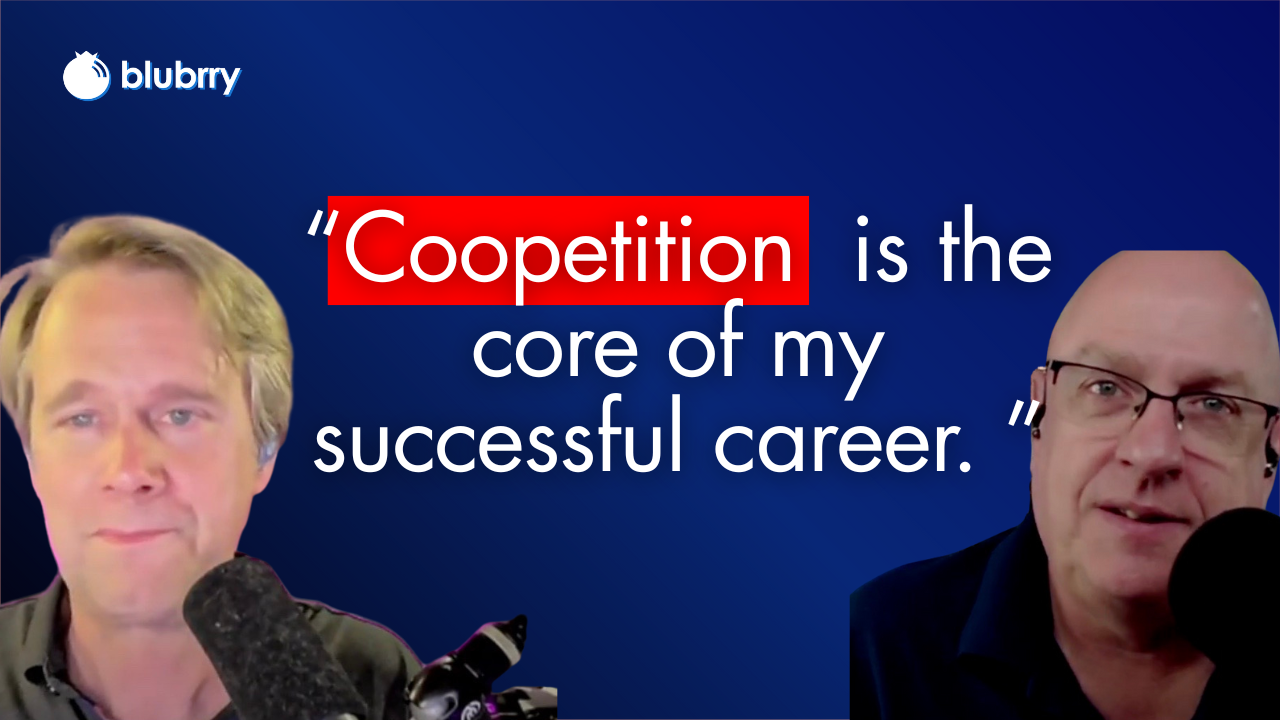
 In this special edition of Podcast Insider, Blubrry CEO Todd Cochrane sat down with longtime friend and industry veteran Dave Hamilton, co-founder of Mac Observer and BackBeat Media. Their wide-ranging conversation revisited the early days of podcasting and delved into the ins and outs of podcast advertising — how it’s evolved, what podcasters should expect, and why a personalized approach still matters.
Dave’s podcasting story began in 2005, when he launched Mac Geek Gab, a show that remains strong and is set to celebrate its 20th anniversary. “Mike Dunn from Hearst told me I needed to start a podcast. I didn’t want to host it, but I never handed it off,” Dave recalled. That decision led to podcast ad representation for others and the evolution of BackBeat Media into a powerhouse of personalized advertising solutions.
Todd, whose own deal with GoDaddy helped kickstart Blubrry, praised the spirit of “coopetition” they both embraced. “We were competitors on paper, but it made more sense to share notes. The rising tide really did lift all boats,” Todd said.
BackBeat Media’s success, Dave explained, stems from its dual identity. “I am a podcaster, and I run BackBeat. We’ve built this business to be what I want as a podcaster,” he said. That means clear qualifications, respectful collaborations, and a focus on long-term partnerships, not quick ad churn. “Every host has veto power at every stage,” Dave emphasized. “If you don’t want a sponsor, we don’t want to give you that sponsor. It (would be) bad for everyone.”
 He outlined the ad process for newcomers: “If you’re getting 3,000 to 10,000 downloads per episode, we can talk. Everything works on a rev-share model, and the majority goes to the podcaster.”
Once a show is onboarded, BackBeat starts pitching. Hosts are given talking points—“usually a bullet list,” Dave noted — with one required call-to-action line, while the rest stays in the podcaster’s voice.
Todd discussed the benefits of having a buffer between podcasters and advertisers. “You guys being in the middle — that intermediary role — is crucial,” he said. “You know how to talk to the big ad agencies, and that’s not something most podcasters want to do.”
BackBeat’s agility has also allowed it to grow responsibly. “We’re not aiming for a thousand-show network,” Dave said. “We prefer representing around a hundred shows well. That way, we can have real conversations and know your show’s unique opportunities, like YouTube or TikTok integrations.”
Campaign timelines have also changed. “There are test campaigns and core campaigns,” Dave explained. “Test campaigns are usually shorter, 4–6 weeks, to evaluate a show’s performance. If it works, they move to core, longer-term plans.”
For Todd, it’s about trust. “You built systems that work because you still live this. You know the hustle. You understand the vetting, the urgency, and the reality that sometimes a deal appears overnight.”
Dave summed it up perfectly: “This business is both ‘hurry up and wait’ and ‘hurry up then wait.’ That’s why we’re here — to be efficient, responsive, and make it work for everyone involved.”
Their conversation was a reminder that podcasting, despite all its growth, is still rooted in relationships — and that those who honor the craft, the listeners, and the creators are the ones who’ll keep it thriving.

 The best news is that Blubrry podcasters already have a CodeADX account set up and ready to activate. Simply name your promo code and start earning commissions today. With no ad rules or audience size requirements, CodeADX lets you monetize your show in a way that aligns with your style and content.
 If you’ve been looking for a way to generate revenue from your podcast without compromising your content, CodeADX is the perfect solution. With exclusive offers, a simple process, and a commission-based model, monetizing your show meaningfully—no matter its size—has never been easier.

 Podcasting 2.0
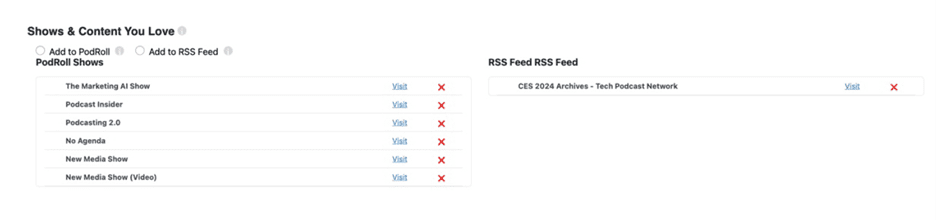 Podroll offers podcasters the opportunity to include references to one or more podcasts in its <channel> to recommend other podcasts to their listeners. These recommendations will be surfaced in podcast apps. This is a way of providing a personal recommendation.
 This element allows podcasters to express their intended release schedule as structured data and text.


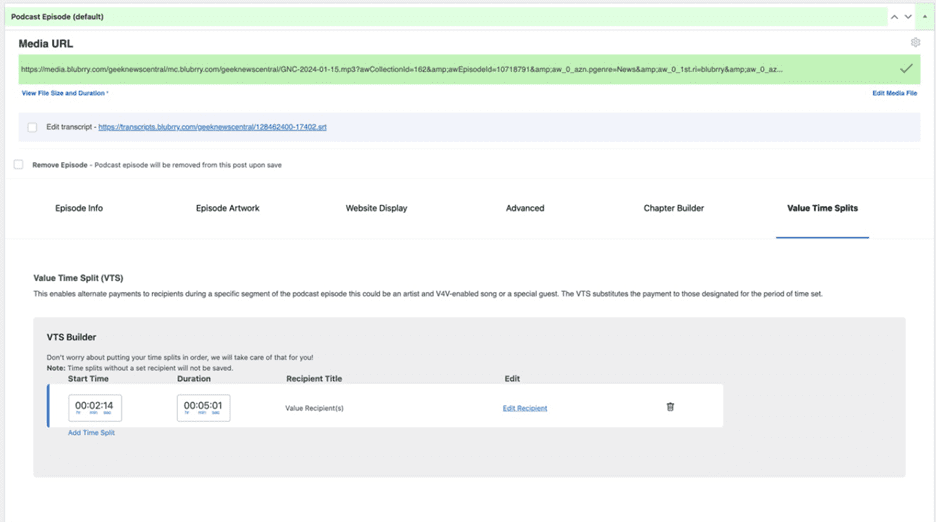
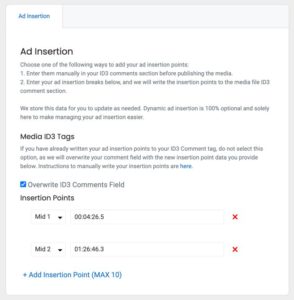 This process has been streamlined thanks to our new tool in the Blubrry Podcaster Dashboard. You can now manage your ad-insertion points before or after publishing in the episode ad-insertion management area. And for those using PowerPress, this tool can be accessed post-publishing in the same area.

 Obtaining consistent and lucrative advertising partners can be one of the biggest mysteries and pain points for independent podcasters. However, you don’t have to wait until you hit the illustrious 10k downloads per episode mark to start having great advertisers and partnerships on your show. It may take a little elbow grease and strategy, but here are a few ways to find podcast advertisers that you are jazzed about, even as a small to mid-sized podcast.

 Advertising is a vital part of keeping the podcast industry alive, however, there are a few misconceptions about how advertising works concerning downloads and delivery. The Blubrry team clears up any confusion and clarifies how it works exactly. Are you looking for
 There are loads of websites and services to help you make money with your podcast. While there are too many programs to cover in one blog post, we can share with you the three main methods used by individual podcasts. This can help you decide how
 Troy Price is the co-founder of Front Porch Studio in Berea, Kentucky. He has been involved with podcasting for over a decade. Listen to his show Podcasting Tips from the Front Porch here.