
Author: Blubrry

  • You Don’t Have to Monetize Your Podcast

    You Don’t Have to Monetize Your Podcast

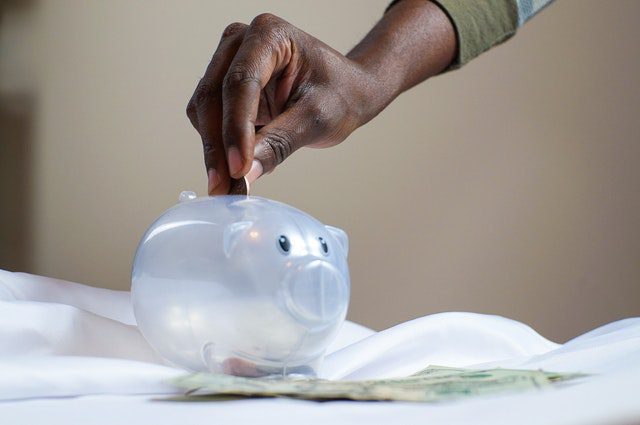
    MONEYWhy are you podcasting? Is your plan to make lots of money so you can retire from your day job? Or is your podcast all about your passion? Do you want to find other people who love your topic too? Podcasting for money is certainly an option but choosing to not monetize your podcast is a valid choice.

    When people find out you’re a podcaster, there are always two reactions from people who know what a podcast is. (Those people who don’t know what a podcast will get to these questions eventually.) One question is “What’s your podcast about?” and the other one is always “Do you make any money with your podcast?”

    If people know anything about podcasts, they know that someone is making lots of money. And that’s true -– the big-name podcasters are the ones who are making a lot of money. The amount of money itself is newsworthy. Who else do you know is making $100 million dollars except celebrities?

    Podcasting ROI

    When you’re podcasting because of love of your topic, the ROI isn’t return on investment, but return on involvement. It is completely okay not to make money with your podcast.

    Choosing to produce a podcast and not monetize is a personal decision. Not everything in our lives produces income. Do we charge to ride our bikes? Go hiking? Bake? Play games? There are things we do just out of love, not expecting a financial benefit. Podcasting could be a hobby just as much as gardening or NASCAR.

    When you’re producing a podcast without planning to make money from it, it’s likely that you’re looking for your tribe – the people who want or need what you’re providing. A smart option would be to develop a strong social media presence. A Facebook community where your audience can interact with you and each other will add to your success.

    Money or Message?

    There’s this concept out there that if you truly believe in your message, you don’t need to be paid for it.

    Maybe that’s why you’re not monetizing your podcast. You don’t feel that it’s right to capitalize on what you’re sharing. That’s up to you. Whether it’s religion, personal improvement, or commitment to the world, choosing to spread your message without expecting compensation from either sponsors or patrons does make it easier for people to hear you. Instead of putting your content behind a paywall or expecting patronage from your audience, you extend your reach to a wider audience. And to some degree, people give more esteem to the street preacher because the preacher isn’t motivated by money. 

    Motivation to Monetize Your Podcast

    In the end, choosing to not monetize has many benefits. You’ll meet the people who love what you love, who respect you for putting your message out there regardless of financial support, and you will build a platform to impact the world.

    We know that podcasting does cost money, and it’s appealing to think that you can regain it with sponsors or patrons, but getting started with monetization may be as simple as putting affiliate links on your podcast website.

    What’s an affiliate link?

    You’ve seen them on blogs, videos, and podcasts. An affiliate link is a link to a product or service where you get paid for each person who makes a purchase through that link. Amazon has an affiliate program set up, so if you are recommending a product or a book, you can get a commission on the sale. This type of affiliate marketing isn’t limited to just Amazon. Blubrry has its own affiliate marketing program. If you refer them to our platform and they decide to host their podcast our on servers, we’ll be glad to pay you a commission for that sale.

    This type of marketing doesn’t depend on the number of downloads you have. Some websites have requirements for sponsorship but will be glad to offer you an affiliate code that you put in your podcast and on your website. 

    Be sure to read the contract. These links have some limits in how you publish them. But you may find that you can start monetizing your podcast in this one simple way to start.

    ____________

    Kim KrajciKim Krajci, host of Toastmasters 101 podcast, has been podcasting for 7 years and writing since the creation of the stylus and clay tablets. She also teaches speech and debate and works as a social media manager.
  • When is it Time to Kill a Podcast?

    When is it Time to Kill a Podcast?

    You have been doing your show for years, week after week after week. And now you have some good ideas for episodes, but they really do not fit with your current show. When is it time to call it a wrap and start a new show? 

    I recently ended a show that I had been doing since 2013, Podcast Help Desk. When I started PHD I also produced three other shows and on every one of them, I would end up talking about podcasting – even though the show was NOT about podcasting. At that time there were not a lot of shows about podcasting by someone who worked in customer support (help desk) for a podcast hosting company. So I started one about podcasting.

    Fast forward eight years and I’m now co-hosting ANOTHER show about podcasting (Podcast Insider) and had been trying to keep up on Podcast Help Desk. In my case, I decided that I would be better off discontinuing PHD and putting any extra energy into the Podcast Insider. 

    Before you kill your podcast, maybe ask on your show if one of your listeners wants to take over for you; that way the show doesn’t have to die. Depending on the agreement you make, you could come on the show once in a while to scratch the podcasting itch. 

    Here are some of the other reasons you may want to kill your show… 

    You have run out of passion for the subject

    It happens. You have a hobby or topic you are really passionate about, and then you fall out of love with it. There’s nothing wrong with that. Your interest in your subject just feels forced and it has run its course.

    Life changes prevent you from doing a good show

    Your work or home situation has changed. You no longer have the time to do show prep, recording, publishing or the marketing of your show. You get married, have kids, change jobs or many other things that can get in the way of podcasting. Maybe the new job doesn’t want you to talk about whatever your subject is. That can happen too. 

    You have nothing more to say

    No really… You can simply run out of things to say about a subject. Some politics-related shows have this issue. The subject of the podcast is closely tied to a candidate or a political movement and when the election is over or the movement achieves its goal, there isn’t much more to say. Or it could be something very personal to you and that subject has resolved itself in one way or another and you really do not need to talk about it anymore.

    Regardless of the reason you want to quit hosting or producing a show, there are a couple of steps that I suggest you do to make the shut-down go smoothly and without any hard feelings from your loyal listeners.

    1. Make a final episode explaining what you are doing and why. Decide if you are going to do another show. Let your listeners know about the new show.
    2. Prepare to keep the show up for at least a month or two (or longer if you can). Some listeners might be taking a few weeks off from your show and when they are ready to come back, and your show is gone, that will be mysterious to them. Let them off the hook by keeping things up for a while. Don’t just podfade!

    There’s a lot to think about when considering killing a show. Do you want to keep going with a different show? Or do you want to just be done with podcasting? (We hope not!)

    ______________________

    ​​Mike DellMike Dell is the co-host of Podcast insider and the host of Mike Dell’s World. Mike is also the Customer Support Manager at Blubrry Podcasting.

  • How to Choose a Podcast Co-Host

    How to Choose a Podcast Co-Host

    You want to start a podcast, but you have an inkling of the amount of work it takes. Also, let’s face it, it would be nice to have a conversation with someone instead of having to riff every episode.

    There are a few things to consider while hunting for a co-host, and they are all important. Here are my best tips on how to find a podcast co-host because there’s more to it than just great conversational chemistry.

    Should it Be a Friend?

    This is the trickiest question, which is why I placed it at the top of the list. A good friend likely shares similar interests as you, enjoys your company and can support you emotionally.

    All the reasons you can list why your friend should be your co-host are the same reasons you should steer clear of your friend filling the role of your co-host.

    Owning and operating a podcast is challenging and will test your relationship in ways you would never have dreamed. My co-host is my best friend, and at this point, our relationship is akin to my marriage. We’ve been through every fight and have had to find ways to treat each other kindly to keep the podcast going and our relationship in good standing.

    Find Someone Capable that You Respect

    You should be looking for a co-host who you can look up to. You are both going to need to do a lot to ensure the continued success of the podcast, and that means being able to:

    • Build and alter websites
    • Record and edit audio
    • Troubleshoot technical difficulties
    • Find creative and fun ways of approaching subjects
    • Brainstorm concepts and bits
    • Build a budget for marketing and growth
    • Manage audience interactions
    • So much more…

    If they are good at figuring things out and providing solutions to problems, they are worth their weight in gold.

    Find Someone Willing to Work

    A common misconception of podcasting is that it takes no effort; it’s just a couple of friends sitting down, drinking, and shooting the shit. If you podcast with consistency for a few months, you will realize that it’s a ton of work.

    You will want to find a co-host who is willing to work, whether it be doing social media promotion or research on subjects for upcoming episodes. Every podcast splits the division of labor their own way, but in my opinion, if it isn’t split equally, someone will end up feeling like they got the short end of the stick.

    Find Someone You Have Chemistry With

    If your co-host doesn’t compliment your thoughts with their interesting thoughts, or vice versa, they might not be the right fit for your podcast.

    This is one of the easier traits to test reliably. If you enjoy discussing tough or interesting topics at length with this person, you probably have good conversation chemistry.

    If they struggle to keep up their end of the conversation, there’s not a lot that you can do to force chemistry.

    Choose a Co-Host Who is Ready for Anything

    This is half me telling you that you need someone who will show up on time reliably and half me telling you that they should be open-minded.

    A regular release schedule is paramount to succeed in podcasting, and if they have a problem showing up on time or at all, that’s a big red flag.

    The other side of being ready for anything can be boiled down to the old improv adage, “Yes, and…”. Podcasting is about rolling with the punches, seeing what works, and pivoting to meet this new and unforeseen challenge.

    You need to choose a co-host who is open to saying yes, even if it’s out of the blue and scary. It’s hard to know what will work for your podcast, so when you see an opportunity, it’s important that you have someone by your side who is happy to take on the new challenge.

    There’s a lot to consider while choosing a podcast co-host, so make sure you choose them carefully. Wondering if you need a co-host at all? Check out our blog on making that podcast decision.

    ____________

    David DayDavid Day is the co-founder and co-host of Horror Movie Talk Podcast. When he isn’t watching horror movies he is focused on growing the podcast. Listen to his show Horror Movie Talk here.

  • Livestream Your Show

    Livestream Your Show

    You’ve been podcasting for a while. You’ve got a good amount of episodes in your we-moved-the-blog-to-this-site-when-we-made-a-new-website.blubrry.com/ hosted catalog. You’ve got a great group of loyal fans. Most importantly, you’ve created a brand people are connecting with. Now what? How do you keep your listeners engaged? How do you spice up your content? How do you attract new listeners and make them take that additional step to like and subscribe? It might be time to consider adding some lights, camera and action by doing a livestream episode of your show.

    One of the most important things in retaining your podcast audience is engagement. Your audience wants to feel like they’re part of the show. Not only will engaging with your audience by adding a video version of your show satisfy your loyal fans, doing a livestream on platforms like Twitter, Twitch or YouTube can also boost the visibility of your show for the Google algorithm search gods.

    You may be thinking, “I only have a handful of listeners,” or, “I podcast because I don’t like being on camera,” or, “I’m not technically savvy enough to figure out how to livestream.” Let’s address some ways to overcome these common concerns and accomplish what’s most important about doing a livestream — connecting with your audience on a deeper level.

    Audience Size

    It truly doesn’t matter if you have five listeners or 500,000. Your fans WANT to be part of your show. They’re already on board for the inside jokes, your content, and your unique point of view. They want to see your reactions and maybe even your cool (even if it’s in a closet) studio!

    For shows with a large following, set up a livestream as a special incentive, part of an offering for your Patreon subscribers, or even a platform to give out prizes from your sponsors. Maybe you’ve finally landed that guest you’ve been trying to get for months or maybe you have a big announcement that you want to make sure all your listeners know about. No matter the event, using a livestream as a reward, or promoted as, “exclusive behind the scenes content,” is incredibly effective for creating buzz around your show. 

    Shows with smaller followings can’t go wrong with live-streaming a show. If the goal is to grow your show, you want to create as many opportunities for people to find your content. The more variations on how your content is consumed or discovered, the better. You can also take clips from the livestream show and use those as promotional tools on your social media profiles. 

    The results your show can get from a livestream proves that size truly does not matter!

    Camera Shy to Camera Sly

    While there is no magic bullet for overcoming this aversion, there are things to consider if being on camera makes you want to run for cover. First and foremost, your fans already like you — they are rooting for you. They want to see all the ways you are reacting and having fun while you are doing your show. 

    Start where you are comfortable. Just turning on the camera while you record is a great place to start. Gradually welcome questions from your audience. You can branch out as far, or as near, as you feel comfortable, knowing that your show will reap the rewards from video engagement.

    Think you come off as awkward and weird? Embrace it. Name it while you’re feeling it and know you are not alone in feeling this way. The more you can own how you’re feeling in the moment, the more relatable you become to your audience. Perhaps seeing you squirm and carry on will give other people the courage to do the same. 

    We can’t wait to SEE your show soon!

    Written by: Tara Jean O’Brien

    Tara Jean O'BrienTara Jean O’Brien has been a writer, actor, improviser, podcaster, and stand-up for nearly 800 years. When not producing, editing, and hosting her podcast, Single Vs. Married, or co-hosting, Cinema Craptaculus Presents: B-sides, she also writers on Medium and recently found a floor safe hidden in her coat closet.

  • Podcaster of the Month: Alan Petersen

    Podcaster of the Month: Alan Petersen

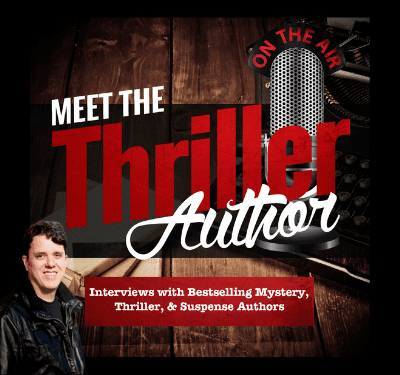
    Arts – Meet the Thriller Author: Interviews with Writers of Mystery, Thriller, and Suspense Books by Alan Petersen

    Some creators have been podcasting for close to 15 years, and that is the case with Alan Petersen. Hosting an interview show to chat with thriller authors, he’s interviewed numerous authors and knows that at the end of the day a podcast should be fun.

    Thank you Alan for joining us this month!

    Tell us about yourself!

    I was born in Costa Rica and grew up there and in Caracas, Venezuela. I moved to the United States to attend college in Minnesota, where I married my college sweetheart and worked as a business systems analyst and as a claims representative. In 2010, we left the cold Minnesota winters and moved to San Francisco, California, where I now live with my wife and our three small dogs on a San Francisco quintessential steep street. I write and publish thriller and mystery novels. 

    What inspired you to do your own podcast?

    I became enthralled with podcasting back in the early days, inspired by Adam Curry’s podcast. I liked that anyone could start podcasting, so I started my first podcast in January 2007. It was called Costa Rica Talk Radio and it was about my home country. It only lasted a year or so, but it gave me the bug for podcasting. By 2015, I was writing and publishing thriller novels, so I started a new podcast focusing on interviewing other thriller and mystery authors. I’ve now interviewed over 180 authors and counting.

    How do you prepare for an episode?

    My podcast is interview based, so I do my research about my guests by visiting their website, checking out their books, and sites like Amazon and Goodreads to learn more about them. Then I come up with around 15-20 questions. I test my recording set-up about thirty minutes before the interview to make sure everything works correctly. Once I’m ready, I relax so I can have a friendly conversation versus overthinking it and coming off like a robot firing off questions.

    What advice do you have for someone just starting out?

    To just start. Don’t get bogged down on the tech stuff, which can be overwhelming. Audio quality, editing, all that stuff you can learn and improve as you go along, but not without good content, so come up with a good premise, plan out your episode, record it, and upload it. And have fun and just be yourself. We’re not splitting the atom here just having fun and hopefully entertaining and informing people.

    Connect with Alan…

  • Barriers to Podcasting

    Barriers to Podcasting

    Facing the Challenges of Podcasting

    Starting a podcast? Want to start a podcast? Stuck on your podcast? We’ve been there. The barriers to podcasting don’t end, they just change over time. These barriers don’t have to be what stops us. Instead, they can be the place where we start to find our voices, our messages and the unique value we bring to our audience.

    Many new podcasters have something they want to say to the world. That urge drives them to record those first podcasts and then… they don’t publish. What’s the real barrier to podcasting?

    Finding Your Voice and Your Message

    Of course, you have to consider what your message is to your audience. But that’s not always what you start with on your podcast.

    You may look at your early podcast episodes as your rough drafts. Over time, as you record them and listen to them, you’re going to change something. How you speak or the key message — these will be refined as you press record. You might find that as you prepare, you will make different word choices simply because they’re easier to say. Or inspiration will hit you at a random moment and it changes everything.

    We can encourage you to be thoughtful as you get started with your podcast, but frankly, half of the fun of podcasting is discovering your voice and your message as you release your episodes. Don’t wait for those moments to perfect your podcast and then release: They happen spontaneously as you do the work over time.

    Finding the Time

    There are a couple of things that we podcasters know that other people don’t. The first is that your first one-star review is practically a badge of honor. The second is that making time for a podcast recording/editing session is an ongoing battle.

    Experienced podcasters and podcast editors often tell themselves that they are overly critical of how a podcast sounds. If the sound isn’t good enough, we get a bit judgmental – mostly toward our own episodes. We have a standard inside our heads of when the sound is absolutely, utterly perfect. We get crazy trying to eliminate the one-second of throat-clearing in the middle of a sentence, or the doubled word. The rest of the world doesn’t even notice these things, but we do.

    This is why the issue of finding the time can thwart a podcast. Setting aside time, especially for the beginner who also may have the thrills of learning to edit and use a new software package, is a commitment of time that grows. And grows. And grows. It takes experience to learn the tips that cut recording and editing time. (Here, I’ll give you one: When you mess up, don’t start over! Just give yourself five seconds of silence and then pick up where you left off. Then when you’re ready to edit, you’ll find those silences will tell you where to edit.)

    How do you find time? Sometimes, it means you have to sacrifice another activity, or be creative in how you record.

    • Maybe your best time to record is at lunch but you’re at work. Can you get in your car and record in there? (Please, not while you’re driving!) Take your phone out during a walk and record. If you tell your audience where you are, you can create an intimate, personal podcast with birds and crickets and the occasional greeting from a passing biker. Not every podcast needs the perfect silence of a studio.
    •  If making time for an entire episode is impossible, reconsider how long your podcast episodes should be. If you can’t find the hours to record and edit, adjust your podcast length for now. Or consider producing a segmented podcast. Record short segments and link them together in the editing process.
    • Reconsider the frequency of your podcast. Cutting back to biweekly or monthly may be what you need to do for now. If you’re just getting started, you might not have an abundance of audience yet. Ask them if they mind hearing your dog in the background of your recording. They might not. In fact, they might not even notice!

    Connect with Your Audience

    I listened to an interview podcast. I don’t remember whose podcast it was; I don’t remember the guest. What I do remember is that the guest apologized for the sound of his dog’s toenails on the wooden floor around him. I couldn’t hear anything, even after the guest pointed it out. But it was a connection I felt with that guest. Yes, the situation wasn’t perfect, but he wasn’t going to let that stop him from sharing his message.

    The best part of starting with no or little audience is that with a small number of followers, you can connect with them on a level that you’ll never have again. This gives you the chance to build relationships with those who will be your superfans – the ones who will tell others about your podcast. Studies have shown that your audience finds podcasts via word of mouth. When you can connect with them, they’ll tell others. So use this start-up time to share honestly with them.    

    Use the limitations you’re facing to connect with your audience. Everyone knows what it’s like to struggle for time or space to start a passion project. Maybe you don’t want to share it on the podcast, but do share it on social media or when you’re in the presence of your potential audience. You’ll get great feedback when you’re honest and vulnerable.

    Getting Started?

    Trying to learn it all before you get started?

    Good luck with that.

    It’s a lot smarter to learn the basics of podcasting and learn everything else as you need it.

    A great place to start is the Blubrry Podcasting Manual and a free month of Blubrry. This free publication lays out the basics of podcasting from the beginning – what you need to think about before you decide to start, the keys of what to do and what to avoid, and how to consider monetization.

    We want to help you get started. What do you need to know? What challenges do you face? When the big podcasters make it look so easy, we forget that they often have a crew of 20 behind them in a perfect sound studio. Many of us started in our cars or our closets. We want to help you. Let us know in the comments what challenges you face that might stop you from pressing record.

    Read what else Kim had to say about barriers in podcasting,

    ____________

    Kim KrajciKim Krajci, host of Toastmasters 101 podcast, has been podcasting for 7 years and writing since the creation of the stylus and clay tablets. She also teaches speech and debate and works as a social media manager.

  • Blubrry’s Progressive March for Show Growth

    Blubrry’s Progressive March for Show Growth

    Over the past two years, Blubrry has been focused internally on making it easier for you to use our products and services. That focus has provided — and continues to provide — outstanding outcomes and we are now only weeks away from rolling out the first of many updates to our statistics platform. And while these will make everyone in the industry sit back and say, “Wow,” it is only the beginning of what we have planned to help you grow your shows.

    I have asked the team to bring tools and resources to the platform to provide tangible service and insights that will help you grow your podcast. Every week, I talk to podcasters using our products and services through the free consultation I provide, and invariably we spend most of our time on those calls doing an audit of their show and sites to see what they might be missing out on.

    While no fault of their own, there are typically a half dozen action items we come up with together to position their show and your show site for success. I often say podcasters do not have a discovery problem; they have a website or process problem. The content is almost always on point, engaging and informative. But they miss opportunities to grow their show. Unfortunately, podcasters have to do a whole lot more than show up and record their show.

    So as we move forward and roll out the new stats platform, we will have ongoing additional statistics and platform feature releases that will extend into next year to help grow their shows.

    We are also creating relationships with companies in the space and integrating with them to bring the best tools into the dashboard of both Blubrry and PowerPress.

    The team and I fully understand the challenges of growing a podcast. After all, the company was founded by podcasters, and our podcasters-for-podcasters mantra has not changed. The public-facing members of our team all have podcasts, and we are challenged the same as you to grow and build an audience.

    If you are already a podcaster, I am excited for you to use these new resources and take advantage of the new monetization opportunities we are working on. Your feedback and input have been invaluable to us, and I hope you will remain engaged and excited to recommend Blubrry Podcasting to new podcasters.

    We know there are no shortcuts to growing a show, and you are off to a great start being with a company that emphasizes that you should own your brand and have a website for your podcast. Nothing replaces having a podcast thats episodes and RSS feed originate from your own domain name versus some of the hacks that are out there that often hurt new shows out of the gate.

    We will continue to lead and be the company that helps you reach your goals, whether to become the authoritative voice in your category or help your business obtain leads by being a thought leader. Our support team is second to none and here to help by phone or email whenever you need that extra assistance.

    Written by: Todd Cochrane

    Todd CochranePodcasting since 2005, founder of Blubrry (and RawVoice), now residing in Quincy, MI, Todd spent the majority of the past 25 years in Honolulu, HI with his family.

     

  • How to Be a Great Podcast Guest

    How to Be a Great Podcast Guest

    Follow These Tips to be a Memorable and Valuable Podcast Guest

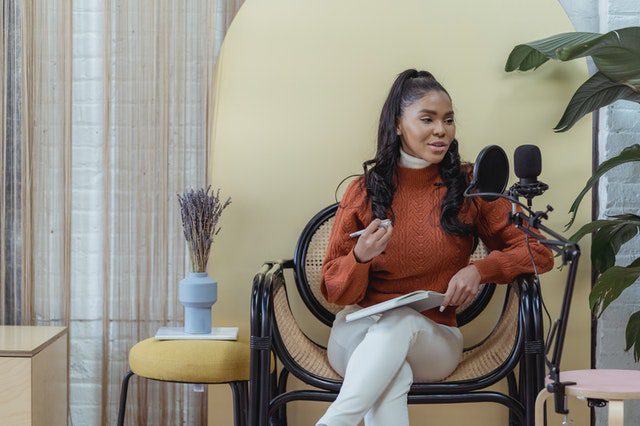
    Appearing on a podcast is exciting. You get to spend an hour or two doing everyone’s favorite pastime, talking about yourself. Hopefully, somewhere in there as well is connecting with the host, sharing your story and inspiring the audience. To make sure you are as prepared as possible and get the most out of your experience, we’ve come up with four quick-and-easy tips to help you become a great podcast guest and knock it out of the pod park every time. 
    1. Know What Show You are On, and Why You’re On It!

    If you’re booked on a show that you’ve never heard of, even just a quick glance of what the show is about, who hosts it and who their audience is can help you get the most out of your appearance and show up as a prepared guest (listen to an episode if you can). You can even ask the host what they are looking to get out of this interview, and if there are any segments you can be ready for.  Maximize your appearance by having at least a light awareness of the show and host and you’ll be able to appeal more to their audience.

    2. Be Strategic, but Be Authentic.

    Even if the show you are on has a listenership of 30 people, that’s 30 potential new supporters and connections for you. Go in with the mindset that you bring your “A” game to every show, large and small, and show up with the same energy and respect. One small appearance can lead to something bigger, so make sure you have written down the one or two key points that you would like to get across in the interview. If you are promoting a book, album, podcast, etc., have your talking points ready to go when the guest asks you to plug your work. 

    Be strategic in how to book your appearances, so they make sense for what you are trying to promote. The audience will love you, but will most likely forget that your podcast is coming out in three months, so waiting until it’s ready for the world may be a better strategy. Communicate with the host to find out when your episode will be out, as it can also take months for episodes to be released. 

    3. Get Comfortable and Find Your Sweet Spot

    If you are appearing on a show from a remote location, find a podcast spot that feels right to you. For some, it’s a fancy tech setup.  For others, it’s wrapped up in a cozy blanket. Whatever you choose, make sure you have a good signal, a quiet area, a glass of water, your phone/computer is charged, ringer is silent and your voice is clear and strong. If you are in person, don’t be too shy to ask for a cup of water or bathroom break if it will cause you to be more confident and less distracted.

    4. You Were on a Show! Now Tell the World!

    Some podcasters (I’m in this camp!) feel that it is proper etiquette for a guest to share their episode, even if it’s just a simple Instagram story repost or retweet. Others feel that it would be nice, but there is no obligation. To me, the best guests are the ones who share their episode, even if it’s their own unique way. If it helps you feel better about sharing, ask your host if you can create your own graphics for the episode using their logo and your branding. 

    This one may get me in some pod-trouble, but unless there are legal or emotional issues with something you said during your interview, try not to overthink what you said, and don’t ask the host to edit out the good stuff. Insecurity and second-guessing ourselves can lead to us editing out the most compelling part of the interview because we feel vulnerable or too exposed. Many times guests will get very little or no say in the editing process and what you say is what goes out, so be sure you bring it up with the host before if that is a concern. 

    I asked a few professional podcaster friends and colleagues what qualities they consistently see in standout guests. Sir Christopher Denman from Mid Coast Media says that awareness of the moment is key. “You are there to do an interview, now be part of the fun!” 

    Check out our Editor’s Pick section on Blubrry for some inspiration for examples of both great guests and shows. 

    Happy Podcasting!

    ____________

    Meryl Klemow

    Meryl Klemow is a podcast writer, guest booker, and co-host of the Campfire Sht Show podcast. Meryl is a part of the Blubrry content team, and a Senior Copywriter at Podfly Productions. She also has a T-shirt line, Pre-Canceled. Say hi to Meryl on Instagram at @MerylKlemow.
  • There are Times You Want to Keep It Private Your Company can Secure Content for Exclusive Audiences

    A recent report estimates that in 2021 the number of monthly U.S. podcast listeners will increase by 10.1% to 117.8 million. This means not only are there more listeners, there is more of a need for carefully segmenting content designed for limited listeners.

    Employees at your company are already consuming podcasts. Their favorite shows fit their lifestyle: they like to listen whenever and wherever is convenient for them, whether at work or on the go.

    That’s a key to how many employees want to be educated and trained by their employers. Many companies still try to connect with employees through written communications (i.e. via email or the company’s intranet). But, given the choice, a lot of people would prefer to listen vs. read. We live in an age where people expect the option to consume their content via audio and video media, the way they learn best.

    Companies have shown an interest in using the podcast medium to communicate internally, with use-cases ranging from company announcements and interviews to onboarding and training. But they’re being held back for a very important reason: security. Even if the content isn’t controversial or sensitive, no company really wants their internal content to get out. We’re not just talking about company trade secrets; most executives don’t want any content intended for internal audiences to be accessible outside the company.

    You won’t need to search long to find hosting services offering “private podcasting.” Beware! Many services suggest or imply their product is secure, but in reality it’s simply an obscure RSS feed. The fact you can’t find the latest episode on Apple Podcasts or Spotify doesn’t mean the media is truly secure. Security Tip: Secure private podcasts require login credentials and authentication.


  • Blubrry’s Podcaster of the Month and User Experience Feedback Winner

    Blubrry’s Podcaster of the Month and User Experience Feedback Winner

    When we released our new podcast publishing Dashboard, we asked for your feedback on the user experience. Hearing from so many of you was instrumental in catching some early bugs and getting fixes in place during the first couple of weeks.
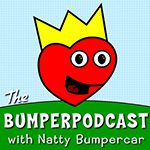
    To add some fun to giving feedback, we said we’d select one lucky feedback provider to receive one year of free podcast hosting, our compliments. Well, it was helpful, and it is fun!

    Today we’re announcing our lucky winner, who is also October’s Podcaster of the Month: Natty Bumpercar.

    Tell us about yourself!

    A little bit about me: I’ve been doing comedy for almost a million years. I tend to work squeaky clean, and have a bundle of tangential energy. I excel at getting into awkward situations, telling ridiculous stories, and falling in love with kittens that aren’t available — emotionally. I’ve illustrated a children’s book, Douglas: A Christmas Tale, produced cartoons, webcomics, my podcast, The Bumperpodcast, — which all live on my website. I’ve worked in radio, sung in a band, been in films, theater, and commercials. I like to stay busy. I consider myself a maker of things and a doer of stuff.

    What inspired you to do your own podcast?

    I like to talk. I also enjoy the sound of my own voice — and, that’s not entirely ego speaking. I’m an only child, and I managed to get through a bunch of life by cocooning into my imagination. From there, I found a nifty place called Coffee-Can Alley. It’s pretty special, and pretty ridiculous. I went to school at the University of Georgia, over in a swell little town known as Athens, and started doing something along the lines of stand-up while also working a few radio shifts at WUOG 90.5 fm. I got a Bachelor in Painting, then a Masters in Painting — where I continued to explore some of the foibles of Coffee-Can Alley. At some point, I started making webcomics, and cartoons — and even got to pitch a show to Cartoon Network! Then, in 2009, I figured out how to make sounds, what an RSS feed was, and started making the Bumperpodcast. It’s truly a blast, and my stomach hurts when I don’t get a chance to record once per week. I’ve got a bunch of ideas for other shows, but until I can successfully clone myself, I’m just going to stick with the best idea that I have — the Bumperpodcast.

    How do you prepare for an episode?

    I wander out to the studio in my barn, affectionately known as the Bumperbarn, get all of the equipment set up and working properly, and then throw some treats to my dogs, Banjo and Popcorn, to try to distract them. It is usually during the wandering that my brain starts fluttering through the roulette wheel of random occurrences and thoughts that may find a place in the episode. Then, I look at the title of the last episode, hope that it sparks some sort of memory in my brain, that may or may not gel in some way with the wander-thoughts, and start recording. After that, it really becomes a blur, based off of a bundle of variables — mostly which of the other characters from the show happen to either stop by, or be available. I must say that once the show starts recording, there are generally no guarantees that the show will end anywhere near where it began. I’ve heard the words ’train-wreck’ and ‘off the rails’ used repeatedly in reference to the Bumperpodcast — and that’s just from my wife and kids …

    What advice do you have for someone just starting out?

    The most important thing, to me, is to be true to yourself, and do what makes you happy. Don’t go into podcasting expecting to become famous or rich or awesome. You’re probably already awesome as you are, and those other goals aren’t promised to anyone. So, take a deep breath, figure out what you want to do, do some research — if that floats your boat, get your setup established, and then get to it. Don’t be afraid to try things out, and have it not work. Trying things is how you learn. Ask yourself a million questions. Don’t pigeon-hole yourself. Also, try not to take any advice from bears. Not to bear shame, but — it has always been my experience that they have their own underlying motives that will almost certainly not always line up with what you are trying to do — whatever that is!